
what-key-advantages-does-permanent-magnet-motor-pmsm-bring-to-highenergyconsuming-manufacturing-enterprises, what-key-advantages-does-permanent-magnet-motor-pmsm-bring-to-highenergyconsuming-manufacturing-enterprises, /blog
EN

2026/09/14
High-energy-consuming plants live or die by the cost of every kilowatt-hour, because motors run the compressors, fans, and lines that define output. A Permanent Magnet Motor PMSM changes that equation by raising efficiency where the load sits for long hours. One extrusion plant found that its main drives took a fifth of the site power, and after a pilot with a Permanent Magnet Motor PMSM the same output needed noticeably less input, which the energy team could defend line by line.
The plant ran compressed air on older induction drives that heated the room as much as they moved air. A trial Permanent Magnet Motor PMSM on the lead compressor cut the unit input at part load, where the hall actually spent most of its day. Over a quarter the meter showed a clear drop, and the saving held through summer peaks because the magnet machine kept its edge as the load moved. The Permanent Magnet Motor PMSM proved the point that heavy users gain most where the duty never stops, and the hall later rolled the spec across the bank.
Standard induction motors lose more at part load, which is exactly where plants operate most of the time. A Permanent Magnet Motor PMSM holds high efficiency across a wide speed range, so the unit does not fall off the curve when demand dips. Fans and pumps that throttle all day waste the margin a fixed motor cannot recover, and the magnet design closes that gap. The Permanent Magnet Motor PMSM therefore fits heavy users because their load profile, not a nameplate peak, decides the annual bill, and the profile rewards a motor that stays efficient.
The advantage is not one number but a set of traits that compound in a demanding plant. A Permanent Magnet Motor PMSM brings efficiency, size, and power factor together in a way a standard unit cannot match.
Partial load is the normal state for most plant drives, and a Permanent Magnet Motor PMSM keeps its efficiency there because the rotor field comes from magnets, not from induced current that wastes energy. The loss stays low as speed falls, so the annual average beats an induction motor by a wide margin. A Permanent Magnet Motor PMSM on a variable-speed fan or pump therefore cuts the bill every hour the load is below peak, which is most hours, and the saving shows on the meter rather than only at the rated point.
Magnets let the rotor do more with less copper and iron, so a Permanent Magnet Motor PMSM packs more power into a smaller frame or runs cooler at the same size. The higher power factor also eases the load on the supply, which can trim penalties some utilities charge for poor factor. A Permanent Magnet Motor PMSM that replaces an oversized standard unit frees space and improves the electrical behavior of the line at once. For a cramped, heavy plant that is a double win: less heat, less frame, and a cleaner draw from the bus.
Efficiency rules push heavy users toward verified, testable motors, and a Permanent Magnet Motor PMSM supports the key ones directly. Specifying them keeps the buy defensible to auditors and buyers alike.
IEC 60034-30-1 defines the IE efficiency classes and the test behind the nameplate, and a Permanent Magnet Motor PMSM often reaches IE5, the top of the scale. The standard lets the plant compare offers on the same basis and anchor the IE5 target in the spec. A Permanent Magnet Motor PMSM bought to the standard carries a verified rating, so the energy team can state the saving without qualification and defend it in a tender or an audit with one consistent document.
IEC 61800-9 covers the energy efficiency of power drive systems, which is how a Permanent Magnet Motor PMSM is usually run. The standard looks at motor and drive together, so the plant specifies the pair, not the motor alone. A Permanent Magnet Motor PMSM with a matching drive meets the system efficiency the rule encourages, and the combination reports a better wire-to-shaft number than an induction set. Citing IEC 61800-9 keeps the upgrade aligned with how the equipment is actually controlled in the plant.
The motor earns its rating only when matched and commissioned well. A Permanent Magnet Motor PMSM needs care at selection and start-up that a standard swap does not, and the plant should plan for both.
Start from the real duty profile, including the low-load hours that decide the annual bill, then pick a Permanent Magnet Motor PMSM and drive sized to that range. Confirm cooling for the site and the enclosure for the location, and check that the control handles the magnet machine's needs. A Permanent Magnet Motor PMSM matched to the profile, not the peak, delivers the efficiency every normal hour. Keep the test data with the asset so later audits confirm the Permanent Magnet Motor PMSM still performs as specified.
Bring the Permanent Magnet Motor PMSM online with the drive set for the magnet rotor, and verify temperature and current at load before sign-off. Watch the cooling path and the bearings, as with any motor, but note that the magnet unit runs cooler, so the thermal margin is usually larger. A Permanent Magnet Motor PMSM with good commissioning keeps its edge for years, and the plant should log input power per output to catch any drift. The saving is real only when the start-up is done right and the Permanent Magnet Motor PMSM is run inside its designed limits.
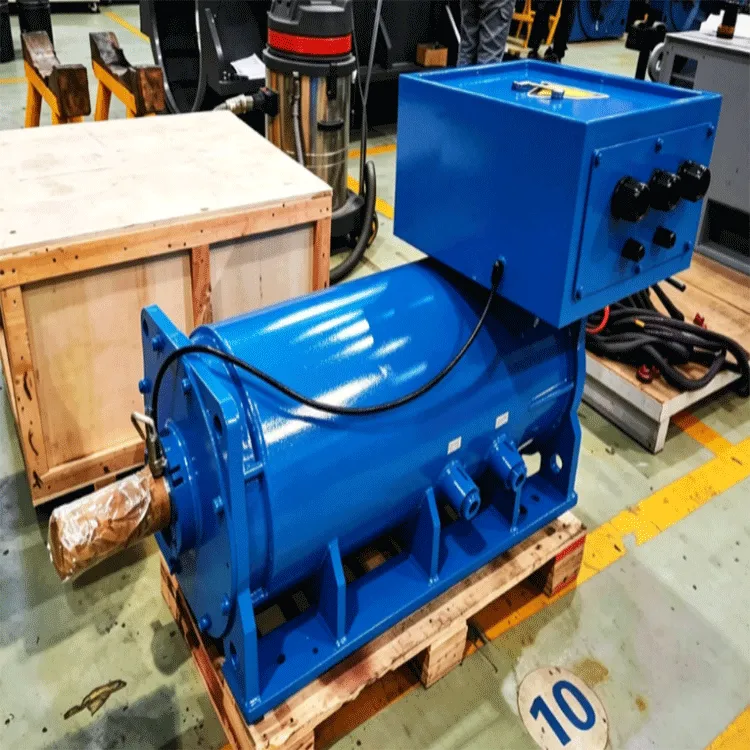
A Permanent Magnet Motor PMSM holds high efficiency across a wide load range, so a heavy plant that runs fans, pumps, and compressors for long hours cuts its annual bill where it actually operates. The magnet rotor loses less at part load than an induction motor, and the higher power factor eases supply penalties.
A Permanent Magnet Motor PMSM uses a magnet rotor instead of induced current, so it wastes less energy and stays efficient as speed falls, while an induction motor loses more at part load. For variable-speed duties the gap is largest, because the magnet machine keeps its edge through the daily swings. At full rated load the two are closer, but plants rarely sit at peak.
Yes, a Permanent Magnet Motor PMSM typically runs at a high power factor because the rotor field comes from magnets, not from drawn reactive current. That eases the load on the supply and can reduce the penalties some utilities charge for poor factor. The higher power factor also means the line carries more useful power for the same current.
IEC 60034-30-1 defines the IE efficiency classes and the test behind the rating, and a Permanent Magnet Motor PMSM often reaches IE5, the top class. IEC 61800-9 covers drive-system efficiency, which is how the motor is usually run, so the plant specifies motor and drive together. Citing both keeps the buy defensible to auditors and aligns the upgrade with how the equipment is controlled. A Permanent Magnet Motor PMSM bought to these standards carries a verified, comparable claim.
A Permanent Magnet Motor PMSM needs the drive set for the magnet rotor at start-up, which is a step a standard swap may skip, but the work is straightforward with the maker's guide. Verify temperature and current at load, confirm cooling, and log input power per output to catch drift. The magnet unit runs cooler, so the thermal margin is usually larger than an induction motor.
Payback is fastest where the duty is long, variable, and energy-costly, because that is where the Permanent Magnet Motor PMSM efficiency shows every hour. Compressors, large fans, and pumps with part-load hours recover the premium through the power bill, often within the motor life. A simple lifetime energy calculation per machine shows the break-even, and heavy users with high run hours usually see the Permanent Magnet Motor PMSM clear the cost well before replacement is due.


 EN