
 EN

Industrial petrochemical refineries operating heavy gas scrubbers and centrifugal liquid feed pumps 8,400 hours annually often experience severe financial discrepancies when evaluating motor upgrade expenditures. Financial analysts and engineering supervisors attempting to project return on capital frequently discover that comparing initial equipment purchase quotes yields flawed lifecycle conclusions. Conducting a rigorous PMSM vs induction motor cost evaluation demands examining dynamic duty cycles, ancillary drive electronics, thermal performance limits, and ongoing maintenance demands rather than relying on purchase price tags.
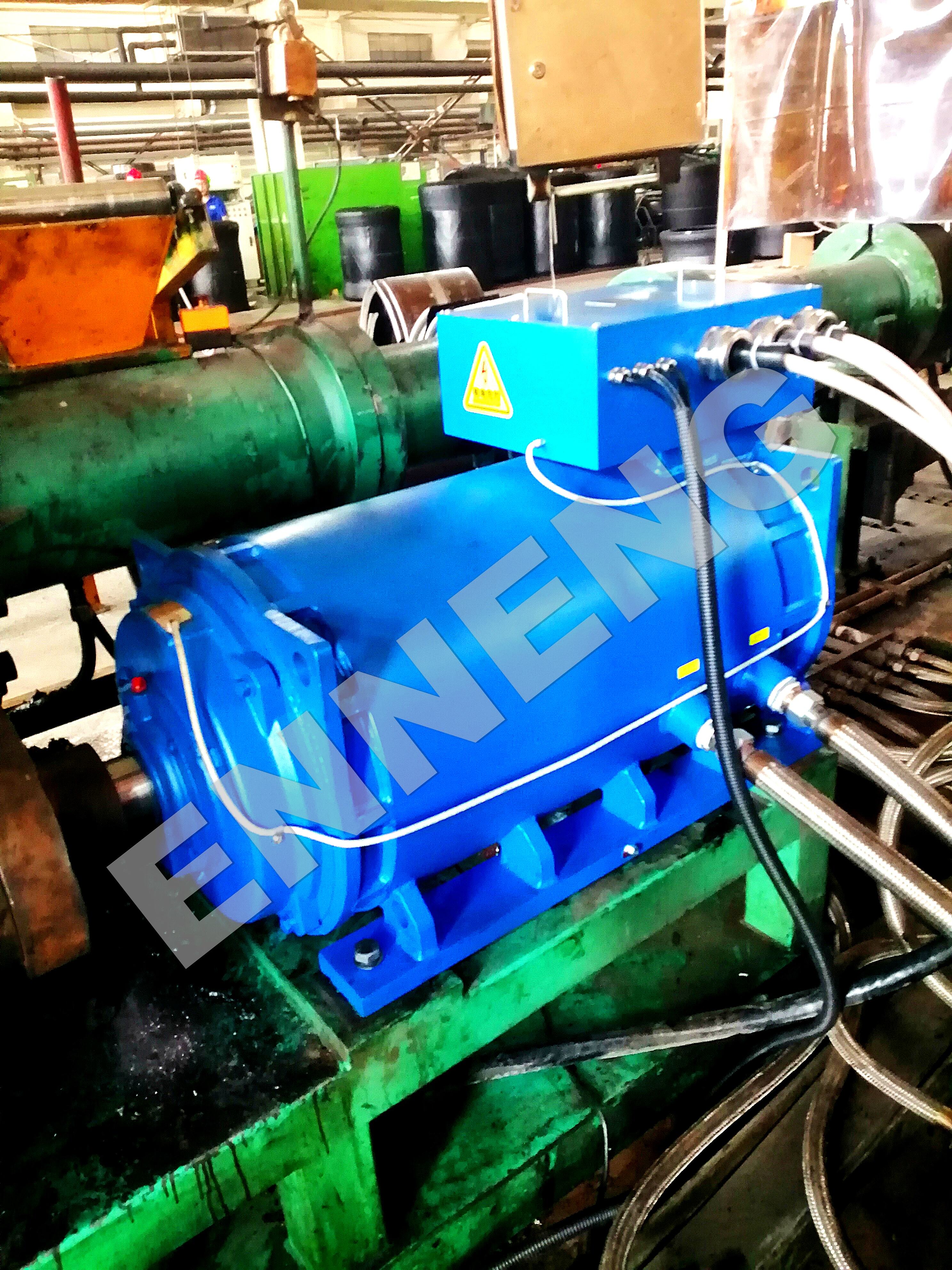
Overlooking total operating expenditures exposes industrial processing facilities to chronic energy waste, localized motor overheating, and unplanned equipment shutdowns. Evaluating replacement options using superficial purchase price metrics leads to misallocated capital and unrealized efficiency gains across high-utilization factory lines. ENNENG designs advanced permanent magnet drive technologies and delivers comprehensive technical consultation to eliminate analytical blind spots, ensuring that every energy saving motor solution achieves verified economic returns across demanding industrial environments.
Financial Pitfalls in Total Cost of Ownership Calculations
The most widespread mistake in evaluating PMSM vs induction motor cost parameters involves treating the initial capital purchase price as the primary financial metric. In industrial drive systems operating continuously, acquisition cost accounts for less than five percent of total lifecycle expenditure, while electrical energy consumption regularly exceeds ninety percent. Failing to structure a multi-year total cost model distorts procurement decisions and conceals major energy reduction opportunities.
Capital Expenditure Anchoring and Lifecycle Energy Oversights
Procurement departments frequently select standard squirrel-cage induction equipment because the initial capital outlay is twenty to thirty percent lower than a comparable permanent magnet motor PMSM. However, when evaluating continuous manufacturing processes running thousands of hours per year, a five to seven percent efficiency advantage produces substantial cumulative electricity savings. An accurate PMSM vs induction motor cost assessment models five to ten years of energy consumption, factoring in localized utility tariffs and operational escalation rates to reveal true lifecycle expenditure.
Disregarding Variable Power Tariffs and Operating Hours
A recurring financial modeling error involves assuming static electricity pricing and uniform utility billing structures across multi-year asset lifespans. Industrial power providers routinely apply complex rate structures, including peak demand surcharges, time-of-use penalties, and reactive power fees. When analyzing PMSM vs induction motor cost balances, failing to account for time-varying electrical rates understates the financial value of high-efficiency equipment operating during high-tariff production shifts.
Operational Profiling and Partial-Load Efficiency Discrepancies
Another critical analytical flaw involves comparing motor efficiency strictly at full rated capacity. Standard equipment datasheets state efficiency values measured under ideal full-load laboratory conditions, whereas industrial machinery rarely operates continuously at nameplate capacity.
Static Nameplate Ratings Versus Dynamic Duty Cycles
Industrial pumps, material conveyors, and ventilation blowers frequently modulate between forty and eighty percent of full load to accommodate fluctuating factory throughput. An induction machine experiences a steep efficiency drop below seventy percent load due to continuous stator-induced magnetizing current. In contrast, an inverter-driven permanent magnet motor PMSM maintains an exceptionally flat efficiency curve down to partial capacity, sustaining high efficiency across broad operating windows.
|
Evaluation Parameter |
Standard Induction Motor Assessment |
ENNENG Permanent Magnet Motor PMSM |
|
Primary Assessment Focus |
Initial equipment purchase price |
Complete lifecycle total cost of ownership |
|
Partial-Load Efficiency (50% load) |
Severe efficiency drop (down to 82%-86%) |
Flat Ultra-Premium curve (>95% efficiency) |
|
System Control Scope |
Direct-on-line grid connection |
Variable frequency vector drive package |
|
Standard Voltage Scope |
Unified 110V to 690V industrial range |
Unified 110V to 690V industrial range |
|
Standard Output Scope |
Unified 5kW to 5MW industrial capacity |
Unified 5kW to 5MW industrial capacity |
|
Power Factor Performance |
0.70 to 0.85 (demands external capacitors) |
0.96 to 0.99 (inherently high power factor) |
|
Rotor Heat Losses |
Continuous secondary I²R slip dissipation |
Near-zero secondary rotor losses |
Asymmetric System Inverter and Auxiliary Integration Costs
A common technical assessment error involves comparing a bare induction motor against a permanent magnet synchronous system without balancing system-level costs. A permanent magnet motor PMSM requires a dedicated variable frequency drive to control synchronous rotor magnets, whereas an induction motor can operate direct-on-line. Omitting drive acquisition, panel space, and harmonic filtering from the permanent magnet budget understates initial system costs.
Technical and Environmental Factors in Motor Comparison
Real-world factory operating environments differ substantially from controlled testing laboratories. Failing to adjust theoretical efficiency data for ambient conditions and electrical infrastructure constraints leads to inaccurate cost projections.
Site-Specific Thermal De-Rating and Ambient Temperature Penalties
Motor datasheets report performance baselines calculated around a 40°C ambient ceiling at sea level. In metallurgy, chemical refining, and heavy manufacturing facilities, ambient temperatures around motor baseplates frequently exceed 50°C. Standard induction equipment subjected to elevated heat must undergo significant power de-rating to prevent winding insulation failure, forcing enterprises to purchase oversized motors that run inefficiently under partial loads.
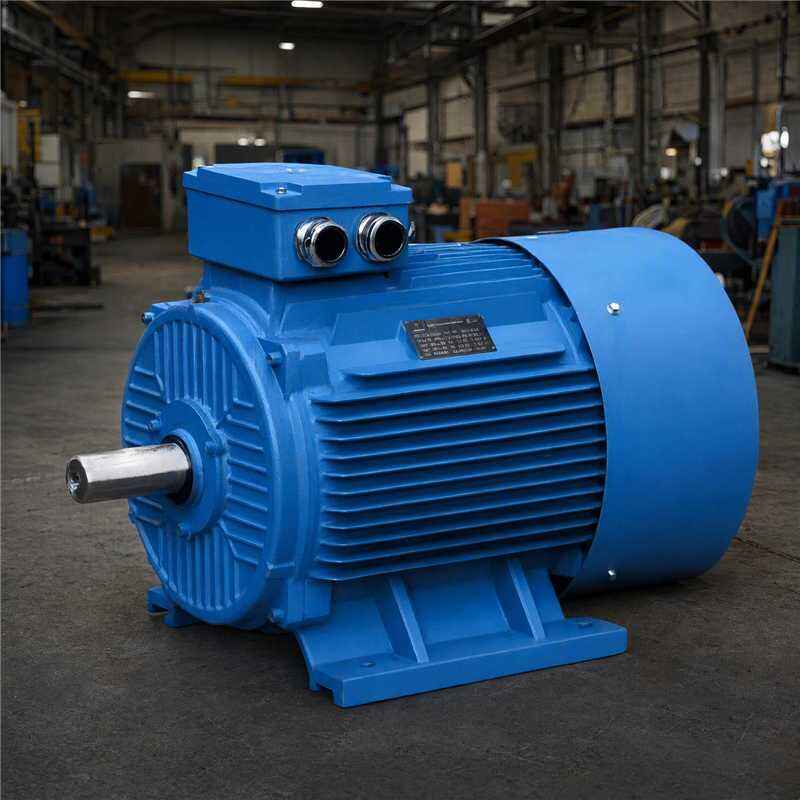
An advanced permanent magnet motor PMSM engineered by an experienced high efficiency motor supplier eliminates secondary rotor slip losses, generating substantially less internal heat. ENNENG motor products feature Class H vacuum pressure impregnation insulation evaluated against conservative Class B temperature rises across unified voltage ranges from 110V to 690V and unified power ratings from 5kW to 5MW. For decentralized plant telemetry and remote industrial power, ENNENG also manufactures vertical axis wind turbine systems rated from 1kW to 10kW, emphasizing 3kW, 5kW, and 10kW platforms to secure dependable off-grid generation. Incorporating site-specific thermal de-rating into a PMSM vs induction motor cost model ensures equipment sizing matches genuine environmental demands.
Failure to Quantify Power Factor Improvement and Cable Losses
Asynchronous machinery draws significant reactive magnetizing current from the grid, depressing operating power factors to 0.70 or lower during partial-load periods. Industrial utility providers penalize facilities that operate below mandatory power factor thresholds, adding substantial surcharges to monthly electric bills. In contrast, an inverter-fed permanent magnet motor PMSM operates at a high power factor between 0.96 and 0.99 across broad speed ranges because embedded magnets supply the primary magnetic field.
Standards Compliance, Practical Auditing, and Asset Maintenance
Developing an accurate motor assessment framework requires adhering to international technical standards, safety regulations, and structured maintenance modeling.
Compliance Benchmarks Across IEC, ISO, and Electrical Safety Standards
Motor efficiency evaluations must follow standardized testing frameworks to ensure empirical validity. Standard IEC 60034-30-1 establishes efficiency classes for line-operated induction motors, while IEC TS 60034-30-2 defines criteria for converter-fed variable-speed machines, providing the benchmark for an ultra-premium permanent magnet motor PMSM. Implementing an enterprise-wide retrofit induction to PMSM program directly supports corporate energy management objectives under ISO 50001, providing verified data for sustainability reporting.
Field Inspection Protocols and Maintenance Interval Realities
Applying generic maintenance benchmarks across different motor technologies introduces significant analytical error. Induction motors experience elevated operating heat that accelerates bearing lubricant oxidation, requiring frequent re-greasing and bearing replacements over continuous production cycles. Conversely, a permanent magnet motor PMSM runs substantially cooler, extending bearing lubrication intervals and preserving winding insulation integrity.
Engineering Consultation and Drive Upgrade Inquiries
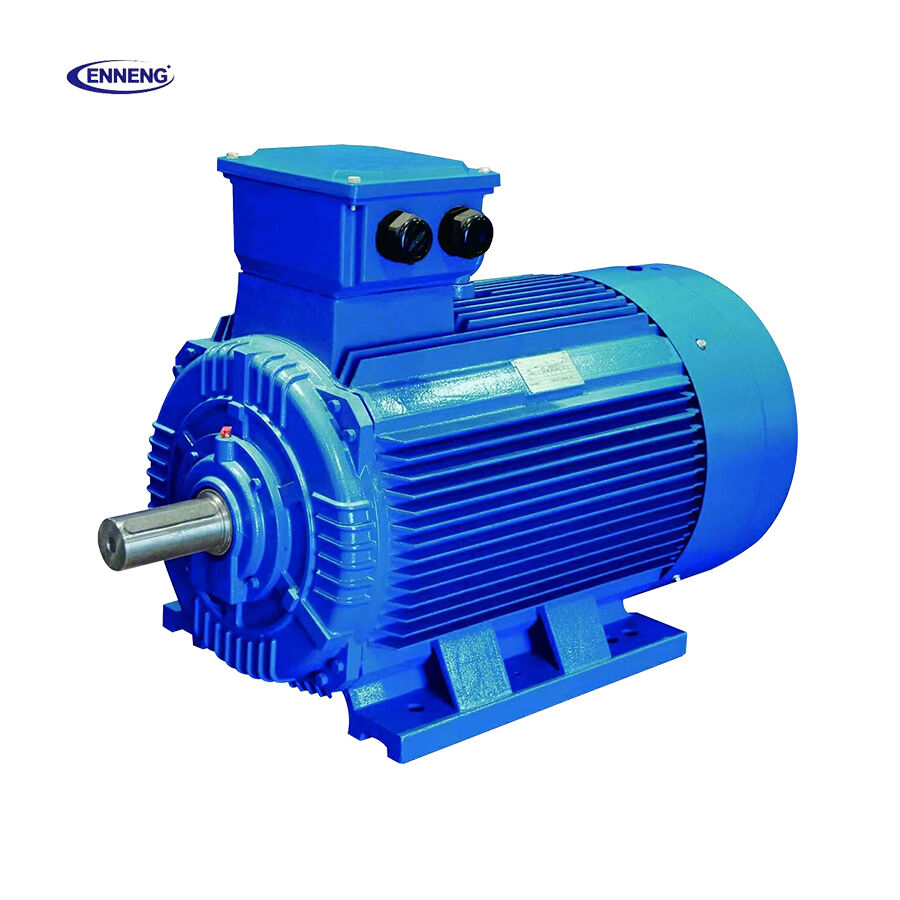
Executing an accurate PMSM vs induction motor cost assessment requires rigorous analysis of equipment duty cycles, utility rate structures, and thermal operating conditions. Modernizing industrial machinery with an advanced permanent magnet motor PMSM reduces electricity consumption, stabilizes power quality, and delivers reliable mechanical torque across demanding processing lines. Partnering with a dedicated high efficiency motor supplier guarantees proper electromechanical sizing, verified drive package coordination, and full lifecycle engineering support. Contact technical specialists today to evaluate plant drive data and initiate custom upgrade planning.
- WhatsApp: +86 18562780228
- E-Mail: [email protected]
- Phone: +86 532 66000559
FAQ
Q: Why does focusing solely on purchase price distort a PMSM vs induction motor cost comparison?
A: Initial purchase price accounts for less than five percent of an industrial motor's total lifecycle cost, while electrical energy consumption accounts for over ninety percent. In continuous operations running 8,000 hours annually, a high-efficiency permanent magnet motor PMSM delivers energy savings that offset upfront price premiums within twelve to twenty-four months. Focusing only on purchase price ignores the dominant operational expenditure of the machine.
Q: How does partial-load operation influence an energy saving motor solution assessment?
A: Standard induction motors experience a steep drop in electrical efficiency when operating below seventy percent of rated load. In contrast, an advanced permanent magnet motor PMSM maintains a flat efficiency curve down to partial capacity, sustaining high performance across fluctuating factory demands. Calculating efficiency across true operating duty cycles rather than nominal nameplate ratings reveals the genuine economic advantage of a permanent magnet energy saving motor solution.

