In high-speed ring spinning frames, roving machines, air-jet weaving looms, and continuous fabric dyeing ranges, thousands of textile spindles and tension rollers operate 24 hours a day inside warm, humid rooms filled with airborne cotton lint and synthetic micro-fibers. Production managers operating conventional asynchronous induction motors on textile lines constantly battle two severe stability bottlenecks: rotor speed slip variations that cause yarn count unevenness (high Uster CV% values) and broken ends, and clogged motor cooling fan cowls where accumulated lint triggers thermal overload trips and fire hazards.
Textile manufacturing is an ultra-high-speed, tension-sensitive continuous process where even a 0.5% speed discrepancy between drafting rollers, spindles, or winding drums alters yarn twist density and ruins fabric dye uniformity. Furthermore, because textile mills operate hundreds of motors simultaneously, the lagging power factor and rotor copper heat of traditional induction motors overload mill air-conditioning systems and inflate electricity costs per kilogram of yarn. Upgrading to a purpose-engineered Textile Machinery PM Motor from ENNENG locks roller and spindle speeds in strict synchronous phase while utilizing a smooth, lint-free low-temperature-rise enclosure to guarantee uninterrupted textile production stability.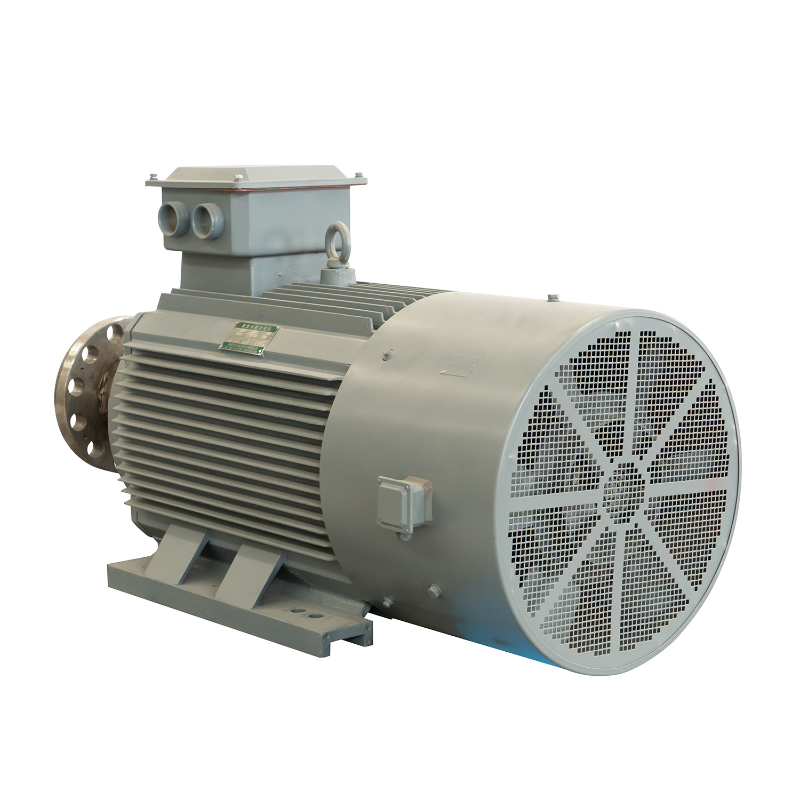
Technical Highlights: Solving Yarn Breakage and Lint Overheating in Textile Mills
Asynchronous Slip Fluctuations and Cotton-Fluff Thermal Blanketing
In a traditional induction motor driving a ring spinning frame or carding machine, actual shaft RPM lags behind the supply frequency due to rotor slip. As bobbin weight builds up on a spinning frame or ambient mill humidity shifts fiber friction, mechanical load torque fluctuates—causing asynchronous rotor slip to vary between 1.5% and 4%. These micro-speed drifts create tension spikes that snap fine yarn filaments and degrade twist consistency. Simultaneously, standard motors with ribbed frames and external fan cowls trap floating cotton fly and polyester lint; within days, clogged air passages block heat dissipation, causing high-loss induction motors to trip on thermal overload or ignite accumulated fiber fluff.
Synchronous Zero-Slip Precision and Smooth-Frame Physics of ENNENG Textile Motors
An ENNENG Textile Machinery PM Motor is engineered specifically to stabilize yarn quality and eliminate lint-induced downtime:
-
Zero Rotor Slip for Uniform Yarn Twist and Tension: Permanent magnets embedded in the rotor lock shaft rotation strictly to the VFD output frequency (0% slip), ensuring identical RPM across every spindle, drafting roll, and multi-motor dyeing range regardless of load changes.
-
Totally Enclosed Lint-Free Smooth Frame (TENV / Smooth TEFC): Eliminating rotor copper losses reduces internal heat generation by 20% to 35%, allowing ENNENG to build smooth-body or wide-channel non-clogging frames where airborne cotton lint cannot accumulate.
-
High Dynamic Braking and Millisecond Tension Control: Low rotor moment of inertia allows instantaneous speed synchronization during rapid loom start-stop cycles, preventing fabric start-marks (weft bars).
|
Textile Production Metric
|
Conventional Asynchronous Textile Motor
|
ENNENG Textile Machinery PM Motor
|
|
Speed Synchronization (Multi-Axis)
|
Asynchronous (1.5%–4% Load Slip Drift)
|
Strictly Synchronous (0% Rotor Slip)
|
|
Yarn Twist & Tension Consistency
|
Prone to End-Breakage Under Bobbin Load
|
Constant RPM Ensures Low Yarn CV%
|
|
Exterior Frame & Lint Protection
|
Ribbed Fan Cowl Traps Cotton Fly & Fluff
|
Smooth Non-Clogging Lint-Free Housing
|
|
Operating Temperature Rise & HVAC Load
|
High Rotor Heat Increases Mill A/C Load
|
15K–25K Cooler (Reduces Mill Heat Load)
|
|
Unified Voltage Range
|
Fixed Tap (Vulnerable to Mill Voltage Sag)
|
110V–690V Unified Voltage Range
|
|
Power Factor & Line Current
|
0.75 – 0.84 (High Reactive Current)
|
0.95 – 1.00 (Over 10% Lower Amp Draw)
|
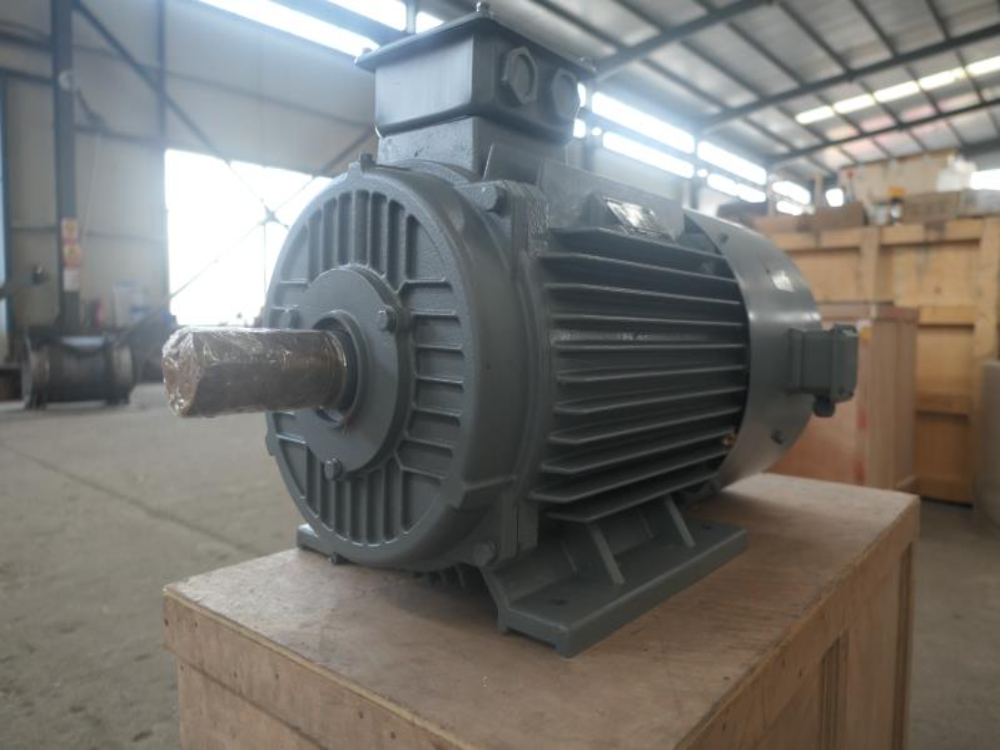
Core Advantages of ENNENG Textile Machinery PM Motor Systems
Reducing Mill Air-Conditioning Loads Across 110V–690V Power Grids
In a large spinning or weaving mill operating 500 to 2,000 drive motors, every kilowatt of electrical power wasted as motor heat is released directly into the production hall—forcing the mill's central HVAC and humidification chillers to consume extra electricity to maintain constant room temperature and 65% relative humidity. Engineered across a unified voltage range of 110V–690V, an ENNENG Textile Machinery PM Motor achieves IE5 ultra-premium efficiency and a 0.95–1.00 power factor, cutting direct drive power consumption while substantially lowering secondary mill HVAC cooling loads. Beyond textile manufacturing drives, ENNENG supplies permanent magnet generators across a unified 5kW–5MW power range (110V–690V) for textile cogeneration/steam waste-heat recovery, alongside vertical axis wind turbines spanning 1kW–10kW (focusing on 3kW, 5kW, and 10kW models).
Complying with ISO 11111-1, IEC 60034-18-41, and NFPA 70 Class III Standards
Textile machinery safety and dielectric reliability are governed by strict international standards. ISO 11111-1 (Textile machinery – Safety requirements) and NFPA 70 Class III (locations with easily ignitable textile fibers and flyings) mandate that motor surface temperatures remain well below fiber charring/ignition limits (typically <120°C–165°C) and that enclosures prevent lint entry. Because an ENNENG Textile Machinery PM Motor operates with zero rotor copper loss and IP55/IP65 sealed smooth housings, external surface temperatures stay exceptionally cool. Furthermore, stator windings comply with IEC 60034-18-41 inverter-duty insulation standards to withstand high-frequency multi-drive common DC-bus VFD operation without partial discharge failure.
Industrial Application Scenarios and Engineering Maintenance Guide
1. Ring Spinning Frames, Roving Machines, and Continuous Dyeing/Tenter Ranges
In multi-motor continuous dyeing, washing, and tenter-frame drying lines, fabric webs pass across dozens of sequential driven rolls. Replacing slip-prone induction motors with an ENNENG Textile Machinery PM Motor on a common DC-bus inverter system locks inter-roller draw ratios with digital accuracy, eliminating fabric stretching, creasing, and batch tearing.
2. Practical Selection, Inspection, and Maintenance Protocols
To maximize production stability and yarn quality when deploying a Textile Machinery PM Motor on textile production lines, implement these engineering protocols:
-
Select Smooth-Body TENV or Wide-Pitch Lint-Free Frames: In high-fluff blowroom, carding, and spinning zones, specify ENNENG smooth-surface enclosures so airborne cotton fibers slide off naturally without requiring daily compressed-air blowdowns.
-
Utilize Common DC-Bus Regenerative VFD Topologies: On multi-motor roving, sizing, and dyeing ranges, connect the Textile Machinery PM Motor array to a shared DC bus so braking energy from unwinding beams powers adjacent tensioning rollers—preventing power-dip yarn breakage during grid voltage sags.
-
Verify High-Frequency EMC Grounding for Yarn Sensors: Use 360-degree shielded VFD cables to prevent inverter switching noise from interfering with optical yarn-clearer sensors and weft-break detectors.
-
Inspect Double-Lip Felt/Labyrinth Shaft Seals: During scheduled machine maintenance, check axial shaft dust seals to ensure fine synthetic oligomer dust or sizing chemicals cannot enter the front bearing.
The ENNENG Customisation Advantage
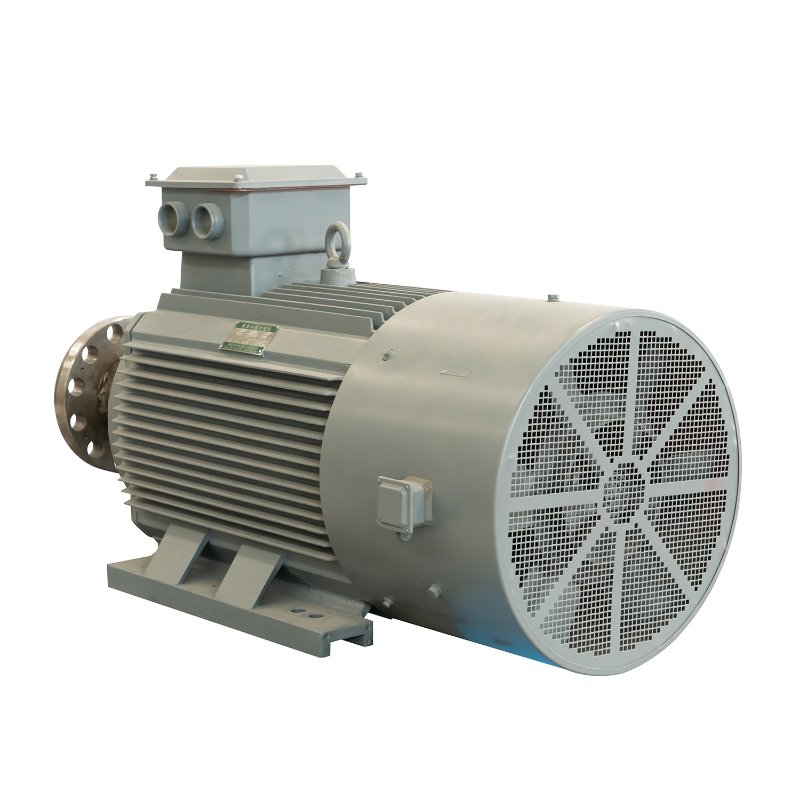
Textile OEM machinery requires ultra-compact axial lengths to fit inside narrow spinning headstocks and high-speed loom frames. ENNENG custom-engineers its Textile Machinery PM Motor series across the unified 110V–690V range—delivering slim-profile radial or axial-flux frames, custom tapered pulley shafts, liquid-cooled jackets for ultra-high-density spinning frames, and tailored high-frequency windings for speeds up to 3,000–6,000 RPM.
Contact ENNENG Today.
Consult the ENNENG textile drive engineering team to stabilize your yarn and fabric production lines with a customised Textile Machinery PM Motor solution.
FAQ
Q: How does an ENNENG Textile Machinery PM Motor reduce yarn breakage and improve yarn evenness?
A: Conventional induction motors suffer from variable rotor speed slip whenever mechanical load fluctuates, causing subtle tension jerks that break fine yarn. An ENNENG Textile Machinery PM Motor rotates in strict synchronous lock with the inverter frequency (zero slip), maintaining constant spindle and drafting-roller speedratios across the entire doffing cycle.
Q: Why are smooth-frame ENNENG Textile Machinery PM Motor units safer in cotton spinning mills?
A: Standard fan-cooled motors have deep cooling ribs and protective fan grilles that rapidly clog with floating cotton lint, trapping heat and creating a Class III fiber fire hazard. Because an ENNENG Textile Machinery PM Motor generates zero rotor copper loss and runs much cooler, it can use a smooth, lint-free housing that prevents fiber accumulation.

 EN


