
what-quality-inspection-procedures-must-permanent-magnet-motor-pmsm-finish-before-factory-shipment, what-quality-inspection-procedures-must-permanent-magnet-motor-pmsm-finish-before-factory-shipment, /blog
EN

2026/09/08
A distributor received 40 Permanent Magnet Motor PMSM units that looked identical to the approved sample, yet three failed within the first month on site. The root cause traced back to a magnet batch that skipped the incoming check, and the flaw only showed under load. A Permanent Magnet Motor PMSM that leaves the factory without full inspection becomes a returned-unit claim, a returned container, and a damaged relationship that no discount repairs.
The failing units had weak magnets that lost torque above 60 percent load, so compressors stalled during start. The buyer rejected the lot and shipped it back across the ocean, doubling the logistics cost of motors that should never have been crated. A Permanent Magnet Motor PMSM built on unverified material turns a quality step into an international incident once the container is sealed.
The test that caught the fault too late still cost the sale. The factory ran only a no-load spin and a paint check, skipping the surge and demagnetization tests that would have flagged the weak rotors. A Permanent Magnet Motor PMSM needs those electrical checks because the magnet, not the winding, is the part that fails quietly. By the time the field report arrived, the production slot for a replacement had already passed and the customer had sourced elsewhere.
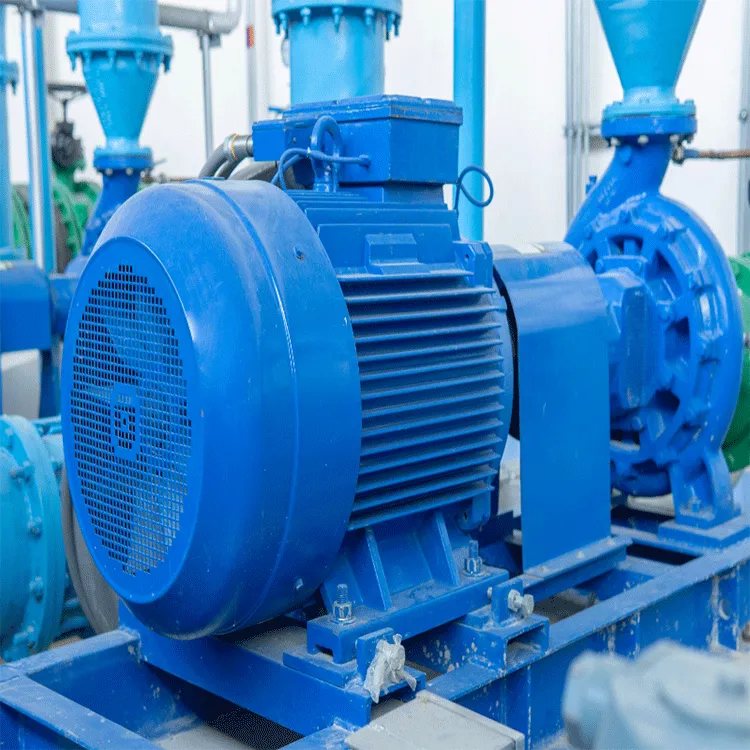
Permanent-magnet rotors carry risks that induction motors do not, chiefly demagnetization and a tight tolerance on balance. A Permanent Magnet Motor PMSM that skips verification trades a few hours of test time for months of field failure, and the defects are nearly impossible to see without instruments.
Heat, reverse current, and assembly shock can partly demagnetize the rotor, lowering torque and raising current draw. A Permanent Magnet Motor PMSM must pass a demagnetization check at the rated overload and after a thermal cycle, because a rotor that weakens once keeps weakening in service. The test is cheap compared with a rotor change that requires pulling the machine from a live line.
The winding still carries the full electrical stress, so surge and hipot tests remain essential. A Permanent Magnet Motor PMSM with thin insulation fails early in humid or dusty sites, and the fault often trips the drive rather than the breaker. High-potential and surge-comparison tests catch turn-to-turn weakness that a simple megger check misses entirely.
A rotor that is out of balance wears bearings fast and shakes the coupling, which the installer blames on the foundation. A Permanent Magnet Motor PMSM should be dynamically balanced to a stated grade and then vibration-tested under power. Skipping this step sends a motor that destroys its own bearings within a season of continuous running. A textile mill learned this the hard way when a skipped balance check let a 45 kW unit shake loose its foot bolts and drop onto the conveyor below, stopping two lines for a full day. The repair cost more than the balance test would have across a year of production, which is why the step sits near the top of any sane inspection list.
A disciplined line runs checks in a fixed order so that a failed unit stops before it costs more work. A Permanent Magnet Motor PMSM that moves through incoming, routine, and type tests leaves with a paper trail that survives an audit and protects both sides of the transaction.
The magnets, laminations, and bearings are verified against the certificate before assembly, because a bad raw part poisons every unit built on it. A Permanent Magnet Motor PMSM should have its magnet grade and Br value logged at incoming, not assumed from the purchase order. This single check would have caught the failed batch and kept the container in the factory.
Routine tests cover no-load current, insulation resistance, hipot, surge, and a load point; type tests add temperature rise, efficiency, and demagnetization to IEEE 112. A Permanent Magnet Motor PMSM that carries both sets earns trust, because the efficiency number is measured, not estimated. ISO 9001 requires the records to be controlled, so the test sheet should be traceable to the unit by serial number.
The shipment gate is where standards turn into a pass or fail, and where the buyer decides whether to accept. A Permanent Magnet Motor PMSM held to IEC 60034 and documented under ISO 9001 clears customs and commissioning with far less friction than a unit with a bare certificate.
ISO 9001 governs the quality system that makes the test repeatable, while IEC 60034 sets the performance and efficiency framework for the machine. A Permanent Magnet Motor PMSM built under both lets the buyer compare declared loss values against a known method. RoHS and REACH documentation also belongs in the file when the motor enters the EU or markets that mirror those rules.
Ask for the routine test sheet per unit, the type-test report for the model, and the material certificates as shipment conditions. A Permanent Magnet Motor PMSM from a supplier such as Enneng Motor typically ships with these documents, which the buyer holds against the acceptance test on arrival. Insist on a serial-linked record, because a generic report proves nothing about the specific motor in the crate. A buyer who keeps that record also builds a history that speeds the next audit and shortens any future dispute about which lot a field failure belongs to, which protects both the plant and the supplier over the motor's ten-year life.
A Permanent Magnet Motor PMSM should pass no-load current, insulation resistance, hipot, surge comparison, a load point, and a dynamic balance check as routine tests. Type tests add temperature rise, efficiency to IEEE 112, and a demagnetization check at overload. Request the per-unit routine sheet and the model type report, because the efficiency claim only matters when it is measured, not estimated from a catalog.
The magnet, not the winding, is the part that fails quietly in a permanent-magnet machine, and weak rotors show only under load. A Permanent Magnet Motor PMSM with an unverified magnet grade can lose torque above 60 percent load and stall a compressor at start. Logging the Br value and grade at incoming inspection catches this before assembly, which is far cheaper than a returned container.
IEEE 112 gives a recognized test method for motor efficiency and loss segregation, and IEC 60034 frames the performance class. A Permanent Magnet Motor PMSM tested to IEEE 112 produces declared loss figures an energy auditor accepts. ISO 9001 then requires those records to be controlled and traceable, so the reported number links to the specific serial that ships.
Repeat the no-load current and insulation checks against the factory sheet, then run a short load test if the site allows it. A Permanent Magnet Motor PMSM that matches its test record at the terminal confirms the shipment; a mismatch triggers the acceptance clause before payment. Keep the serial-linked report, because a generic certificate cannot prove the unit in the crate is the one tested.
Yes, for the EU and markets that mirror those rules, because the materials declaration travels with the motor through customs. A Permanent Magnet Motor PMSM without RoHS and REACH files can be delayed or rejected at the border regardless of its electrical quality. Ask for the declarations alongside the test sheets so the documentation, not just the machine, clears the gate.
ISO 9001 ensures the test is repeatable and the record is controlled, so the result is trustworthy across batches and years. A Permanent Magnet Motor PMSM built under ISO 9001 carries traceable material and test data that survives an audit. Without that system the same model can vary lot to lot, and the buyer loses the ability to compare one shipment against the last.


 EN