
 EN

A Textile Machinery PM Motor working through repeated acceleration, braking, tension changes, and lint exposure should not be specified from rated power alone. Material choices determine how well the motor retains torque accuracy, insulation integrity, and mechanical stability after thousands of load cycles. Start with the duty cycle: peak torque, dwell time, starts per hour, ambient temperature, vibration path, and the dust or cleaning conditions around the machine.
As an engineer reviewing permanent-magnet drive applications, I would first ask for the real load trace rather than an optimistic average. A Textile Machinery PM Motor can look satisfactory at a steady nominal point yet accumulate thermal and mechanical stress when the rotor repeatedly reverses or when yarn tension creates short high-torque events. Raw-material selection should therefore follow the stress history, not just the nameplate rating.
Start with the duty cycle, not the material list
For a Textile Machinery PM Motor, cyclic heavy load combines several mechanisms: copper losses rise during high-current periods, magnets and adhesive joints see temperature variation, shafts and fasteners experience fatigue loading, and bearings transmit changing radial or belt-related forces. The selection team should map each mechanism to a material or interface that must tolerate it.
One practical shift in specifying a Textile Machinery PM Motor is recognizing that a peak efficiency figure matters only when it represents the actual operating profile. In textile lines, frequent starts, stops, speed corrections, and load swings often matter more than a single full-load test point. Ask the supplier to evaluate the thermal cycle and torque-time curve before finalizing materials.
Choose magnetic materials for temperature margin and demagnetization resistance
The permanent-magnet grade in a Textile Machinery PM Motor must suit the highest credible rotor temperature, including heat stored during repetitive overloads. A higher-temperature magnet grade is not automatically the right answer; it must be considered with flux requirements, rotor geometry, cost, and the demagnetizing field produced during current peaks.
Specify a review of irreversible demagnetization at the expected hot condition and maximum current. For a Textile Machinery PM Motor, this calculation should include tolerance in magnet properties, air-gap variation, and the control system’s current limit. If the analysis assumes a cool, steady operating point, it may understate the risk created by cyclic overloads.
Magnet coatings and retention methods deserve equal attention. Where humidity, cleaning residue, or airborne lint can reach the rotor assembly, coating compatibility and retention design help prevent corrosion or local damage from becoming an imbalance problem. Do not infer coating suitability from the magnet material name alone; request the intended environmental exposure and validation method.
Match conductor and insulation materials to thermal cycling
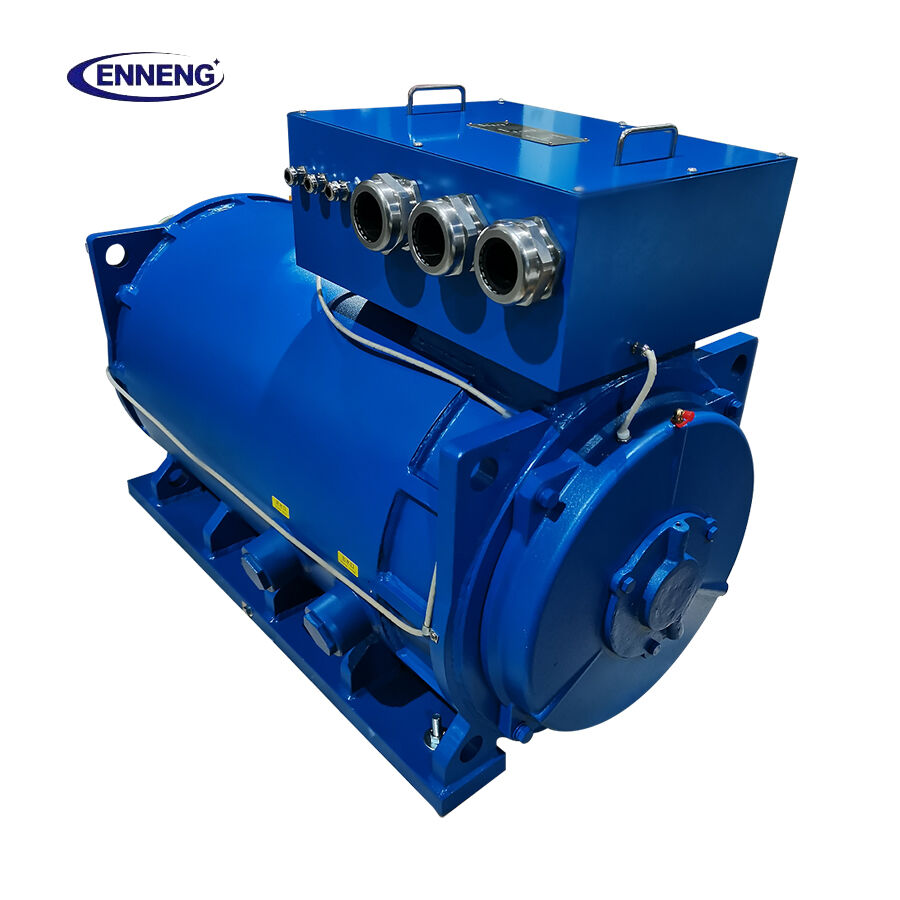
Copper winding size, conductor insulation, slot liner, impregnation resin, and lead-wire insulation form one thermal system in a Textile Machinery PM Motor. Repeated temperature swings can be more demanding than a stable elevated temperature because interfaces expand differently and small voids can worsen over time.
Instead of asking only for an insulation class, ask how the insulation system is validated for the proposed duty. A Textile Machinery PM Motor operating near a heat source or inside a compact machine frame may need a design margin beyond the nominal ambient assumption. IEC 60034-1 provides rating and performance context, but the actual duty cycle still needs application-specific review.
Varnish or resin selection should balance dielectric performance, heat transfer, adhesion, and process consistency. A resin that fills winding voids effectively can improve heat paths and reduce vibration-related movement, but cure quality matters. For a Textile Machinery PM Motor, ask how the winding pack is impregnated and what checks confirm complete, repeatable processing.
Select structural metals and joints for fatigue, not merely static strength
Shaft steel, rotor laminations, housing alloy or iron, end shields, fasteners, and key interfaces all see changing loads in a Textile Machinery PM Motor. Static strength is necessary, but cyclic loading raises questions about fatigue strength, surface finish, fit control, and stress concentrations at shoulders, keyways, or retention features.
A practical design review follows the load path from the driven element through the shaft, bearings, end shields, and housing. In a Textile Machinery PM Motor, misalignment or belt tension can turn a minor mounting issue into recurring bending load. The material decision and the mechanical interface decision must be reviewed together.
Fastener retention also deserves a practical check. Temperature cycling and vibration can reduce clamp load over time, particularly where different materials expand at different rates. If a Textile Machinery PM Motor uses bonded or mechanically retained components, request a validation plan that represents the combined temperature and vibration environment rather than a one-time assembly test.
Protect bearings, seals, and housings against lint and vibration
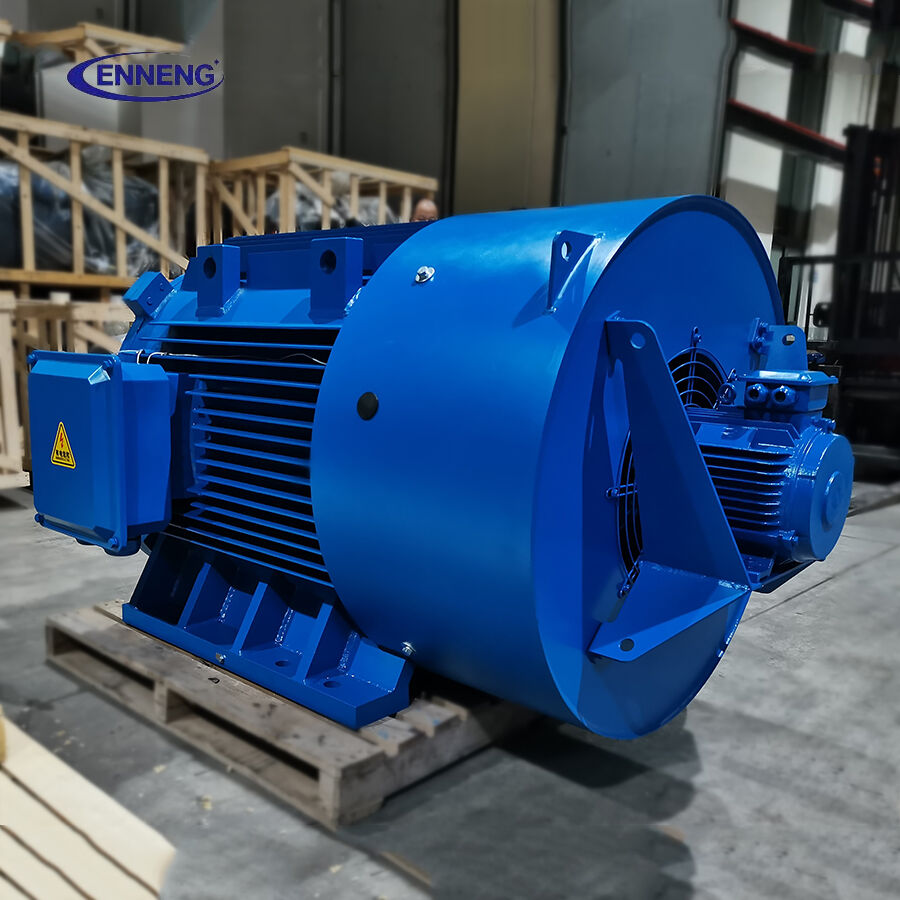
Textile environments can contain fiber, lint, and fine dust, so the enclosure and sealing materials cannot be an afterthought for a Textile Machinery PM Motor. The first numeral in an IP code describes protection against solid-object ingress; a rating should be selected for the actual contamination and cleaning practice, not treated as a universal quality label.
Seals, gaskets, cable glands, and coating systems must remain compatible with the expected heat, oils, humidity, and washdown exposure. A Textile Machinery PM Motor may need a different sealing strategy in a dry spinning area than near wet processing equipment. Higher ingress protection can also restrict heat dissipation, so it must be balanced with the thermal design.
Bearings should be selected around real radial, axial, and vibration loads, with lubrication strategy and sealing considered as one package. When high-frequency drive effects are relevant, discuss bearing-current mitigation with the motor and drive supplier. It is more precise to say that mitigation may be needed under the actual electrical system conditions than to assume every Textile Machinery PM Motor has the same bearing-current risk.
Use laminations and electrical steel as a system decision
Electrical steel grade, lamination thickness, coating, and stack processing influence losses, heat distribution, and manufacturability in a Textile Machinery PM Motor. At variable speed, the relevant operating frequency range should be part of the material review. A low-loss material choice can be undermined by poor stack bonding, burr control, or inadequate thermal contact to the housing.
Ask for a design explanation that connects core loss assumptions to the speed profile. For a Textile Machinery PM Motor, high-speed intervals, switching behavior, and cooling airflow may matter more than a catalogue comparison made at one frequency. This is also where a coordinated motor-and-inverter review can prevent material choices from being evaluated in isolation.
Turn material selection into an acceptance plan
A sound procurement approach is to translate each critical material decision into a verifiable question for the Textile Machinery PM Motor. Confirm the magnet-temperature margin, insulation-system rationale, winding impregnation process, shaft and retention fatigue assumptions, enclosure rating, bearing arrangement, and thermal path. The aim is not to demand every possible test. It is to test the failure modes most likely for the duty.
Thermal-rise evaluation, insulation checks, vibration measurement, ingress testing where applicable, and inspection of critical assemblies provide a more useful evidence package than generic claims. A Textile Machinery PM Motor should be reviewed at representative load cycles whenever feasible. If the duty or environment changes, revisit the assumptions before treating a previous design as automatically transferable.
The ENNENG Customisation Advantage
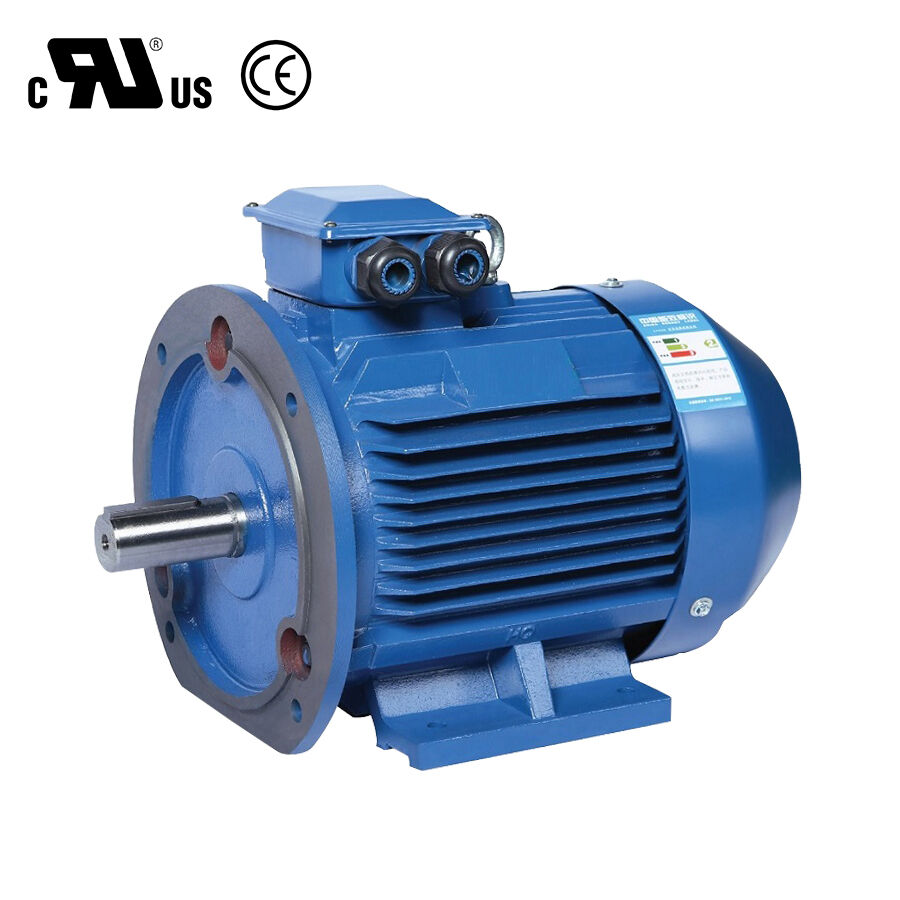
No two industrial facilities share the same spatial or mechanical constraints. ENNENG stands out because we do not just supply off-the-shelf catalogue products; we specialise in delivering a tailor-made permanent magnet motor tailored to your specific application .
Supported by our elite R&D team consisting of engineers from the National Rare Earth Permanent Magnet Engineering Centre, and backed by dozens of patents, we customise high-voltage (6kV/10kV) and low-voltage (380V/660V/1140V) solutions to match your existing footprint. From water treatment facilities and oil wells to explosion-proof mining environments, we deliver optimal performance where general-purpose motors fail .
If you are evaluating commercial permanent magnet motors for sale and need an engineered drive solution that guarantees efficiency and longevity, ENNENG is your trusted partner.Contact ENNENG Today.Speak to our technical engineering team to receive a customised drive proposal.
- WhatsApp: +86 18562780228
- E-Mail: [email protected]
- Phone: +86 532 66000559

