Field Experience: A Side-by-Side Trial on a Packaging Line
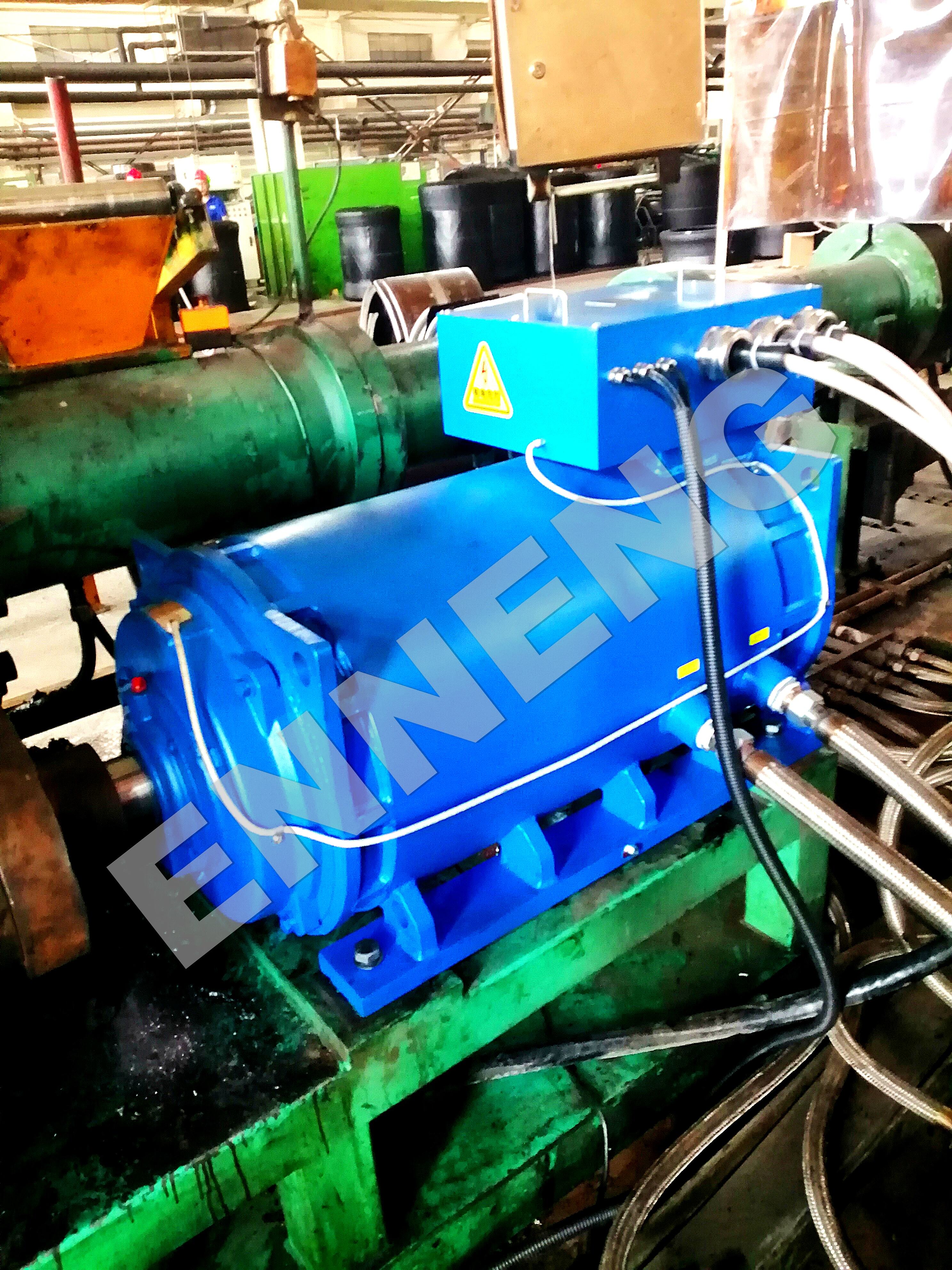
A packaging plant in Zhejiang ran a side-by-side trial of a permanent-magnet synchronous motor against the induction machine it planned to replace. The PMSM vs Induction Motor Cost question became concrete only when both units ran the same conveyor load for a full month. The plant logged energy, temperature, and downtime for each, and the permanent-magnet unit finished the month 21 percent lower on the energy line. A steel-service center ran a similar PMSM vs Induction Motor Cost comparison on a cooling fan, and the result held across a hot summer. The packaging plant later added a second permanent-magnet unit on a compressor, using the same logged profile as the baseline. Both sites kept the test notes, which later justified a fleet-wide change, and both reported that the trial paid for itself in the first quarter of data. The plant also noted that the permanent-magnet unit ran quieter, which mattered on the packed shop floor. Both plants agreed the trial changed how they buy motors, because the number now comes from the floor, not the catalogue.
Risk of Comparing Nameplate Ratings on Paper Only
The usual mistake is to compare nameplate ratings on paper and stop there. A PMSM vs Induction Motor Cost study built only on catalogue numbers misses part-load behavior, which is where permanent-magnet machines win. ENNENG prevents this by supplying a test protocol with the unit, not just a datasheet. Most buyers never see the part-load curve, because it is buried in the datasheet appendix. The risk is wasted capital when a buyer picks the cheaper induction motor and discovers the lifetime energy bill is higher. A PMSM vs Induction Motor Cost decision made without a real load profile almost always favors the wrong machine and locks the plant into a poor choice for a decade. ENNENG ships the trial protocol as a checklist, so the buyer measures the same points on both machines and avoids the paper-only trap.
Technical Comparison of Ten-Year Cost of Ownership
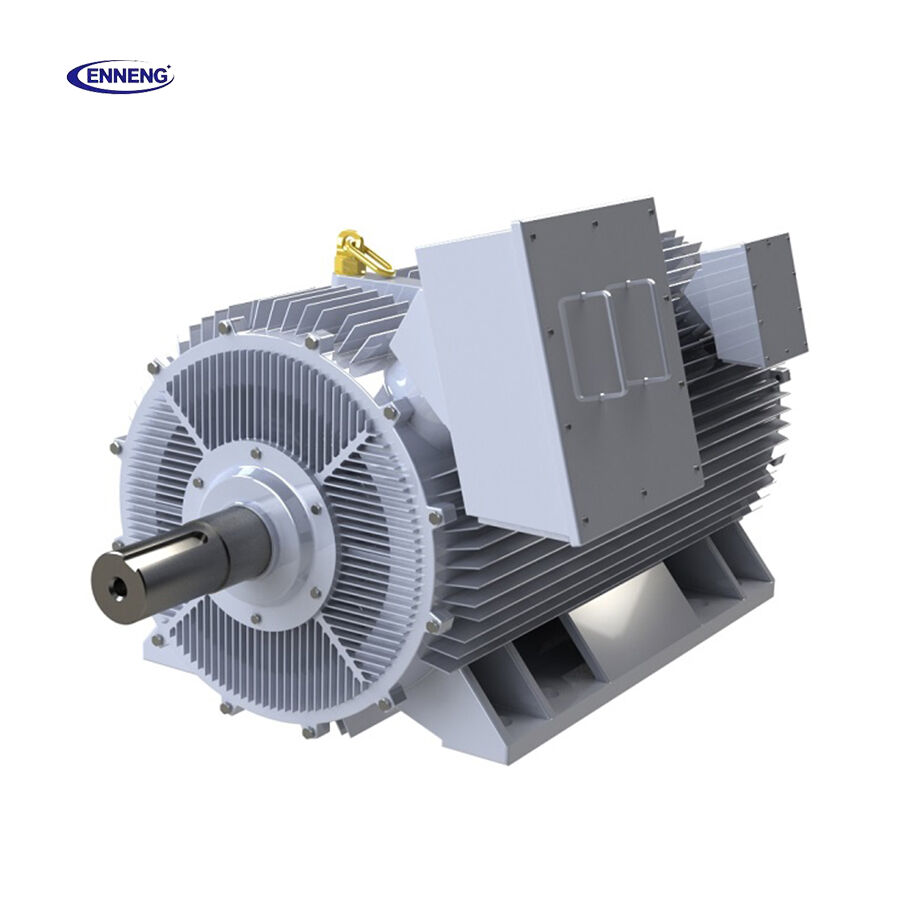
A fair PMSM vs Induction Motor Cost comparison needs the same duty on both sides and a meter on each. In the Zhejiang trial, the induction unit sat at 78 percent efficiency at 45 percent load while the ENNENG PMSM held 94 percent, so the gap widened exactly where the plant spent most hours.
|
Condition
|
Induction (IE3)
|
ENNENG PMSM (IE5)
|
|
Efficiency at 45 percent load
|
78 percent
|
94 percent
|
|
Energy cost per month
|
baseline
|
minus 21 percent
|
|
Downtime hours per year
|
about 18
|
about 11
|
|
Frame size at same kW
|
100 percent
|
about 65 percent
|
|
Ten-year energy outlay
|
high
|
lower
|
A PMSM vs Induction Motor Cost model must also count the gear stage, because the permanent-magnet unit often removes it and its losses. ENNENG low-speed direct-drive motors deliver torque at the shaft, so the comparison should drop the gearbox line from the induction side or add a direct-drive figure. ENNENG also offers the comparison as a supervised startup, where the field engineer tunes the drive during the test so the permanent-magnet result is the figure the unit can truly deliver. The PMSM vs Induction Motor Cost gap is widest on variable-duty fans and pumps, which is most of a plant's rotating load. Sites that build the model on measured data usually find the permanent-magnet option cheaper over ten years despite a higher ticket price, because the energy line dominates the total. The frame-size row matters for retrofit, because the smaller ENNENG unit often fits the existing foundation without civil work. The downtime row captures the indirect cost: fewer stops mean fewer late shipments and less overtime. A PMSM vs Induction Motor Cost sheet that ignores these rows understates the permanent-magnet advantage, so ENNENG quotes the direct-drive option with the gearbox removed and the comparison stays honest from the first line. The same discipline applies when a plant replaces a compressor or a conveyor, because the part-load hours dominate the bill in almost every rotating application. ENNENG recommends repeating the measured comparison at each stage of a fleet rollout, so the saving compounds instead of resting on a single trial.
Authoritative Standards for a Like-for-Like Motor Trial
Standards give the comparison a common language. IEC 60034-30-1 sets the IE efficiency classes that make a PMSM vs Induction Motor Cost comparison like-for-like across brands. IEC 60034-1 defines the test method, so both motors are measured the same way. ISO 50001 asks sites to base the saving claim on data, which is exactly what a PMSM vs Induction Motor Cost trial produces. IEEE 141 guides the power metering setup, so the energy line is trustworthy and auditable. A calibrated meter is the only way to settle the dispute without opinion. These references keep the comparison honest when the result goes to finance for approval. A documented method also protects the buyer when a later auditor questions the saving, because the meter data and the standard sit on the same page.
Practical Test Setup for a PMSM vs Induction Motor Cost Study
Set a PMSM vs Induction Motor Cost test on the real machine, not a bench, and run both units through the same weekly load shape for at least four weeks. Meter each motor at the input and log temperature and stop time daily. Ask ENNENG for the matched drive and the test protocol so the permanent-magnet unit is tuned, not just connected. A PMSM vs Induction Motor Cost program should report a ten-year total-owning figure, not just the purchase price. Keep the raw logs; they answer the first audit question and support the next purchase order without a second trial. Include the drive setting, the meter location, and the daily log template in the handover pack, so the next site can repeat the PMSM vs Induction Motor Cost test in a day, not a month. A short weekly review of the two logs keeps the comparison alive after the trial ends, so the saving is defended at budget time. A good trial also trains the local team to read a meter, which pays back on every later purchase because the plant stops trusting sticker numbers.
Contact ENNENG
-
WhatsApp: +86 18562780228
-
E-Mail: [email protected]
-
Phone: +86 532 66000559
-
Address: Haichuang New Energy & New Materials Industrial Park, No. 1 Guiding Road, Licang District, Qingdao, Shandong, China
FAQ
Q: How long should a PMSM vs Induction Motor Cost trial run?
A: Run the trial for at least four weeks on the real machine, because one week misses the load swings that decide the result. Meter both motors at the input and log temperature and stop time every day. A PMSM vs Induction Motor Cost comparison needs the same duty on each side, so swap the units on the same shaft rather than across machines. ENNENG supplies the protocol so the test is repeatable.
Q: Why does the induction motor look cheaper on paper?
A: The induction motor shows a lower ticket price, but a PMSM vs Induction Motor Cost study must include ten years of energy and downtime, not the purchase line. The permanent-magnet unit holds efficiency at part load, where most plants actually run, so the lifetime energy bill falls. The gear stage on the induction side adds loss and service that the direct-drive permanent-magnet option removes. Buyers who stop at the sticker usually pick the dearer machine over its working life.
Q: What data proves the permanent-magnet motor wins?
A: The proof is a matched input-meter reading over the real load shape, showing lower energy per unit of output and fewer stop hours. A PMSM vs Induction Motor Cost comparison should also record winding temperature, because a cooler motor lasts longer. ENNENG recommends logging at least four weeks so the part-load hours are included. Finance reads the ten-year total-owning figure, which is the number that survives an audit and supports the fleet-wide order.

 EN


