
what-risk-factors-need-to-be-assessed-in-advance-for-enterprise-energy-saving-motor-solution-promotion-project, what-risk-factors-need-to-be-assessed-in-advance-for-enterprise-energy-saving-motor-solution-promotion-project, /blog
EN

2026/10/15
When large manufacturing corporations, chemical conglomerates, and metallurgical groups roll out a plant-wide Energy Saving Motor Solution to meet carbon-neutrality mandates and reduce operating overhead, executive boards expect guaranteed kilowatt-hour reductions and uninterrupted production. However, enterprise-scale energy retrofit programs frequently stall or underperform when project planners apply a one-size-fits-all motor replacement strategy across hundreds of diverse machines. Failing to assess actual duty-cycle load profiles, power grid harmonic distortion, spare-parts standardization, and ambient thermal constraints in advance can lead to overestimated energy savings, nuisance VFD trips, and bloated inventory costs.
A successful plant-wide motor modernization is not merely a component purchase; it is an integrated electromechanical systems engineering project. Replacing lightly loaded or intermittent-duty motors yields poor financial payback, while deploying variable-speed permanent magnet drives without auditing upstream transformer harmonics can disrupt sensitive factory automation networks. Partnering with ENNENG to deploy a customized, risk-vetted Energy Saving Motor Solution ensures that every upgraded drive asset delivers verified ISO 50001 kilowatt savings and rock-solid operational reliability.
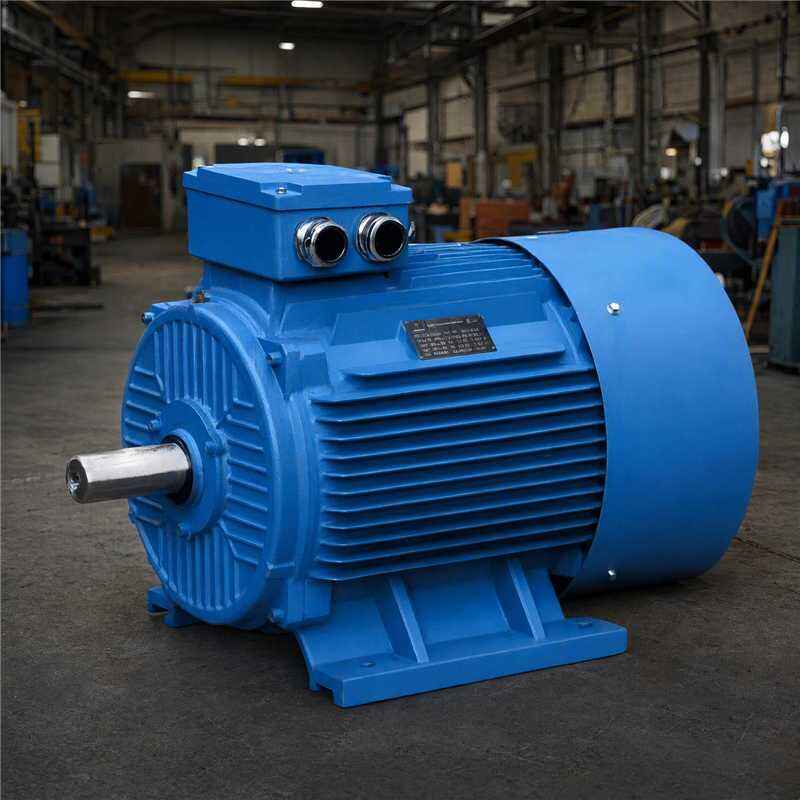
The most common financial risk in an enterprise Energy Saving Motor Solution promotion project is estimating kilowatt-hour savings based on motor nameplate ratings rather than measured field load profiles. In many industrial plants, legacy asynchronous motors were historically oversized by 20% to 40% by OEM equipment builders. If an energy audit assumes a 200kW motor runs at 100% load for 8,000 hours when it actually operates at 45% load for 4,000 hours, projected payback timelines will be severely distorted—unless the selected motor technology specifically targets partial-load reactive losses.
Implementing a comprehensive Energy Saving Motor Solution across an industrial enterprise requires advance engineering assessment across three systemic risk areas:
One major operational risk for large enterprises is spare-parts fragmentation across multiple factory branches. ENNENG mitigates this risk by engineering its Energy Saving Motor Solution portfolio across a unified voltage range of 110V–690V with modular IEC and NEMA mounting interfaces. Because ENNENG permanent magnet motors operate at a near-unity power factor (0.95 to 1.00) compared to 0.70–0.85 for partially loaded induction motors, rolling out an ENNENG Energy Saving Motor Solution across a facility lowers total feeder current by over 10%—recovering substantial kVA capacity on aging plant substations. In addition to industrial motor upgrades, ENNENG extends enterprise energy solutions to waste-heat and renewable power generation, supplying permanent magnet generators across a unified 5kW–5MW power range (110V–690V) and vertical axis wind turbines spanning 1kW–10kW (focusing on 3kW, 5kW, and 10kW models).
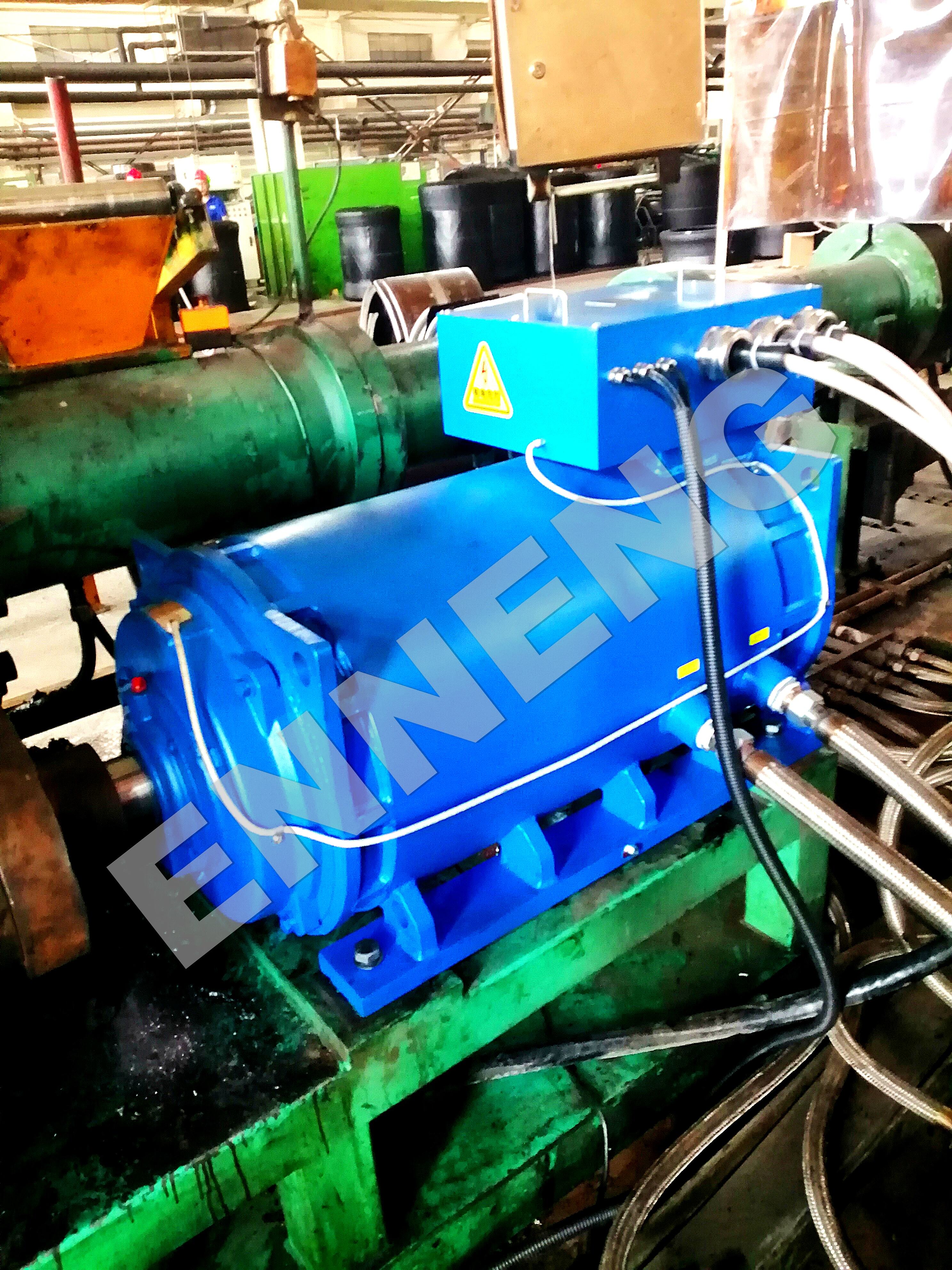
Enterprise energy-saving projects financed through corporate green bonds or Energy Performance Contracting (EPC) require auditable measurement and verification (M&V) protocols. ENNENG supports enterprise compliance with ISO 50001 energy management systems and the International Performance Measurement and Verification Protocol (IPMVP) by providing certified IEC 60034-2-1 efficiency test reports and IEC TS 60034-30-2 (IE5) loss matrices. Furthermore, system-level drive integration adheres to IEEE 519 harmonic control standards, ensuring total voltage and current distortion at the point of common coupling (PCC) remains within strict utility limits.
When a multi-site industrial group launches a phased Energy Saving Motor Solution across hundreds of circulating water pumps, induced-draft fans, and air compressors, prioritizing high-running-hour assets (>5,000 hours/year) first generates immediate positive cash flow that self-funds subsequent retrofit phases.
To de-risk an enterprise Energy Saving Motor Solution promotion project before full-scale procurement, execute this four-stage engineering assessment:
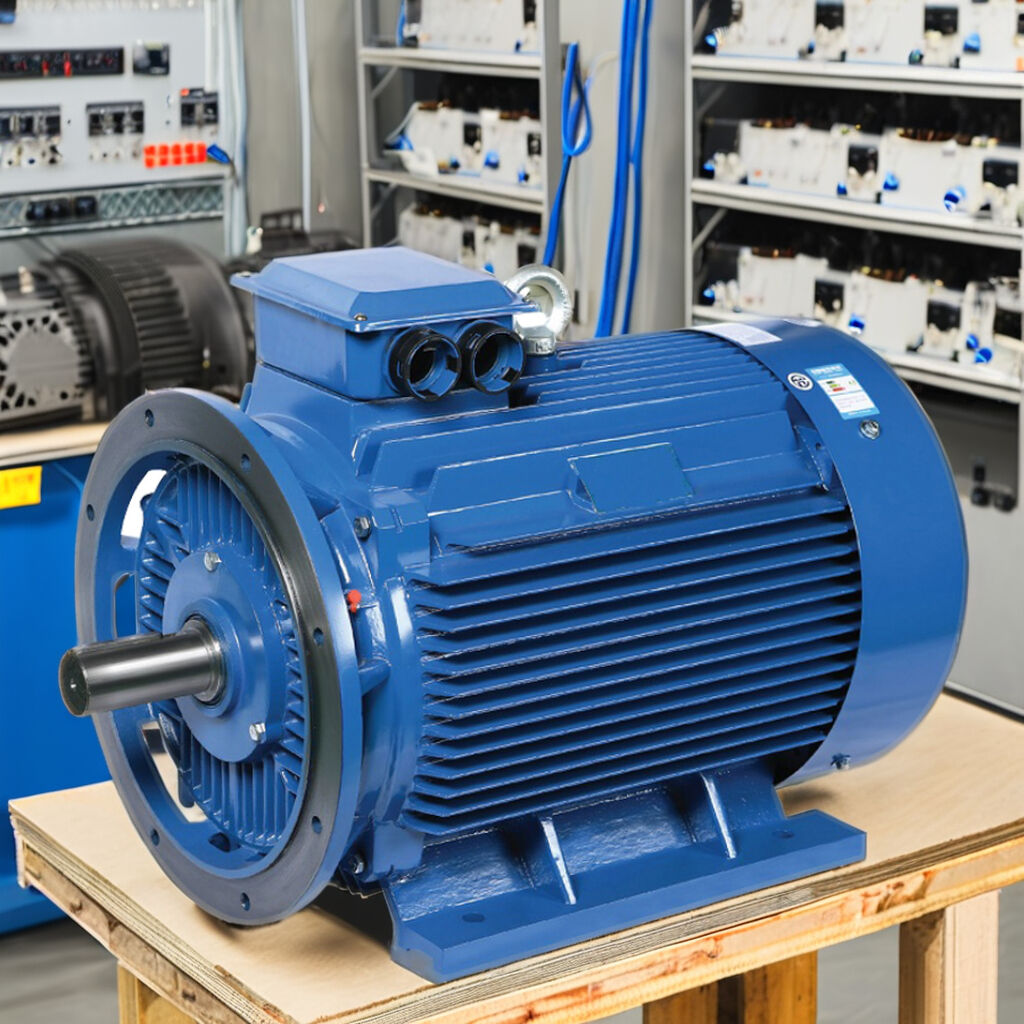
Enterprise energy transformation demands more than catalog hardware; it requires tailored engineering adaptation for diverse industrial processes. ENNENG partners directly with corporate engineering teams to customize each Energy Saving Motor Solution—delivering application-specific direct-drive or standard-speed PMSM designs, harsh-environment IP65/IP66 enclosures, and integrated VFD control packages across 110V–690V that guarantee predictable ROI.
Contact ENNENG Today.
Consult the ENNENG enterprise energy engineering team to conduct a pre-project risk assessment and receive a customised Energy Saving Motor Solution roadmap.
A: The most frequent error is calculating expected savings from nameplate kilowatt ratings rather than actual operating load factors. Many industrial motors run at 40% to 60% partial load where standard induction motor efficiency plummets. An ENNENG Energy Saving Motor Solution uses permanent magnet synchronous technology that maintains flat, ultra-high efficiency across partial loads, securing reliable kilowatt-hour savings.
A: Upgrading multiple fixed-speed motors to variable-frequency-driven permanent magnet systems introduces power electronics switching onto the factory distribution grid. Assessing transformer impedance and incorporating DC link reactors or harmonic filters in compliance with IEEE 519 prevents voltage distortion, capacitor bank resonance, and PLC interference across the enterprise.
A: ENNENG engineers its Energy Saving Motor Solution series and rotating electrical machinery across a unified voltage range of 110V–690V. To support comprehensive factory decarbonization and microgrid projects, ENNENG also manufactures permanent magnet generators across a unified 5kW–5MW power range and vertical axis wind turbines spanning 1kW–10kW (focusing on 3kW, 5kW, and 10kW models).


 EN