
what-risks-will-users-encounter-during-retrofit-induction-to-pmsm-renovation-for-old-workshops, what-risks-will-users-encounter-during-retrofit-induction-to-pmsm-renovation-for-old-workshops, /blog
EN

2026/09/15
Replacing an aged induction machine with a permanent magnet unit looks simple on paper, but an old workshop hides problems a new build never shows. The retrofit project must respect existing wiring, control gear, and duty history that no drawing captures fully. The saving is real, yet the path carries risks that surface only after the old motor is on the bench and the new one will not drop in cleanly. Most delays trace to the interface between the new machine and the building it joins, not to the motor itself.
One pump house planned a Retrofit Induction to PMSM on three old water pumps to cut the power bill. The team sized the new units from the nameplates and skipped the control review. On start-up the drives faulted against relays that expected an induction inrush, and one pump ran hot because the real duty was heavier than the plate suggested. The retrofit slipped by two weeks and cost extra labor, because the change had been scoped as a swap rather than a system change.
Aging workshops carry undocumented loads, tired cables, and controls tuned to the old machine's behavior. The new drive changes how current, speed, and torque look to that infrastructure, so relays, meters, and protection may misread the new unit. Dust, moisture, and loose connections add failure modes the new motor did not cause but will expose. The Retrofit Induction to PMSM therefore inherits the building's hidden age, and the risk lives in the interface, not only in the motor itself. A site that last rewired the panel a decade ago may not match the drawing on the wall, and that gap is where the retrofit meets reality.
The risks fall into a few repeatable buckets: electrical and control mismatch, and thermal or duty misjudgment. A Retrofit Induction to PMSM plan that names each bucket early avoids the surprises that turn a saving into a stoppage.
The new drive draws and signals differently from the old induction machine, so protection setpoints and control loops need rework. A Retrofit Induction to PMSM paired with relays sized for induction inrush can trip on normal start or fail to trip on a fault. Field wiring, earthing, and metering may also need updating to read the permanent magnet unit correctly. The Retrofit Induction to PMSM succeeds when the electrical interface is redesigned, not merely reconnected, before the first energization.
Old nameplates lie about real duty, because wear, process change, and ambient shift the load over years. A Retrofit Induction to PMSM sized from the plate alone may run outside its best efficiency or thermal band, eroding the expected saving and stressing the winding. Measuring the actual duty before selection closes that gap. The Retrofit Induction to PMSM should be matched to the measured load profile, so the unit earns its rating instead of guessing at a number the old plate no longer reflects.
Efficiency and electrical safety rules turn the retrofit into a compliant, auditable job. A Retrofit Induction to PMSM done against them saves energy and passes inspection, which is why the standard should lead the plan.
IEC 60034-30-1 classifies motor efficiency and places permanent magnet machines on the IE5 path, the basis for the saving a Retrofit Induction to PMSM promises. Specifying to the class lets a site prove the gain against the old induction unit with tested numbers. The standard also frames the measurement method, so the Retrofit Induction to PMSM is judged on real efficiency rather than a catalog claim that the old workshop could not verify.
NFPA 70, the National Electrical Code, governs wiring, protection, and grounding for the new installation, and OSHA electrical safety rules cover lockout and safe work on live equipment. A Retrofit Induction to PMSM must meet both during removal and connection, because old panels add shock and arc-flash exposure. Following the codes turns a risky swap into a controlled job, and the Retrofit Induction to PMSM earns approval because the interface was built to rule, not to convenience.
Choosing and executing the job means treating it as a system change. A Retrofit Induction to PMSM performs to its rating only when planning and care match the actual old site, not the ideal one.
Measure the real load, speed, and duty before quoting, and list the existing protection, control, and cable condition. A Retrofit Induction to PMSM should arrive with a duty rating for the measured profile and a drive matched to the old interface. Confirm the electrical redesign, earthing, and metering updates, and ask for the efficiency test data. A short site survey before the order prevents most of the surprises that extend the job. When the Retrofit Induction to PMSM is scoped this way, the workshop avoids the start-up faults that a nameplate-only swap invites.
Commission against a written plan: verify protection setpoints, run a loaded test, and log temperature and current on the new unit. A Retrofit Induction to PMSM should get a follow-up check after the first month, because hidden interface issues surface under real duty. Keep the old duty record and the new readings together, and train the staff on the drive behavior. Document the old load and the new reading side by side so the next technician sees the full picture. The Retrofit Induction to PMSM stays safe when the commissioning discipline carries into routine inspection of the changed system.
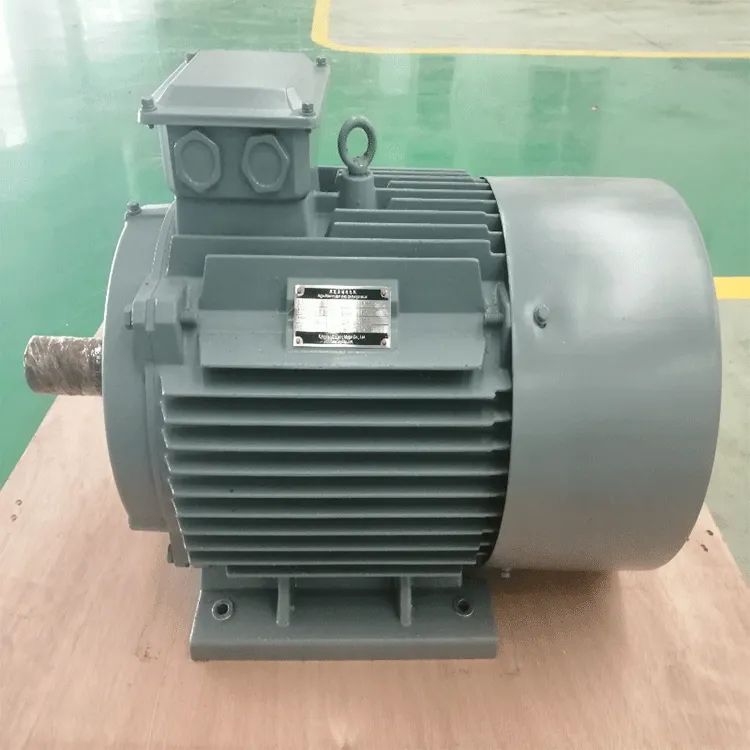
An old workshop hides undocumented loads, tired cables, and controls tuned to the old machine, none of which a new build carries. A Retrofit Induction to PMSM changes how current and torque look to that infrastructure, so relays and meters may misread the unit. The risk lives in the interface and the building's hidden age, and treating the job as a simple swap is what turns a saving into a stoppage.
The electrical interface usually fails first: protection set for induction inrush trips on normal start, or fails to trip on a fault. A Retrofit Induction to PMSM also exposes loose connections and damp joints the old motor tolerated. Thermal misjudgment comes next, when the new unit runs outside its band because the real duty exceeded the old plate. Naming these early keeps the retrofit on schedule and safe.
IEC 60034-30-1 classifies efficiency and places permanent magnet machines on the IE5 path, the basis for the promised saving. NFPA 70 governs the wiring, protection, and grounding of the new installation, and OSHA rules cover safe lockout and live work. A Retrofit Induction to PMSM done to these standards saves energy and passes inspection, because the interface was built to rule rather than to convenience on site.
Measure load, speed, and duty cycle on the running induction machine before quoting, because wear and process change shift the real profile away from the nameplate. A Retrofit Induction to PMSM sized from the plate alone may miss the best efficiency or thermal band. Logging current and temperature over a representative week gives the data to match the new unit, so it earns its rating instead of guessing at a stale number.
Sometimes, but only after a review, because the new drive signals and draws differently from the old induction machine. A Retrofit Induction to PMSM may need protection, metering, and loops reworked so relays read it correctly. Reusing tired gear without checking earthing and condition invites faults. The safe path is to redesign the interface and keep only the components proven fit for the permanent magnet unit's behavior.
Commission against a written plan: verify protection setpoints, run a loaded test, and log temperature and current on the new unit. A Retrofit Induction to PMSM deserves a follow-up check after the first month, because hidden interface issues surface under real duty. Keep the old and new records together and train staff on drive behavior, so the changed system stays safe long after the initial swap is complete.


 EN