
what-scheme-design-mistakes-should-engineers-avoid-during-retrofit-induction-to-pmsm-project-planning, what-scheme-design-mistakes-should-engineers-avoid-during-retrofit-induction-to-pmsm-project-planning, /blog
EN

2026/10/27
A Retrofit Induction to PMSM project is easy to oversimplify. The existing machine has a frame, shaft, load and wiring already in place, so it can look like a motor substitution exercise. It is not. A permanent magnet synchronous motor changes the torque-producing mechanism, the control requirements and sometimes the mechanical and thermal margins that made the induction-motor installation work. As an engineer reviewing load curves and commissioning records, I would start with the duty cycle and system interfaces before comparing efficiency figures.
This matters because a Permanent Magnet Motor PMSM can be an appropriate route to better part-load operation, controllability or package size in some applications. But the benefit depends on the complete scheme. A plan that treats the motor, drive, load and installation as separate purchases can deliver a technically plausible specification that is difficult to commission or unreliable in service.
The first design mistake in a Retrofit Induction to PMSM study is to copy the old motor nameplate rating into the new specification. Nameplate kW is one boundary condition, not a load model. Capture speed, torque, starts per hour, acceleration time, overload events, dwell periods, ambient temperature and the load's inertia. For pumps and fans, also record whether the process normally runs far below rated speed; for conveyors, mixers and hoists, identify breakaway and transient torque.
IEC duty descriptions make the distinction useful: continuous operation and intermittent periodic operation do not create the same thermal demand. A motor that appears generously rated during short tests may accumulate heat during the real cycle. Conversely, an oversized selection can move operation away from the intended efficiency region and increase cost. Build a time-based torque-speed profile and have the motor supplier evaluate it with the proposed cooling method.
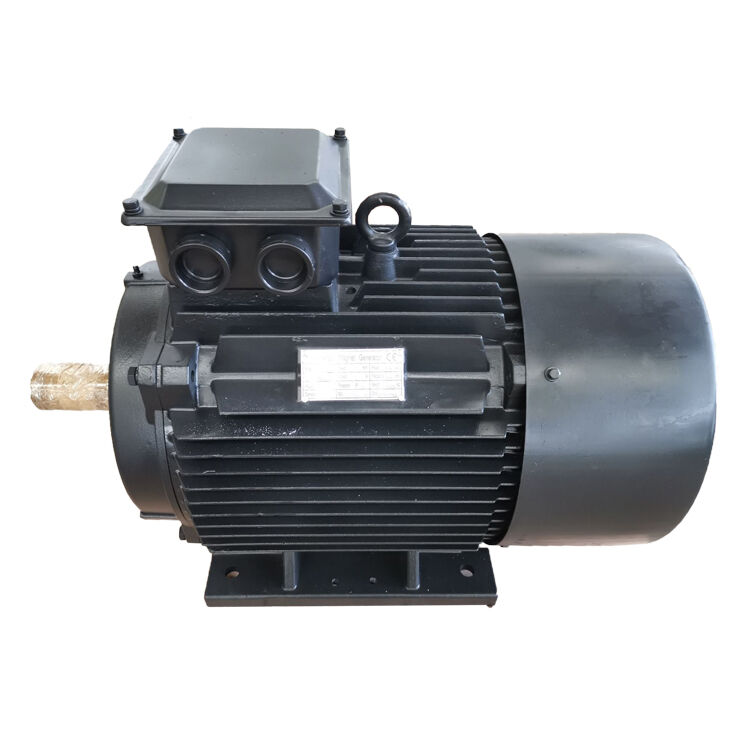
A conversion concept is weak if it checks rated torque, maximum speed and starting torque in separate spreadsheets. The drive must accelerate the combined motor-and-load inertia within the required time, sustain process torque across the usable speed range and remain stable during disturbances. The limiting condition is frequently not the steady-state point.
For each operating case, define commanded speed, load torque, acceleration or deceleration time, reflected inertia and allowable current. Then examine low-speed operation, regeneration during deceleration and stall-recovery behavior. A Permanent Magnet Motor PMSM has no rotor slip in the usual induction-motor sense, so the selected control mode, current limits and feedback method must be considered together. Do not assume that a drive sized only by nominal current will manage the transient energy or control accuracy the machine requires.
Another frequent Retrofit Induction to PMSM error is to regard the installed VFD as interchangeable. Verify that it supports the intended PMSM control method, motor data entry, autotuning process and feedback hardware. Sensorless control may be suitable for some operating ranges, but a low-speed, high-torque or precise-positioning application may need an encoder or resolver and a drive designed to use it.
Review supply voltage, braking method, DC-bus energy, EMC practices, motor-lead length, output filtering and grounding as one interface package. Inverter-fed insulation and voltage-reflection risks should be assessed against the applicable project standard and the drive supplier's limits. Saying that a motor is “inverter duty” is not a substitute for documenting the actual cable, switching and grounding conditions.
The old frame size does not prove that the retrofit will fit. Check shaft diameter and key, flange and foot dimensions, mounting tolerance, coupling alignment, available axial clearance, bearing loads and service access. If the new rotor inertia, bearing arrangement or shaft height differs, the coupling and driven equipment may see a different mechanical condition even when the motor bolts to the same base.
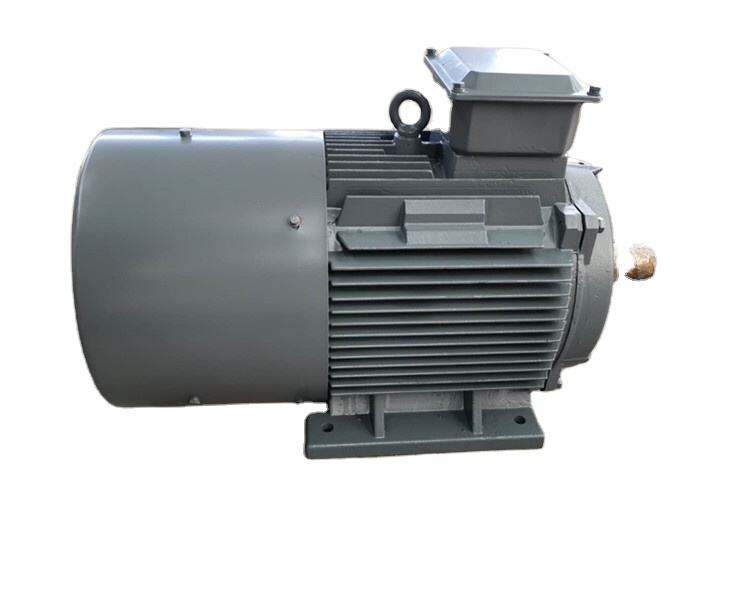
This is where a site survey pays for itself. Measure rather than infer. Record the driven-machine shaft position, base flatness, guard clearance, cable-entry direction and lifting path. If the motor is part of a gearbox train, include torsional behavior and starting shock in the review. The shift from evaluating a component in isolation to evaluating its installation is often what prevents a correct motor specification from becoming a poor retrofit.
Thermal planning deserves its own design gate. Ambient temperature, altitude, enclosure, airflow, contamination, washdown exposure and installation orientation affect usable output. A Permanent Magnet Motor PMSM can be efficient, but efficiency does not remove the need to reject heat at the actual site. If the ambient stays within the design boundary and airflow is maintained, the proposed rating may be reasonable; if either assumption changes, recheck the derating before freezing the design.
At low speed, shaft-mounted fan cooling may be less effective. If the process demands high torque at low speed for long periods, consider whether independent ventilation, liquid cooling or a different motor rating is required. Also document the protection level and corrosion environment rather than copying the existing motor's enclosure code without inspection.
Protection settings are not a commissioning afterthought. Determine the required response to overload, phase loss, overtemperature, encoder fault, overspeed, jam, loss of cooling and abnormal regenerative energy. Map signals between the VFD, local controls, PLC and emergency-stop architecture. A project that only asks whether the motor will run can miss what must happen when it cannot run safely.
Define alarm priorities, reset conditions, safe torque off requirements where applicable, and who owns each interlock. Verify that sensors, thermal switches and feedback devices are compatible with the selected control hardware. During a Retrofit Induction to PMSM project, retaining old field wiring without a point-to-point review is an avoidable source of commissioning delays.
A retrofit needs measurable acceptance criteria before procurement. Use the duty profile to agree on tests such as no-load current, loaded current, speed regulation, temperature trend, vibration, noise, acceleration time, protection response and process output. Establish the test conditions, instruments, tolerances and sign-off responsibility in the scheme-design package.
Do not promise a universal efficiency gain or a particular payback period without measured baseline data. The more useful question is whether the conversion meets a defined process duty with acceptable thermal and mechanical margin. A supplier with pre-sales application support can help convert site data into a reviewable motor-and-drive specification, but the engineering team should retain the operating assumptions and acceptance criteria as project-controlled documents.
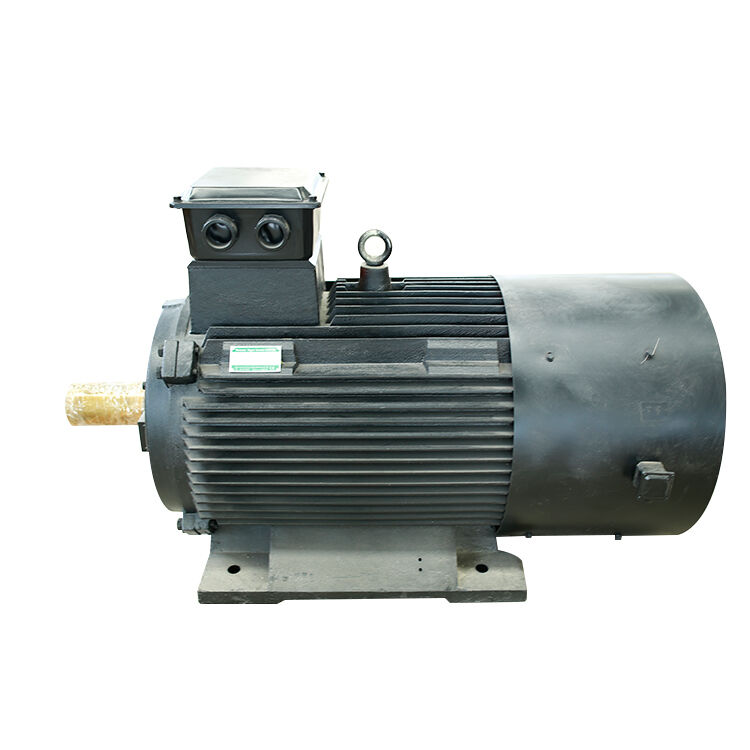
No two industrial facilities share the same spatial or mechanical constraints. ENNENG stands out because we do not just supply off-the-shelf catalogue products; we specialise in delivering a tailor-made permanent magnet motor tailored to your specific application .
Supported by our elite R&D team consisting of engineers from the National Rare Earth Permanent Magnet Engineering Centre, and backed by dozens of patents, we customise high-voltage (6kV/10kV) and low-voltage (380V/660V/1140V) solutions to match your existing footprint. From water treatment facilities and oil wells to explosion-proof mining environments, we deliver optimal performance where general-purpose motors fail .
If you are evaluating commercial permanent magnet motors for sale and need an engineered drive solution that guarantees efficiency and longevity, ENNENG is your trusted partner.Contact ENNENG Today.Speak to our technical engineering team to receive a customised drive proposal.
The useful outcome of a Retrofit Induction to PMSM assessment is not a faster purchase order. It is a traceable scheme showing why the selected motor, drive, mechanics and protections fit the real duty. Begin with measured operating conditions, test the edge cases, and turn unresolved assumptions into review actions. That approach gives a Permanent Magnet Motor PMSM conversion a better chance of delivering controllable, maintainable operation instead of an expensive commissioning surprise.


 EN