
what-sitematching-issues-may-appear-when-carrying-out-retrofit-induction-to-pmsm-projects, what-sitematching-issues-may-appear-when-carrying-out-retrofit-induction-to-pmsm-projects, /blog
EN

2026/09/08
A food plant swapped a 55 kW induction motor for a permanent-magnet unit on a compressor without a full site survey. The new machine fit the footprint, but the first automatic start drew a current spike that dropped the section breaker. Production stopped for a day while the drive parameters were re-tuned. A Retrofit Induction to PMSM done this way trades a small efficiency win for a large reliability risk, and the fault lay in matching, not in the motor itself.
The original induction motor tolerated rough starts because slip let it ease into speed. The permanent-magnet rotor, by contrast, locks to the drive frequency and reacts sharply to a mismatch between commanded and actual speed. During the Retrofit Induction to PMSM commissioning, the drive accelerated too fast for the load inertia, the current clamp tripped, and the compressor never reached pressure before the safety opened.
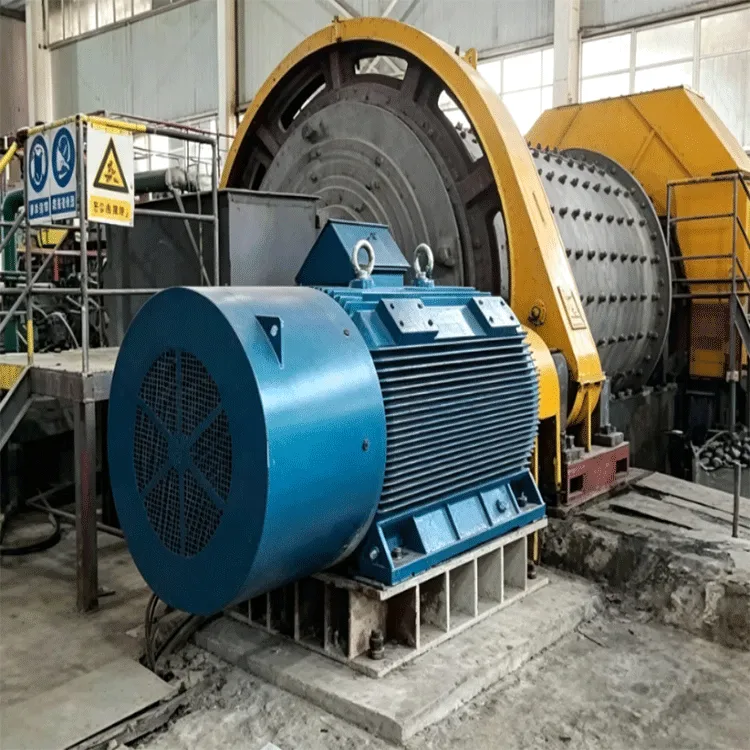
Nobody had logged the real load curve or the existing cable rating before the change. The Retrofit Induction to PMSM plan assumed the old nameplate matched the duty, but the compressor actually ran near full torque at low speed during unload. Without that data the drive limits were set blind, and the plant paid for the gap in downtime rather than in engineering time up front.
Most retrofit failures are not electrical faults but mismatches between the new machine and the old system around it. A Retrofit Induction to PMSM must respect the frame, the inertia, and the power chain, or the savings disappear into breakdowns and nuisance trips that nobody budgeted for.
Even when the kilowatt rating matches, the shaft center height and flange pattern may differ, so the coupling, base, and pipe alignment shift. A Retrofit Induction to PMSM that drops the shaft by a few millimeters strains the coupling and vibrates the bearing. Measure the old center height and bolt circle before ordering, and machine the base if needed rather than forcing the alignment with shims that walk loose under load.
Load inertia decides how fast the drive can accelerate without overcurrent. A Retrofit Induction to PMSM on a high-inertia fan needs a long ramp and often a larger drive, because the rotor must pull the mass up to speed against windage. Underestimate inertia and the project repeats the food-plant trip. Weigh the rotating assembly or read the OEM inertia table, then set the ramp to the real number, not a guess.
Drive and cable compatibility also matters. Permanent-magnet rotors need drives that inject the right current angle, and older variable-frequency drives may not support the control mode. A Retrofit Induction to PMSM also raises switching-frequency concerns that stress cable insulation and bearings. Confirm the drive firmware, use shielded cable with proper grounding, and fit a shaft grounding ring where the manufacturer recommends it to avoid fluting damage.
The efficiency case is real, but it only holds when the new motor is matched to the actual duty rather than to a catalog point. A Retrofit Induction to PMSM that ignores load shape spends its saving on callbacks, and the operator loses confidence in a technology that was never the problem.
Map the duty cycle for a full week before specifying anything. A Retrofit Induction to PMSM pays best where the load runs below 70 percent for long stretches, because that is where induction loss grows. If the machine sits at full load all day, the gain shrinks and the retrofit may not clear its cost. The profile also sets the cooling and torque margins that keep the new motor inside its rating.
Many induction retrofits rely on a shaft fan that slows with the rotor, but a permanent-magnet unit at low speed still needs cooling for the inverter and windings. A Retrofit Induction to PMSM should include a forced or independent cooling path when the duty spends time at reduced speed. Without it, the inverter overheats first and the motor follows, and the failure looks like a quality problem rather than a thermal one. A small independent fan on the inverter solves most cases at low cost and removes the risk during long low-speed runs that the original plan overlooked.
Safe, repeatable retrofits lean on published standards and disciplined records. A Retrofit Induction to PMSM that follows IEC 61800 and NEMA MG 1 avoids the common traps, and a clean handover file keeps the next service team from repeating the mistakes of the first week.
IEC 61800 covers adjustable-speed drive systems and guides the matching of motor, drive, and load, while NEMA MG 1 sets motor dimensions and performance expectations that keep a replacement physically and electrically compatible. A Retrofit Induction to PMSM should cite both when the drive and frame are selected, so the parts list survives review by the plant engineer rather than triggering a rejection at procurement.
Lock out the supply per OSHA 29 CFR 1910.147 before any work, then verify insulation, rotation, and vibration under load. A Retrofit Induction to PMSM should leave a commissioning report with baseline currents, temperatures, and drive settings, because that file turns a one-off fix into a managed asset. Suppliers such as Enneng Motor typically provide a test sheet that slots straight into the plant maintenance record.
The biggest risk is poor load matching, because the new motor is only as good as the duty data behind it. A Retrofit Induction to PMSM that skips the load profile often trips on inertia or runs hot at low speed, which the operator blames on the technology. Survey the real curve, set the drive ramp to the measured inertia, and confirm cooling before the first automatic start to avoid that failure.
Sometimes, but only if the firmware supports permanent-magnet control and the current rating covers the new machine. A Retrofit Induction to PMSM with an old induction-only drive will not inject the correct current angle, so the rotor fights the field and loses efficiency. Read the drive manual for PMSM or sensorless vector support, and budget a drive change if the feature is absent or the cable is undersized.
Measure the shaft center height, flange pattern, and bolt circle on the removed motor, then compare against the replacement drawing. A Retrofit Induction to PMSM that ignores a few millimeters of center-height difference vibrates the coupling and shortens bearing life. Machine the base or use an adapter rather than forcing alignment, and confirm the shaft diameter matches the existing coupling bore before delivery.
IEC 61800 governs the drive system that a Retrofit Induction to PMSM depends on, and NEMA MG 1 covers motor dimensions and performance for physical compatibility. OSHA 29 CFR 1910.147 sets the lockout rules for safe work, and NFPA 70E addresses electrical safety during commissioning. Cite these in the method statement so the plant engineer can approve the plan without a separate review.
A straightforward Retrofit Induction to PMSM on a single pump may take a day including alignment and test run, but a high-inertia or multi-motor job needs two to three days with load logging. The critical path is the drive tuning and the baseline capture, not the mechanical swap. Plan for a supervised run under real load before signing off, because no-load testing hides the faults that matter.
A Retrofit Induction to PMSM should deliver a test sheet with no-load current, insulation resistance, vibration, and the drive parameter set used at commissioning. Keep these with the asset file so the next service team starts from data, not memory. Suppliers such as Enneng Motor provide a documented factory test, which the plant can compare against the site baseline to spot drift early.


 EN