
what-special-mechanicalinterface-solutions-can-custom-pm-motor-design-supply-for-legacy-industrial-machinery, what-special-mechanicalinterface-solutions-can-custom-pm-motor-design-supply-for-legacy-industrial-machinery, /blog
EN

2026/09/10
A packaging plant in Guangdong ran a 1990s filling line whose original motor had failed and the maker no longer existed, leaving a non-standard shaft and a footprint that no catalogue unit matched. The plant faced scrapping a working machine until it commissioned a Custom PM Motor Design that copied the old mounting, extended the shaft to the exact length, and kept the same cooling path. The line restarted with higher efficiency and no change to the surrounding steel, saving the machine from the scrap bay on the floor.
A legacy machine often carries a shaft size, flange, or bolt pattern that left the standard range decades ago, so a off-the-shelf motor will not bolt in. A Custom PM Motor Design starts from the existing interface, because the most economical retrofit is the one that fits without cutting the frame. The alternative is rebuilding the machine, which costs more than the motor and stops the line for weeks at the plant.
A legacy line may be old, but it still runs and still spends energy, so replacing the motor is a chance to cut the bill. A Custom PM Motor Design keeps the interface yet upgrades the rotor to permanent-magnet efficiency. The plant gets a modern, efficient drive without disturbing the machinery the production depends on each shift, and without a new foundation pour.
The value is in matching the old machine exactly, and that means building to the interface, not forcing the machine to the motor. A Custom PM Motor Design covers several specific adaptations that a catalogue unit cannot offer the plant.
A Custom PM Motor Design can reproduce a discontinued flange or foot bolt pattern so the unit drops onto the existing bedplate. The bolt circle, pilot diameter, and shaft height are matched to the original drawing, so no machining of the frame is needed. The plant avoids the downtime and cost of altering the surrounding steel that the production line was built around decades ago.
The shaft is often the hardest part to match, and a Custom PM Motor Design extends or steps the shaft to the exact length and diameter the coupling needs. The keyway, thread, or taper is cut to the old specification so the existing coupling fits without rework on the floor. Matching the shaft is what lets the legacy machine run unchanged after the swap is complete and tested.
A Custom PM Motor Design can keep the original cooling method, whether finned frame or forced air, and add an encoder or resolver in the same envelope. The sensor matches the drive the plant already runs, so the control needs no rewrite of the software. Integrating these in the build avoids field modifications that delay the restart and risk the commissioning schedule at the site.
A Custom PM Motor Design still meets the rotating-machine codes, because a non-standard interface does not excuse a non-compliant motor. The drawings and the test report are what the plant files for the audit and the next review of the line.
IEC 60034 covers rating and dimensions for metric builds, while NEMA MG 1 guides dimensions and performance for North American frames, and a Custom PM Motor Design is built to whichever the legacy machine follows. The standard keeps the custom unit interchangeable on paper even when the interface is unique to the old line. The nameplate still carries the class and the rating the plant expects.
ISO 10816 sets vibration limits the Custom PM Motor Design must meet after fitting, since a mismatched interface can trip the balance on the shaft. IEEE 112 is the efficiency test method, so the upgraded rotor's saving is measured, not claimed by the supplier. Both standards keep the custom unit honest against the plant's existing machines and the baseline recorded before the swap.
The project lives or dies on the information exchanged before cutting metal, because the interface is the spec that binds the job. A Custom PM Motor Design needs the old drawings, not a power guess from the nameplate alone.
Send the original drawing, shaft dimensions, and cooling layout, then confirm the Custom PM Motor Design matches each before build begins. A vague request invites a motor that needs field machining, which defeats the purpose of the retrofit at the plant. The plant should treat the old interface as the binding specification for the new unit and the supplier's quote.
Build a sample, test it to IEC 60034 and IEEE 112, and trial it on the machine before the full order is released. A Custom PM Motor Design proves the fit on one unit, so the plant avoids a batch that cannot bolt in on the line. Enneng Motor reviews the legacy drawing and supplies the test point so the interface is confirmed before sign-off and shipment.
A Custom PM Motor Design also shortens the risk of a wrong-fit batch, because the prototype step confirms the interface before volume is cut. The plant avoids receiving a run of motors that cannot bolt in, which would stall the line and waste the order. A Custom PM Motor Design that proves the fit on one unit turns a gamble into a measured change, and the legacy machine returns to service with a modern, efficient rotor and no alteration to the steel around it.
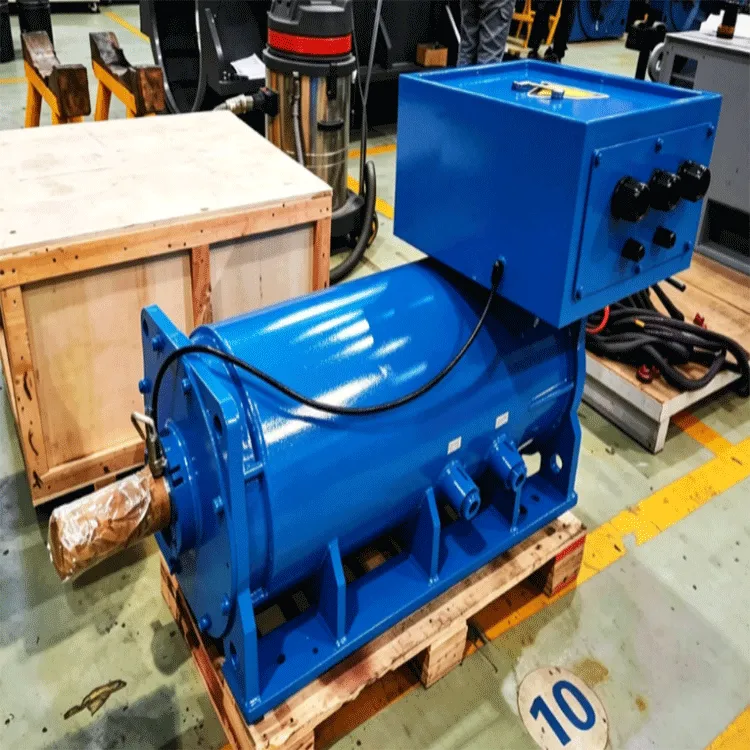
A custom motor is needed when the shaft, flange, or footprint no longer matches any catalogue unit, so a standard motor will not bolt in. A Custom PM Motor Design copies the old interface and upgrades the rotor at the same time. The plant avoids scrapping a working machine or rebuilding its frame around a new motor that barely fits the bay.
A Custom PM Motor Design can match flange and foot bolt patterns, shaft length, diameter, keyway, thread, and taper to the original. The cooling path and encoder can also be reproduced in the same envelope. Matching these lets the legacy machine restart without cutting or re-machining the surrounding steel that the line was built around.
It costs more than a standard unit, but less than scrapping the machine or rebuilding its frame to fit a catalogue motor. A Custom PM Motor Design concentrates the cost in the interface, which is a fraction of the legacy line's value to the plant. The saving is the machine kept running and the downtime avoided on the floor.
Lead time follows the interface complexity, because the supplier must review drawings and often build a prototype before the full order. A Custom PM Motor Design typically needs a sample test to IEC 60034 before volume, which adds weeks but prevents a batch that cannot fit. Early drawing sharing shortens the schedule for the plant.
IEC 60034 guides metric builds and NEMA MG 1 covers North American frames, so a Custom PM Motor Design follows the legacy machine's original standard. ISO 10816 sets vibration limits after fitting, and IEEE 112 tests the efficiency gain. The nameplate still carries the class and rating the plant expects from the supplier, and both keep the custom unit honest against the existing machines on the line.
Yes. A Custom PM Motor Design keeps the old interface yet fits a permanent-magnet rotor that cuts loss and heat. The legacy machine runs unchanged in shape but with lower energy use and often longer life. The plant upgrades performance without disturbing the steel the production depends on each shift at the site.


 EN