
what-will-cause-demagnetization-risk-of-permanent-magnet-motor-pmsm-in-hightemperature-workshops, what-will-cause-demagnetization-risk-of-permanent-magnet-motor-pmsm-in-hightemperature-workshops, /blog
EN

2026/09/10
A plastics extrusion plant in Zhejiang ran a 75 kW Permanent Magnet Motor PMSM on the main extruder, mounted two meters from the barrel heater where the ambient air reached 68°C in summer. After a season the line supervisor noticed the extruder slowing under load and the drive current climbing for the same output. A Permanent Magnet Motor PMSM that had run fine for a year was now pulling more current at the same torque. The plant pulled the unit and sent it for test; the rotor magnet flux had dropped, and the Permanent Magnet Motor PMSM could no longer hold its rated field through the shift.
The heater radiated into the motor enclosure, and the extruder itself returned hot air through the fan intake. A Permanent Magnet Motor PMSM in that spot saw a steady 60-plus °C ambient on top of its own winding heat, so the rotor ran hotter than the nameplate assumed. The bearing grease thinned, the insulation aged faster, and the magnet sat closer to its limit than the duty cycle ever planned for in the bay.
A Permanent Magnet Motor PMSM depends on sintered neodymium magnets that hold flux only below a temperature ceiling set by their grade. Past that ceiling the loss becomes irreversible: the field weakens, torque falls, the drive pushes more current to compensate, and that extra current makes still more heat. A Permanent Magnet Motor PMSM can enter a thermal spiral where the cure and the cause feed each other until the magnet is permanently damaged on the line.
The failure is physical, not electronic. A Permanent Magnet Motor PMSM carries its field in the rotor, so when the magnet temperature crosses its rated point the atomic alignment starts to relax. Higher grades tolerate more heat, but every grade has a hard limit, and a Permanent Magnet Motor PMSM gives no warning light when the rotor approaches it during a hot spell.
Neodymium magnets come in grades such as 150 °C, 180 °C, and 200 °C operating limits, and a Permanent Magnet Motor PMSM built for mild duty may use the lower grade. In a hot workshop the safe choice is the higher grade, because the margin above ambient plus winding rise is what keeps the magnet stable. Specifying the wrong grade is the most common cause of early demagnetization in a Permanent Magnet Motor PMSM that runs near ovens.
When the field weakens, the controller raises current to keep speed, and that current flows through the windings as loss that heats the whole machine. A Permanent Magnet Motor PMSM in this state runs hotter still, pushing the magnet further past its limit. The spiral is why a small initial over-temperature can end with a ruined rotor rather than a simple shutdown at the plant.
A Permanent Magnet Motor PMSM must be specified against the same thermal rules as any rotating machine, and the codes give the numbers that keep the magnet safe. The rating plate and the test report are what the plant engineer reads before trusting the unit in a hot bay with poor air.
IEC 60034-1 defines insulation temperature classes — B at 130 °C, F at 155 °C, H at 180 °C — and a Permanent Magnet Motor PMSM is assigned one of them. The class sets how much total heat the machine may carry, but the magnet grade sets a tighter internal limit, so the two must be matched when the ambient is high and the ventilation is weak.
IEC 60034-25 guides the use of converter-fed machines and tells the specifier to de-rate a Permanent Magnet Motor PMSM when harmonic heating or high switching frequency adds loss. In a hot workshop that de-rating is not optional, because the extra converter loss lands on top of the process heat already present at the rotor and accelerates the decline.
Protection is mostly selection and monitoring, not repair. A Permanent Magnet Motor PMSM that is rated, cooled, and watched will hold its flux for years even in a warm shop, while one that is under-specified fails quietly and expensively on the floor.
Rate the magnet for the highest ambient the bay will see, plus the winding rise, plus a safety margin, then pick the next grade up. A Permanent Magnet Motor PMSM in a 60 °C bay should not carry a 150 °C magnet when a 200 °C grade fits the frame, because the margin is what survives a heat wave. The grade stamp on the nameplate is the proof the plant keeps.
Fit stator and bearing temperature sensors and keep the intake air clean and cool, because a Permanent Magnet Motor PMSM breathes the air around it. Trend the readings against the baseline, and act on a creeping rise before the rotor reaches its limit. Enneng Motor supplies the thermal cutout set point and the grade stamp so the plant confirms the magnet limit on the nameplate before summer.
Beyond grade choice, the bay layout decides the rotor temperature more than most engineers expect. A Permanent Magnet Motor PMSM placed in the path of heater exhaust runs hotter than the same unit in a shaded corner, so moving the enclosure or adding a local air deflector often buys the margin that prevents demagnetization. Simple site changes are cheap compared with a magnet rebuild, and they protect the field without touching the motor itself.
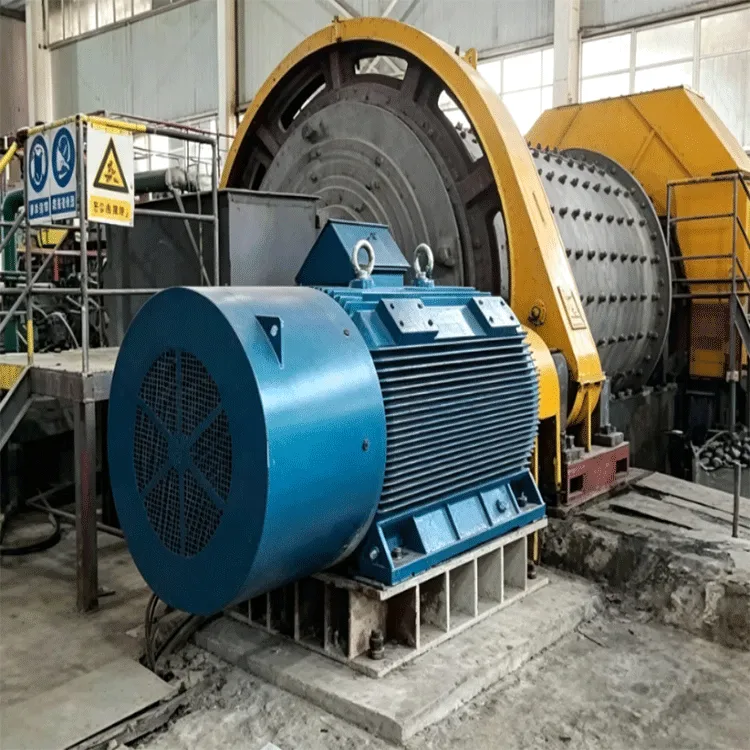
Sintered neodymium magnets lose flux once they pass their graded limit, commonly 150 °C for standard grades and up to 200 °C for high-temperature grades. A Permanent Magnet Motor PMSM in a 60 °C workshop with 90 °C of winding rise already sits near the lower grade's edge. The damage is irreversible, so the magnet grade must clear the worst-case rotor temperature with margin.
Grade selection adds the peak ambient, the winding temperature rise, and a safety margin, then picks the next higher neodymium class. A Permanent Magnet Motor PMSM near ovens or extruders should use a 180 °C or 200 °C grade rather than the 150 °C default. Enneng Motor records the grade on the nameplate so the plant can confirm the magnet limit matches the bay's heat.
Yes. As the field weakens, the controller raises current to hold speed, so a creeping current rise at fixed load is an early sign. A Permanent Magnet Motor PMSM that needs more amps for the same output is likely losing flux. Trending stator current against the baseline catches the spiral before the rotor is permanently damaged in the workshop.
They can. Switching harmonics add copper and iron loss that heats the machine beyond the sinusoidal assumption. A Permanent Magnet Motor PMSM on a harsh drive should be de-rated per IEC 60034-25, because the extra converter heat lands on top of the process heat. Proper filtering and switching settings keep the rotor inside its thermal budget.
Keep the intake air cool and clean, trend bearing and stator temperatures, and act on slow rises early. A Permanent Magnet Motor PMSM gives no visible warning at the rotor, so sensors do the watching. Inspect the cooling path each season, and confirm the nameplate grade matches the bay before a hot summer peak arrives.
Usually yes in hot duty. The alternative is a Permanent Magnet Motor PMSM that loses flux and needs a rotor rebuild, which costs far more than the grade upgrade at purchase. For workshops above 50 °C ambient the higher magnet class protects output and avoids unplanned stoppage, so the small premium pays back through uptime.


 EN