
why-centrifugal-pump-motor-ie5-cuts-down-internal-hydraulic-loss-of-industrial-pump-transmission-assemblies, why-centrifugal-pump-motor-ie5-cuts-down-internal-hydraulic-loss-of-industrial-pump-transmission-assemblies, /blog
EN

2026/09/14
The Hidden Loss Inside Pump Transmission Assemblies
A pump set loses energy in more places than the impeller alone. Shafts, couplings, and bearings between the motor and the wetted end all take a share, and a Centrifugal Pump Motor IE5 changes the math because it feeds the pump closer to its design point. One water utility found that its treated-water pumps ran two efficiency classes below nameplate once the worn coupling and oversized motor were accounted for, and the gap showed up as heat at the seal and a rising power bill.
The plant ran a cooling-water loop on a standard motor sized for peak summer, so most of the year it operated far up the curve where the pump was inefficient. After fitting a Centrifugal Pump Motor IE5 matched to the real duty, the same impeller delivered the flow at a lower shaft speed and the bearing temperature dropped. The team logged a steady power reduction across the season, not just a one-day test. The case proved that hydraulic loss is a system problem, and the Centrifugal Pump Motor IE5 was the lever that let the pump sit where it was designed to sit.
Hydraulic loss in a pump assembly splits into internal recirculation, throttling at the discharge, and mechanical drag in the transmission. An oversized motor forces the control valve to throttle, which destroys head and turns it into heat. A Centrifugal Pump Motor IE5 with speed control lets the pump follow the demand instead of fighting it. Mechanical loss in the coupling and alignment also steals shaft power before it reaches the fluid, so the motor class and the drive layout must be read together, not as separate purchases that each claim a saving the other cancels.
Efficiency class is not a sticker; it is the share of input power that reaches the water. A Centrifugal Pump Motor IE5 removes more internal loss than an IE4 unit, and on a pump that runs thousands of hours the difference is measurable on the meter, not just on paper.
Every pump has a best-efficiency point on its curve, and the motor should let the pump live near it. A Centrifugal Pump Motor IE5 paired with a variable-speed drive holds the operating point as demand shifts, so the assembly avoids the throttling loss that an oversized fixed-speed unit creates. Sizing from the duty profile, not the nameplate peak, keeps the impeller in its efficient band. The motor and pump then act as one machine, and the Centrifugal Pump Motor IE5 is what makes that coordination possible without wasting speed.
Loss also hides in the train between motor and impeller: misalignment, coupling slip, and bearing friction. A Centrifugal Pump Motor IE5 built as a close-coupled set removes the long shaft and its supports, so fewer parts convert good power into heat. Shorter, stiffer connections hold alignment under thermal movement, which protects the seal and the bearing. The assembly then reports a higher wire-to-water efficiency, because the Centrifugal Pump Motor IE5 feeds the pump through a cleaner path than a belt or long-coupled drive allows.
Pump and motor rules let a buyer specify the saving in testable terms instead of marketing language. A Centrifugal Pump Motor IE5 supports several of these directly, which is why the spec should name them.
IEC 60034-30-1 defines the IE efficiency classes and the test behind the nameplate, so a Centrifugal Pump Motor IE5 carries a verified rating rather than a claim. The standard lets purchasers compare motors across makers on the same basis, and it anchors the IE5 target that the pump duty rewards most. Specifying the class by the standard prevents a supplier from quoting a tested point while shipping a lower one, a gap that surfaces only after the power bill arrives.
ISO 9906 sets the acceptance test for centrifugal pumps, measuring hydraulic performance so the buyer knows the curve is real. A Centrifugal Pump Motor IE5 paired with an ISO 9906-tested pump gives a defensible wire-to-water number for audits and payback. The two standards together turn a vague efficiency promise into a measured assembly figure, which is what a finance team needs before approving the upgrade across a pump fleet.
The motor and pump must be chosen as one system, and the Centrifugal Pump Motor IE5 earns its rating only when the rest of the set is built to match.
Start from the flow and head profile, then pick the impeller and a Centrifugal Pump Motor IE5 that reaches the best-efficiency point at the duty speed. Avoid oversizing for rare peaks; use speed control for the spikes instead. Confirm the coupling or close-couple method, the enclosure for the location, and the drive settings before order. Keep the test curves with the asset record so later audits can confirm the Centrifugal Pump Motor IE5 still performs as specified.
Efficiency won at purchase erodes if the pump drifts off its curve. Watch suction strainers, seal condition, and bearing temperature so the Centrifugal Pump Motor IE5 does not fight a clogged inlet or a binding seal. Track power per unit of flow each quarter; a rise signals throttling, wear, or misalignment. Clean paths and verify alignment at planned stops, because the pump assembly loses its saving the moment one part makes the motor work harder than the fluid needs, and the Centrifugal Pump Motor IE5 cannot recover a loss created downstream.
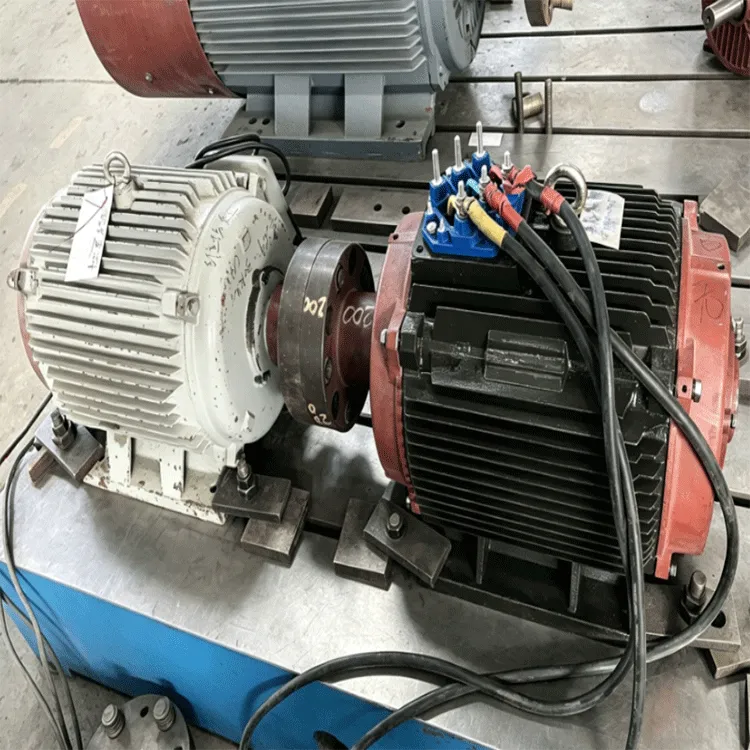
Internal hydraulic loss is the energy destroyed inside the pump and its transmission before it reaches the water, through recirculation, throttling, misalignment, and bearing drag. A Centrifugal Pump Motor IE5 reduces the electrical side, but the assembly also loses head at the valve and coupling. The real saving appears only when the motor, pump, and drive are tuned as one system, so the wire-to-water efficiency, not the motor alone, is the number that matters.
An IE5 motor converts more input power into shaft power and runs cooler, which lets the pump operate near its best-efficiency point with speed control. A Centrifugal Pump Motor IE5 paired with a variable-speed drive removes the need to throttle the discharge, a step that otherwise turns pressure into heat. The motor class and the control together cut the system loss, and the saving repeats every running hour across a pump fleet.
A drive is not strictly required, but it unlocks most of the saving, because pumps are most efficient near a duty point that changes with demand. A Centrifugal Pump Motor IE5 with speed control follows the load, while a fixed-speed oversized unit must be throttled and loses head. For varying flow the drive pays back quickly; for constant flow at the best point, the motor class alone still helps, though less dramatically than the combined set.
ISO 9906 defines the acceptance test for centrifugal pumps and measures hydraulic performance against the supplied curve. Pairing it with IEC 60034-30-1 for the motor gives a defensible wire-to-water figure. Specifying both standards lets a buyer compare offers on the same tested basis and proves the saving to auditors, which matters when the upgrade must clear a payback review before it is approved.
Oversizing for a rare peak forces the pump to run up its inefficient band most of the year, and the control valve then throttles away the head the motor paid to create. A Centrifugal Pump Motor IE5 sized to the real profile, with speed control for spikes, keeps the impeller near its best point. The result is lower wire-to-water energy every normal day, which is where the running hours and the carbon saving actually accumulate for the site.
Track power per unit of flow quarterly and watch seal, bearing, and strainer condition so the motor does not fight a clogged inlet or binding parts. A Centrifugal Pump Motor IE5 holds its rating only when the pump stays on its curve, so clean suction paths and verify alignment at planned stops. A rising energy trend predicts trouble earlier than a trip, and catching it protects the saving across the full service life of the assembly.


 EN