
 EN

Why Centrifugal Pump Motor IE5 Enhances Anti-Cavitation Performance for Industrial Fluid Pumping Systems
In an industrial pump room, cavitation is rarely solved by changing one nameplate item. It begins when pressure at the impeller eye falls too close to the liquid’s vapor pressure, then develops through flow instability, recirculation, air ingress, poor suction piping, or an operating point that has drifted away from the pump’s preferred range. A Centrifugal Pump Motor IE5 does not create suction head or make an undersized inlet pipe acceptable. What it can do is give the pump package a more efficient, controllable drive foundation, particularly when it is paired with the correct variable-frequency drive (VFD), control logic, and hydraulic verification.
That distinction matters. The useful question is not whether a Centrifugal Pump Motor IE5 “prevents cavitation” on its own. It is whether the motor helps an engineering team operate a centrifugal pump closer to a stable duty point while reducing losses and avoiding abrupt, poorly controlled speed changes. For process-water, transfer, circulation, and industrial fluid systems, that can improve the practical margin against cavitation-related damage.
Start with the hydraulic cause, not the motor label
Cavitation occurs when local pressure drops enough for vapor bubbles to form and then collapse as they move into higher-pressure regions of the pump. The usual design check compares available net positive suction head (NPSHa) with the pump manufacturer’s required value (NPSHr), with an appropriate project margin. A Centrifugal Pump Motor IE5 cannot increase NPSHa by itself, because NPSHa depends on liquid level or inlet pressure, vapor pressure, suction-line losses, temperature, and installation conditions.
Still, the motor is part of the operating system. When a pump runs faster than the process needs, its flow, head, and absorbed power move according to the pump affinity relationships. The resulting operating point may demand more from the suction side. NPSHr should not be estimated from a simple speed exponent alone; it should be checked against the supplier’s pump curve or test data. That is why a Centrifugal Pump Motor IE5 is most valuable when the control strategy is tied to verified pump data rather than a generic promise about efficiency.
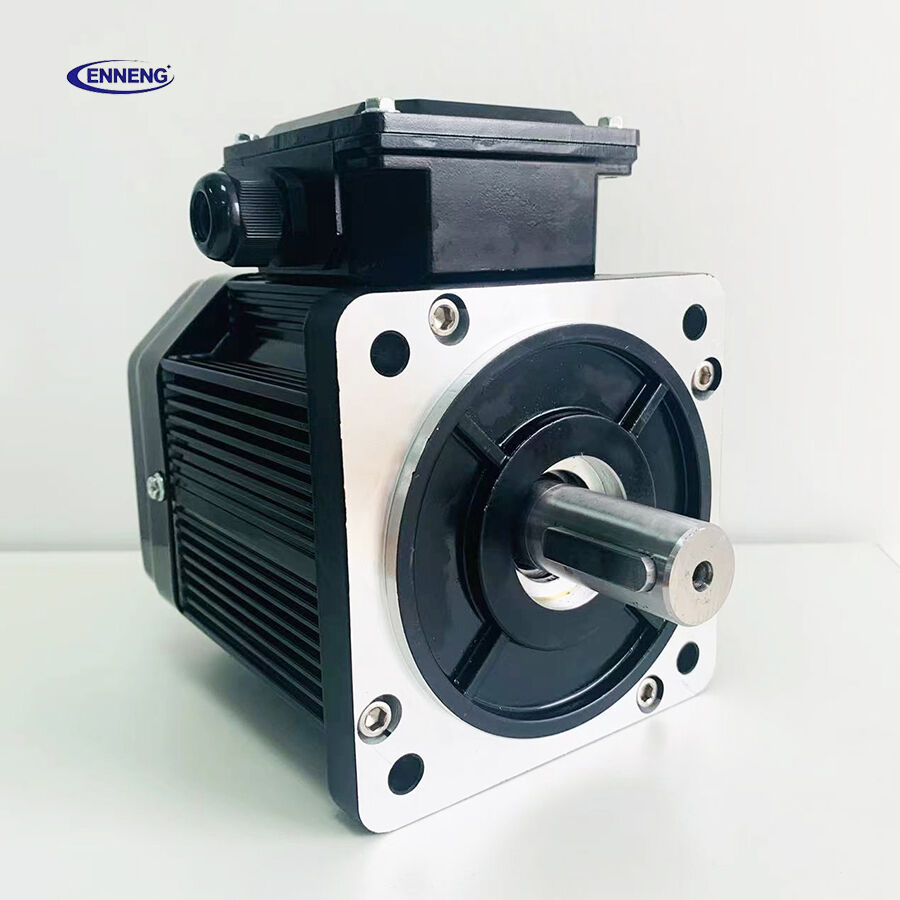
How IE5 efficiency supports a steadier pumping strategy
IE5 is an efficiency classification, not a cavitation rating. In the applicable IEC motor-efficiency framework, the class describes electrical-machine losses under defined conditions. A properly selected Centrifugal Pump Motor IE5 can reduce motor losses compared with a lower-efficiency alternative, but the project team must confirm the applicable motor type, speed range, supply arrangement, and standard edition for the actual installation.
Where the process has variable demand, an Centrifugal Pump Motor IE5 used with a compatible VFD can support speed reduction instead of continual throttling. Reducing speed may move the pump toward a lower-flow, lower-head duty point and can reduce the hydraulic stress that contributes to cavitation risk. The word may is important: a lower speed does not fix suction starvation, a blocked strainer, an overheated liquid, or an impeller already operating in a severe recirculation zone.
The practical advantage is control latitude. Lower motor losses can improve the efficiency of a drive package, while responsive speed control helps maintain a more stable setpoint. For a Centrifugal Pump Motor IE5, the selection conversation should therefore include the motor’s torque behavior, insulation and bearing arrangement, VFD compatibility, cooling at low speed, and the pump’s approved continuous operating region.
Use the motor and VFD to protect the operating point
A sound anti-cavitation strategy uses measured process conditions. A Centrifugal Pump Motor IE5 can be paired with VFD controls that limit maximum speed, ramp gradually, hold a minimum stable-flow condition where required, and respond to suction-pressure or flow signals. The exact interlocks depend on the system, but the purpose is consistent: avoid commanding the pump into a condition that the suction system cannot support.
- Set a verified speed ceiling. Base it on pump curves, NPSH margin, motor capability, and the installed pipework—not only on the motor’s nominal speed.
- Use measured feedback. Suction pressure, differential pressure, flow, temperature, and vibration trends reveal whether the duty point is stable.
- Ramp deliberately. A Centrifugal Pump Motor IE5 with an appropriate drive can avoid sudden acceleration that causes transients in a sensitive suction system.
- Maintain a safe flow window. Both very low-flow recirculation and excessive flow can be problematic, depending on pump geometry and service.
In other words, the motor enables a controllable response; it does not replace hydraulic engineering. If the suction source is marginal, redesigning the suction line, reducing losses, raising liquid level, lowering liquid temperature, or selecting another pump may be necessary before a Centrifugal Pump Motor IE5 delivers the expected operational benefit.
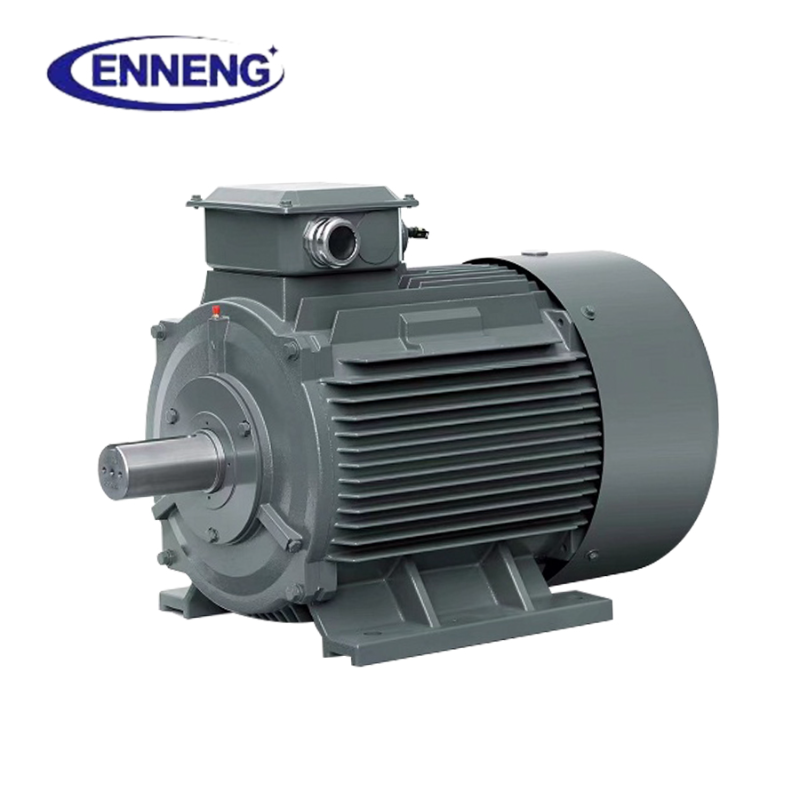
Why an IE4/IE5 Efficiency Motor comparison should go beyond energy use
When evaluating an IE4/IE5 Efficiency Motor, buyers often begin with annual energy consumption. That is reasonable, but centrifugal-pump service requires a broader view. The right comparison includes partial-load behavior, VFD duty, thermal margin at the intended speed range, torque reserve during startup and upset conditions, and maintainability in the plant environment.
An IE4/IE5 Efficiency Motor may offer a compelling loss-reduction path, yet the preferred choice depends on the pump’s duty cycle and operating envelope. A continuously loaded fixed-speed pump with generous NPSH margin presents a different case from a variable-flow process pump that routinely operates far from its nominal design point. For the latter, a Centrifugal Pump Motor IE5 and well-configured VFD can contribute more to cavitation resilience because the package can be managed around real demand.
Commissioning checks that make the benefit real
Before commissioning a Centrifugal Pump Motor IE5, establish a baseline at the expected duty points. Record suction and discharge pressures, flow, liquid temperature, speed, current, vibration, and noise. Then compare the observed conditions with the approved pump curve and NPSH assessment. This makes it easier to distinguish true cavitation from other issues such as misalignment, bearing problems, electrical imbalance, or pipe vibration.
- Confirm the pump, impeller diameter, motor speed range, and VFD parameters match the approved design.
- Verify suction valves are fully open, strainers are clean, and air cannot enter through seals or joints.
- Check NPSHa versus the vendor’s NPSHr at each commanded speed, including anticipated high-demand conditions.
- Set alarms and trips around meaningful process signals rather than relying on motor current alone.
- Trend vibration and acoustic changes after startup; investigate deterioration before erosion becomes extensive.
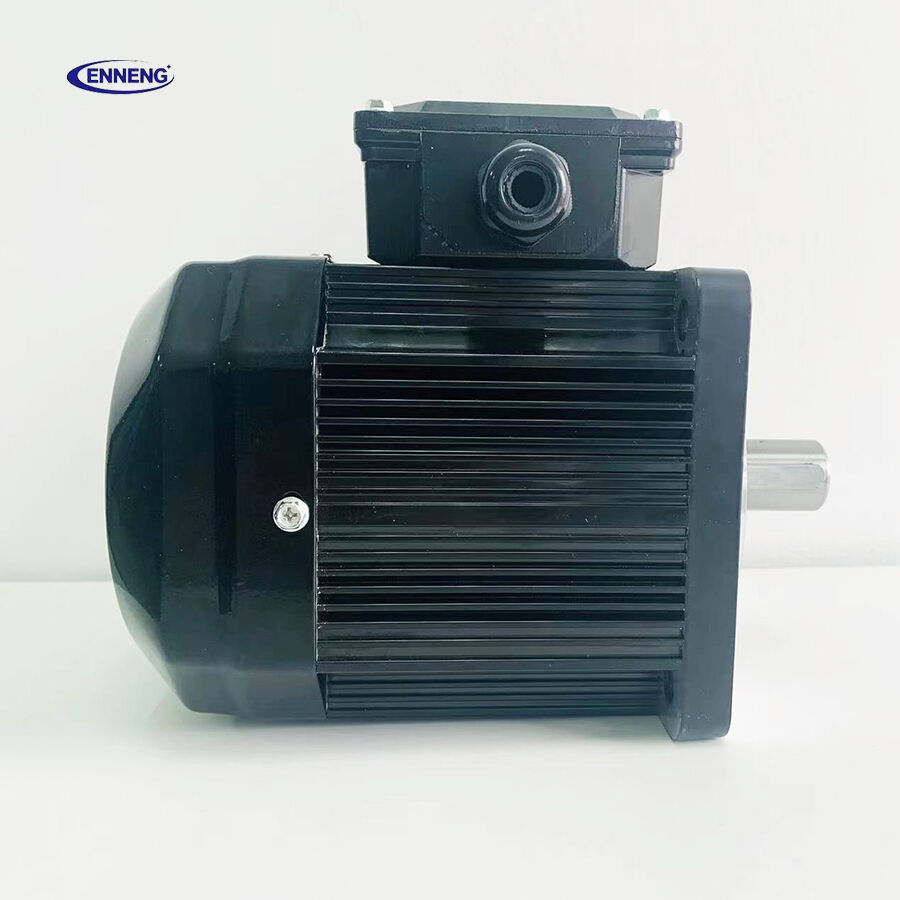
Selection guidance for industrial teams
A Centrifugal Pump Motor IE5 is a strong candidate where a pump system has variable demand, meaningful operating hours, and an engineering need for precise speed control. It enhances anti-cavitation performance indirectly: by supporting an efficient drive package and allowing the pump to remain within a verified operating envelope. It is not a substitute for adequate suction head, correct pump selection, or disciplined commissioning.
The most reliable approach is to specify the Centrifugal Pump Motor IE5 as part of a package decision. Review pump curves, NPSH margins, fluid properties, motor-VFD compatibility, site temperature, control philosophy, and maintenance access together. That process turns a high-efficiency motor from a stand-alone procurement item into a practical contributor to quieter, steadier, and more durable industrial fluid pumping.

