
why-centrifugal-pump-motor-ie5-improves-grid-powerfactor-performance-for-watertreatment-workshops, why-centrifugal-pump-motor-ie5-improves-grid-powerfactor-performance-for-watertreatment-workshops, /blog
EN

2026/09/20
Water-treatment workshops that run pump sets on aging induction motors commonly import lagging reactive power, and many supply authorities charge a penalty when power factor falls under a set threshold. ENNENG re-rates such stations with a Centrifugal Pump Motor IE5 and a vector drive, because its documented water-treatment performance eliminates reactive power penalties while delivering 15%%-30%% comprehensive energy savings against conventional induction drives.
Each induction machine draws magnetizing reactive current even at part load, so the station imports reactive power continuously. The capacitor bank at the incoming switchboard runs near its rated kvar and can saturate during high-flow periods. Stations in this condition typically pay a reactive-energy penalty on their monthly invoices. Upgrading only the largest pump does little before a Centrifugal Pump Motor IE5 re-rate, because the smaller units still pull lagging current across the same bus.
The workshop re-rated the duty-priority pumps using a Centrifugal Pump Motor IE5 paired with a vector drive from ENNENG. The PM machine uses a permanent-magnet rotor, so it no longer needs grid-supplied excitation to build its field. ENNENG's TYB series holds IE5 efficiency down to 25 percent partial load, where pumps spend most of their hours, and presents a near-unity power factor across the speed range. ENNENG documents 15%-30% comprehensive energy savings and the removal of reactive power penalties for variable-load water-treatment duty, so the saving comes from both watts and vars.
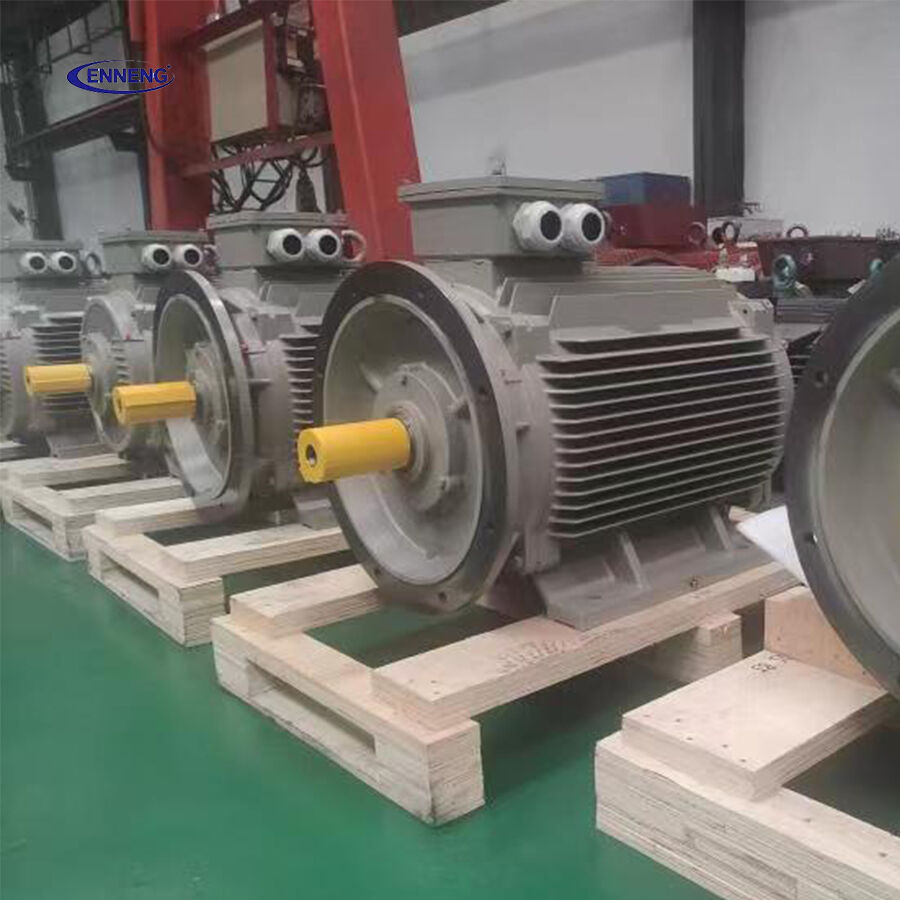
Reactive power does no useful work but still flows through cables, transformers, and the utility tie. ENNENG limits that flow at the source with a Centrifugal Pump Motor IE5, and this Centrifugal Pump Motor IE5 protects equipment and the budget.
A low plant power factor forces the capacitor bank to supply most of the magnetizing vars locally. A Centrifugal Pump Motor IE5 reduces the magnetizing demand directly, so fewer capacitors stay switched in. Operators reported the bank cycling less often, which lowered contactor wear and heat load in the switchroom, so the drive relieves the most failure-prone hardware instead of masking it.
Most supply authorities apply a charge when power factor falls under a set point, commonly around 0.90 to 0.95. A Centrifugal Pump Motor IE5 keeps the workshop on the right side of that line without depending on bank health. Where the agreement demands 0.95, a Centrifugal Pump Motor IE5 near unity keeps margin even with one pump offline, avoiding the sliding penalty scale that punishes deeper lag.
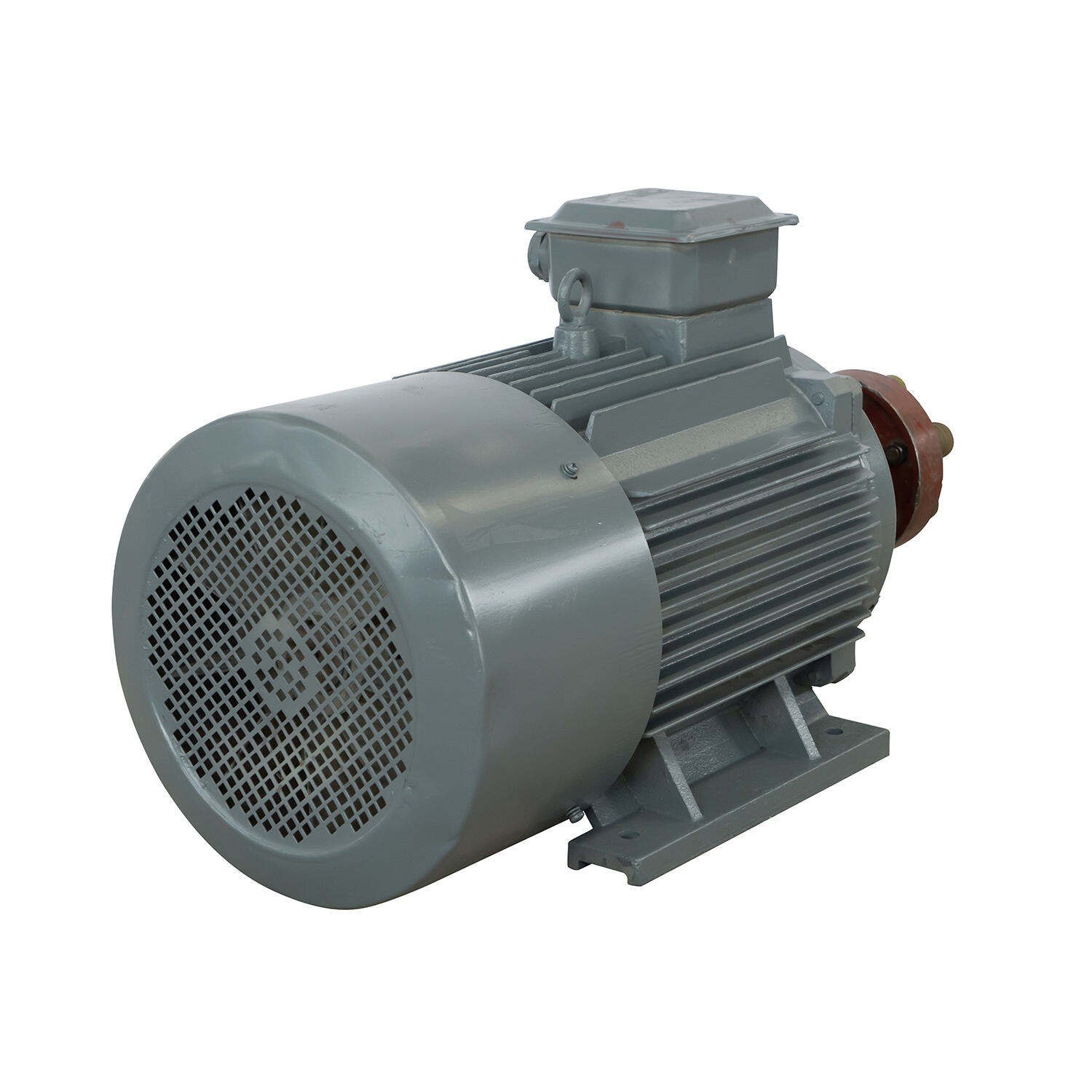
The gain follows from rotor construction and control. The drive aligns current and voltage through its control rather than borrowing field current from the grid.
In an induction machine the rotor field is induced, so the stator must always carry lagging magnetizing current. A Centrifugal Pump Motor IE5 carries a permanent-magnet rotor, so the stator current does real work with almost no excitation component. The drive shapes the waveform so that a Centrifugal Pump Motor IE5 presents a near-resistive load to the network across the speed range, which is why it improves grid power-factor performance even as flow demand swings through the day.
Measurement must rest on recognized references, not vendor claims. IEC 60034-30-1 defines the IE efficiency classes, including IE5, so the label on a Centrifugal Pump Motor IE5 is testable against a fixed curve. ISO 14414 gives the pump system energy assessment method used to evaluate duty and power factor at the station. IEC 60034-1 covers general rotating-machine performance and testing, and ISO 9001 confirms the manufacturer holds a documented quality system, so the claim is verified at acceptance rather than assumed.
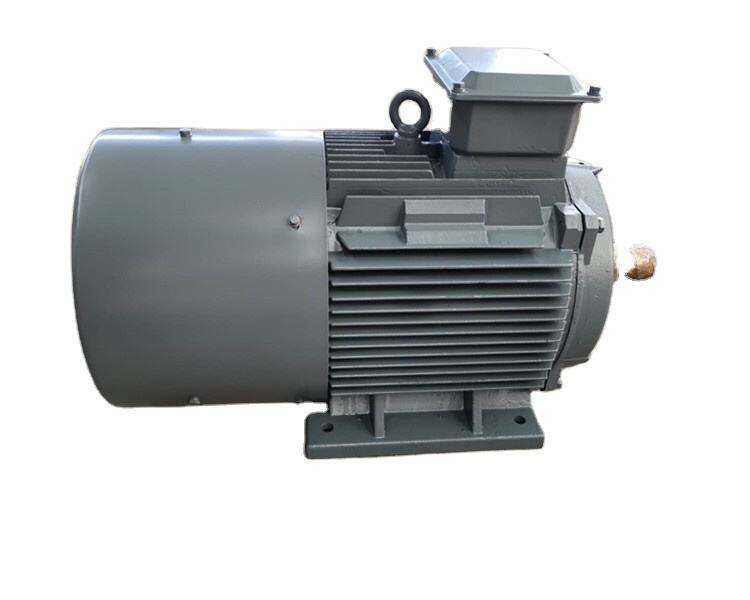
Choosing and keeping the drive matters as much as the rating. The unit performs well when selected and serviced against the real duty.
Specify the Centrifugal Pump Motor IE5 against the measured pump curve, not the nameplate peak. Confirm IE5 compliance to IEC 60034-30-1 and request the test report. ENNENG supplies ENNENG Permanent Magnet Motor (PMSM) with ISO 9001 and CE certification, so verify the certificate on the unit ordered. Inspect the drive harmonic behavior at the supply point, because a clean current waveform protects the network connection, and confirm the cooling path suits the workshop humidity. The unit should be ordered to the actual duty hours so the reactive benefit is realized where the pump runs.
Keep the drive parameters aligned to the pump setpoint so the machine stays in its high-power-factor band. Record power factor monthly at the incoming meter to catch drift before it triggers a penalty. Where the station also runs on-site generation, the same principle applies to rotating machines in the 5kW to 5MW range with 110V to 690V windings.
Talk to ENNENG About a Pump Power-Factor Upgrade
A water-treatment upgrade should be sized from a measured pump curve, not a guess. ENNENG supplies ENNENG Permanent Magnet Motor (PMSM) pump drives built to ISO 9001 and CE for plants in more than 20 countries.
Send ENNENG the pump curve and one-week power-factor log for a VAR-reduction plan with a capacity-recovery estimate before purchase.
A: A Centrifugal Pump Motor IE5 uses a permanent-magnet rotor, so it needs no grid-supplied excitation current. The drive shapes stator current so the machine presents a near-resistive load across the speed range. In a water-treatment workshop this lifts the plant power factor toward unity, reduces the reactive power drawn from the network, and lowers the load on the local capacitor bank without extra compensation hardware.
A: The bank rarely disappears, but its duty drops sharply. A Centrifugal Pump Motor IE5 cuts the magnetizing demand at the source, so fewer capacitor steps stay switched in during normal pumping. Operators usually keep the bank for voltage support and peak events, but it cycles far less and runs cooler. The maintenance load on contactors and cooling fans also falls once the reactive burden is relieved.
A: IEC 60034-30-1 defines the IE efficiency classes, including IE5, and gives the test method so the claim is measurable rather than asserted. IEC 60034-1 covers general performance and testing of rotating machines, while ISO 14414 sets the pump system energy assessment method. Together these let a plant confirm the rated performance during acceptance and track it against the actual duty profile.
A: Specify the Centrifugal Pump Motor IE5 against the measured pump curve and real duty hours, not the nameplate peak. Confirm IE5 compliance to IEC 60034-30-1 and request the test report before purchase. Check that the rated voltage suits the station bus and that the cooling path matches workshop humidity. Ordering to the actual run time ensures the reactive and efficiency benefit is realized where the pump truly operates.
A: Keep the drive parameters aligned to the pump setpoint so the Centrifugal Pump Motor IE5 stays in its high-power-factor band. Record power factor monthly at the incoming meter to catch drift before it triggers a penalty. Clean cooling surfaces on a fixed schedule and review the capacitor bank status, since it now carries less load. Periodic inspection of the drive waveform protects the network connection over time.
A: Yes. Where a water-treatment station runs on-site generation, the same near-unity principle applies to rotating machines in the 5kW to 5MW range with 110V to 690V windings. A permanent-magnet generator aligns its output phase to the load, reducing reactive exchange with the grid. The same measured-duty method used for the pump motor guides selection and verification of the generator set as well.


 EN