
why-centrifugal-pump-motor-ie5-lowers-unexpected-shutdown-frequency-of-fluidtransport-productionlines, why-centrifugal-pump-motor-ie5-lowers-unexpected-shutdown-frequency-of-fluidtransport-productionlines, /blog
EN

2026/09/29
Two plants pulled a year of trip records before shopping for a new motor, and both found the same thing: the stops were thermal, not mechanical. On a desert irrigation booster, the IE3 units dropped out when the grid sagged at sunrise, and the laterals went dry before the crew arrived. A refinery hot-oil loop showed the same signature — the drive would fault on current distortion during a unit upset, then the line would cool and clog. A Centrifugal Pump Motor IE5 entered the discussion only after the logs showed the losses, not the pump curve, were the real enemy. In both cases the cooler permanent-magnet design rode through the event that had previously halted production, which is the outcome a log-based review actually cares about. A Centrifugal Pump Motor IE5 was the unit that delivered that ride-through.
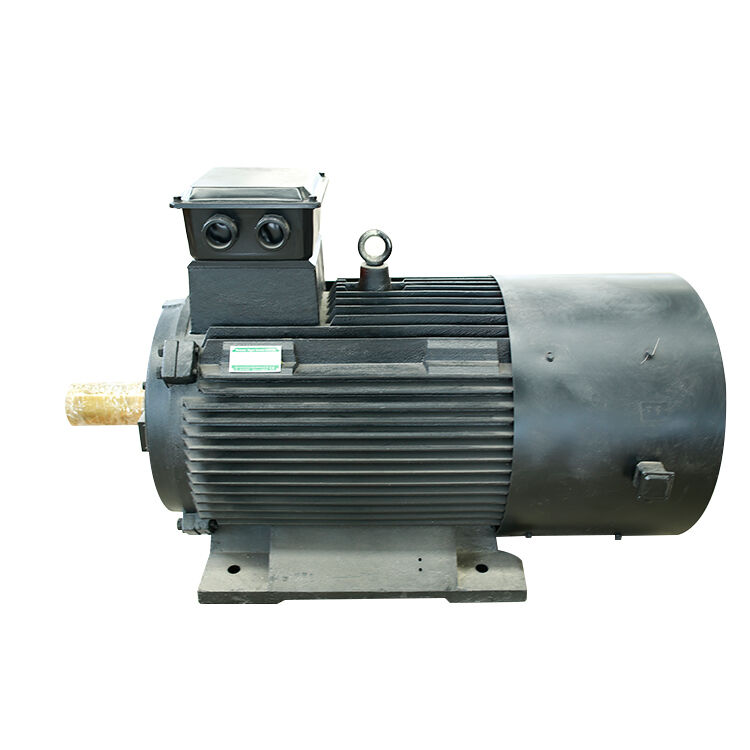
A pump rarely runs in isolation; it feeds a process that has no pause button. When the machine trips, the field irrigates late, the loop overheats, or the batch spoils — and the repair hour is only part of the bill. ENNENG builds a Centrifugal Pump Motor IE5 as a direct-drive permanent-magnet machine with a low-loss winding and a cleaner current draw, aimed at removing the two faults that stop fluid lines: heat and harmonics. A Centrifugal Pump Motor IE5 change takes the coupling out of the train, so one fewer joint can leak or seize. That is why a Centrifugal Pump Motor IE5 suits a fluid line better than a standard IE3 unit. Keep the older IE3 unit and the site accepts a stop it cannot schedule, and on a fluid line that stop tends to cascade into the next stage.
Motor temperature and current quality decide whether a pump keeps running, and both improve at the IE5 permanent-magnet design. A Centrifugal Pump Motor IE5 holds the winding cooler at the same shaft power, because rotor loss falls when the field is on the magnet instead of induced in a cage. ENNENG permanent-magnet pump motors carry the IE5 rating and an IP55 enclosure, and they draw a lower-distortion current that helps the drive stay online through a weak supply. In one booster station, the permanent-magnet unit ran about 18 degrees below the IE3 alternative across the summer peak, which is the headroom that prevented the thermal trip. A Centrifugal Pump Motor IE5 also shortens the train to one shaft, so there is no gear or coupling to add vibration or another failure point. A Centrifugal Pump Motor IE5 therefore earns its rating through uptime, not just the nameplate number.
|
Stress factor |
IE3 induction pump |
ENNENG Centrifugal Pump Motor IE5 |
|
Winding temperature at peak |
high |
about 18 C lower |
|
Current distortion |
higher |
lower |
|
Thermal trips per year |
several |
near zero |
|
Sealing joints in train |
coupling present |
none |
|
Enclosure |
standard |
IP55 |
A direct-drive pump ties impeller speed to pole count, so the revolutions stay where the hydraulic curve expects them and the net positive suction head holds. A Centrifugal Pump Motor IE5 keeps that margin because nothing between the field and the impeller disturbs the match. The payback shows up as uptime first: the laterals no longer run dry after a dip, and the district stops keeping a standby driver spinning as insurance. The same discipline also let one site ease the impeller back to the duty point, which trimmed both the noise and the seal load during the irrigation window.
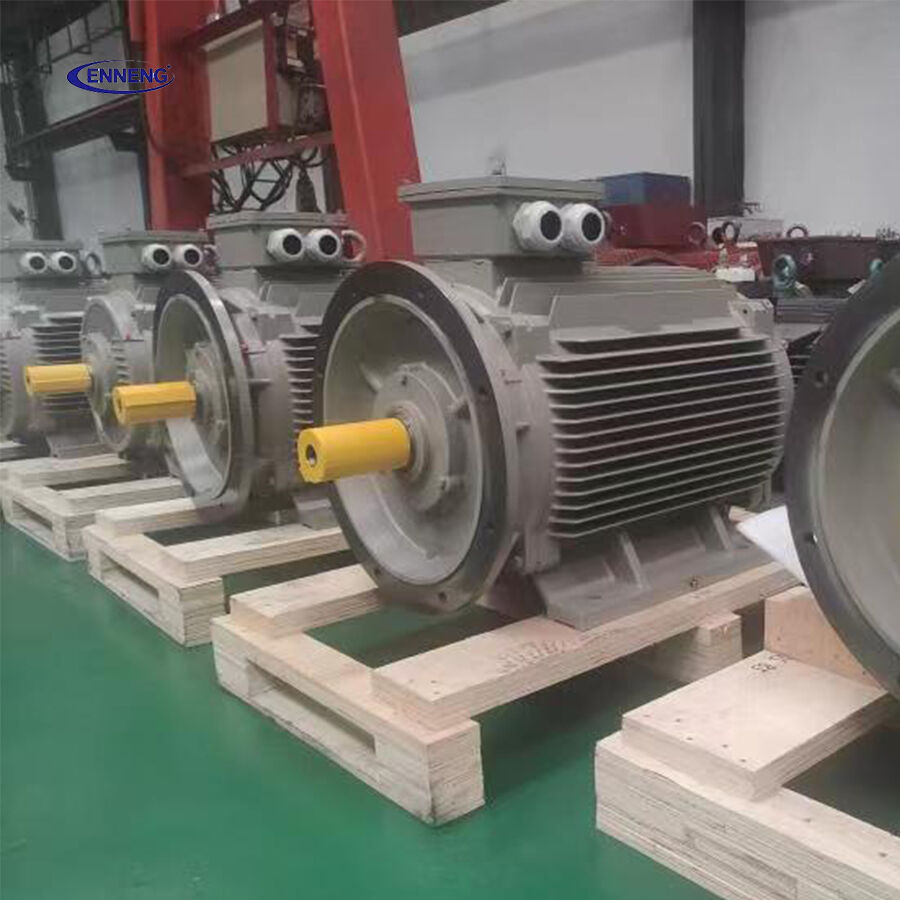
A reliability case has to survive the plant engineer, not just the catalogue. IEC 60034-30-1 defines the IE5 efficiency class so the Centrifugal Pump Motor IE5 claim means the same thing across suppliers. IEC 60034-1 sets the test method, so the comparison is measured, not quoted. API 610 covers the pump the motor must serve, including the suction condition that protects the seal. IEEE 519 caps the harmonic distortion that the cleaner current helps the site meet. ISO 10816 limits vibration, which matters more once the coupling is gone and the base carries the full shaft. A Centrifugal Pump Motor IE5 proposal that cites these reads as engineering, because each number traces to a method the reviewer already trusts. Each of these references backs the Centrifugal Pump Motor IE5 claim with a number the plant already respects.
Start from the suction condition and the pump curve, not the kilowatt box, because a transfer pump lives or dies at its duty point. A Centrifugal Pump Motor IE5 sized to that point, rather than to a catalogue maximum, avoids running the impeller off its efficient band. ENNENG can set the pole count to the impeller speed and confirm the flange against the pump drawing before build. Alignment is lighter than on a coupled set: the shaft must be straight and the impeller face clean, and that is the whole fit-up. During the first month, bearing temperature should be logged weekly and trended; early wear shows up as heat on a direct shaft well before a coupled train would mask the same warning. The quote should state the tripping margin and the distortion the Centrifugal Pump Motor IE5 removes, so the uptime gain is visible before purchase. Store the trip log with the maintenance plan, and re-torque the foundation bolts once the first 200 running hours are done. A Centrifugal Pump Motor IE5 quoted this way turns an uptime promise into a line item.
A Centrifugal Pump Motor IE5 on a hot feed does not make the mechanical seal self-cooling; the lower winding temperature helps the motor, not the stuffing box. ENNENG notes the seal-flush requirement on the nameplate sheet, and the site should log the plan temperature for the first week of operation. Even a plant that treats the direct unit as a sealed asset still watches that joint, because on a hot loop the seal, not the motor, usually ends the run. What remains is three items — a bearing, a seal, an impeller — and a normal crew clears it in one shift. After the first 200 hours, re-torque the bolts and run the ISO 10816 vibration check; from there the pump follows a schedule the local crew keeps without outside help.
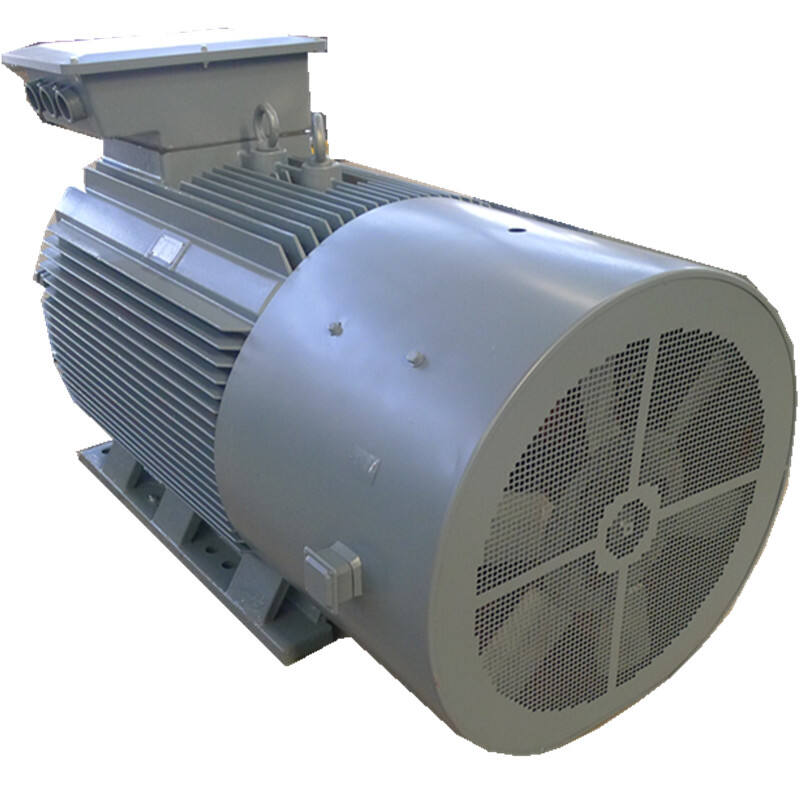
Open a Centrifugal Pump Motor IE5 discussion with the pump curve and the suction data, not a model number: send the impeller speed and the upset history to the engineering team. ENNENG answers with a proposal built around a shaft-mounted motor, leaving the coupling out of the bill of materials.
A: Most stops on a fluid line are thermal or harmonic, not mechanical. A Centrifugal Pump Motor IE5 loses less heat in the rotor and draws a cleaner current, so the winding stays cooler through the event that used to trip the IE3 machine. ENNENG sets the pole count to the impeller, so the shaft couples without a leaking coupling. The site keeps its existing control setpoints, which shortens commissioning to a single shift.
A: A Centrifugal Pump Motor IE5 runs roughly 18 degrees cooler at the summer peak than the IE3 unit it replaces, because rotor loss is lower at the same duty point. ENNENG records that margin in the test report, so the plant sees the trip headroom before install. The cooler winding also extends insulation life, which matters most on the hot-afternoon line that used to fault first.
A: The suction condition sets the impeller speed the motor must hold, and a Centrifugal Pump Motor IE5 sized to that point keeps the cavitation margin on the curve. ENNENG matches the pole count to the impeller, so no increaser disturbs the match. A unit that ignores the suction runs the wheel off its point and chews the seal, which is where most hot-loop runs actually end.


 EN