Mechanical equipment manufacturers face intensifying pressure to deliver higher machine productivity, reduced spatial footprints, and accelerated commercial launch cycles. Whether engineering specialized CNC indexing heads, high-speed automated packaging carousels, or heavy industrial injection molding equipment, OEM engineering teams routinely encounter development bottlenecks during the initial physical prototyping phase. Standard commercial catalog motors rarely match bespoke machine architectures, resulting in awkward mechanical compromises. Implementing a specialized Custom PM Motor Design directly addresses these integration hurdles, transforming drive selection from a trial-and-error burden into a streamlined engineering accelerator.
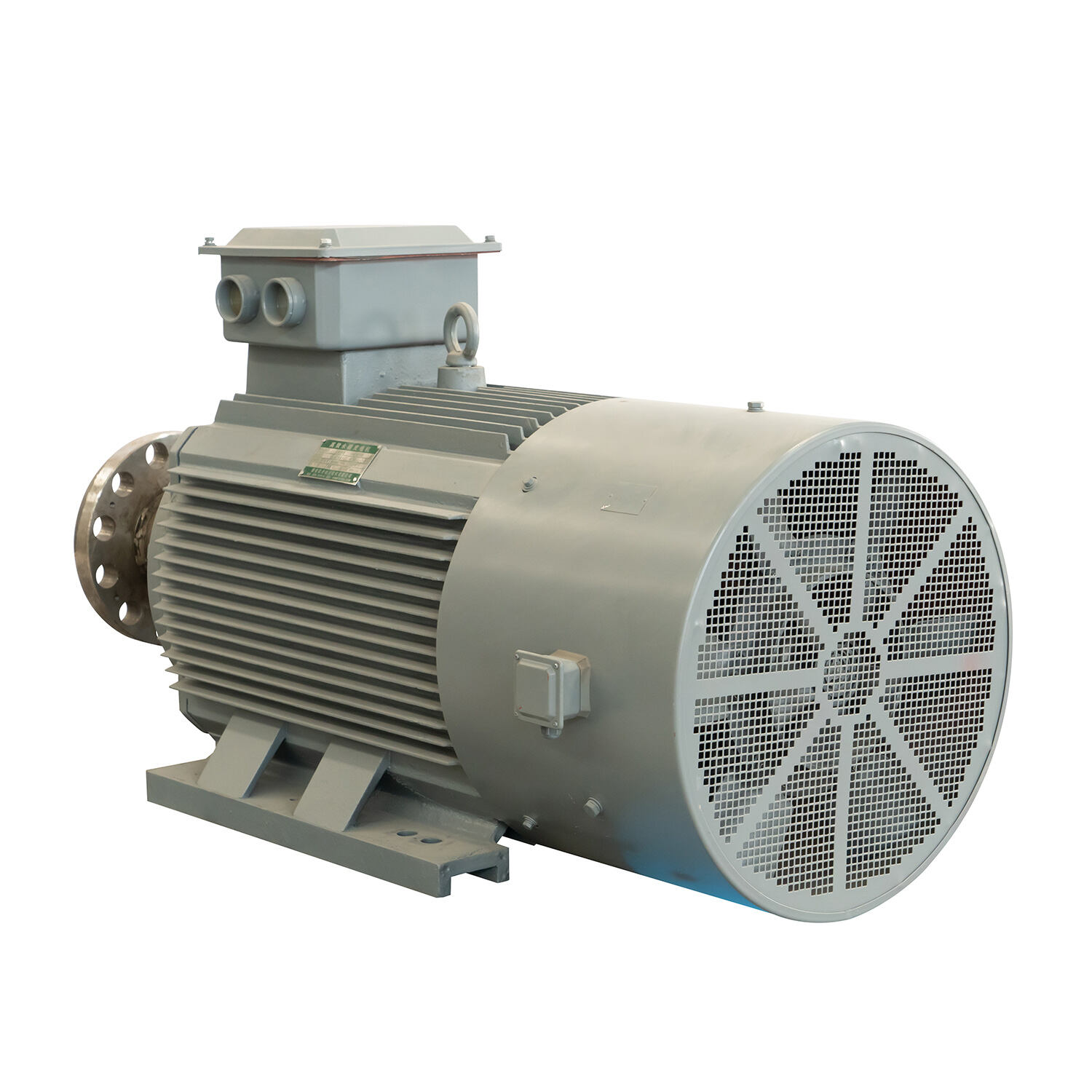
Mechanical Packaging Conflicts in Specialized Equipment Prototyping
Physical Spatial Constraints in High-Precision Machinery
Original equipment manufacturers (OEMs) developing automated packaging carousels, multi-axis machining centers, and industrial extrusion feeders operate under tight delivery deadlines. Prototyping new machinery requires integrating powerful drives within increasingly compact, custom-fabricated chassis envelopes. When engineers attempt to design around off-the-shelf industrial catalog motors, physical integration conflicts emerge immediately. Standard cylindrical motor housings and generic foot-mount layouts rarely conform to modern modular machine structures.
Intermediate Gearbox Liabilities and Schedule Delays
Relying on off-the-shelf catalog motors forces machine designers to incorporate intermediate mechanical links, including planetary gear reducers, belt pulleys, and external flexible couplings. Each mechanical component adds physical length, weight, and assembly tolerance stack-up. More critically, high-precision planetary gearboxes often carry procurement lead times exceeding 20 weeks, causing prototype assembly schedules to stall. Mechanical backlash introduced by multi-stage gear trains degrades dynamic positioning accuracy, while lubrication requirements introduce contamination risks. To eliminate these development bottlenecks, machinery OEMs utilize ENNENG engineering services for dedicated Custom PM Motor Design across 5kW to 5MW power platforms and 110V to 690V operating ranges.
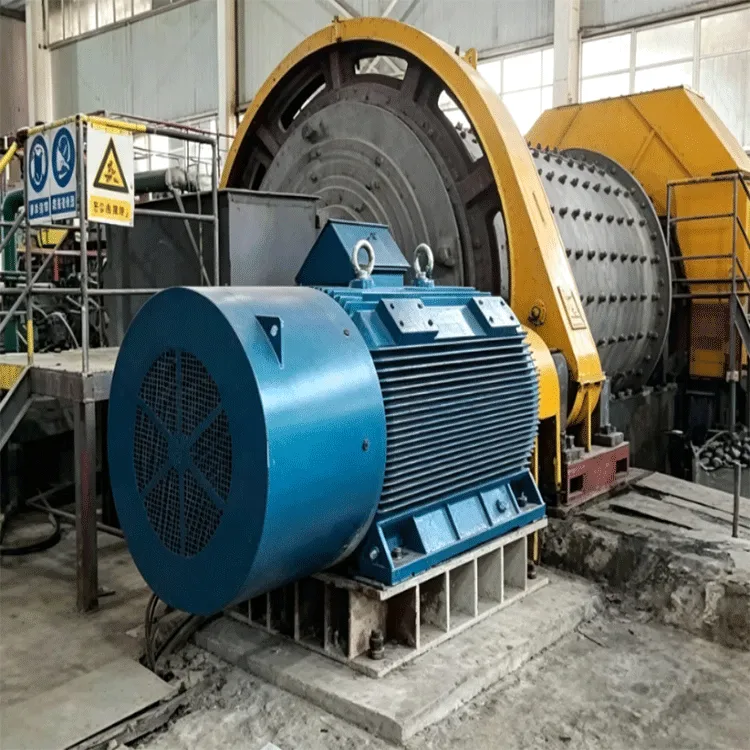
Direct-Drive Structural Envelopes and Rapid Electromechanical Prototyping
Tailoring Rotor Geometry, Hollow Shafts, and Integrated Mountings
Custom PM Motor Design replaces external reducers with direct-drive permanent magnet architectures engineered to match proprietary machine dimensions. ENNENG collaborates directly with OEM engineering teams to configure specialized mechanical interfaces, such as large-diameter hollow shafts for cable routing, integrated machine spindle spigots, and bespoke mounting flanges. By integrating the motor rotor directly onto the driven load shaft, the motor housing becomes a structural member of the equipment frame. This direct coupling eliminates mechanical backlash entirely and cuts drivetrain component counts by over 50%.
Finite Element Analysis and Electrical Parameter Matching
Shortening prototype validation cycles requires eliminating physical trial-and-error iterations. ENNENG electromagnetic engineers utilize advanced finite element analysis (FEA) to simulate magnetic flux density, stator tooth saturation, and thermal dissipation before physical manufacturing begins. Stator windings are customized for exact bus voltages between 110V and 690V, optimizing back-EMF constants and inductance matrices for specific speed-torque curves. Prototypes arrive at the OEM facility fully modeled in native 3D CAD formats with verified electrical parameters, accelerating initial power-up commissioning from weeks to days.
Quality Compliance and OEM Commissioning Roadmap
Manufacturing Traceability Under ISO 9001 and IEC 60034-1
Prototype motor reliability is validated through strict compliance with ISO 9001 design verification systems and IEC 60034-1 electrical performance standards. Precision machining of custom flanges adheres to tight ISO h6/k6 fit tolerances, guaranteeing precise concentricity with driven machine shafts. Rotor dynamic balancing satisfies ISO 1940-1 Grade G2.5, preventing harmful harmonic excitation across high-speed machine indexing cycles. Electrical insulation systems conform to IEC 60034-18, safeguarding custom stator windings against steep inverter switching dv/dt stress.
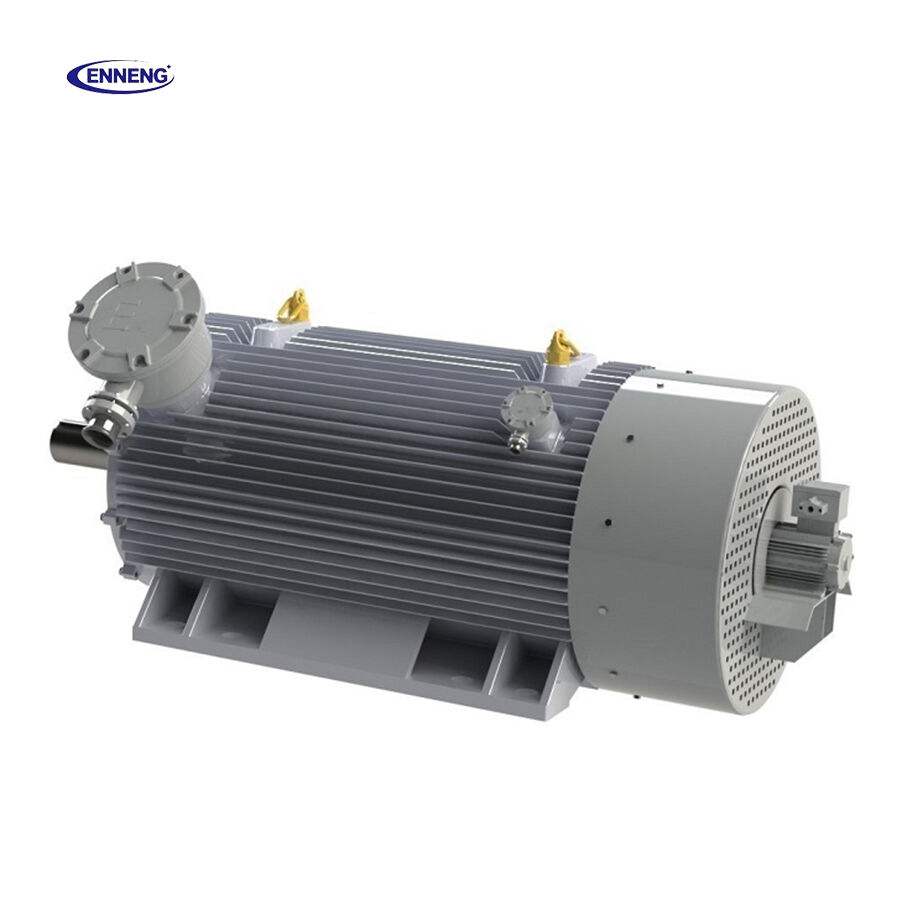
Four-Stage OEM Prototyping Milestone Protocol
- Collaborative Kinematic Definition: Map target torque, acceleration rates, peak rotational speeds, and geometric boundary conditions.
- Co-Design CAD Integration: Exchange 3D STEP models to verify clearance, thermal cooling jacket porting, and terminal box orientations prior to metal cutting.
- Hardware-in-the-Loop Pre-Testing: Validate motor electrical parameters (Rs, Ld, Lq, Ke) on factory test dynamometers with the customer’s specified variable frequency drive.
- Plug-and-Play Machine Integration: Assemble direct-drive motor modules directly into the machine chassis without tedious coupling alignment procedures, shrinking overall prototype development time from 24–36 weeks down to 10–14 weeks.
Contact Us
Accelerating equipment prototype turnaround times allows machinery manufacturers to secure market leadership and fulfill bespoke client orders ahead of schedule. The engineering team at ENNENG partners with equipment builders from initial kinematic modeling through serial production. Contact our mechanical and electrical specialists to initiate a custom drive integration assessment:
FAQ
Q: How does custom PM motor design shorten OEM prototype manufacturing cycles?
A: Custom PM motor design shortens prototype cycles by delivering ready-to-mount direct-drive structures that eliminate auxiliary gearboxes, custom adapter flanges, and external couplings. Mechanical equipment manufacturers avoid multiple iterative mechanical redesigns, while pre-matched electrical parameters ensure immediate variable frequency drive compatibility, shrinking trial assembly and validation from several months down to weeks.
Q: What technical parameters can be tailored in custom PM motor solutions?
A: ENNENG customizes shaft dimensions, mounting flange geometries, stator winding configurations, and voltage ratings from 110V to 690V across power outputs between 5kW and 5MW. Engineers also tailor torque-speed characteristics and rotor inertia to match specific mechanical motion profiles and tight physical enclosures.
Q: Does a customized motor complicate future serial equipment maintenance?
A: Customized motors simplify maintenance by eliminating wearable intermediate mechanical items like gearbox seals, gears, and timing belts. Motors are manufactured using standardized bearings, robust Class H insulation systems, and precision-machined modular housings, ensuring long-term spare-part availability and rapid component replacement throughout equipment service lifecycles.

 EN


