Actual Field Experience
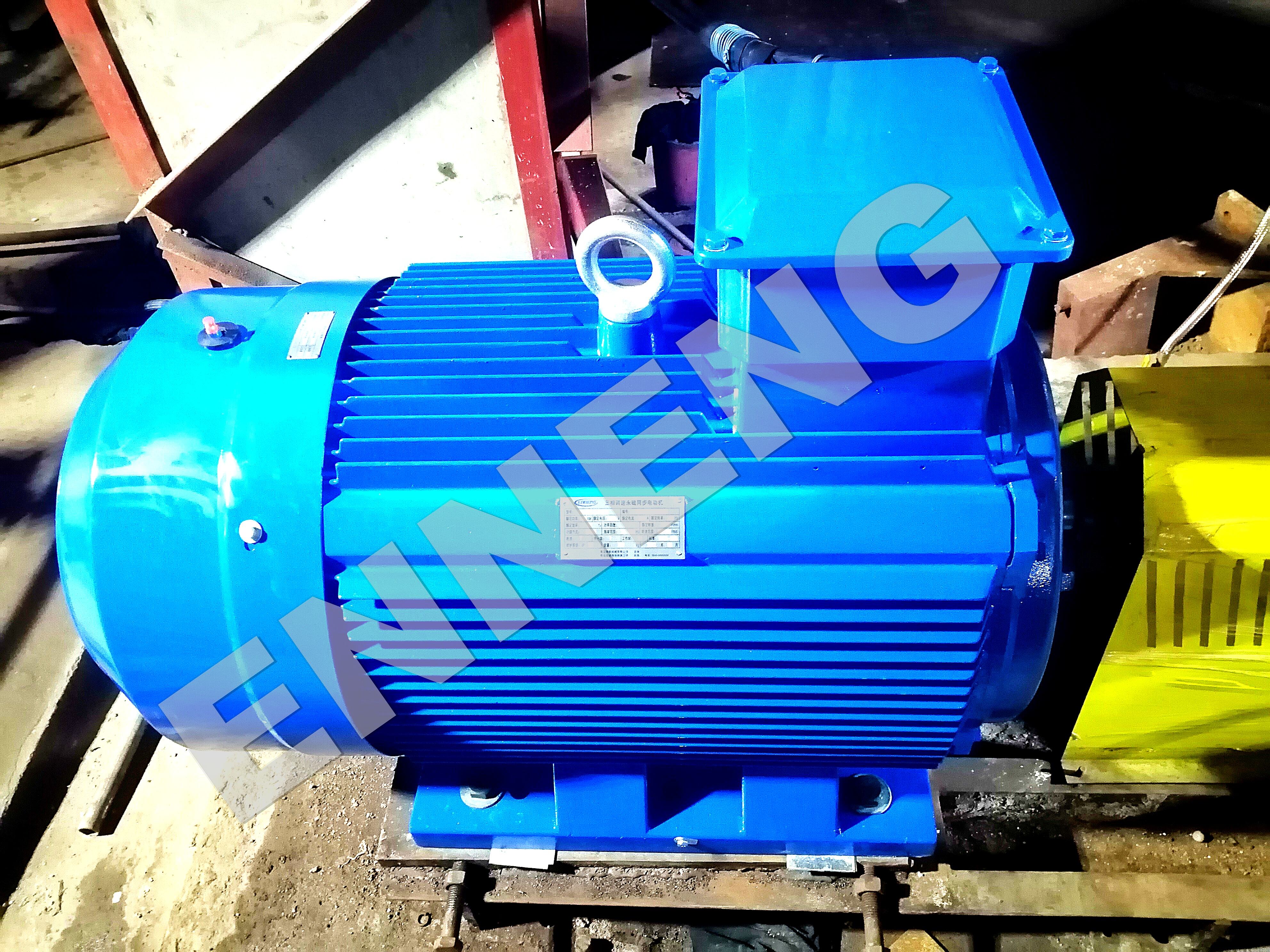
A regional water utility in eastern China ran a Retrofit Induction to PMSM program across nine booster-pump stations during a fourteen-month rollout. Each station kept its existing pump, gearbox, and piping, so the Retrofit Induction to PMSM scope covered only the motor and the drive interface. Measured station power dropped 17 percent at the same flow setpoint within the first operating season. The maintenance crew reported fewer bearing-temperature alarms because the new permanent-magnet units removed the high-speed induction stage that had driven most of the heat. A textile mill recorded a similar pattern after its Retrofit Induction to PMSM work on dye-beck circulation fans, where the old motor had spent most of its life below 50 percent load. In both sites the saving came from the permanent-magnet rotor holding efficiency at partial load rather than from a higher nameplate rating. The Retrofit Induction to PMSM result was visible on the monthly energy bill within two billing cycles. Both sites kept the original control system and only changed the rotating element, which limited the risk to the electrical balance of the plant.
Risk Analysis
Most failed upgrades share one root cause: teams copy a generic motor nameplate instead of measuring the real duty cycle. A Retrofit Induction to PMSM plan built on guessed load points wastes budget and can stall the driven machine. ENNENG closes this gap by mapping torque, speed, and thermal profile before any hardware moves. The risk is small when the working condition is documented; it grows fast when it is not. A Retrofit Induction to PMSM project that skips the measurement step often discovers the new motor cannot hold the required starting torque, and rework costs more than the saving. Another hidden risk is mechanical mismatch: shaft height, flange pattern, and cooling method differ between an old induction frame and a modern permanent-magnet unit. ENNENG supplies a pre-order fit check so the Retrofit Induction to PMSM change-out lands on the first attempt. Procurement teams also underestimate the time needed for drive re-commissioning, which pushes the whole retrofit past a planned maintenance window.
Professional Technical Analysis
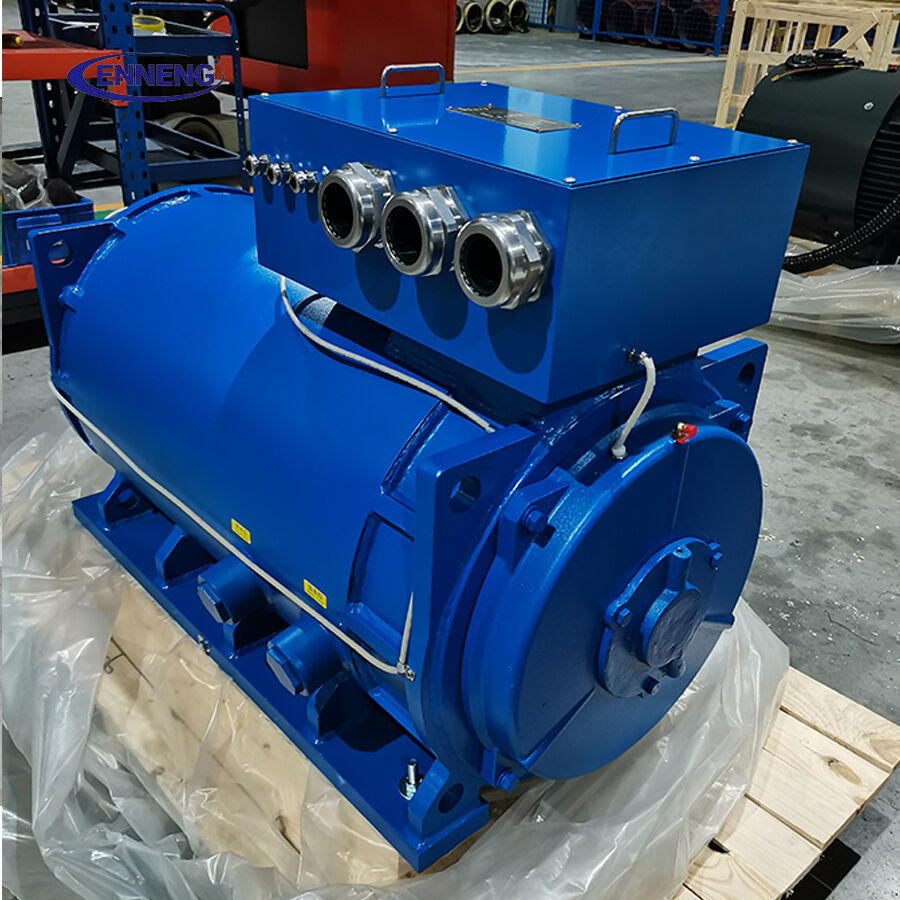
The Retrofit Induction to PMSM conversion replaces an induction machine with a permanent-magnet synchronous motor that holds rated efficiency across a wide load band. In a documented case at a food-processing plant, part-load efficiency stayed above 92 percent while the old IE2 induction unit fell below 80 percent at 40 percent load. ENNENG offers TYB-series PMSM units rated from 0.55 kW to 2500 kW with IP55 enclosure, Class F insulation, and IE4 or IE5 performance.
|
Parameter
|
Induction (IE3)
|
ENNENG PMSM (IE5)
|
|
Efficiency at 40 percent load
|
about 80 percent
|
about 93 percent
|
|
Rotor loss
|
high, from slip
|
near zero
|
|
Frame size at same power
|
100 percent
|
about 65 percent
|
|
Mass
|
100 percent
|
about 60 percent
|
|
Part-load efficiency class
|
IE3
|
IE5
|
A Retrofit Induction to PMSM job also removes the gear stage in many fan and pump applications, which cuts transmission loss. ENNENG low-speed direct-drive permanent-magnet motors deliver torque at the shaft without a gearbox, so the result includes fewer rotating seals and a smaller footprint. The Retrofit Induction to PMSM path is especially strong where the load runs below half rating for long periods, because the permanent-magnet rotor keeps efficiency high where induction machines fade. Sites that complete a Retrofit Induction to PMSM upgrade usually see the biggest gain during off-peak demand windows, when the driven machine would otherwise sit at a poor part-load point. Cooling also improves: with no slip loss, the permanent-magnet unit runs cooler, which extends winding life and reduces the load on local ventilation. Torque density is another advantage: the permanent-magnet rotor reaches the needed torque at lower speed, which is why a direct-drive unit can couple straight to a slow fan without a gearbox.
Authoritative Citations
International reference points support the measurement-first approach. IEC 60034-30-1 defines the IE efficiency classes that a Retrofit Induction to PMSM project should target, and IEC 60034-1 sets the general performance and test rules. ISO 50001 asks sites to base energy-improvement decisions on measured data, which is exactly the discipline a Retrofit Induction to PMSM study requires. OSHA 29 CFR 1910.307 covers electrical installations and lockout exposure during motor change-out, so the Retrofit Induction to PMSM scope must include a safe isolation plan. ISO 10816 gives vibration limits that protect the new coupling and the driven machine during the Retrofit Induction to PMSM commissioning. These standards turn a vague upgrade idea into a documented, auditable procedure that survives both an internal audit and a utility incentive review. Local electrical codes also matter, and many plants pair the motor upgrade with a documented arc-flash review before energizing the new panel.
Practical Value
Begin a Retrofit Induction to PMSM study with a one-week power log at the driven machine, capturing starting current, steady torque, and daily load shape. Match the ENNENG frame to the measured peak, not the nameplate peak, and keep a 10 percent thermal margin. During commissioning, verify vibration against ISO 10816 and re-check the drive parameters after the first 200 running hours. A Retrofit Induction to PMSM program should include a six-month inspection of bearings and cooling paths, because the saving only compounds when the unit stays healthy. Keep the original duty data on file to justify the next Retrofit Induction to PMSM phase, and review the energy meter every quarter so the documented gain is never lost to drift in operating practice. Train the local operator on the drive interface during the first week, because most early alarms come from parameter confusion rather than hardware fault. Document the before-and-after meter reading in the same spreadsheet used for the energy audit, so finance can see the return without a separate report.
Contact ENNENG
If you are evaluating commercial permanent magnet motors for sale and need an engineered drive solution that guarantees efficiency and longevity, ENNENG is your trusted partner.Contact ENNENG Today.Speak to our technical engineering team to receive a customised drive proposal.
-
WhatsApp: +86 18562780228
-
E-Mail: [email protected]
-
Phone: +86 532 66000559
-
Address: Haichuang New Energy & New Materials Industrial Park, No. 1 Guiding Road, Licang District, Qingdao, Shandong, China
-
Website: www.ennengmotor.com
FAQ
Q: How long does a typical Retrofit Induction to PMSM project take from survey to commissioning?
A: A single-machine Retrofit Induction to PMSM job usually runs six to ten weeks from the first power log to commissioning. The survey and duty mapping take one to two weeks, while factory build and test take three to five weeks. On-site change-out and tuning need a few days. Larger programs are phased over several months so production is never stopped at once. The biggest schedule risk is poor duty data, so a clean measurement week protects the whole timeline.
Q: Will a Retrofit Induction to PMSM upgrade work on an old geared fan or pump?
A: Yes, a Retrofit Induction to PMSM upgrade usually removes the gear stage, because the permanent-magnet motor runs at the low speed the fan or pump needs. ENNENG direct-drive units deliver full torque at the shaft, so the gearbox, its oil, and its seals are retired. The main check is mechanical: shaft height, flange pattern, and space at the machine. Where the old unit had a large reduction ratio, the new drive is smaller, lighter, and quieter.
Q: What is the usual payback period for a Retrofit Induction to PMSM conversion?
A: Payback for a Retrofit Induction to PMSM conversion depends on run hours and electricity price, but sites with continuous duty recover cost in eighteen to thirty-six months. The gain comes from part-load efficiency, removed gear loss, and lower downtime. A utility running twenty hours a day often lands near the short end, while a part-day machine sits nearer the long end. ENNENG provides a saving estimate built from logged duty data, so it reflects the real load shape.

 EN


