
why-equipmentlifecycle-cost-serves-as-key-reference-index-for-pmsm-vs-induction-motor-cost-decisionmaking-work, why-equipmentlifecycle-cost-serves-as-key-reference-index-for-pmsm-vs-induction-motor-cost-decisionmaking-work, /blog
EN

2026/10/15
In continuous-duty petrochemical refineries, municipal water pumping stations, and automated textile spinning mills, procurement departments frequently evaluate rotating machinery tenders by comparing upfront invoice prices alone. When facility buyers base a PMSM vs Induction Motor Cost decision solely on initial capital expenditure (CapEx), legacy squirrel-cage asynchronous motors appear deceptively economical on paper. However, within the first eighteen months of 24/7 operation, cumulative monthly utility bills, reactive power utility penalties, and unscheduled bearing replacement outages rapidly eclipse the original purchase price of the motor.
According to international industrial energy audits, the initial purchase price of an electric motor accounts for merely 2% to 5% of its total 15-year equipment life-cycle cost (LCC), while consumed electrical energy represents 90% to 95% of total ownership expenditure. Ignoring operational expenditure (OpEx) in a PMSM vs Induction Motor Cost comparison locks manufacturing plants into decades of avoidable kilowatt-hour waste. Integrating an ultra-efficient permanent magnet synchronous motor from ENNENG transforms the PMSM vs Induction Motor Cost equation by slashing continuous electrical consumption and maintenance downtime across the entire service life of the equipment.
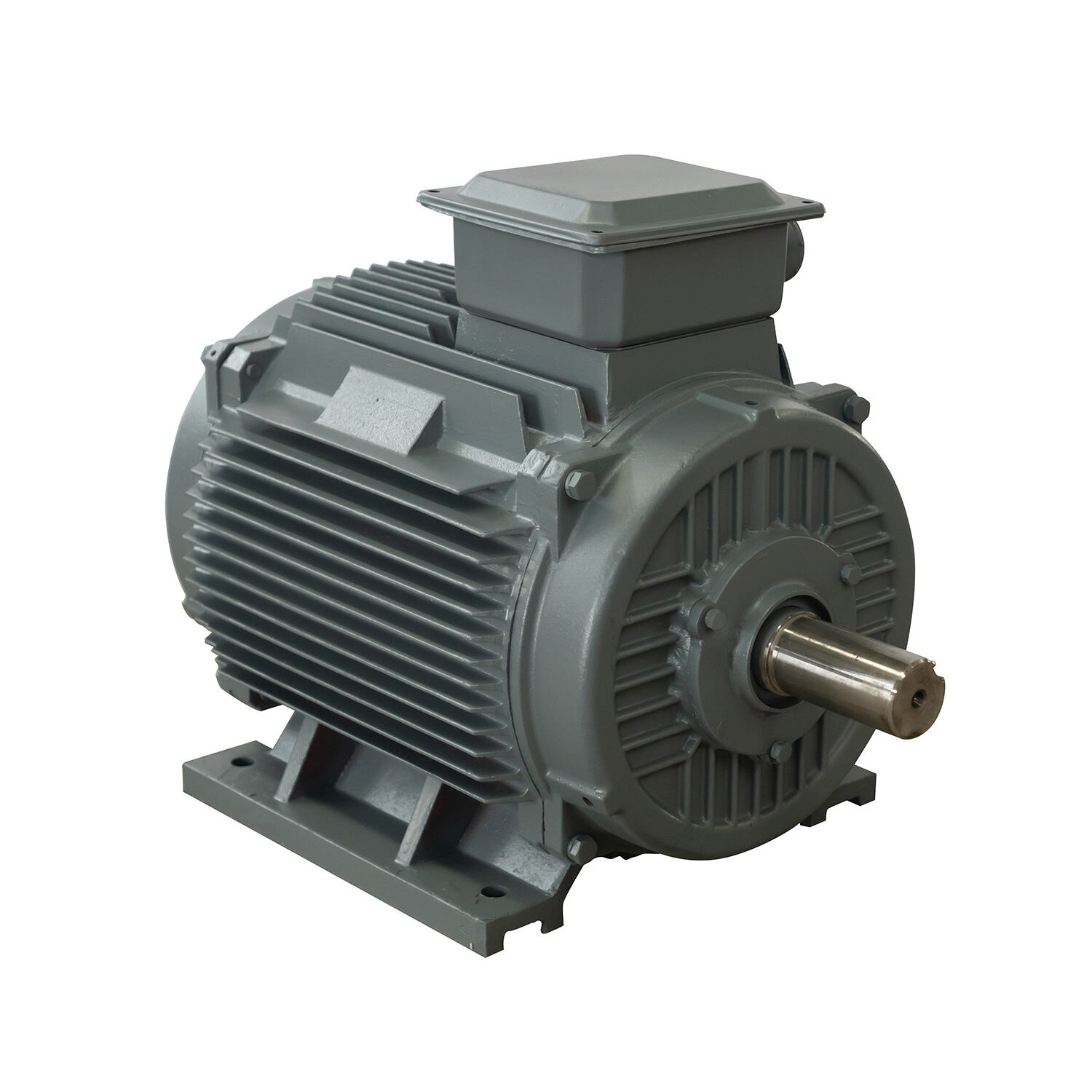
A conventional squirrel-cage induction motor relies on stator windings to induce electrical current inside rotor bars to establish a magnetic field and generate torque. This electromagnetic induction process creates continuous rotor copper losses (I2R) and slip heat, which severely penalizes the long-term PMSM vs Induction Motor Cost balance. Furthermore, when industrial pumps, compressors, or conveyors operate at partial loads between 30% and 70% capacity, an asynchronous motor continues drawing high fixed reactive magnetizing current—causing its power factor and electrical efficiency to drop sharply while inflating monthly electricity invoices.
Evaluating PMSM vs Induction Motor Cost through a rigorous equipment life-cycle cost lens reveals three decisive financial advantages of ENNENG permanent magnet technology:
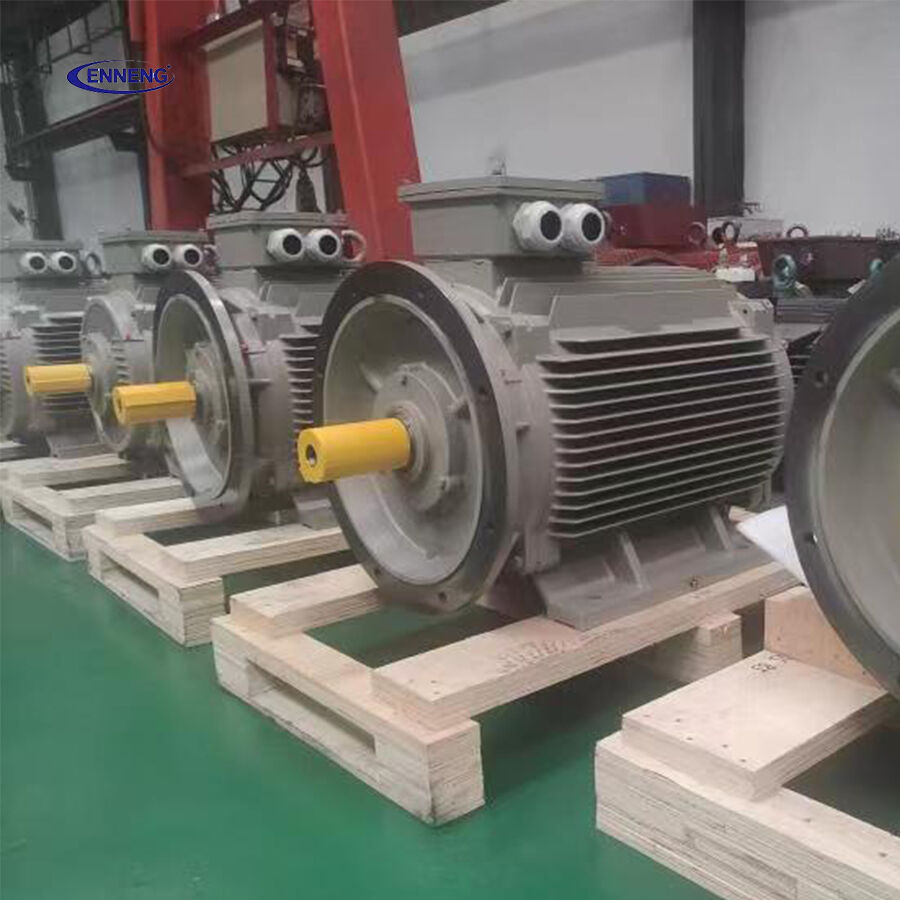
When plant financial controllers calculate net present value (NPV) and payback period in a PMSM vs Induction Motor Cost assessment, ENNENG permanent magnet motors routinely recover their initial price differential within 8 to 18 months of continuous duty. Engineered across a unified voltage range of 110V–690V, ENNENG drive systems reduce stator line current draw, alleviating thermal load on existing plant switchgear and distribution transformers. Alongside industrial propulsion motors, ENNENG applies this lifecycle cost optimization to permanent magnet generators spanning a unified 5kW–5MW power range (110V–690V) and vertical axis wind turbines from 1kW–10kW, with a main focus on 3kW, 5kW, and 10kW renewable microgrid units.
Enterprise engineering teams formalize PMSM vs Induction Motor Cost evaluations using internationally recognized reliability and energy frameworks. IEC 60300-3-3 (Dependability management – Application guide – Life cycle costing) mandates that industrial asset procurement account for acquisition, installation, energy consumption, preventative maintenance, and decommissioning costs. Simultaneously, specifying ENNENG motors verified under IEC TS 60034-30-2 (IE5 ultra-premium efficiency classification) and IEC 60034-2-1 loss-testing protocols provides audited kilowatt-hour reduction metrics required for ISO 50001 energy management certification and green corporate financing.
In air separation plants and chemical circulation loops running over 7,500 hours per year, electricity costs dominate the PMSM vs Induction Motor Cost ratio. Replacing legacy asynchronous drives with ENNENG synchronous motors immediately lowers baseline kilowatt demand and eliminates seasonal thermal overload trips.
To conduct an accurate PMSM vs Induction Motor Cost audit and maximize equipment lifecycle return on investment, implement these engineering protocols:
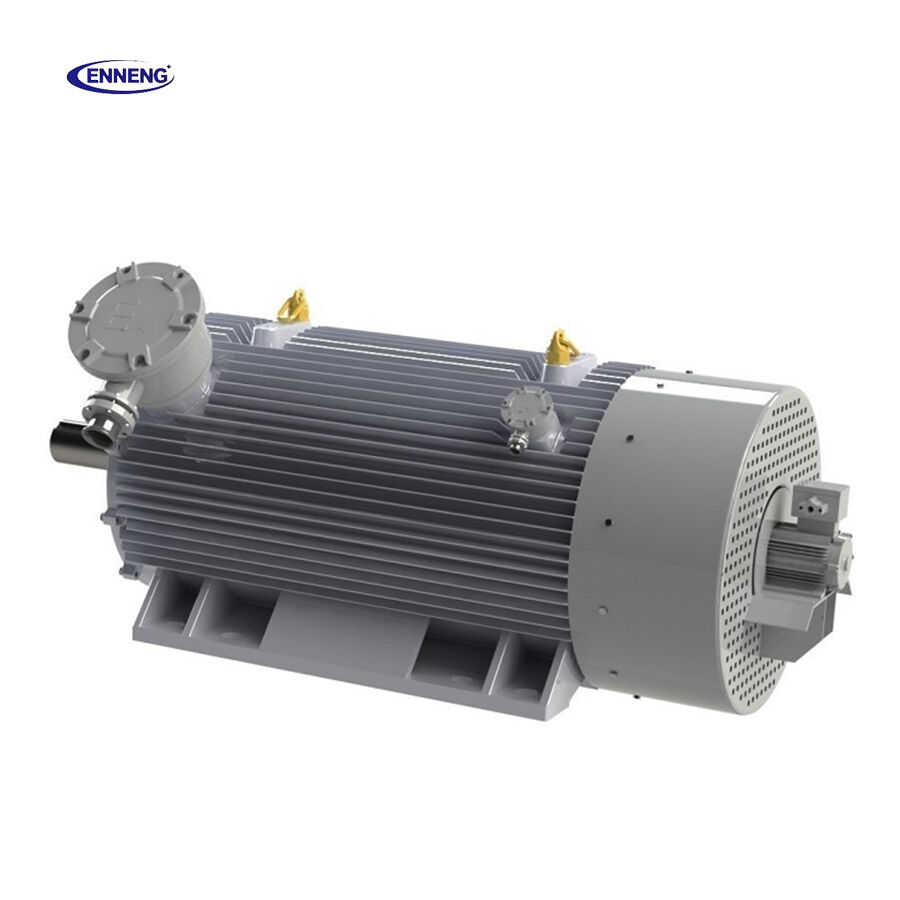
Maximizing lifecycle return on investment requires avoiding expensive foundation modifications during plant upgrades. ENNENG custom-engineers its motor portfolio to optimize the PMSM vs Induction Motor Cost equation—offering drop-in IEC and NEMA mounting footprints, customized shaft extensions, and tailored voltage windings across the unified 110V–690V range so facilities can upgrade legacy equipment with zero structural rework.
Contact ENNENG Today.
Consult the ENNENG technical engineering team to perform a comprehensive PMSM vs Induction Motor Cost lifecycle audit and receive a customised drive proposal.
A: Upfront purchase price accounts for less than 5% of an industrial motor's total lifetime expenditure, whereas electricity consumption accounts for over 90%. In a comprehensive PMSM vs Induction Motor Cost analysis, the slightly higher initial investment for an ENNENG permanent magnet motor is rapidly offset by substantial kilowatt-hour savings, higher partial-load efficiency, and reduced maintenance downtime.
A: Asynchronous induction motors suffer steep efficiency and power factor drops when running below 60% load due to fixed reactive magnetizing current. In a PMSM vs Induction Motor Cost evaluation for variable-flow pumps, fans, or compressors, ENNENG permanent magnet motors maintain a flat, ultra-high efficiency curve across partial loads, accelerating capital payback to under 18 months.
A: ENNENG engineers industrial motors and generators across a unified voltage range of 110V–690V to integrate seamlessly into global factory power networks. Alongside lifecycle-optimized drive motors, ENNENG manufactures permanent magnet generators across a unified 5kW–5MW power range and vertical axis wind turbines spanning 1kW–10kW (focusing on 3kW, 5kW, and 10kW models).


 EN