
why-explosion-proof-pm-motor-is-essential-for-petrochemical-and-hazardousgas-workshops, why-explosion-proof-pm-motor-is-essential-for-petrochemical-and-hazardousgas-workshops, /blog
EN

2026/09/11
A paint shop added a new mixer and installed a standard drive in what an audit later classed as a Zone 1 area, where solvent vapor can appear during cleaning. The safety review stopped production until the unit was replaced. An explosion proof PM motor was specified to remove the ignition source the standard unit presented. The retrofit cost far more than choosing the right motor at the start, and the lost production dwarfed the saving.
An area-classification study mapped where flammable vapor could accumulate and rated each space by gas and frequency. The mixer sat inside a Zone 1 boundary, yet ran a motor with no hazardous-area certification. An explosion proof PM motor would have met the zone from day one. The gap was found on paper, before any incident, which is the only good way to find it in a petrochemical hall.
A normal motor can arc inside, run hot on the surface, and spark at the terminals. In a hazardous-gas workshop those are ignition sources, not minor faults. An explosion proof PM motor is built so an internal fault cannot ignite the surrounding atmosphere, through containment, limited surface temperature, and sealed entries. The difference is certified, not assumed, and the certificate is what the inspector reads.
The protection is a set of engineered barriers, each aimed at a specific ignition path, and all of them must hold for the unit to be safe.
The Ex d flameproof design surrounds live parts with a heavy enclosure that can withstand an internal explosion and cool the escaping gas below ignition. An explosion proof PM motor uses this method so a fault stays contained. The flange gaps are precise, because their width and length quench the flame front. That is why only certified units belong in the zone, and why field modification is forbidden.
Every hazardous area has a gas group and a temperature class the motor must respect. An explosion proof PM motor carries a T-rating (T1 to T6) below the auto-ignition of the local vapor, and a group matching the gas. IEC 60079 defines the scheme; specifying the wrong T-class turns a safe unit into a hazard. The nameplate must match the plant's gas, not a generic one pulled from a catalogue.
A permanent-magnet rotor needs no brushes or slip rings, removing a common spark source. An explosion proof PM motor therefore adds one less ignition risk on top of the certified enclosure. Fewer arcs inside means fewer things to contain, which simplifies the safety case in a petrochemical hall. The magnet design also tends to run cooler at the surface, widening the margin to the T-class limit.
Paperwork and matching are where projects go wrong, not the hardware itself, and the mistakes are rarely caught until an inspector arrives.
A motor certified for one gas may be unfit for another with a lower auto-ignition point. An explosion proof PM motor must match the exact zone, group, and T-class of its mounting point. OSHA 1910.307 and the relevant national code require the correct classification be documented. A mismatch can void the protection even if the enclosure looks right, because the rating is what keeps the vapor from igniting.
Even a certified unit fails if installed poorly. IEC 60079-14 governs terminating, bonding, and conduit sealing for an explosion proof PM motor, because a loose entry lets vapor reach the inside. Proper grounding and certified glands keep the barrier intact. Installation quality is part of the certification, not separate from it, so the electrician's work is as important as the foundry's.
The safe life of the motor depends on choices made before and after mounting, and both sides need the same discipline.
Start from the area classification: zone, gas group, and T-class at the exact location. An explosion proof PM motor should carry the matching IEC 60079 or ATEX marking and the right protection method for the gas. Share the plant's gas list with the supplier so the unit is confirmed, not guessed. Confirm the marking before the purchase order is placed, because returns from a hazardous-area job are painful. Certified enclosures still need checks: gland tightness, flange condition, and surface temperature trends. An explosion proof PM motor on a planned route stays safe longer than one left until it faults. Never drill or modify the enclosure, because that breaks the certified barrier. Log each inspection so the safety file stays current for auditors, who will ask for the record before they ask for the motor.
An explosion proof PM motor should also be selected with the plant's full gas list in hand, not a single representative vapor, because a site often handles several chemicals across shifts. A unit matched only to the obvious gas may be unfit for the one that appears at cleaning time. The area study, not the catalogue, defines the real requirement, and the marking on the nameplate must reflect it.
An explosion proof PM motor that is installed and logged correctly becomes a quiet asset, while one that is guessed becomes a recurring audit finding. The difference is mostly discipline at specification and commissioning, not the hardware itself. Treat the certificate as a living document, and the safety case stays intact for the life of the equipment.
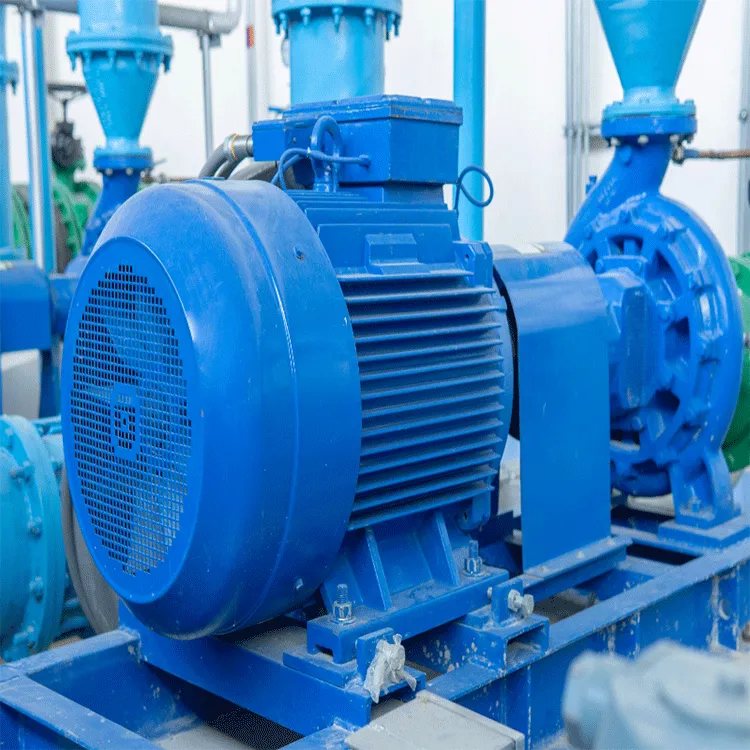
It means the motor is built so an internal fault cannot ignite a surrounding flammable atmosphere, usually through a flameproof enclosure that contains an arc and cools escaping gas. An explosion proof PM motor meets this by certified design, not by hope. The enclosure, gaps, and seals are tested as a system. Paper certification, not appearance, proves the protection, and the certificate travels with the unit.
IEC 60079 is the core series for explosive atmospheres, with IEC 60079-14 covering installation. ATEX 2014/34/EU applies in Europe, while OSHA 1910.307 and the NEC govern U.S. sites. An explosion proof PM motor should carry the marking for the region where it runs. Always match the standard to the plant's location and gas, because a European mark does not satisfy a U.S. inspector.
The T-class is set below the auto-ignition temperature of the local vapor, from T1 for high-ignition gases down to T6 for very low. An explosion proof PM motor must carry a T-rating colder than the plant's worst gas. IEC 60079 defines the ladder; the area study names the gas. Specifying the wrong class defeats the certified safety, because the surface may then exceed the ignition point.
No. A permanent-magnet rotor has no brushes or slip rings, so it removes a common spark source inside the machine. An explosion proof PM motor therefore carries one less ignition path on top of the certified enclosure. Fewer arcs simplify the safety case in a petrochemical hall. The magnet also tends to keep the surface cooler, which helps the unit stay under its T-class limit.
Never. Drilling or cutting breaks the flame path and voids the certification, because the tested gaps and seals are what contain a fault. An explosion proof PM motor must stay as delivered, with only certified glands and entries used. Any modification turns a safe unit into an unclassified one. Repairs go back to the maker or a certified shop, never to a general workshop with a drill.
A planned route checking glands, flange condition, and surface temperature each period keeps the barrier sound. An explosion proof PM motor left until failure risks a broken seal letting vapor inside. Log every inspection so the safety file stays audit-ready. Tie the interval to the area's risk rating, not a generic calendar, because a Zone 1 mixer deserves more attention than a remote pump.


 EN