
why-explosion-proof-pm-motor-is-indispensable-for-chemical-and-petrochemical-manufacturing-workshops, why-explosion-proof-pm-motor-is-indispensable-for-chemical-and-petrochemical-manufacturing-workshops, /blog
EN

2026/09/21
A solvent recovery unit in a petrochemical workshop ran its circulation blower inside a Zone 1 area where flammable vapour is expected to be present during normal operation. The plant had specified an ordinary motor behind a purge system, until a routine inspection found the purge flow had drifted below the safe threshold for weeks. An Explosion Proof PM Motor rated to the correct gas group and temperature class would have removed that dependence on auxiliary protection, because the machine itself contains any arc or hot surface behind a flameproof enclosure.
The same logic applies wherever a flammable atmosphere is possible, from solvent storage to paint booths, because the Explosion Proof PM Motor treats the hazard as a design input rather than an afterthought.
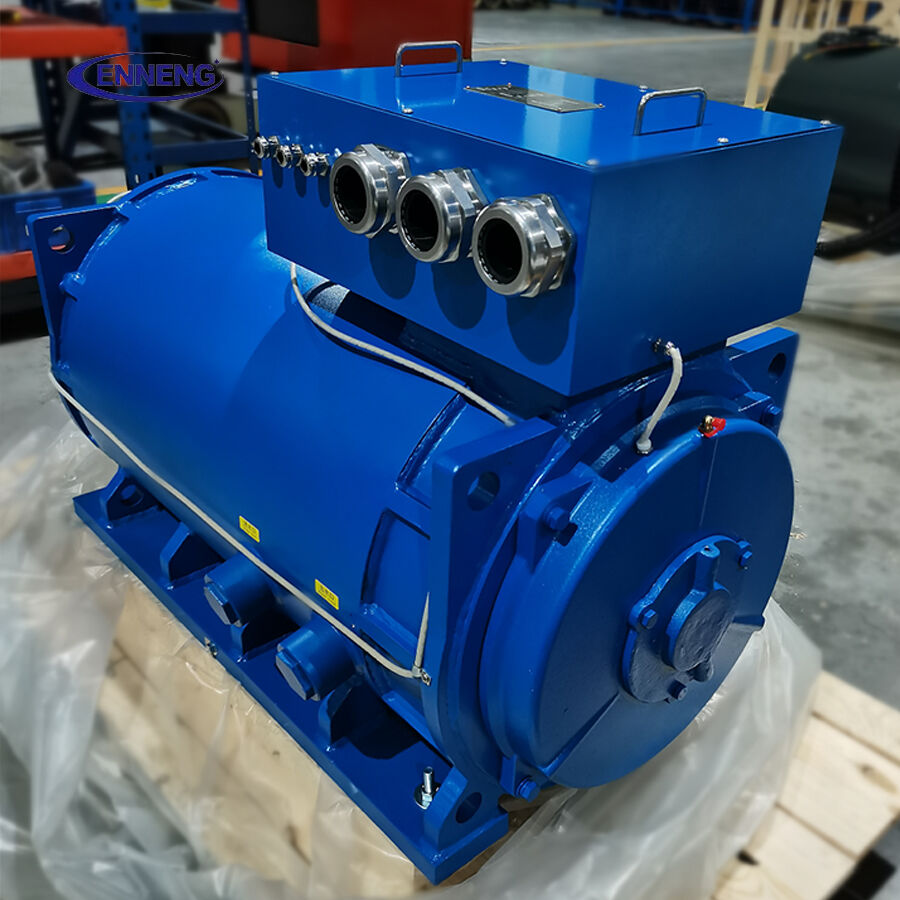
The hidden danger is that a standard motor is built to move air, not to survive a flammable atmosphere. Its internal arcs, slipping contacts, and surface heat sit one fault away from ignition, and the risk grows as the machine ages and seals harden. An Explosion Proof PM Motor answers this by design rather than by add-on, but many sites still buy on price and learn the cost of a classified-area violation during an audit. ENNENG removes the guesswork by supplying units built and tested to the recognised hazardous-area scheme, with the paperwork that lets a safety officer sign the area off without a workaround.
The Explosion Proof PM Motor also removes the weak link that purge systems create, since a purge depends on air that can fail silently. When protection moves into the machine itself, the area stays classified-safe even if the auxiliary system drifts, which is the condition most audits eventually find. Sites that specify the Explosion Proof PM Motor on the enclosure first, then the efficiency, avoid the false comfort of a workaround nobody was watching.
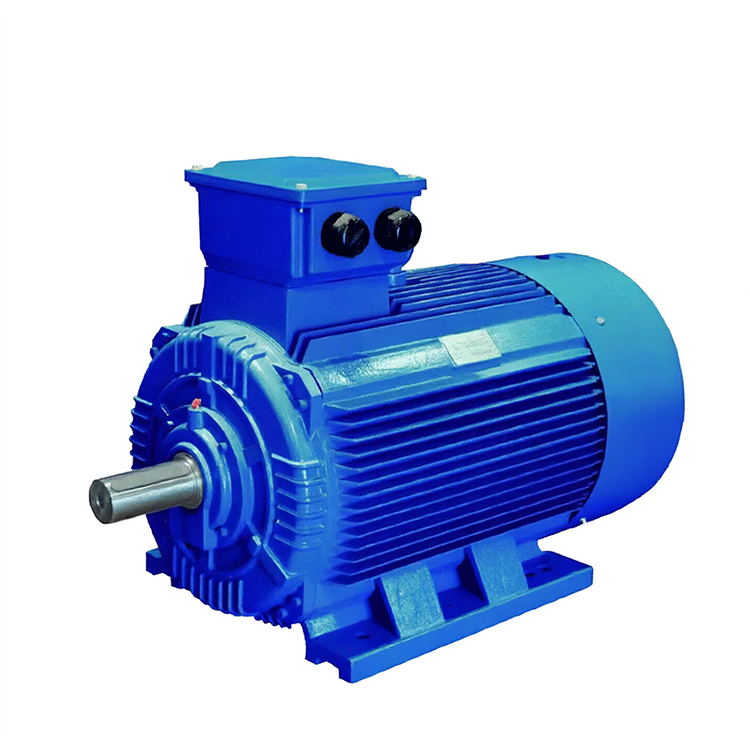
The ENNENG flameproof permanent-magnet platform pairs the IE4 or IE5 rotor with an EX d enclosure that contains an internal explosion and cools the vented gas below the auto-ignition temperature of the surrounding atmosphere. The table below contrasts a standard enclosed motor with the certified Explosion Proof PM Motor on the points that decide whether a workshop stays permitted to run.
|
Dimension |
Standard enclosed motor |
Explosion Proof PM Motor |
|
Ignition containment |
None, relies on purge |
Flameproof EX d enclosure |
|
Surface temperature |
Uncontrolled at overload |
Limited by T-class rating |
|
Efficiency at part load |
Drops with slip |
Holds IE5 band |
|
Ingress protection |
Often IP54 |
IP55 as standard |
|
Audit evidence |
Minimal |
Certified, documented |
A credible Explosion Proof PM Motor is selected on the gas group and T-class first, then on efficiency. ENNENG units in Class F insulation run with thermal margin that keeps the external surface inside its rated temperature class even when the process heats the room, which is the condition most often missed during a hasty specification. The permanent-magnet rotor also runs cooler than an induction equivalent at the same shaft power, so the enclosure has less heat to reject and the temperature-class margin stays honest under summer load.
A further reason to specify the Explosion Proof PM Motor is the load profile of a chemical workshop, which swings with batch cycles and cleaning runs that an induction unit would meet with extra current and heat. The permanent-magnet design meets those swings without leaving its temperature class, so the safety case does not rest on an operator noticing a hot day. ENNENG documents the thermal margin against the worst local ambient, giving the safety officer a number rather than an assumption.
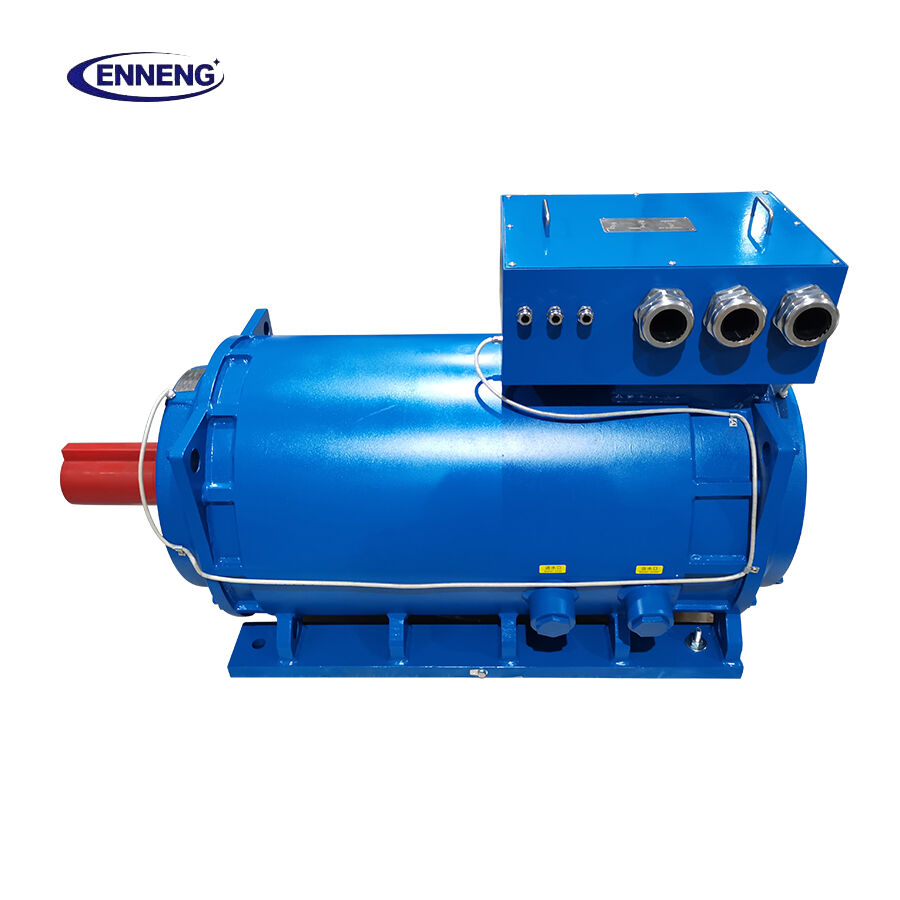
Hazardous-area duty is one of the most regulated corners of industrial power, and the Explosion Proof PM Motor is judged against a clear stack of references. IEC 60079 defines the equipment protection methods, zones, gas groups, and temperature classes that a certifying body verifies. The ATEX 2014/34/EU directive applies the same principles across European worksites, while NFPA 70, the National Electrical Code, handles classified locations through Article 500 in the United States. OSHA 29 CFR 1910.307 obliges employers to use equipment suited to the location, and IEC 60034 rounds out the motor performance side. Citing these together turns a purchase into a defensible safety decision rather than a hope.
Specifying the right Explosion Proof PM Motor starts with the area classification drawn by a competent person: the zone, the gas group, and the T-class the process demands. An Explosion Proof PM Motor must be matched to the process gas group before the frame is chosen, because the enclosure and the certification follow the hazard, not the horsepower. ENNENG prepares the hazardous-area file for the target market so the unit clears the audit in one move. Choose the enclosure protection method that matches the zone, confirm the IP55 ingress rating, and verify the certificate covers the exact gas group rather than a generic claim. During installation, protect the conduit entries and torque the flamepath joints to the stated values, because a loose cover defeats the containment. Maintenance stays inspection-led: check the flamepath for damage, confirm the temperature-class label is intact, and log surface temperature at full load each season so drift shows before it becomes a violation.log surface temperature at full load each season so drift shows before it becomes a violation. The Explosion Proof PM Motor rewards this light discipline, because the containment that does the safety work needs only inspection, not constant intervention.
ENNENG builds flameproof permanent-magnet machines under ISO 9001 and CE, with hazardous-area documentation prepared for the target market. Share the area classification and the driven load profile with the engineering team to receive a motor matched to the gas group, T-class, and voltage inside the 110V to 690V range.
Contact ENNENG using any of the routes below:
A: The difference is containment. A standard motor relies on external purge or separation to stay safe, while an Explosion Proof PM Motor carries a flameproof EX d enclosure that contains any internal arc and cools vented gas below the ignition point. It is also rated to a gas group and temperature class, and it ships with certification that a safety officer can verify. The permanent-magnet rotor runs cooler, which protects the temperature-class margin under real process heat.
A: IEC 60079 sets the zones, gas groups, and temperature classes that define the rating, supported by ATEX 2014/34/EU in Europe and NFPA 70 Article 500 in the United States. A competent person classifies the area first, then the motor is chosen to match that zone and group. OSHA 29 CFR 1910.307 requires the equipment to suit the location, so the certificate must name the exact gas group rather than a generic claim.
A: It does, because the enclosure changes the housing, not the rotor physics. The ENNENG flameproof unit still holds its IE5 efficiency at part load, and the cooler permanent-magnet rotor actually helps the surface stay within its temperature class. The gain over an induction equivalent grows where the duty is variable, which describes most chemical and petrochemical auxiliary loads across a production week.
A: Maintenance is inspection-led and conservative. Check the flamepath for damage, keep the certificate and temperature-class label intact, and protect every conduit entry during work. Log the external surface temperature at full load each season so any drift appears before it becomes a classified-area violation, and never modify the enclosure, because a changed flamepath defeats the containment the rating depends on.


 EN