
 EN

In a corrosive chemical workshop, choosing an Explosion Proof PM Motor is not simply a matter of matching power, speed, and hazardous-area marking. The motor may face vapor, splashes, washdown, deposits, temperature cycling, and a classified atmosphere at the same time. A material that tolerates an ordinary factory environment can corrode, swell, crack, or lose sealing performance in this combination of conditions. That is why an Explosion Proof PM Motor specification needs a documented material-compatibility review alongside the hazardous-area review.
From an application-engineering perspective, the first useful question is not “Which coating is strongest?” It is: what actually reaches each motor surface, for how long, at what temperature, and during which operating or cleaning cycle? The answer changes the material choices for the enclosure, fasteners, cable entries, seals, bearings, terminal-box hardware, and protective finish. It also changes how a PM Synchronous Motor should be installed and maintained.
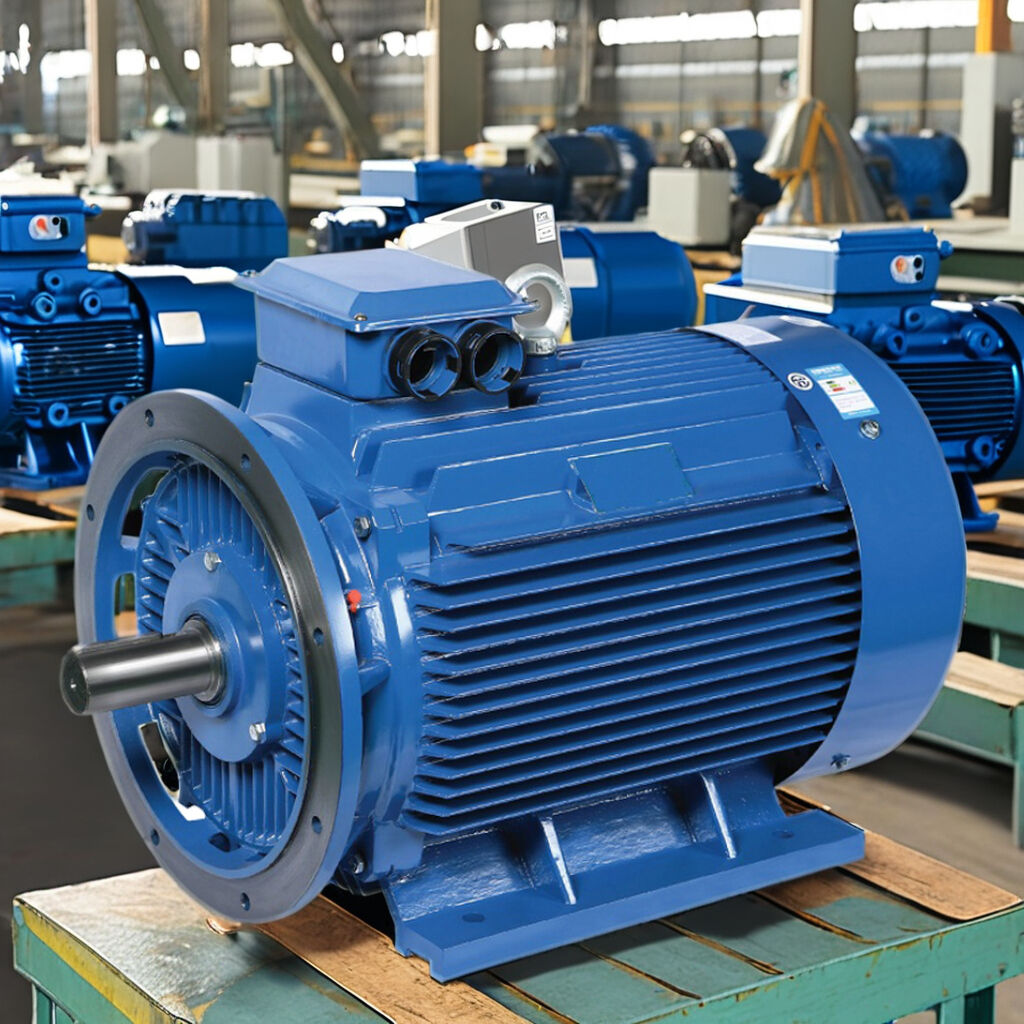
Explosion protection and corrosion resistance solve different problems
An Explosion Proof PM Motor is selected for a defined hazardous location and protection concept. Its construction is intended to prevent a potential ignition event inside the equipment from becoming an ignition source outside it, within the limits of its certificate, markings, installation rules, and service conditions. Corrosion resistance is a separate engineering question: whether the materials will retain their dimensions, mechanical integrity, surface condition, and sealing function when exposed to the actual process environment.
Those two reviews overlap, but one cannot replace the other. A correctly certified Explosion Proof PM Motor is not automatically compatible with every acid mist, alkaline wash, chloride-bearing atmosphere, solvent, or process residue. Conversely, stainless hardware or a high-build coating does not create hazardous-area approval. The project team should verify the applicable certificate and installation requirements, then evaluate chemical exposure against the manufacturer’s documented materials and limitations.
Where corrosive chemicals can compromise the motor
Material selection should follow the exposure path rather than focus only on the outer frame. In practice, an Explosion Proof PM Motor has several vulnerable interfaces:
- Enclosure and external finish: The housing and coating must resist the expected splash, vapor, condensation, and cleaning agents. Damage at edges, lifting points, or machined faces can become an initiation point for under-film corrosion.
- Fasteners, feet, and shaft-end details: Dissimilar metals and trapped moisture can create localized corrosion. Material grade, plating, isolation, and drainage deserve the same attention as the frame coating.
- Terminal box, cable glands, and stopping plugs: These are sealing interfaces, not accessories. Their bodies, threads, gaskets, and compression elements must remain compatible with the atmosphere and installation method.
- Elastomeric seals: A seal can soften, harden, swell, or crack when exposed to an unsuitable chemical. Once its compression behavior changes, ingress protection and the intended enclosure integrity can be affected.
- Bearings and internal surfaces: If contaminated air or condensate reaches internal areas, lubricant condition and protected surfaces can deteriorate. The result may be premature maintenance rather than an immediate visible failure.
For this reason, a PM Synchronous Motor used in a chemical process should be reviewed as an assembly of materials and interfaces, not as one nameplate item.
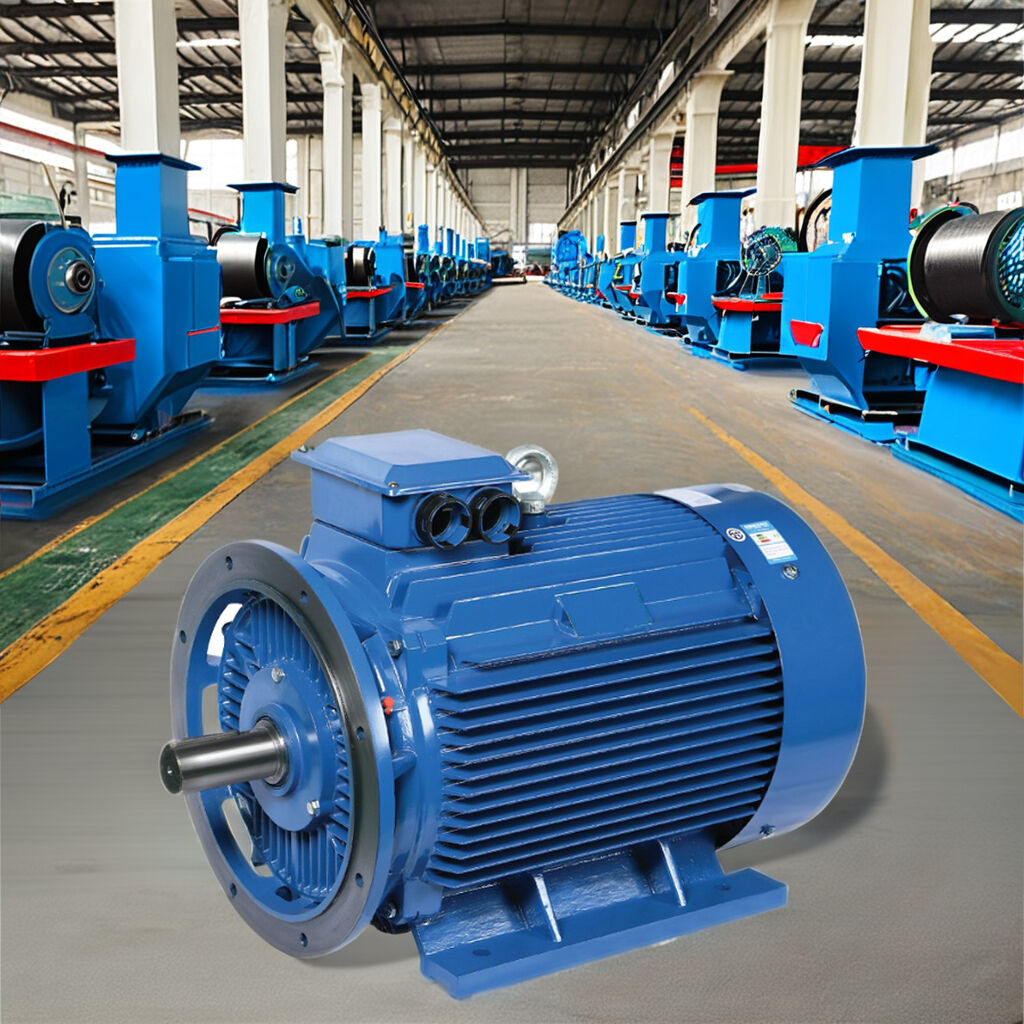
Why permanent-magnet construction makes the review more important
A Explosion Proof PM Motor combines hazardous-area construction with permanent-magnet motor architecture. The efficiency benefit of a permanent-magnet design can be valuable in variable-duty applications, but it does not remove the need to protect the motor from corrosive exposure. The selection team still needs to preserve enclosure integrity, shaft sealing, cooling paths, sensor or cable interfaces where fitted, and service access.
There is also a practical specification issue. A motor may operate for long periods at partial load, then experience cleaning shutdowns, temperature swings, or intermittent process exposure. If ambient conditions stay within the documented limits, a normal material package may be suitable. If washdown chemistry, vapor concentration, or deposition is more aggressive than assumed, the correct response is not to extrapolate from a catalogue image; it is to request a manufacturer compatibility review. That distinction is especially important for an Explosion Proof PM Motor that will be difficult to remove once a line is commissioned.
A practical material-selection workflow
Specify an Explosion Proof PM Motor with a short exposure dossier before finalizing the purchase order. The dossier does not need to disclose confidential process chemistry, but it should provide enough information for a responsible review:
- Define the hazardous location. Record the applicable zone, gas or dust group where relevant, temperature class, installation standard, and required certificate route. Confirm the final marking against the site classification.
- Describe chemicals by exposure mechanism. List liquids, vapors, aerosols, dusts, cleaning agents, concentration ranges, temperature, contact frequency, and whether exposure is splash, immersion, condensation, or continuous atmosphere.
- Map exposure to components. Identify frame, coating, fan cover, terminal box, cable entry, seal, fastener, shaft extension, and mounting surface. An Explosion Proof PM Motor may need different protections at different interfaces.
- Request documented options. Ask the manufacturer which enclosure finish, fastener material, seal compound, gland arrangement, drain or breather strategy, and accessory materials are compatible with the stated duty. Do not infer suitability from a generic “corrosion resistant” label.
- Review installation details. Confirm cable routing, orientation, water traps, earthing, drainage, and access for inspection. Installation can defeat an otherwise appropriate material selection.
- Plan inspection triggers. Define what maintenance staff should look for: coating damage, corrosion around joints, gland loosening, seal degradation, unusual bearing condition, or residue accumulation.
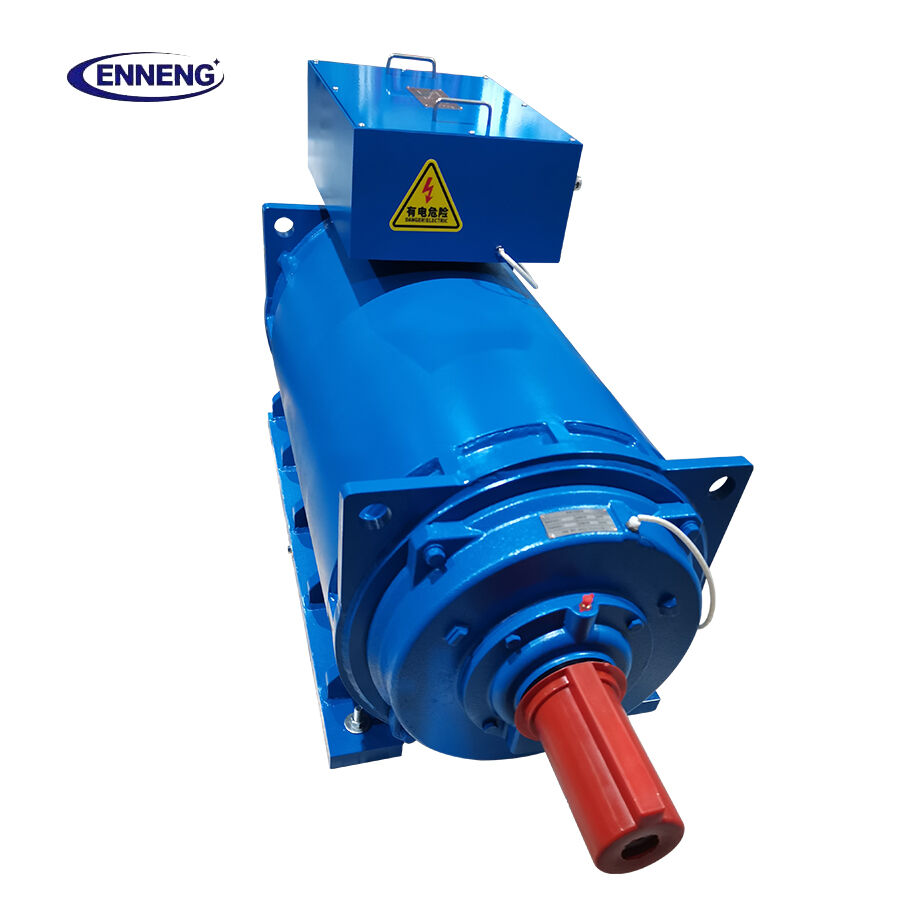
The ENNENG Customisation Advantage
No two industrial facilities share the same spatial or mechanical constraints. ENNENG stands out because we do not just supply off-the-shelf catalogue products; we specialise in delivering a tailor-made permanent magnet motor tailored to your specific application .
Supported by our elite R&D team consisting of engineers from the National Rare Earth Permanent Magnet Engineering Centre, and backed by dozens of patents, we customise high-voltage (6kV/10kV) and low-voltage (380V/660V/1140V) solutions to match your existing footprint. From water treatment facilities and oil wells to explosion-proof mining environments, we deliver optimal performance where general-purpose motors fail .
If you are evaluating commercial permanent magnet motors for sale and need an engineered drive solution that guarantees efficiency and longevity, ENNENG is your trusted partner.Contact ENNENG Today.Speak to our technical engineering team to receive a customised drive proposal.
- WhatsApp: +86 18562780228
- E-Mail: [email protected]
- Phone: +86 532 66000559

