
why-explosion-proof-pm-motor-selection-work-needs-matching-different-explosionhazard-classification-standards, why-explosion-proof-pm-motor-selection-work-needs-matching-different-explosionhazard-classification-standards, /blog
EN

2026/10/16
In petrochemical solvent distillation towers, natural gas compression stations, underground coal mines, and pharmaceutical grain/powder milling rooms, flammable gases, volatile vapors, and combustible dusts mix with ambient air to create potentially explosive atmospheres. Industrial safety audits reveal that improperly specified rotating electrical equipment is a leading ignition source in hazardous industrial incidents. When procurement or plant engineers select an Explosion Proof PM Motor without strictly matching the specific gas group, dust zone, flamepath gap geometry, and surface temperature class (T-rating) of the installation site, a single internal winding fault or overheated frame surface can trigger a catastrophic facility explosion.
Not all hazardous locations share the same ignition physics: containing an internal hydrogen or acetylene detonation requires far tighter flameproof joint clearances than containing propane or methane, while preventing a coal or grain dust cloud ignition requires dust-tight IP6X sealing and strict exterior surface temperature caps. Deploying a certified Explosion Proof PM Motor engineered by ENNENG ensures exact compliance with IEC 60079, ATEX, and NFPA 70 hazardous area classifications while delivering the cool-running thermal safety margin of permanent magnet synchronous technology.
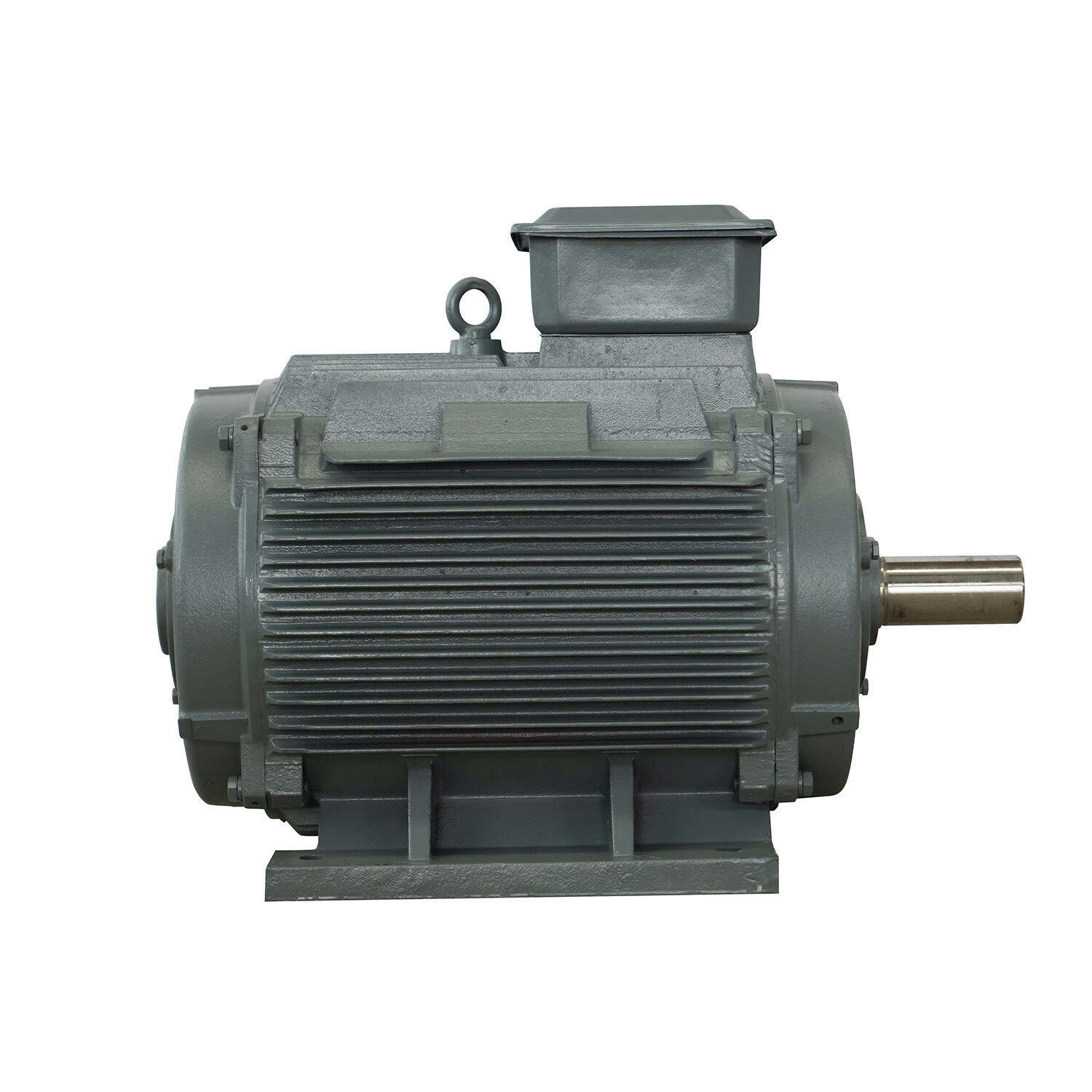
An electric motor can ignite an explosive atmosphere through two primary mechanisms: internal electrical arcing/sparking that escapes the housing, or an external casing surface temperature that exceeds the auto-ignition temperature (AIT) of surrounding gases or dust layers. Under IEC 60079-0 and IEC 60079-10, explosive atmospheres are divided into Group I (underground coal mines with firedamp/methane), Group II (surface gas environments subdivided into IIA propane/methane, IIB ethylene, and IIC hydrogen/acetylene), and Group III (combustible dusts subdivided into IIIA flyings, IIIB non-conductive dust, and IIIC conductive metallic dust). Selecting an Ex d IIB motor for a Zone 1 refinery reformer unit where Group IIC hydrogen is present is fatal—because hydrogen's tiny quenching distance allows internal flames to shoot right through wider IIB flange gaps.
Matching an ENNENG Explosion Proof PM Motor to site hazard classifications provides a decisive thermodynamic safety advantage over conventional explosion-proof asynchronous induction motors:
|
Hazard Classification Parameter |
IEC /IECEx / ATEX System (IEC 60079) |
North American NEC System (NFPA 70 Art. 500) |
ENNENG Explosion Proof PM Motor Matching |
|
Underground Coal Mines (Methane) |
Group I (EPL Mb / Ex db I Mb) |
Mine Safety (MSHA Permissible) |
Low-Temp-Rise Cast-Iron Flameproof Frame |
|
Surface Flammable Gases & Vapors |
Group II: Zone 1 / Zone 2 (IIA, IIB, IIC) |
Class I, Division 1 / Division 2 (Groups A–D) |
Precision Ex db IIA / IIB / IIC Flamepaths |
|
Combustible Dust Atmospheres |
Group III: Zone 21 / Zone 22 (IIIA, IIIB, IIIC) |
Class II, Division 1 / Division 2 (Groups E–G) |
Ex tb IIIC IP65/IP66 Dust-Tight Sealing |
|
Surface Temperature Class |
T1 (450°C) down to T4 (135°C) / T6 (85°C) |
T1 to T6 (Plus Max Dust Layer Temp Limit) |
Zero Rotor Copper Loss Ensures Cool T4/T5 Margin |
|
Unified Voltage Range |
Converter-Fed Variable Voltage |
Inverter-Duty Hazardous Rated |
110V–690V Unified Voltage Range |
Traditional line-started explosion-proof induction motors draw 600% to 800% locked-rotor inrush current during startup, creating intense thermal stress in stator end-windings and voltage dips in hazardous-area switchgear. Operating across a unified voltage range of 110V–690V via a dedicated variable frequency drive located in the safe electrical room, an ENNENG Explosion Proof PM Motor starts smoothly with 150%+ breakaway torque while limiting startup current to rated nameplate levels. Furthermore, achieving IE5 ultra-premium efficiency cuts continuous electrical power consumption in 24/7 chemical and oil-and-gas processes. Alongside hazardous-area drive motors, ENNENG manufactures permanent magnet generators across a unified 5kW–5MW power range (110V–690V) and vertical axis wind turbines spanning 1kW–10kW (focusing on 3kW, 5kW, and 10kW models).
Every ENNENG Explosion Proof PM Motor is designed and tested in strict accordance with international explosive atmosphere standards. Flameproof gas-group enclosures conform to IEC 60079-1 (Equipment protection by flameproof enclosures "d"), featuring reinforced cast-iron wall thicknesses, pressure-relief labyrinth shaft joints, and explosion-proof terminal boxes. For combustible dust environments (such as coal pulverizers, pharmaceutical mills, and grain elevators), enclosures satisfy IEC 60079-31 (Equipment dust ignition protection by enclosure "t" – Ex tb IIIC Db IP65/IP66). Moreover, because converter-fed operation requires combined motor-drive thermal certification under ATEX Directive 2014/34/EU and NFPA 70 Article 500, ENNENG incorporates IEC 60034-18-41 partial-discharge-free VPI insulation and certified sole-source thermal protection sensors.
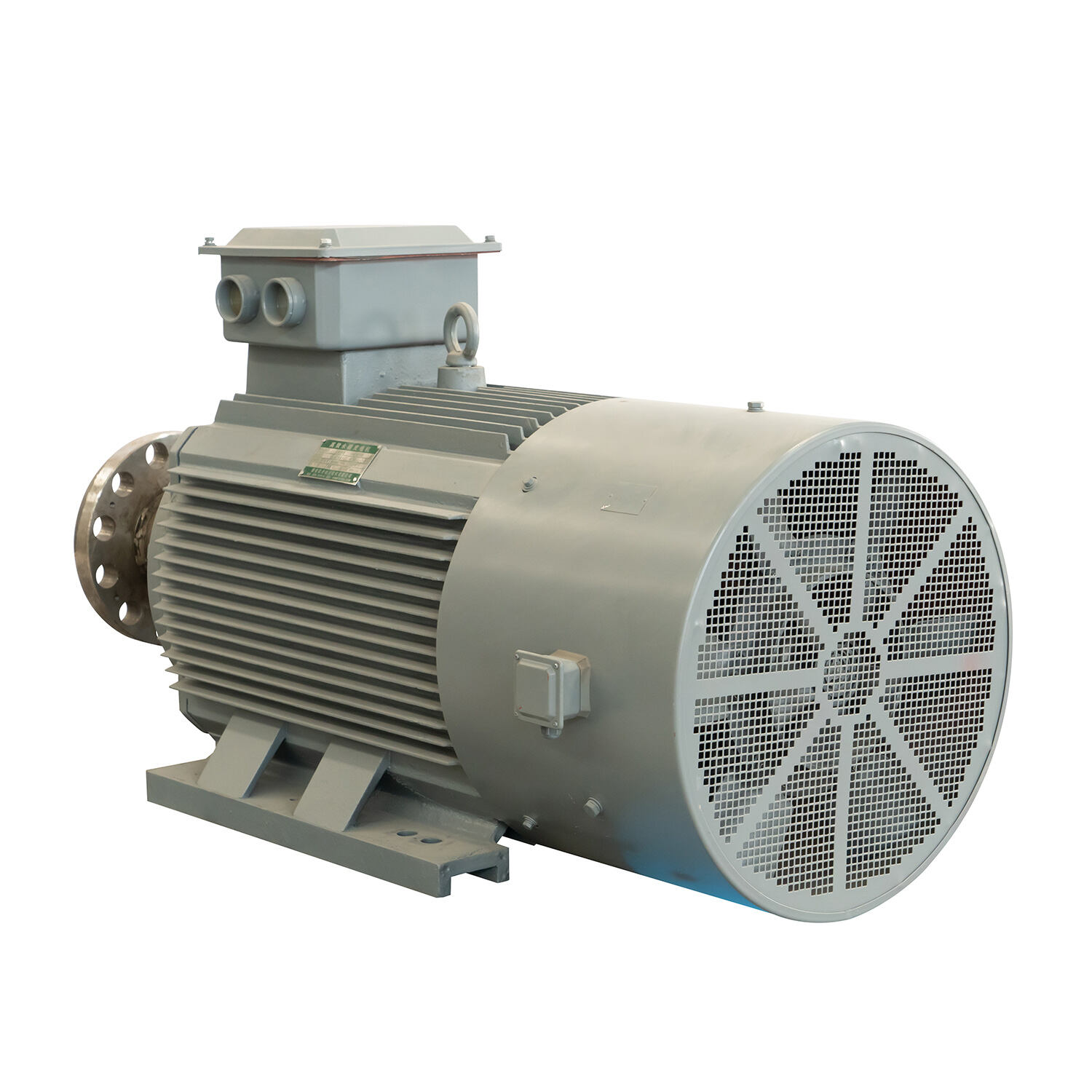
In petrochemical Zone 1 solvent transfer pumps and Group IIC hydrogen recycling compressors, gas leaks can occur during normal operation. Specifying an ENNENG Ex db IIC T4 Explosion Proof PM Motor guarantees that maximum casing surface temperature never approaches the gas auto-ignition point, even when running at low VFD speeds.
To ensure 100% regulatory compliance and operational safety when selecting and maintaining an Explosion Proof PM Motor, follow this five-step engineering protocol:
Hazardous industrial installations demand exact alignment between regional safety certifications, ambient temperature extremes (-40°C to +55°C), and mechanical pump or compressor skids. ENNENG custom-engineers its Explosion Proof PM Motor portfolio across the unified 110V–690V range—tailoring Ex db I Mb mining frames, Ex db IIB/IIC T4 petrochemical housings, and Ex tb IIIC dust-ignition-proof configurations in drop-in IEC and NEMA footprints.
Contact ENNENG Today.
Consult the ENNENG hazardous area engineering team to match your site's explosion-hazard classification and receive a customised Explosion Proof PM Motor proposal.
A: Flammable gases have different maximum experimental safe gaps (MESG) and ignition energies. Group IIC gases like hydrogen and acetylene ignite far more easily and require ultra-tight flameproof flange gaps (often ≤0.15–0.20 mm) to quench an internal flame, whereas Group IIB ethylene allows wider gaps. Always match the ENNENG Explosion Proof PM Motor group rating to the most volatile gas on site.
A: When a standard explosion-proof induction motor runs at low VFD speeds, reduced cooling fan airflow combined with high rotor cage copper losses can cause the outer casing to exceed its certified T3 or T4 temperature class. Because an ENNENG Explosion Proof PM Motor has zero rotor copper loss, it runs significantly cooler at low speeds, preserving its T-rating thermal margin.


 EN