
 EN

Continuous chemical processing facilities operating heavy-duty circulating pumps 8,400 hours annually often experience excessive thermal degradation and escalating electricity expenses on aging equipment lines. Plant engineers managing equipment overhauls must determine whether installing an IE4 efficiency motor provides tangible operational advantages over legacy drive units. Deploying a Super Premium drive architecture optimizes the electrical energy balance, preserves mechanical compatibility, and protects plant operating margins across demanding production environments.
Outdated lower-efficiency induction units running continuously under variable production loads suffer from severe secondary resistive losses and high internal temperatures. Elevated operating heat accelerates bearing grease breakdown, degrades stator insulation, and leads to unscheduled production outages. ENNENG designs advanced electric drive technologies engineered to eliminate localized thermal bottlenecks, enhance energy conservation, and ensure long-term mechanical reliability across heavy manufacturing processes.
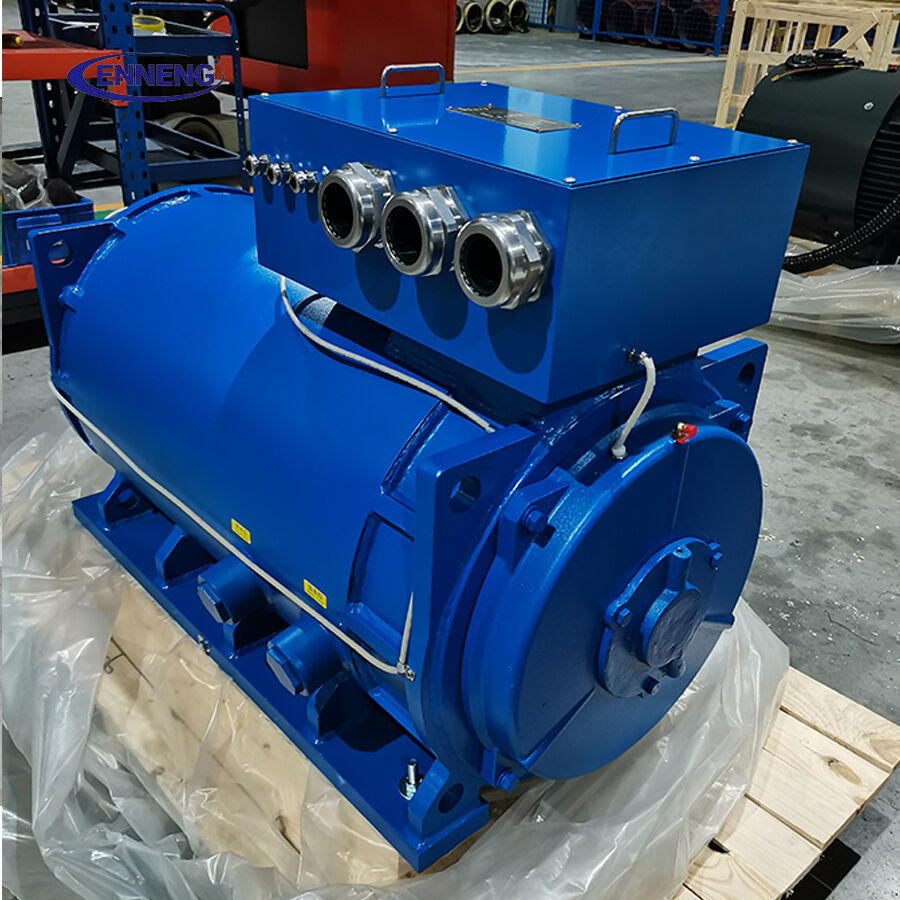
Economic Lifecycle Drivers in Industrial Plant Modernization
Executing an effective energy saving motor solution requires reviewing total lifecycle expenditure rather than focusing merely on upfront procurement costs. Industrial motors running continuously consume electricity equivalent to their total purchase price within a few months of commissioning. Across a fifteen-year operational window, electrical energy consumption accounts for over ninety percent of overall expenditure, while initial purchase costs represent a minor fraction. Specifying an IE4 efficiency motor provides immediate economic returns by curbing daily electrical waste across high-demand processing units.
Operating Cost Dynamics and Continuous Duty Payback
In high-utilization production plants, an IE4 efficiency motor generates substantial energy savings compared to standard IE2 or IE3 machinery. Installing an IE4 efficiency motor on critical equipment such as ventilation fans, cooling compressors, and slurry pumps enables predictable power reductions that deliver payback periods between twelve and twenty-four months. Operating with an IE4 efficiency motor reduces internal heat generation, keeping frame temperatures moderate and decreasing air conditioning burdens in enclosed motor rooms.
Lower internal operating heat prolongs bearing lubrication integrity, limits mechanical fatigue, and substantially extends overall asset life. Implementing an IE4 efficiency motor transforms recurring plant utility costs into sustainable operating savings. Facility managers collaborating with a knowledgeable high efficiency motor supplier can model precise power savings based on local tariffs, equipment runtime, and baseline consumption metrics.
Partial-Load Efficiency Across Variable Process Demands
Industrial machinery rarely operates at constant full nameplate capacity throughout production shifts. Centrifugal blowers, wastewater aeration pumps, and transport conveyors frequently throttle between forty percent and eighty percent of rated capacity to accommodate fluctuating batch demands. An IE4 efficiency motor maintains superior electrical efficiency across a wide load band, avoiding the severe efficiency collapse typical of older induction machines during underloaded cycles.
When operations teams perform an IE4/IE5 efficiency motor evaluation, mapping the specific duty curve of the driven equipment is vital. In processes characterized by extended operation at lower speeds or wide load swings, facilities often compare an IE4 efficiency motor alongside permanent magnet synchronous machinery. A trusted high efficiency motor supplier assists plant engineering departments in determining whether fixed-speed Super Premium induction machinery or variable-speed permanent magnet synchronous units deliver the fastest financial return.
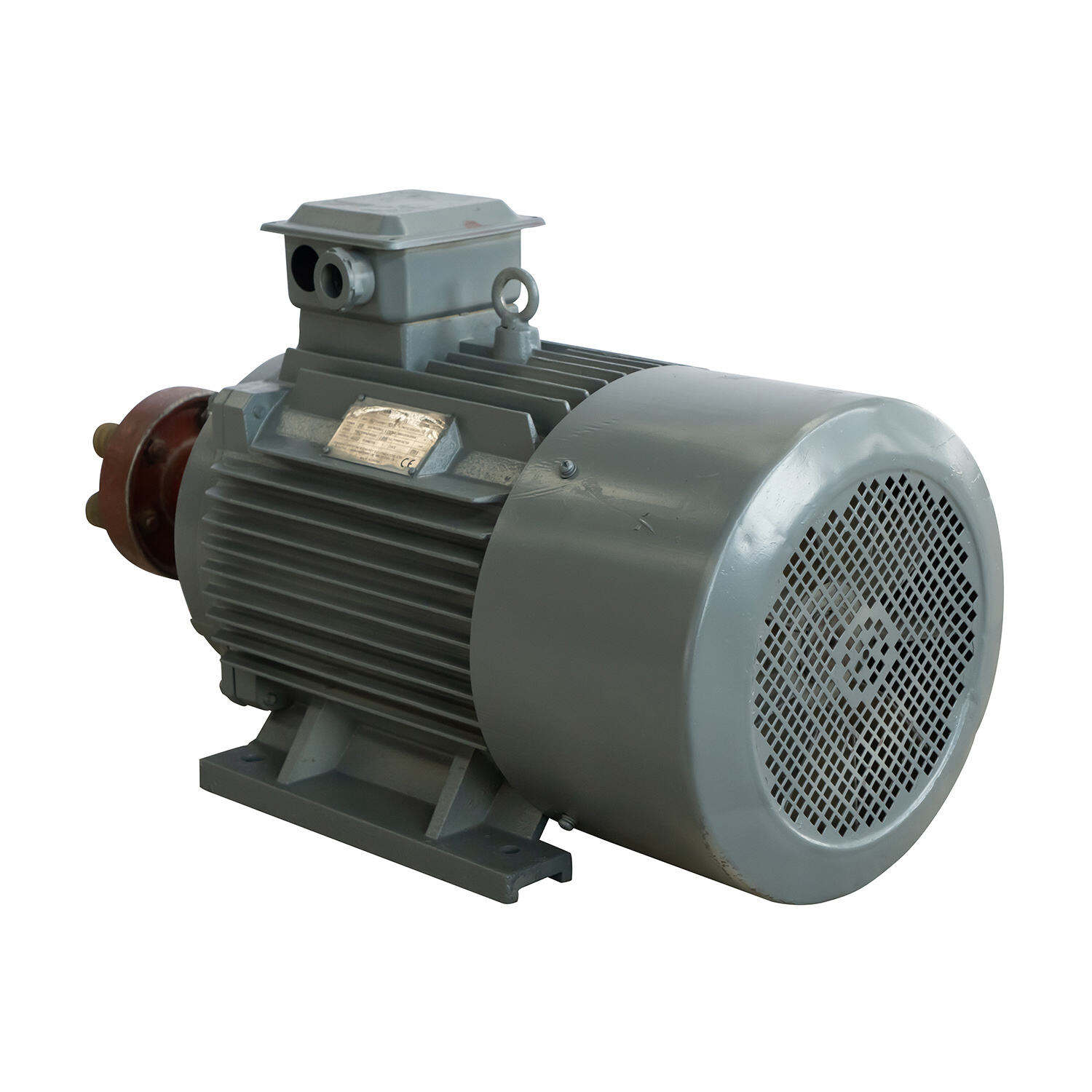
Electromechanical Advantages and Grid Compatibility
The Super Premium performance delivered by an IE4 efficiency motor stems from deliberate electromagnetic engineering that minimizes internal electrical, magnetic, and mechanical losses.
Electromagnetic Optimization and Reduced Thermal Rise
Achieving IE4 performance requires minimizing stator copper losses, rotor resistive dissipation, core iron losses, and mechanical friction. An IE4 efficiency motor incorporates higher grades of thin electrical steel laminations to restrict magnetic hysteresis and eddy-current losses. Stator slots utilize optimized copper fill factors, minimizing phase resistance and internal I²R dissipation.
|
Performance Metric |
Standard IE2/IE3 Motor |
ENNENG IE4 Efficiency Motor |
|
Efficiency Level |
Standard / Premium Efficiency |
Super Premium Efficiency (IE4) |
|
Core Lamination Steel |
Standard silicon steel laminations |
Ultra-low-loss thin magnetic laminations |
|
Unified Voltage Range |
110V to 690V |
110V to 690V |
|
Unified Power Range |
5kW to 5MW |
5kW to 5MW |
|
Thermal Rise Rating |
Class F rise (elevated operating heat) |
Class B rise (cool thermal margin) |
|
Inverter Compatibility |
Basic winding insulation |
Inverter-duty vacuum pressure impregnation |
|
Maintenance Requirements |
Frequent relubrication intervals |
Extended bearing and lubricant service life |
Minimizing secondary internal losses allows an IE4 efficiency motor to operate with Class B temperature rise while using Class F or Class H insulation materials, providing substantial thermal safety margins. ENNENG motor products are engineered across unified voltage ratings from 110V to 690V and power capacities from 5kW to 5MW. For decentralized plant power generation and remote monitoring facilities, ENNENG also delivers vertical axis wind turbine systems rated from 1kW to 10kW, emphasizing 3kW, 5kW, and 10kW platforms to ensure reliable utility supply.
Seamless Drop-In Dimensions and Inverter Integration
A primary driver behind selecting an induction-based IE4 efficiency motor is mechanical drop-in interchangeability. Industrial IE4 efficiency motor models adhere to standard IEC frame assignments, shaft centerlines, and mounting hole configurations. Facility teams can replace outdated equipment without redesigning steel foundation beds, replacing flexible couplings, or altering pipework geometry during tight maintenance turnarounds.
Furthermore, an IE4 efficiency motor operates seamlessly across both direct-on-line grid supplies and variable frequency drives. Advanced phase insulation systems protect against high dV/dt voltage spikes and transient harmonic currents generated by modern pulse-width-modulated drives. This operational versatility allows plant operators to install an IE4 efficiency motor immediately on legacy starters while retaining the flexibility to add variable speed control during future plant modernizations.
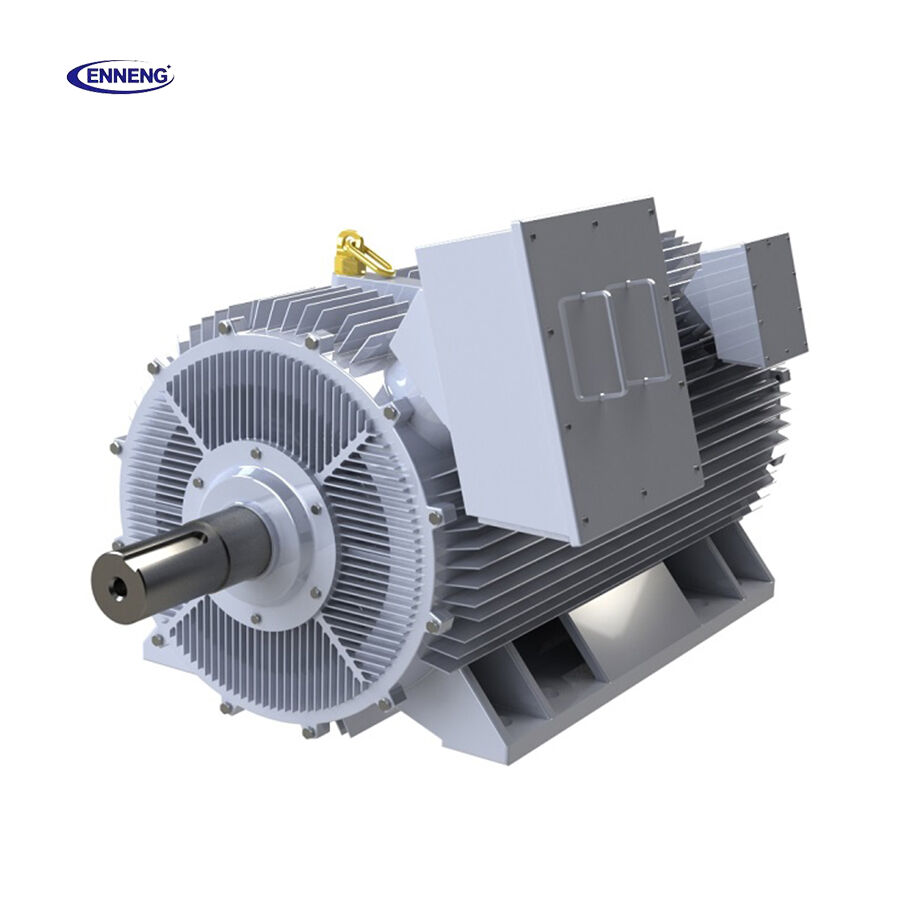
Compliance Standards, Retrofit Scope, and Asset Maintenance
Industrial equipment modernisation projects must adhere to strict international efficiency classifications and workplace electrical safety regulations. Standard IEC 60034-30-1 defines international efficiency classes for line-operated AC motors, establishing Super Premium benchmarks for an IE4 efficiency motor. Energy reduction initiatives adhering to ISO 50001 energy management frameworks prioritize an IE4 efficiency motor to document continuous carbon reduction. Additionally, facility installations must comply with NFPA 70 National Electrical Code wiring standards and OSHA 1910 Subpart S industrial electrical safety mandates.
When evaluating a retrofit induction to PMSM project, engineering teams must evaluate control requirements and driven machinery dynamics. While an IE4 efficiency motor functions direct-on-line without auxiliary drive controls, a retrofit induction to PMSM conversion requires a dedicated variable frequency drive to control synchronous rotor magnets. In processes requiring wide speed variation and maximum partial-load power conservation, executing a retrofit induction to PMSM project with an experienced high efficiency motor supplier delivers optimal operational efficiency.
Maintaining long-term operational reliability requires rigorous preventative inspection schedules. Predictive maintenance teams should perform regular vibration spectral analysis in accordance with ISO 10816 standards to identify mechanical misalignment, unbalance, or early bearing degradation. Technicians must check stator winding insulation resistance annually using a megohmmeter per IEEE 43 guidelines. Keeping motor cooling cowls and frame fins free of heavy industrial dust ensures that an IE4 efficiency motor maintains maximum convective heat rejection throughout its operational lifespan.
Strategic Equipment Procurement and Engineering Collaboration
Selecting the ideal drive technology requires evaluating equipment load factors, continuous running hours, and plant electrical distribution constraints. Modernizing production assets with an IE4 efficiency motor curtails electrical consumption, enhances operating uptime, and delivers dependable mechanical power across mission-critical machinery. Collaborating with an established high efficiency motor supplier ensures proper electromagnetic sizing, verified coupling compatibility, and complete lifecycle technical support. Reach out to application specialists to examine plant operational requirements and receive customized engineering support.
- WhatsApp: +86 18562780228
- E-Mail: [email protected]
- Phone: +86 532 66000559
FAQ
Q: Why does an IE4 efficiency motor provide lower lifecycle operating costs than an IE3 motor?
A: An IE4 efficiency motor reduces internal electrical losses by up to fifteen percent compared to an IE3 model. Because industrial electric motors consume their capital purchase price in power within a few months, these continuous efficiency gains yield massive electricity savings over thousands of operating hours. Lower thermal operating stress also extends bearing and insulation lifespan, significantly decreasing unplanned downtime and maintenance expenditures.
Q: Can an IE4 efficiency motor serve as a direct drop-in replacement for older induction motors?
A: Yes, standard industrial IE4 efficiency motor models utilize standard IEC or NEMA frame sizes, shaft centerlines, and flange dimensions identical to older legacy units. This standardized design allows industrial facilities to replace obsolete, low-efficiency equipment directly without modifying structural foundations, mounting baseplates, or driven shaft couplings, minimizing shutdown windows during plant retrofit projects.
Q: When should an enterprise choose an IE4 induction motor over a permanent magnet synchronous motor?
A: An IE4 efficiency motor based on induction architecture is ideal for fixed-speed operations connected directly to the electrical grid without requiring an inverter. It offers lower capital complexity when existing direct-on-line starters remain in place. A permanent magnet synchronous motor requires a dedicated variable frequency drive, making it better suited for variable-speed processes where maximum energy savings justify added control equipment.

