
why-ie4-efficiency-motor-can-effectively-reduce-reactivepower-loss-of-industrial-production-powersupply-system, why-ie4-efficiency-motor-can-effectively-reduce-reactivepower-loss-of-industrial-production-powersupply-system, /blog
EN

2026/09/28
A plastics extrusion plant in Jiangsu replaced six IE2 line motors with ENNENG permanent-magnet units graded as IE4 Efficiency Motor performance. The site power factor moved from 0.82 to 0.93 within a week, and the reactive-power charge on the monthly bill fell by a visible margin. An auto-parts works reported the same shift after fitting an IE4 Efficiency Motor on its main air compressor. The plant engineer noted that the capacitor bank, which used to switch all day, went quiet because the IE4 Efficiency Motor drew less magnetizing current. A third site, a paper mill, saw the same benefit on its stock pump without adding any new correction equipment, using an IE4 Efficiency Motor as the direct replacement. The IE4 Efficiency Motor upgrade also reduced the transformer temperature at the plastics site, which the electrical team logged as a bonus on the feeder chart. The site later copied the approach to its cooling towers, where the same power-factor gain appeared within days. Both plants now track the factor monthly, because the saving is steady once the magnetizing current is gone.
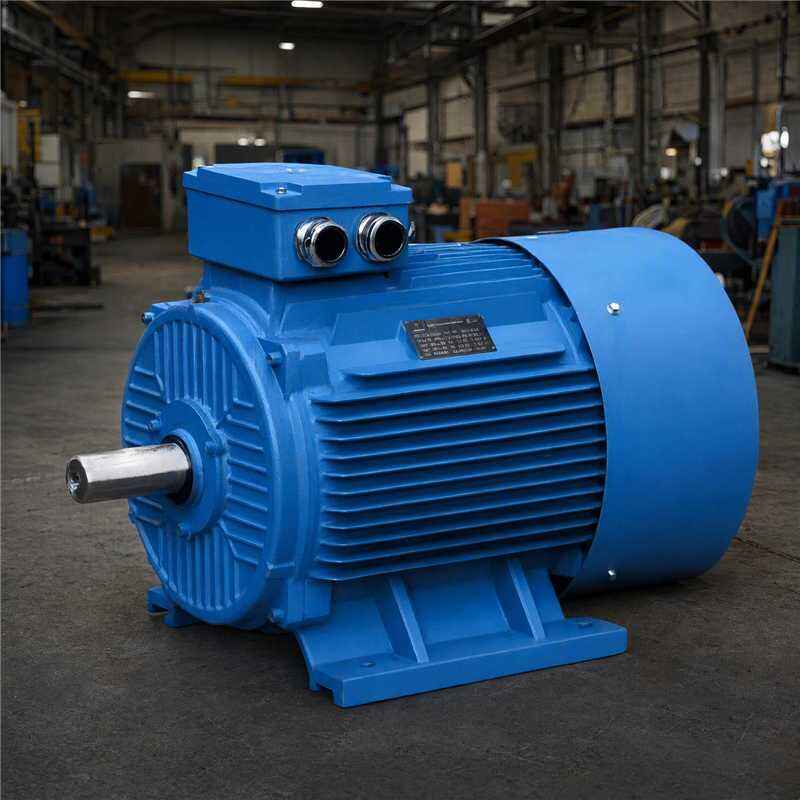
The hidden cost in most plants is reactive power, not just active energy. An older motor pulls magnetizing current that the utility bills as a power-factor penalty, and a standard IE3 unit still leaves a gap. That gap shows only on the reactive line, which most dashboards hide by default. The risk is paying for current that does nothing but heat the cables. ENNENG answers this with a permanent-magnet rotor that needs almost no magnetizing current, so the IE4 Efficiency Motor behaves like a near-unity load. An IE4 Efficiency Motor sized to the duty removes the magnetizing current that the penalty bills for, so the gain is direct. The risk falls to near zero once the motor is sized to the real duty, because the saving shows up on the first power-factor invoice. Procurement sometimes doubts the claim until the invoice arrives, which is why ENNENG supplies the before-and-after logger file with every order.
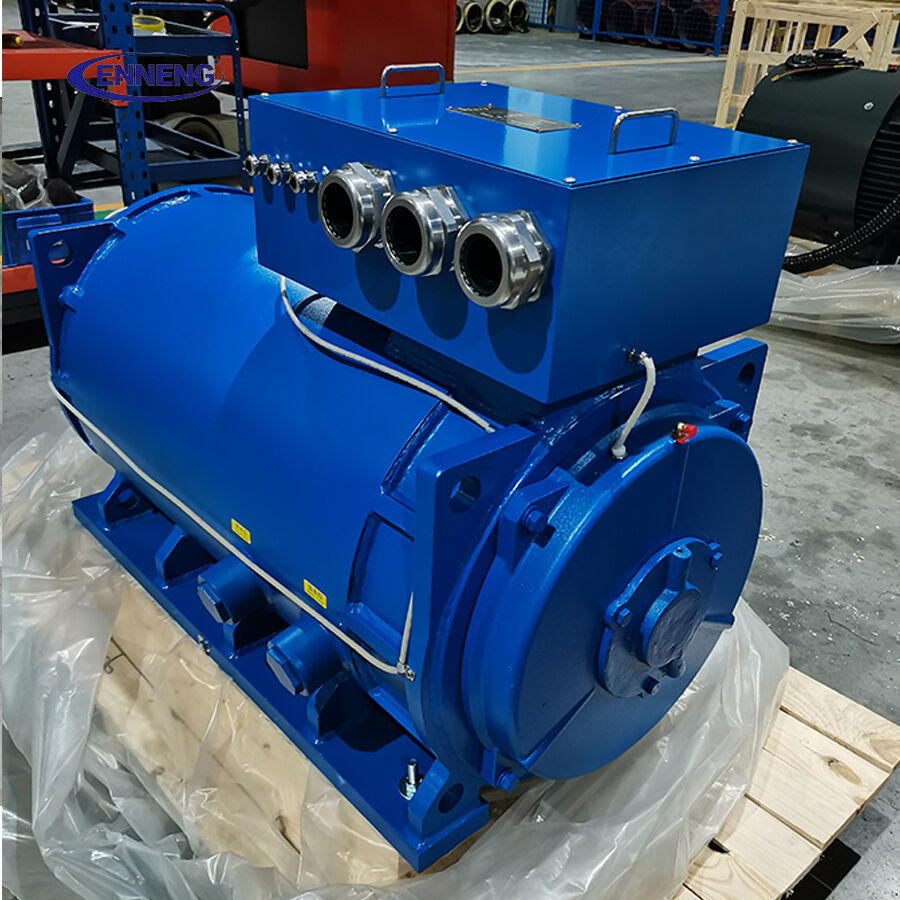
An IE4 Efficiency Motor cuts reactive loss because the permanent-magnet rotor supplies its own field, so the stator draws current almost in phase with the voltage. In a measured case, an ENNENG IE4 Efficiency Motor unit held a displacement power factor above 0.98 at half load, while the old induction machine sat near 0.83. ENNENG TYB-series units span 0.55 kW to 2500 kW with IP55 enclosure and Class F insulation.
|
Condition |
Induction (IE3) |
ENNENG IE4 Efficiency Motor |
|
Displacement power factor at 50 percent load |
about 0.83 |
above 0.98 |
|
Magnetizing current |
high |
near zero |
|
Reactive draw per kW |
high |
low |
|
Efficiency at part load |
IE3 |
IE4 or IE5 |
|
Capacitor support needed |
yes |
little or none |
An IE4 Efficiency Motor also trims the cable and transformer loading, because lower current means less voltage drop across the plant. ENNENG low-speed direct-drive units remove the gearbox, which removes another loss path in the supply chain. The IE4 Efficiency Motor result is a smaller penalty, a cooler switchboard, and headroom for new machines on the same feeder. The IE4 Efficiency Motor keeps this advantage across the whole speed range, not only at the nameplate point, because the permanent-magnet field does not fade with load. Sites that log the power factor before and after usually find the IE4 Efficiency Motor pays back faster than the energy saving alone suggests. The measurement behind the table came from a 200-hour run with a power-quality analyzer on the input, so the numbers reflect a working machine, not a catalogue line. ENNENG records the displacement power factor at several load points for each unit it ships, which lets a buyer see the curve before purchase. The freed capacity also delays the next transformer upgrade, which is a capital saving that rarely appears in a simple payback sheet. Most plants discover this headroom only after the upgrade, when a planned expansion fits the existing feeder without a new substation.
Standards frame the benefit. IEC 60034-30-1 defines IE4 as a distinct, higher class than IE3, so an IE4 Efficiency Motor claim is verifiable. IEC 60034-1 sets the test method for efficiency and losses. IEEE 141 explains power-factor correction and the cost of reactive current, which is exactly the charge an IE4 Efficiency Motor reduces. ISO 50001 asks sites to track power quality, so the improved factor supports the energy report. A documented IE4 Efficiency Motor test also satisfies a utility incentive that rewards high-efficiency kit, which adds a second saving stream. Local grid codes increasingly penalize low power factor more sharply, so an early IE4 Efficiency Motor move protects the site against a future rate step. These references turn a vague power claim into a measured, auditable line item.
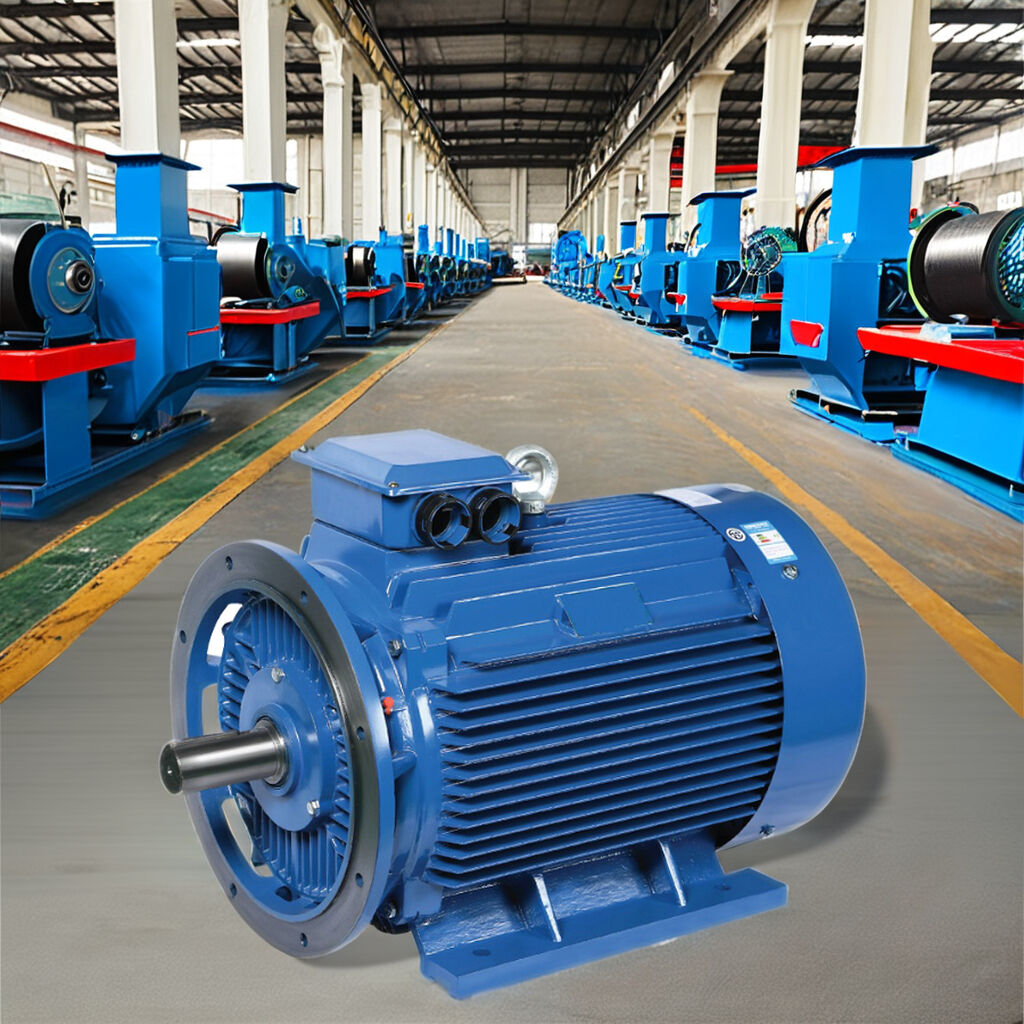
Start an IE4 Efficiency Motor study with a power-quality logger at the feeder for one week, recording power factor and reactive demand. Ask ENNENG to size the permanent-magnet unit from the measured load, not the nameplate, and confirm the displacement power factor on the test report. An IE4 Efficiency Motor program should include a before-and-after power-factor reading and a check that the capacitor bank can be reduced. Keep the logger data on file, because the utility audit will ask for it. The IE4 Efficiency Motor record should sit next to the feeder chart for the reviewer. Train the electrical team to read the factor, so the IE4 Efficiency Motor benefit is defended at the next rate review. An IE4 Efficiency Motor fitted from logged data outperforms a generic high-efficiency motor on the same feeder, because the field is matched to the real load. A quarterly re-log catches drift in the load shape, because a changed duty can move the factor back toward the old value if the motor is oversized. ENNENG recommends logging at the same hour each day so the comparison stays consistent across the week.
If you are evaluating commercial permanent magnet motors for sale and need an engineered drive solution that guarantees efficiency and longevity, ENNENG is your trusted partner.Contact ENNENG Today.Speak to our technical engineering team to receive a customised drive proposal.
A: In many cases an IE4 Efficiency Motor removes most of the need, because the permanent-magnet rotor draws almost no magnetizing current and holds a high displacement power factor on its own. Sites that fit an IE4 Efficiency Motor often switch the capacitor bank to manual or retire it, which cuts maintenance and contactor wear. The exact reduction depends on the load mix, so ENNENG recommends a before-and-after logger reading. A smaller bank also means fewer nuisance trips during switching.
A: The saving appears on the first invoice after the IE4 Efficiency Motor is energized, because the power factor improves the moment the unit carries load. A plastics plant saw the penalty drop within a week, once the capacitor bank stopped cycling. The reactive draw falls because the stator current aligns with the voltage, so the utility measures less non-working current. ENNENG advises logging the factor for a month to show the full cycle to finance.
A: Yes, an IE4 Efficiency Motor lowers the current on the feeder, which frees capacity that older machines consumed as reactive draw. The lower current means less voltage drop and a cooler transformer, so a site can add load without a substation upgrade. An IE4 Efficiency Motor therefore buys headroom as well as saving, which matters when production plans to expand. ENNENG sizes the unit so the freed capacity is predictable from the logger data.


 EN