
 EN

Why IE4 IE5 Efficiency Motor Facilitates Carbon-Account Management Work for Modern Manufacturing Enterprises
Carbon-account management is often treated as a reporting exercise: collect utility bills, apply an emission factor, and reconcile the total at year end. On a working factory floor, however, the quality of that account begins much earlier. It begins with the loads that consume electricity and the evidence that explains why their consumption changed. An IE4/IE5 Efficiency Motor can make that evidence chain more useful because it turns a motor upgrade into a defined, measurable operational change rather than an assumed sustainability benefit.
The important distinction is easy to miss. A higher efficiency class does not automatically prove a specific CO2e reduction. It can, though, make the underlying electricity-use case easier to model, meter, reconcile, and defend. For enterprises building a repeatable Energy Saving Motor Solution, that is often the bigger management advantage.
Why carbon accounts need equipment-level evidence
Most manufacturing organizations start carbon accounting with activity data. For purchased electricity, the practical chain is usually electricity consumption in kWh, an approved emission factor, and a reporting boundary. Utility-level data remains essential, but it is too aggregated to explain whether a pumping line, compressor package, conveyor, or process fan caused a meaningful variance.
That creates a common problem: an engineering team may know that a motor has been replaced, while the finance or ESG team sees only a site-wide electricity total affected by production volume, weather, shift patterns, and many other loads. Without a clear baseline and operating context, an energy-saving claim becomes difficult to reconcile.
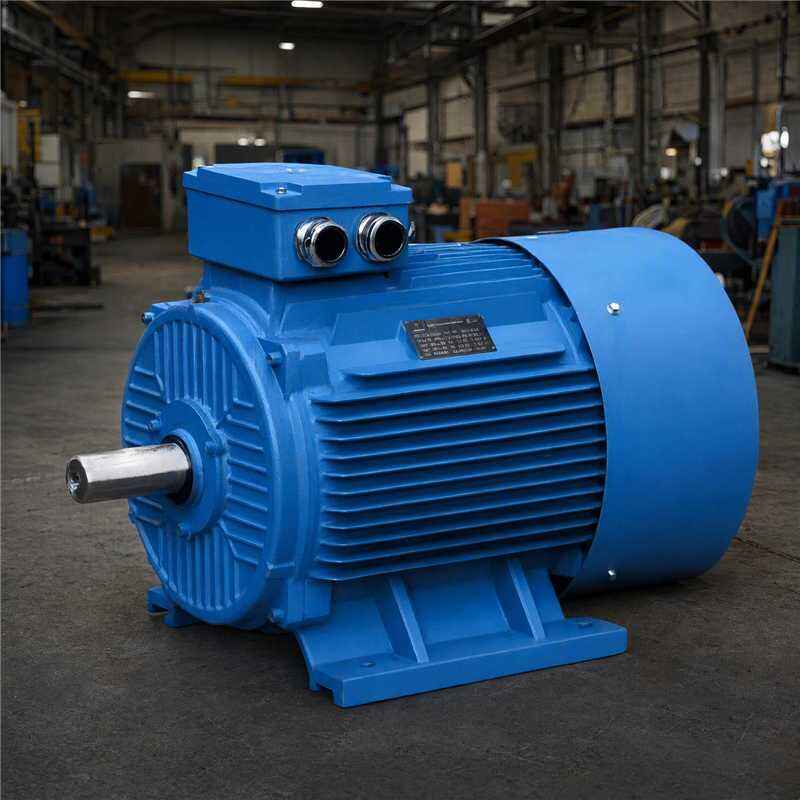
An IE4/IE5 Efficiency Motor helps establish a cleaner unit of analysis. The project can be recorded with its asset ID, rated power, duty cycle, control method, installation date, meter point, baseline period, and post-installation period. That does not eliminate uncertainty, but it makes assumptions visible and reviewable.
What the IE4 and IE5 labels actually contribute
IEC 60034-30-1 defines IE efficiency classes for specified single-speed electric motors. IE4 is commonly described as Super Premium Efficiency, while IE5 is positioned as an even higher efficiency class. The classification is useful for procurement because it gives teams a standardized comparison starting point. It is not a substitute for confirming the exact motor configuration, test basis, load profile, and applicable market requirements.
That boundary matters. A nameplate class describes a motor under defined conditions; a carbon account needs evidence of how the asset operated in the plant. An IE4/IE5 Efficiency Motor therefore supports accounting most effectively when its specification is linked to measured kWh and documented operating hours, rather than presented as a standalone carbon result.
For example, if a line runs intermittently or at partial load, the team should capture that reality. The short answer is not simply “higher class means lower emissions.” More precisely, it can mean lower electrical losses for a comparable duty, provided the comparison uses the same production service and an appropriate baseline.
From motor replacement to an auditable calculation trail
A practical carbon-account workflow does not need to be complicated, but it needs consistent fields. Before installing an IE4/IE5 Efficiency Motor, document the existing asset and its operating pattern. After commissioning, keep the same boundaries wherever possible. The objective is to distinguish a performance improvement from normal changes in production demand.
- Define the functional service. State what the motor-driven equipment delivers: flow, air, material movement, or another measurable process output.
- Build a baseline. Capture representative kWh, operating hours, production volume, load condition, and relevant ambient or process constraints before the change.
- Record the upgrade specification. Retain the motor model, rated data, efficiency classification, drive arrangement, commissioning date, and meter association.
- Measure the post-upgrade period. Compare like-for-like production conditions where feasible. If the conditions differ, state the normalization method instead of hiding the difference.
- Apply governed emission factors. Convert eligible electricity activity data using the organization’s approved Scope 2 methodology and period-specific factors.
- Keep an evidence package. Store meter exports, maintenance records, calculation versions, approvals, and explanations for material variances.
This approach makes the IE4/IE5 Efficiency Motor project traceable across engineering and reporting functions. It also prevents an avoidable mistake: using the manufacturer’s nominal efficiency difference as if it were a verified annual site saving.
Where the data becomes more reliable—and where it does not
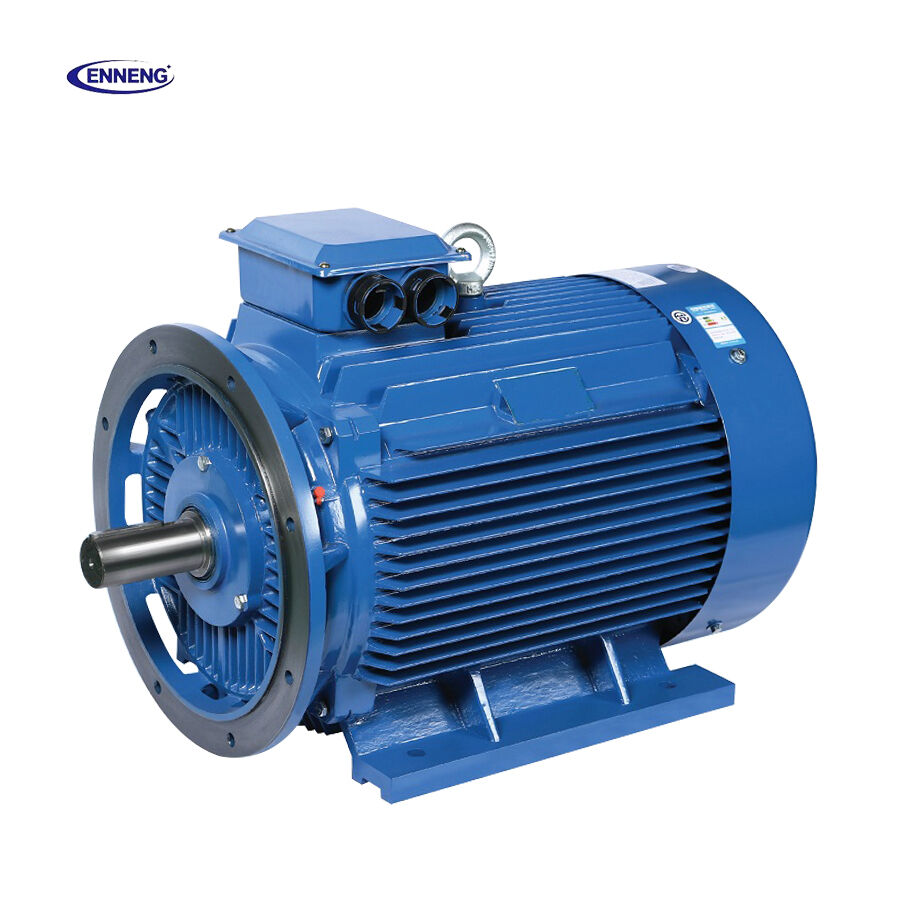
Higher-efficiency motors can reduce losses, but carbon-account reliability comes from the measurement design. A motor-level submetre is usually more informative than a monthly utility bill when a project is material. If submetering is unavailable, a documented estimate based on logged operating hours and validated load data may still be useful, but it should be identified as an estimate.
There are several conditions to check before treating a project as comparable:
- Was the driven equipment, process recipe, or production schedule changed at the same time?
- Did a variable-speed drive alter the duty cycle or control logic?
- Was the old motor failing, oversized, poorly maintained, or operating outside its normal range?
- Did the reporting-period electricity emission factor change?
- Is the claimed reduction within the organization’s accounting boundary and assurance rules?
If ambient temperature, altitude, ventilation, or load conditions differ materially, the nameplate result may not describe field performance. Recognizing that limitation strengthens the account; it does not weaken the business case. A defensible Energy Saving Motor Solution identifies the uncertainty, assigns an owner, and updates the calculation when better data becomes available.
Why the approach improves cross-functional work
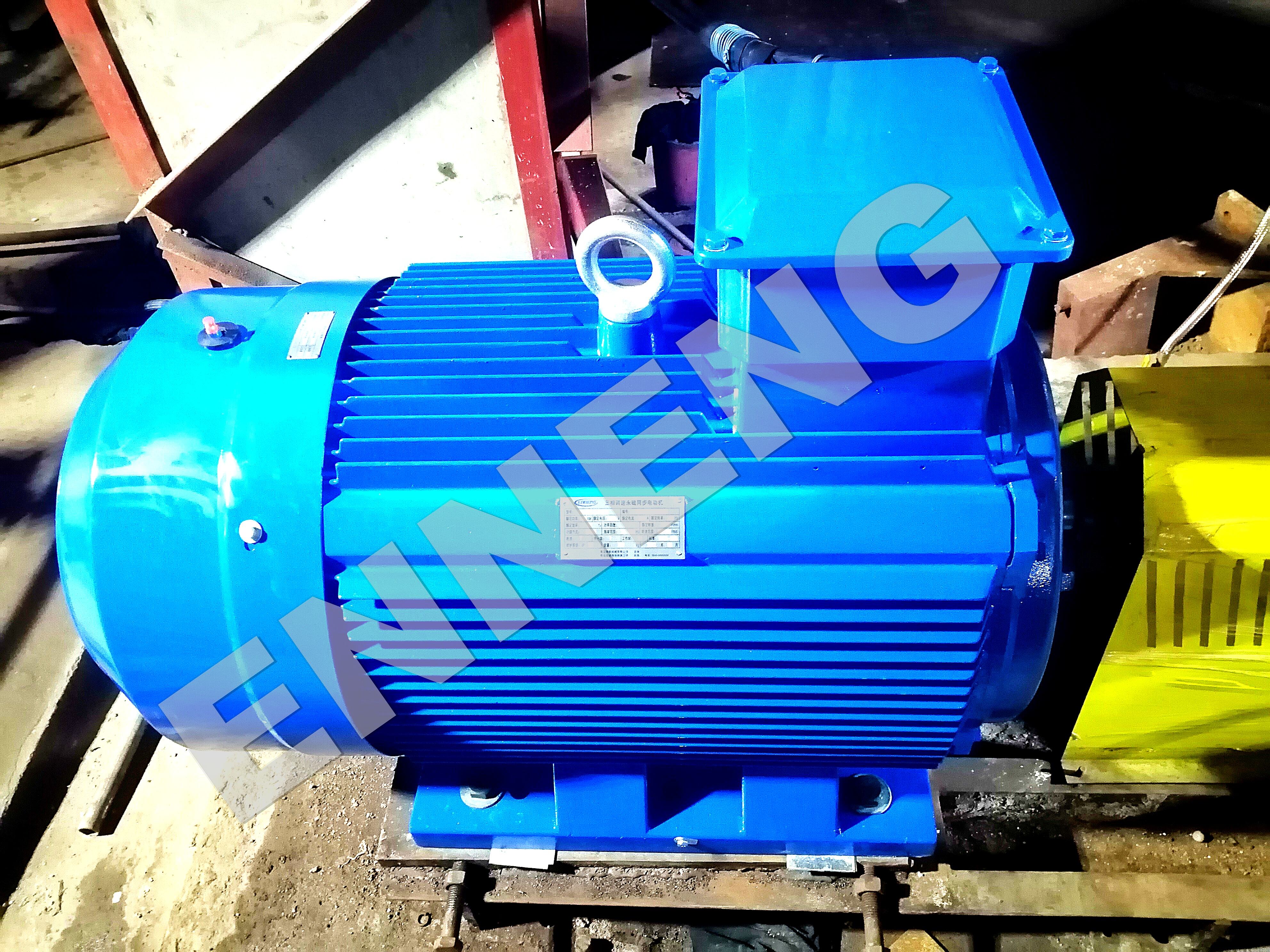
The value of an IE4/IE5 Efficiency Motor is not limited to the maintenance team. Engineering gains a clearer specification and commissioning record. Operations gains a reason to review load patterns and controls. Finance receives a project-level explanation for energy variance. ESG teams receive activity data with a documented lineage rather than a broad statement that “the plant became greener.”
That shared language also improves capital planning. Instead of asking only whether the purchase price is justified, teams can compare lifecycle cost, expected service conditions, metering needs, maintenance implications, and reporting evidence. For a motor that runs many hours, the value of this discipline can persist through every reporting cycle.
A decision checklist for an Energy Saving Motor Solution
Before approving a motor upgrade as part of a carbon-account program, ask the following:
- Is the selected IE4/IE5 Efficiency Motor appropriate for the actual load, enclosure, speed-control arrangement, and environment?
- Can the site establish a credible baseline and retain the raw energy data?
- Who owns the calculation, factor selection, review, and evidence retention?
- How will production changes and other confounding variables be identified?
- Which result is a measured saving, which is a normalized estimate, and which is only a planning assumption?
No single motor choice or accounting method fits every site. The appropriate choice depends on the duty cycle, control strategy, regulatory context, data availability, and assurance expectations. Still, where the application is suitable, an IE4/IE5 Efficiency Motor gives modern manufacturers something unusually valuable: a practical bridge between an equipment decision and a traceable carbon-data record.
Contact US
If you are evaluating commercial permanent magnet motors for sale and need an engineered drive solution that guarantees efficiency and longevity, ENNENG is your trusted partner.Contact ENNENG Today.Speak to our technical engineering team to receive a customised drive proposal.
- WhatsApp: +86 18562780228
- E-Mail: [email protected]
- Phone: +86 532 66000559
Conclusion
Modern carbon accounts are strongest when they explain operational change, not merely report a final total. By pairing an IE4/IE5 Efficiency Motor upgrade with a defined baseline, meter data, production context, controlled emission factors, and retained evidence, a manufacturer can turn efficiency work into auditable management information. That is the real contribution of an Energy Saving Motor Solution: it helps reduce avoidable electrical losses while making the resulting carbon-account work more transparent, repeatable, and useful for decisions.

