
why-ie4/ie5-efficiency-motor-gains-wide-recognition-in-factory-carbonneutral-transformation-projects, why-ie4/ie5-efficiency-motor-gains-wide-recognition-in-factory-carbonneutral-transformation-projects, /blog
EN

2026/10/10
Industrial manufacturing complexes worldwide face aggressive regulatory mandates to reduce greenhouse gas emissions and achieve certified carbon neutrality. In heavy-duty industries such as steel rolling, chemical synthesis, cement manufacturing, and paper milling, electric motor systems account for approximately 70% of total plant electrical consumption. Plant managers evaluating facility decarbonization roadmaps quickly identify motor driven systems as the primary target for rapid, quantifiable energy reduction. Upgrading facility fleets to modern IE4/IE5 Efficiency Motor technology represents the single most cost-effective lever for lowering Scope 2 carbon emissions while substantially reducing operating expenditures.
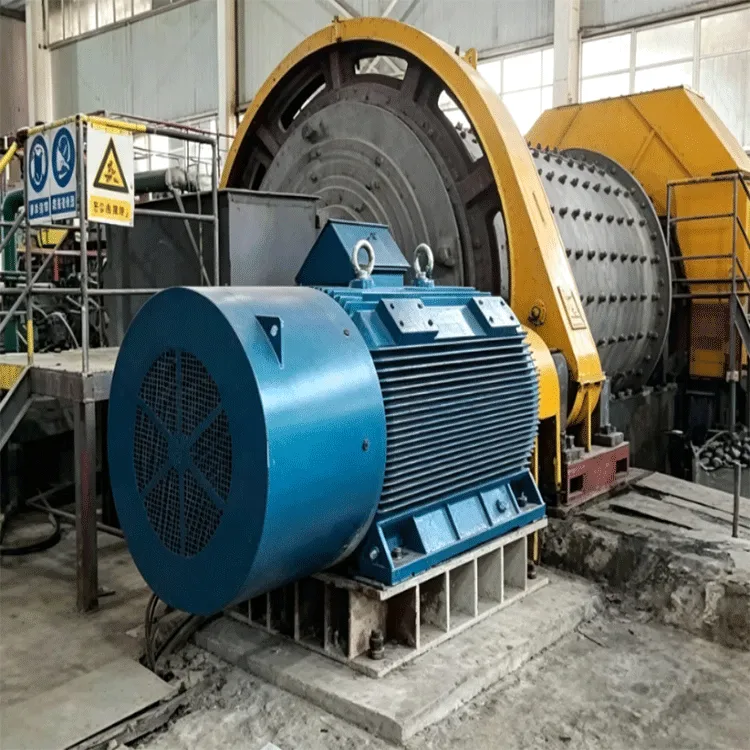
Industrial facilities operating in energy-intensive sectors such as steel manufacturing, chemical synthesis, cement production, and paper milling face stringent greenhouse gas reduction mandates. Plant energy audits consistently reveal that electric motor systems consume between 65% and 75% of total plant electrical energy. In continuous-duty (S1) processes operating 7,000 to 8,400 hours per year, electricity expenses represent more than 92% of a motor’s total life-cycle cost, far outstripping initial capital acquisition expenditures.
Large manufacturing facilities frequently maintain hundreds of legacy IE1 standard efficiency and IE2 high-efficiency induction motors installed decades ago. These aging machines constantly waste massive amounts of electricity as internal rotor heat. Under international carbon accounting frameworks, this wasted electricity directly drives up enterprise Scope 2 indirect emissions. Furthermore, high internal thermal losses place extra thermal burdens on factory ventilation and cooling circuits, while low power factors draw excess reactive current through distribution transformers. Upgrading these continuous-duty fleets to modern IE4/IE5 Efficiency Motor solutions from ENNENG represents the most direct, verifiable method to achieve industrial net-zero milestones across 5kW to 5MW power platforms and 110V to 690V operating ranges.
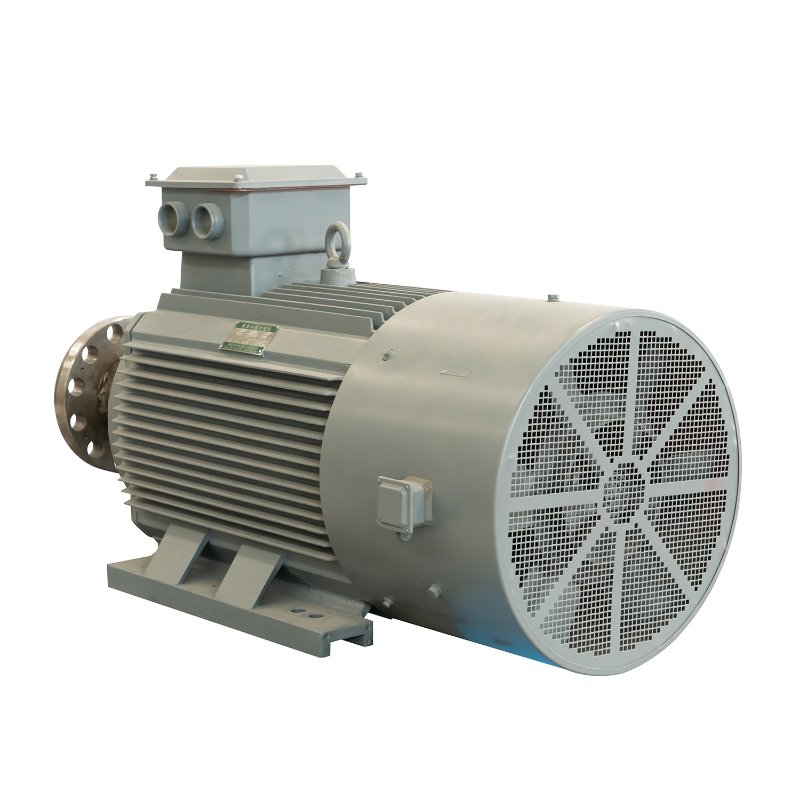
An IE4/IE5 Efficiency Motor achieves exceptional performance by eliminating rotor excitation losses entirely. Conventional induction motors dissipate energy inducing magnetic fields across the air gap. In contrast, ENNENG IE5 synchronous permanent magnet motors utilize high-flux rare-earth rotor magnets, achieving 96.5% to 97.5% efficiency. More importantly, while induction motor efficiency drops sharply under fluctuating factory duty, an IE5 permanent magnet motor maintains a flat efficiency curve across wide load variations, maximizing savings during throttled production hours.
Replacing an existing 250kW continuous-duty IE2 motor (operating 7,500 hours annually at 94.0% efficiency) with an ENNENG IE5 motor (97.4% efficiency) saves over 70,000 kWh annually. At typical global electricity tariffs, the capital retrofit cost is recovered within 12 to 18 months, abating approximately 42 to 50 metric tons of Scope 2 CO2 emissions year after year.
|
Motor Rating / Metric |
Legacy Induction (IE2) |
Modern Induction (IE3) |
ENNENG Synchronous (IE5) |
Net Benefit (IE2 to IE5) |
|
Nominal Full-Load Efficiency |
94.0% |
95.8% |
97.4% |
+3.4% Absolute Gain |
|
Annual Power Loss (250kW, 7,500 hrs) |
119,700 kWh |
82,200 kWh |
49,300 kWh |
70,400 kWh Saved/Year |
|
Annual Carbon Reduction (0.6 kg/kWh) |
Benchmark Baseline |
-22.5 Tons CO2 |
-42.2 Tons CO2 |
42.2 Tons CO2 Abated/Year |
|
Estimated Electrical Cost Savings |
Baseline Reference |
$5,600 / Year |
$10,500 / Year |
$10,500 Direct OPEX Savings |
|
Typical Capital Payback Period |
N/A |
24 - 36 Months |
12 - 18 Months |
Rapid ROI & Long-Term Gains |
Industrial decarbonization initiatives require certified auditability. Integrating an IE4/IE5 Efficiency Motor directly supports ISO 50001 Energy Management Systems by establishing verifiable improvements in facility Energy Performance Indicators (EnPIs). Furthermore, carbon offset calculations align with ISO 14064 greenhouse gas quantification standards, providing validated corporate ESG compliance documentation. Motor efficiency classifications strictly conform to IEC 60034-30-1 and IEC 60034-30-2 protocols.
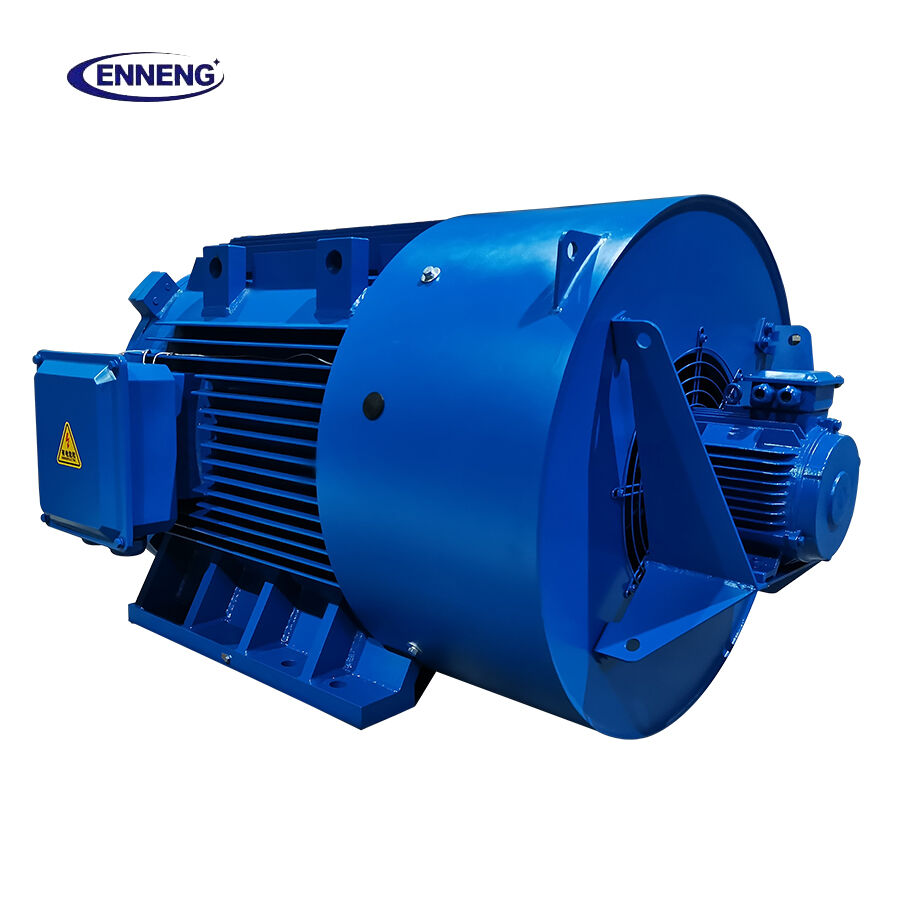
Executing a successful factory carbon-neutral transition requires proven industrial permanent magnet technology and verifiable energy reduction data. Engineering consultants at ENNENG assist plant managers with turnkey motor fleet audits, investment payback modeling, and customized IE4/IE5 retrofits. Contact our decarbonization engineering team to schedule a plant energy evaluation:
Q: What is the carbon reduction impact of an IE5 retrofit?
A: Replacing a 250kW continuous-duty IE2 motor with an ENNENG IE5 PMSM saves ~70,000–90,000 kWh annually, reducing roughly 45–60 metric tons of CO2 depending on regional grid factors. Across multi-motor industrial complexes, plant-wide retrofits reduce enterprise Scope 2 emissions by hundreds of metric tons each year while cutting electrical utility bills.
Q: Are ENNENG IE4/IE5 motors drop-in replacements for existing machinery?
A: Yes, ENNENG designs IE4 and IE5 permanent magnet synchronous motors in standardized IEC and NEMA frame configurations. Shaft center heights, mounting foot bolt patterns, and flange interfaces match legacy induction machinery directly, enabling straightforward drop-in physical replacement without requiring costly baseplate structural alterations or complex mechanical redesigns.
Q: How do permanent magnet motors sustain high efficiency at variable speeds?
A: Unlike induction motors that experience heavy slip and magnetizing current penalties at throttled operating speeds, permanent magnet synchronous motors generate continuous rotor flux without drawing excitation current. Stator current scales proportionally with required shaft torque, ensuring the motor maintains ultra-premium IE5 efficiency curves even across fractional-speed regimes.


 EN