
 EN

Why Later-Stage Maintenance Cost Falls After a Retrofit Induction to PMSM Reconstruction
For an industrial site, a Retrofit Induction to PMSM project is not simply a motor purchase. It is a reconstruction of the drive system: motor, load, mounting, coupling, cooling, controls, and commissioning plan. When that reconstruction is specified and installed correctly, later-stage maintenance cost can fall because the system runs cooler, matches the duty cycle more closely, and removes recurring sources of unplanned intervention. The savings are real only when the retrofit is engineered as a system, not treated as a nameplate-for-nameplate swap.
Maintenance cost is more than the maintenance department’s budget
A practical lifecycle review counts more than spare parts and labor. It also includes the time needed to diagnose a trip, production lost during a shutdown, emergency call-outs, repeat alignment work, and the energy wasted while a motor operates outside its efficient zone. This is why a PMSM vs Induction Motor Cost comparison should start with total operating exposure rather than purchase price alone.
Older induction motors can remain dependable, but age, partial-load operation, high ambient temperature, contamination, and repeated starts may gradually increase heat and vibration stress. A properly selected Permanent Magnet Motor PMSM can improve the operating margin in many variable-load duties. It does not make bearings, couplings, or driven equipment maintenance-free; it can, however, reduce conditions that accelerate wear.
Why a well-executed reconstruction can reduce later maintenance
1. Lower losses can mean a cooler mechanical environment
Electrical losses become heat. In a suitable application, a PMSM’s efficient operation—especially when the process spends meaningful time below full load—can reduce thermal stress on winding insulation, lubricant, and nearby components. Lower temperature is not a universal maintenance guarantee, but it supports a more stable service environment when cooling paths and duty cycles are verified. This is one reason an IE4/IE5 Efficiency Motor discussion should include the actual load profile, not just a peak-efficiency figure.
2. Better speed control can reduce process and drivetrain shock
Many retrofit candidates drive pumps, fans, compressors, conveyors, or mixers whose demand changes throughout the day. Pairing a PMSM with a compatible variable-frequency drive can allow speed to follow the process rather than relying on throttling, bypassing, or repeated across-the-line starts. Gentler ramps and stable low-speed control may reduce stress on belts, couplings, seals, and the driven machine. The benefit depends on the application: a constant-speed, steady-load machine may have a different business case from a fan with wide turndown.
3. Reconstruction exposes existing mechanical problems before they become repeat repairs
A disciplined Retrofit Induction to PMSM project requires a baseline check of shaft height, flange, foot mounting, coupling condition, alignment tolerance, load inertia, vibration history, and enclosure/cooling requirements. That front-end work often uncovers soft-foot, worn couplings, unstable foundations, or mismatched transmission components that were being tolerated by the old installation. Correcting those issues during the shutdown avoids a cycle of reactive maintenance after restart.
4. Condition-based commissioning replaces assumption with evidence
The most valuable handover is not merely a running motor. It is a documented baseline: no-load and loaded current, speed, vibration, bearing temperature trend, VFD parameters, protection settings, and alignment readings. Future technicians can compare changes against that baseline instead of troubleshooting from memory. For remote or high-cost-to-access sites, clear commissioning records can reduce the number of visits needed to isolate a fault.
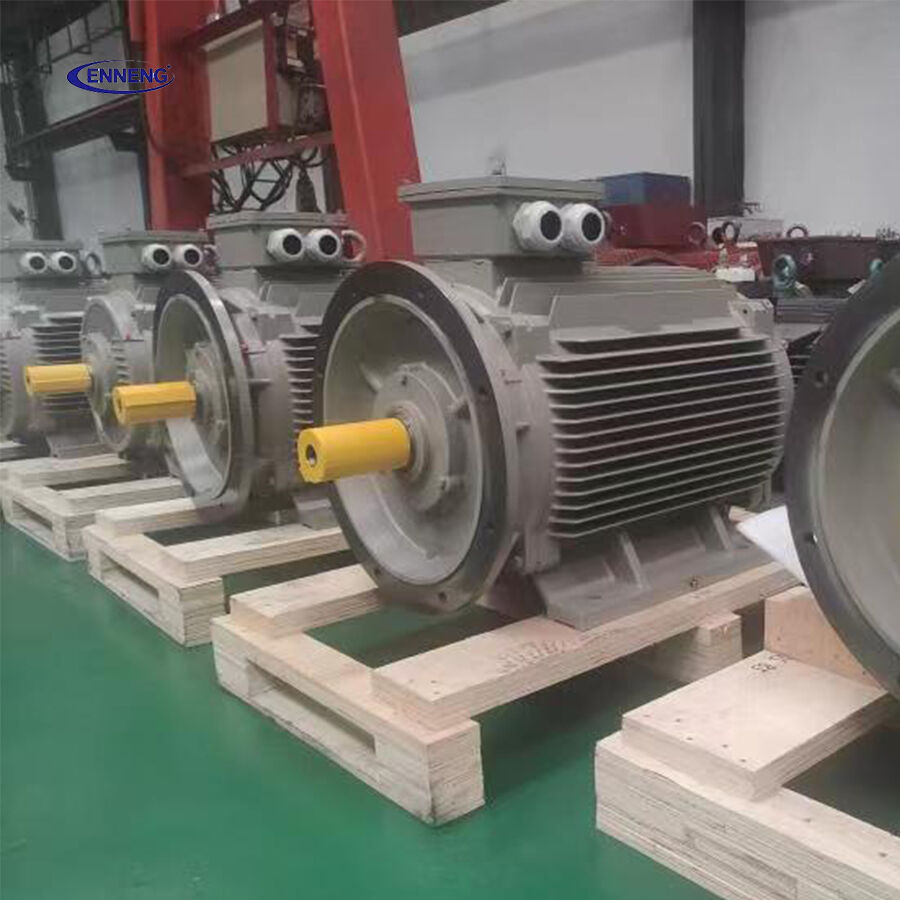
There is an important qualification: PMSM retrofits can create maintenance problems when the motor and drive are poorly matched. A VFD must support PMSM control, and its parameterization must reflect the motor data and operating limits. Fast switching can also introduce shaft-voltage and bearing-current risks in some installations. Depending on the voltage, cable length, grounding arrangement, and drive design, mitigation may include appropriate cabling, grounding practice, filters, insulated bearings, or a shaft-grounding solution. These decisions should come from an application review, not a generic retrofit checklist.
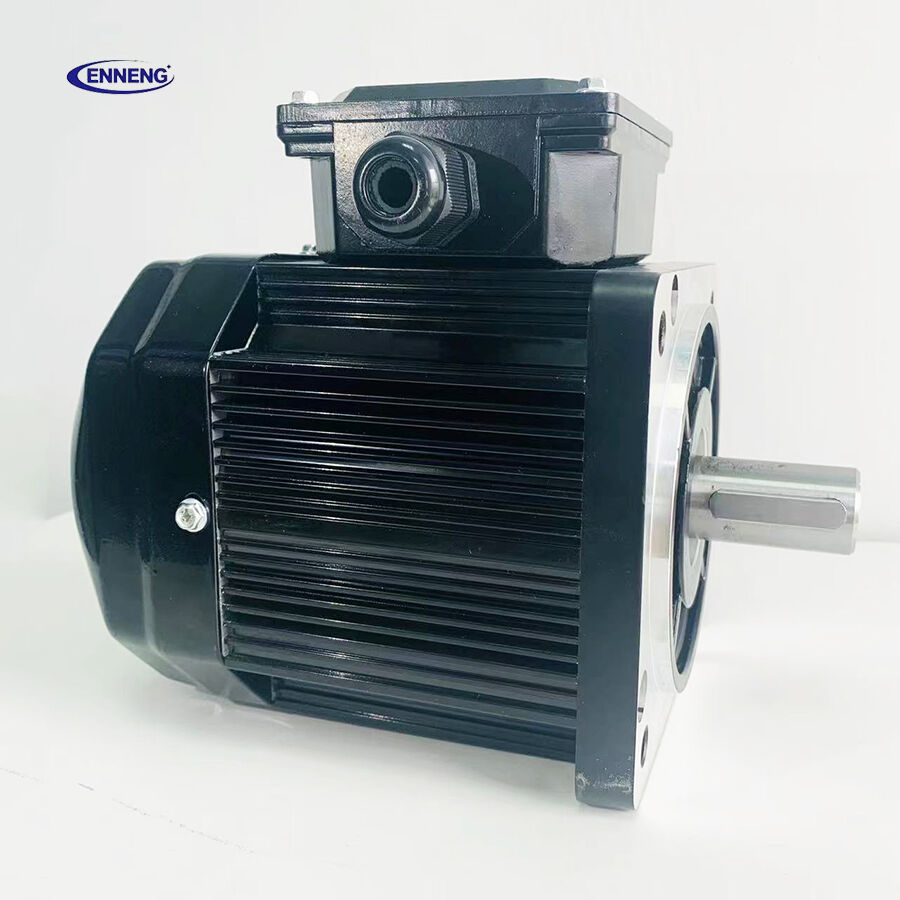
Mechanical compatibility is equally important. A replacement that needs improvised adapter plates, changes the overhung load, or leaves coupling alignment unresolved may transfer cost from the energy budget to the maintenance budget. Before approving an Energy Saving Motor Solution, verify dimensions, shaft and key details, mounting arrangement, ambient conditions, ingress protection, load curve, duty cycle, and site power quality.
A lifecycle-cost framework for the retrofit decision
| Cost area | Question to test before reconstruction | Later-stage effect to monitor |
|---|---|---|
| Energy | How many hours and what load range does the machine actually run? | kWh per unit of output, not just motor input power |
| Mechanical service | Are alignment, coupling, bearings, and foundation condition verified? | Repeat corrective work, vibration alarms, and bearing temperature |
| Controls | Is the VFD PMSM-compatible and correctly commissioned? | Trips, unstable speed, bearing-current symptoms, and parameter changes |
| Downtime | What is the cost of a planned shutdown versus an unplanned failure? | Intervention frequency and production-loss duration |
| Spare strategy | Are critical components and service records identified at handover? | Diagnosis time and time to restore operation |
How to make the maintenance case credible
- Measure the incumbent system. Record load, operating hours, temperatures, vibration, starts, and energy use over representative production periods.
- Define the duty rather than copying the nameplate. Confirm torque-speed needs, overload events, load inertia, environmental exposure, and required control range.
- Engineer motor-drive compatibility. Review the PMSM control method, protection settings, cable route, grounding, and any bearing-current controls.
- Complete the mechanical interface review. Confirm mounting, shaft dimensions, coupling, alignment, ventilation clearance, and access for future service.
- Commission against acceptance criteria. Capture electrical and mechanical baseline data, then schedule an early follow-up inspection under normal duty.
- Track results after start-up. Compare energy, vibration, temperature, unplanned work orders, and downtime with the original baseline.
When does Retrofit Induction to PMSM make the strongest maintenance sense?
The case is often strongest where motors operate for long hours, see variable load, have meaningful downtime consequences, or are difficult to access for corrective work. It is also stronger when the retrofit corrects an existing system mismatch rather than preserving it. A low-duty, stable-load motor with easy service access may still benefit from replacement, but the maintenance argument should be calculated rather than assumed.
For procurement and engineering teams, the right question is not “Will a PMSM eliminate maintenance?” It is “Which failure mechanisms are driving our current work orders, and will this reconstruction remove or reduce them?” An experienced supplier should review the load profile, installation dimensions, and drive environment before recommending a configuration. That application-first approach helps keep the expected lifecycle benefits realistic.
Engineering Consultation and System Integration
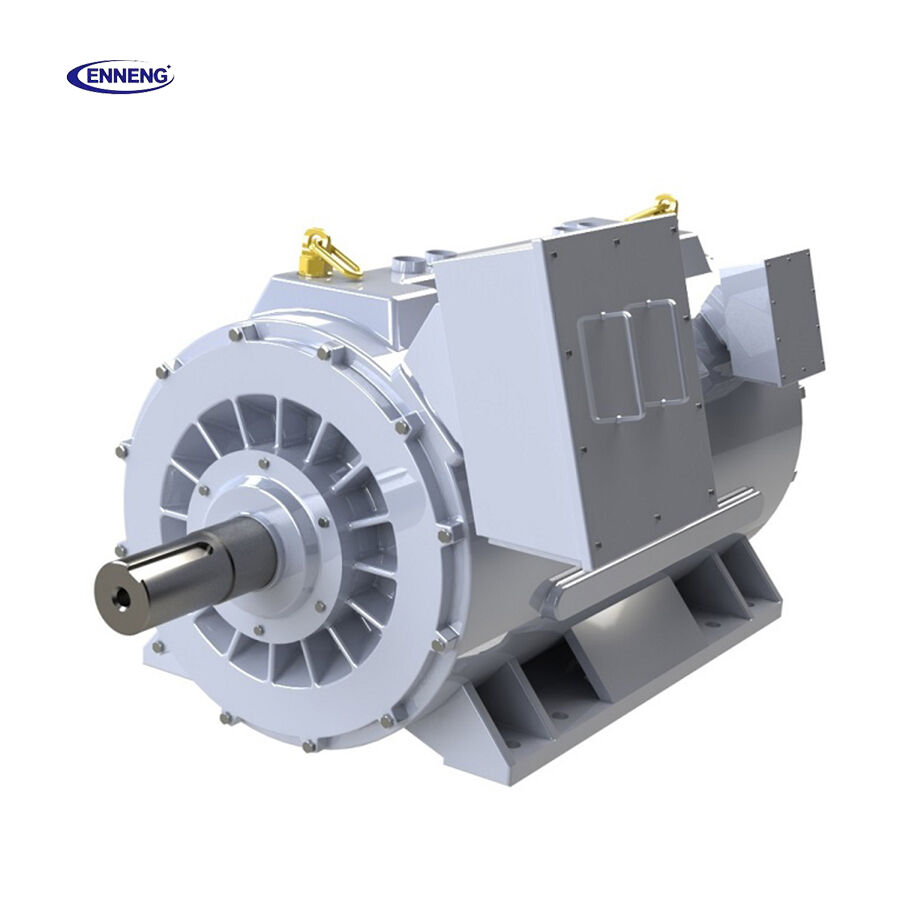
Upgrading high-vibration machinery with an advanced direct drive motor lowers plant acoustic noise, eliminates gearbox maintenance costs, and maximizes continuous operational reliability. Collaborating with an established high efficiency motor supplier guarantees proper low-speed torque sizing, verified torsional vibration modeling, and complete electrical drive package integration. Technical specialists perform detailed structural resonance analyses, acoustic surveys, and custom mechanical flange adaptations to modernize challenging industrial drivetrains. Inquire today to evaluate industrial equipment parameters and specify customized direct drive solutions.
- WhatsApp: +86 18562780228
- E-Mail: [email protected]
- Phone: +86 532 66000559
Conclusion
A Retrofit Induction to PMSM reconstruction can lower later-stage maintenance cost by reducing avoidable heat, improving controllability, correcting mechanical mismatches during the planned shutdown, and creating a documented operating baseline. The outcome is not automatic. It depends on selecting a suitable Permanent Magnet Motor PMSM, integrating a compatible drive, and treating commissioning as part of the asset’s long-term reliability plan. Evaluate the project as a system-level lifecycle decision, and the energy-saving upgrade is more likely to become a durable maintenance improvement as well.

