
 EN

A Mining Industrial Motor installed below ground is not operating in one stable climate. It may spend a shift in humid air near a wet heading, then run warmer as the load rises, then sit during a stoppage while the surrounding temperature falls. That alternating damp-and-dry pattern is more than an upkeep detail. It creates conditions for condensation, contamination, insulation stress, and corrosion that can turn a sound nameplate selection into an unreliable installation.
The practical question is whether the enclosure, winding system, cable interfaces, mounting arrangement, and maintenance plan match the real duty cycle. A Mining Industrial Motor may drive a critical production asset, so environmental adaptation deserves the same attention as torque, voltage, and starting method.
Why alternating moisture and heat are harder on a motor than constant dampness
Constant humidity is already demanding, but cycling is often worse because it repeatedly moves moisture. When a stopped or lightly loaded motor cools below the local dew-point temperature, water can condense on relatively cool metal surfaces and in less-visible spaces around terminal boxes, windings, and bearings. When the motor later warms, some moisture evaporates; it does not necessarily leave the machine. It can redistribute, carry fine contaminants, and leave conductive deposits behind.
That is why a Mining Industrial Motor should be evaluated for exposure transitions, not only average humidity. A dry-looking exterior after a run does not prove that insulation, terminals, or crevices remained dry. The cycle can reduce insulation resistance, promote tracking paths where dirt and moisture coexist, and accelerate corrosion at fasteners, earth connections, and cable-entry hardware.
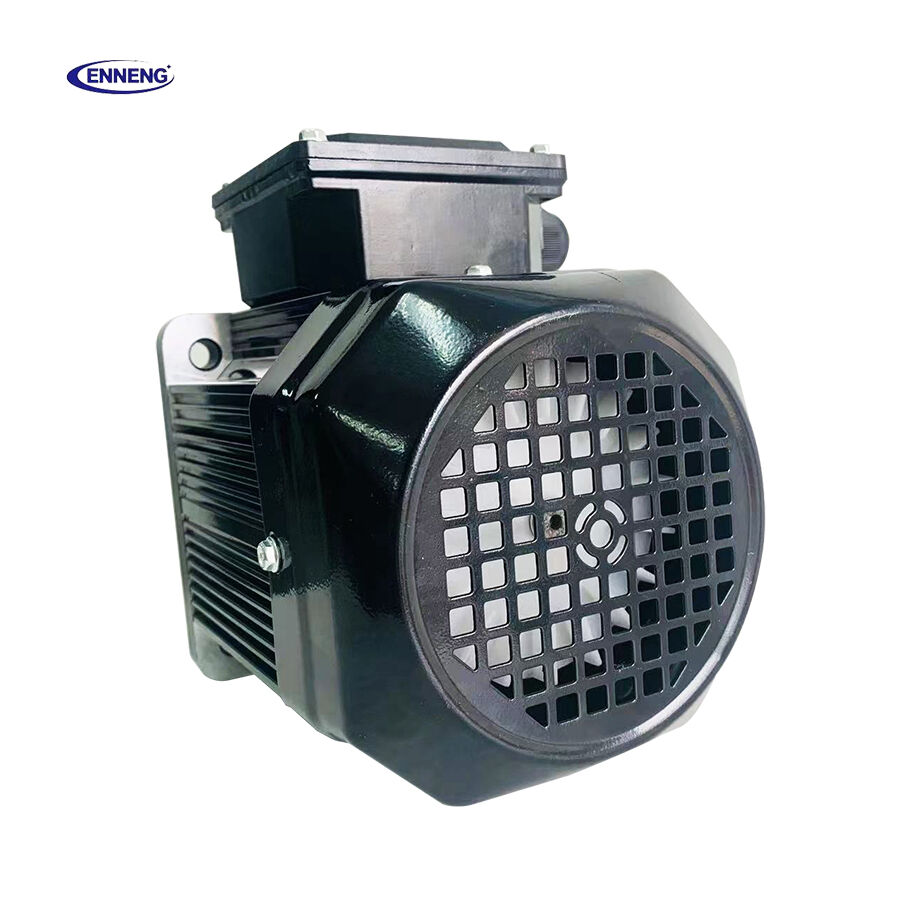
The engineering principle is well established: moisture and condensation can lower winding insulation resistance. Before a motor is energized after adverse exposure or a long idle period, the maintenance team needs a documented insulation-resistance procedure and acceptance criteria appropriate to the machine and site. The exact test method and limits should be set by the responsible electrical engineer; a generic blog article should not invent a pass value.
The failure chain underground: moisture is rarely acting alone
In underground mine service, water is usually accompanied by dust, vibration, washdown activity, changing ventilation, and temperature variation. A Mining Industrial Motor can therefore face a combined mechanism rather than a single fault source:
- Condensation and wet dust: moisture turns deposited fines into a conductive or corrosive film around terminals and insulation surfaces.
- Thermal breathing: repeated heating and cooling can draw humid air through imperfect seals and cable entries.
- Corrosion at interfaces: terminal lugs, earth bonds, bolts, and bearing-related metal surfaces can deteriorate before the main winding visibly fails.
- Insulation ageing under load: a damp winding operating hot has less margin than a clean, dry winding operating at the same load.
- Maintenance blind spots: a motor may restart successfully after a short stop while hidden moisture progressively weakens reliability.
This interaction is why selecting a higher enclosure rating alone is not a complete answer. It may be necessary, but the whole installation still has to keep water away from cable entries, drain or avoid trapped liquid, protect terminals, and make inspections possible.
Specify the protection system, not just a protection number
IEC 60034-5 addresses IP codes for rotating electrical machines, which makes it a useful reference when defining protection against dust, water, and contact hazards. The required IP level should be selected from the actual exposure: splash, dripping water, washdown, slurry proximity, dust loading, and the way the motor is mounted. It should not be chosen from a catalogue habit.
Turn that reference into a site-specific checklist: enclosure joints, terminal-box gasketing, correctly sized cable glands, unused-entry plugs, drainage where appropriate, and terminal-box orientation. A well-rated enclosure can still admit water through a loose gland, damaged gasket, or poorly routed conduit.
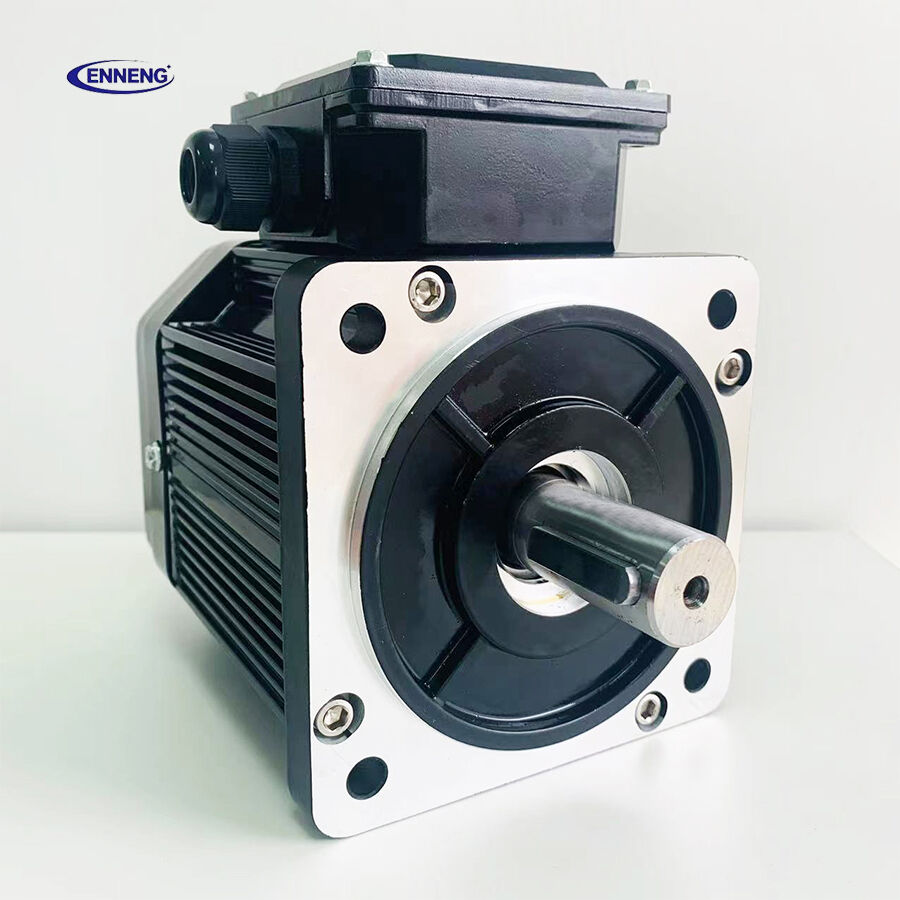
Ask the supplier to clarify the environmental assumptions behind the offered configuration. A Permanent Magnet Motor PMSM arrangement may bring valuable efficiency and control benefits in suitable applications, but it still needs a winding insulation system, enclosure configuration, bearing arrangement, and thermal design appropriate to the mine duty. Technology choice does not remove the need for environmental engineering.
Four design decisions that improve damp-dry cycle resilience
1. Treat winding insulation as a monitored asset
Specify an insulation system suited to the anticipated temperature and contamination conditions, then protect it during storage, installation, and operation. Include pre-commissioning insulation-resistance testing, trend records where the maintenance program supports them, and clear rules for drying or investigation after water exposure. The objective is to identify deterioration before it becomes a trip, a flashover event, or an unplanned rewind.
2. Control condensation during stopped periods
Standstill can be the highest-risk period. Anti-condensation space heaters, correctly controlled and safely supplied, can help keep the internal temperature above the condensation point when the motor is idle. Their suitability depends on the mine’s electrical and safety requirements, so they should be selected as part of the full motor package rather than added as an afterthought. Confirm heater wiring, control logic, inspection access, and procedures for verifying operation.
3. Protect every path into the enclosure
Focus on cable glands, conduit seals, terminal-box covers, shaft-side splash exposure, and mounting surfaces. Check that the selected cable entry method maintains the intended protection level after installation. Where washdown or dripping is possible, routing, drip loops, canopy details, and terminal-box orientation can matter as much as the motor enclosure itself.
4. Match thermal design to the real load profile
A motor that runs hot has less tolerance for contaminated or damp insulation. Review starts per hour, overload periods, variable-speed operation, ventilation conditions, altitude, and ambient temperature swings. Do not assume a nameplate rating captures every underground condition. Field derating and the actual cooling path deserve review before procurement, especially for a Mining Industrial Motor with frequent starts or a high-inertia load.
How to turn the requirement into a procurement specification
A clear request for quotation prevents an environmental requirement from being lost between mechanical and electrical scopes. Rather than asking for a “mine-proof” motor, provide the operating facts and ask for a documented configuration response.
|
Information to provide |
Why it affects the motor selection |
|
Wet areas, splash, washdown, or slurry proximity |
Guides enclosure, sealing, cable-entry, and mounting decisions. |
|
Humidity, temperature range, and shutdown duration |
Helps assess condensation risk and need for standstill heating. |
|
Dust type and cleaning practice |
Influences contamination control and inspection frequency. |
|
Load profile, starts, and speed-control method |
Determines thermal margin and insulation stress considerations. |
|
Site safety classification and local rules |
Ensures the motor package and accessories are reviewed for the correct application constraints. |
|
Required test records and maintenance access |
Creates a verifiable handover plan rather than a reliance on verbal assurance. |
For buyers evaluating a Permanent Magnet Motor PMSM solution, this same specification discipline is essential. Share the duty cycle and environment early so winding configuration, cooling, controls, and protective accessories can be reviewed as a system. A manufacturer with application-specific winding capability and pre-sales technical support can use that information to help reduce configuration mismatch, but site acceptance remains the responsibility of the project’s qualified engineering team.
Build a maintenance routine around transitions, not only running hours
Time-based lubrication and vibration checks remain useful, yet damp-dry cycles also justify event-based checks. Inspect after flooding, ventilation changes, lengthy shutdowns, washdown, or a move to a wetter area. Look for corroded cable hardware, damaged gaskets, water marks, compromised earth bonds, abnormal insulation readings, and blocked drains.
Keep the records connected. If insulation readings, ambient conditions, heater status, and failure observations are captured together, the maintenance team can distinguish a one-off incident from a recurring condensation pattern. That evidence also improves the next Mining Industrial Motor specification. It replaces a vague request for a tougher unit with requirements tied to the actual mine environment.
The ENNENG Customisation Advantage
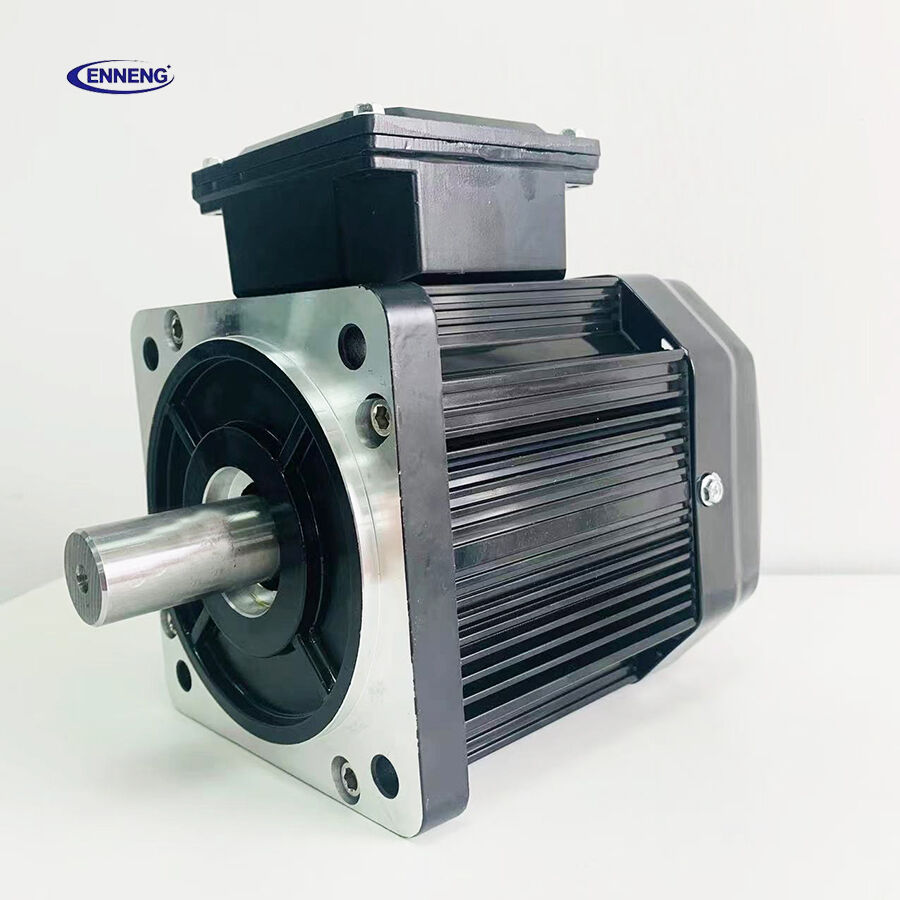
No two industrial facilities share the same spatial or mechanical constraints. ENNENG stands out because we do not just supply off-the-shelf catalogue products; we specialise in delivering a tailor-made permanent magnet motor tailored to your specific application .
Supported by our elite R&D team consisting of engineers from the National Rare Earth Permanent Magnet Engineering Centre, and backed by dozens of patents, we customise high-voltage (6kV/10kV) and low-voltage (380V/660V/1140V) solutions to match your existing footprint. From water treatment facilities and oil wells to explosion-proof mining environments, we deliver optimal performance where general-purpose motors fail .
If you are evaluating commercial permanent magnet motors for sale and need an engineered drive solution that guarantees efficiency and longevity, ENNENG is your trusted partner.Contact ENNENG Today.Speak to our technical engineering team to receive a customised drive proposal.
- WhatsApp: +86 18562780228
- E-Mail: [email protected]
- Phone: +86 532 66000559

