
why-mining-industrial-motor-needs-dustproof-and-anticorrosion-capability-for-mine-tunnels, why-mining-industrial-motor-needs-dustproof-and-anticorrosion-capability-for-mine-tunnels, /blog
EN

2026/09/10
A metal mine in Shanxi ran its main belt on a standard motor inside a tunnel where coal dust hung in the air and seepage water carried sulfur that ate the frame. Within two years the enclosure had pitted through, a bearing seized, and the belt stopped while the crew waited underground for a replacement. After the mine fitted a Mining Industrial Motor with a sealed, coated frame and an explosive-atmosphere rating, the same belt ran through the next inspection with the housing still sound and the windings dry inside the tunnel.
A mine tunnel mixes abrasive dust, conductive moisture, and often acidic water that finds every seam in a standard enclosure. A Mining Industrial Motor in that setting faces corrosion that thins the frame and contamination that shorts the windings. The hazard is doubled because the same dust that erodes the metal can also fuel an explosion if it meets an arc from a failing component underground.
A general-purpose motor assumes clean, dry air, and a mine gives it the opposite. A Mining Industrial Motor must close every path the dust and water use, because once moisture reaches the windings the failure is only a matter of time. The tunnel also limits access, so a motor that fails underground stops production where repair is slow and the crew is stranded far from the workshop.
Survival is built in, not added later, and it rests on enclosure, material, and certification working together. A Mining Industrial Motor that misses any one of the three still fails the tunnel test within a season of operation.
A Mining Industrial Motor uses IP65 or IP66 enclosure that blocks both dust entry and water jet, so the windings stay dry and clean. The sealed path also keeps the bearing grease from washing out under seepage that drips from the tunnel roof. Rating the enclosure to the tunnel condition is the first line of defense the specifier sets before the purchase order is placed.
A Mining Industrial Motor carries a frame coating rated for the mine's chemistry, often to the ISO 12944 corrosion categories for harsh industrial sites. Stainless or treated shafts and protected bearings resist the sulfur water that ate the old unit. The coating is not cosmetic; it is what keeps the housing intact through the inspection cycle and the next.
A Mining Industrial Motor in a gassy or dusty tunnel must meet IEC 60079 for explosive atmospheres, using flameproof or increased-safety construction that contains an internal arc. The certification matches the zone the belt runs in, so a spark cannot ignite the surrounding dust or gas. Specifying the wrong Ex level leaves the motor non-compliant and unsafe for the crew working nearby.
A Mining Industrial Motor is judged by electrical and safety codes that ordinary motors ignore, because the underground risk is different and the inspector is strict. The certificates are what the mine inspector checks before the unit runs on the belt.
IEC 60079 defines the Ex protection methods and zone rules for flammable dust and gas, and a Mining Industrial Motor is built and marked to a specific method. The standard tells the specifier which construction fits the tunnel's hazard class. The marking on the nameplate is the proof the inspection accepts at the gate.
ISO 12944 sets the corrosion categories and coating systems for aggressive environments, and a Mining Industrial Motor frame is specified against its bands. The standard turns "rust-proof" from a vague claim into a tested coating level. The mine uses the category to match the motor to the water and chemical load it will meet underground.
The purchase order must list the environment, not just the power, because the tunnel decides the build of the machine. A Mining Industrial Motor described only by kilowatts will arrive wrong for the shaft and the zone.
Write down the dust load, water chemistry, and gas zone, then require the Mining Industrial Motor to meet them with IP, coating, and Ex ratings. A vague spec invites a standard unit that fails early underground within months. The mine should hand the motor supplier the hazard map before the quote is opened and compared with others.
Keep the tunnel ventilation moving so dust and gas stay below ignition risk, and inspect the Mining Industrial Motor enclosure for coating damage each cycle. A small chip in the frame is where corrosion starts, so touch-up beats replacement at depth. Enneng Motor marks the Ex level and coating class on the nameplate so the inspection matches the tunnel zone exactly.
Before purchase, the mine should also confirm the motor's marking matches the tunnel's declared zone, because a Mining Industrial Motor shipped with the wrong Ex level is non-compliant from the day it arrives. The supplier should state the IP, the coating class, and the Ex method on the quote, so the procurement file is complete before the unit reaches the shaft. A Mining Industrial Motor that meets the written hazard map avoids the rework of fitting a non-conforming unit underground. The mine gains a motor that passes inspection on the first visit rather than after a costly return and a second delivery to the face.
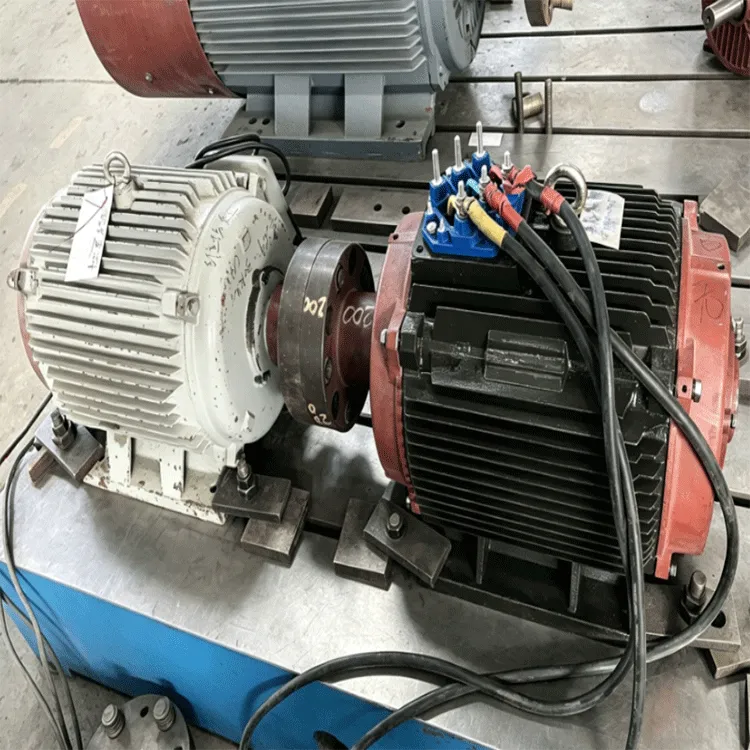
A mine tunnel mixes abrasive dust, moisture, and often acidic water that corrodes a standard enclosure and can fuel an explosion. A Mining Industrial Motor closes those paths with sealed build and certified protection. The underground setting also limits repair access, so a failure stops production where fixing is slow and costly for the crew.
IP65 blocks dust entry and low-pressure water, while IP66 adds protection from strong jets, both keeping a Mining Industrial Motor dry and clean. The sealed rating stops seepage from reaching the windings and washing out the bearing grease. The specifier picks the level that matches the tunnel's water and dust load at the working face.
A Mining Industrial Motor uses a frame coating to the ISO 12944 corrosion categories and treated shafts that resist the mine's sulfur water. The coating is a tested system, not a paint, so it holds through the inspection cycle. Touch-up of any chip prevents corrosion from starting at the bare spot on the frame.
IEC 60079 governs equipment for explosive dust and gas, and a Mining Industrial Motor in a gassy or dusty tunnel must carry the matching Ex marking. The standard defines flameproof or increased-safety construction that contains an internal arc. The nameplate Ex level is what the mine inspection accepts as compliant for the zone.
Check the enclosure coating for chips each cycle, keep ventilation moving to lower dust and gas, and watch bearing temperature trends. A Mining Industrial Motor should show a sound housing at inspection, not fresh pitting. Early touch-up of coating damage prevents the corrosion that leads to a seized bearing underground.
No. A Mining Industrial Motor must match the specific dust and gas zone, because each Ex method fits a defined hazard class. Using a lower rating in a higher-risk tunnel is non-compliant and unsafe for the crew. The mine lists the zone on the purchase order so the supplier delivers the correct certified build.


 EN