
why-mining-industrial-motor-needs-high-durability-in-complex-underground-mining-environments, why-mining-industrial-motor-needs-high-durability-in-complex-underground-mining-environments, /blog
EN

2026/09/11
A belt conveyor in a coal mine ran for only six months before its drive motor seized during a night shift. The maintenance lead pulled the unit and found the bearings packed with fine coal dust and the housing pitted from mine water. A standard mining industrial motor rated for a clean factory floor never stood a chance in that gallery. The failure idled a section of the mine for two shifts, and the replacement called for a mining industrial motor built for the tunnel, not the showroom.
The teardown revealed contaminated grease, a corroded shaft seal, and insulation darkened by humidity. None of these were defects in the winding; they were environmental attacks the motor was never built to resist. A mining industrial motor must survive the place it works, not just the nameplate load. The difference between a six-month life and a six-year life is the specification, not the copper inside the frame.
Above-ground ratings assume filtered air, stable temperature, and light vibration. Underground, a mining industrial motor meets rock-borne shock, abrasive particles, and condensing moisture every hour. Buying on price per kilowatt hides the true cost of a premature tear-down. A mining industrial motor priced for the tunnel earns its premium every month it stays online, because a stopped belt stops the face behind it.
Durability underground is a bundle of protections working together, each aimed at a specific hazard found below the surface. Missing one of them shortens the others' value.
Conveyor jams and roof movement send impacts through the frame. A mining industrial motor built to IEC 60034-14 balancing and tested to ISO 10816 vibration limits holds its windings and bearings under that load. Foot design, ribbing, and balanced rotors keep the unit from shaking itself apart during a surge. The test report matters more than the marketing claim when the rock starts moving.
Fine coal and mine water enter through any gap. A mining industrial motor rated IP65 or IP66 keeps particles and jets out of the bearing cavity and terminal box. IEC 60034-5 defines the ingress tests; the supplier should show the certificate. Seals and breathers are consumables, so they must be serviceable without opening the whole machine during a brief maintenance window.
Hydrogen sulfide and chloride-laden water attack bare metal fast. A mining industrial motor with an ISO 12944 coating system and stainless hardware resists the pitting that wrecked the failed unit. Paint is not decoration underground; it is a barrier between the atmosphere and the steel. Specifying the corrosion class prevents the slow rust that ends a motor's life long before the winding wears out.
Choosing a motor one class too low is a quiet way to lose money and safety margin, and the cost appears exactly when the operation can least absorb it.
A seized drive stops the belt, the belt stops the face, and the face stops the shift. A mining industrial motor that fails early turns a small saving into lost tonnage and a risky hot work repair underground. Surface temperatures swing as loads change and ventilation shifts; a mining industrial motor with class F or H insulation per IEC 60034-1 tolerates those cycles without the varnish cracking. The rating on the nameplate must match the worst day, not the average one.
The right choice is only half the story; the other half is how the unit is specified and cared for across its service life.
State the hazard class, the ingress rating, the gas exposure, and the duty hours before requesting a quote. A mining industrial motor vendor needs the real gallery conditions, not a generic power figure. Sharing the failure history of the old unit helps the new one avoid the same end. A mining industrial motor specified from the tunnel up outlasts one chosen from a brochure and a price column.
Grease intervals, seal checks, and vibration readings catch trouble before a seizure. A mining industrial motor on a planned route survives longer than one serviced only after it stops. Log the readings so trends show bearing wear early. Underground, a scheduled stop is cheap; an unplanned one is not, and it can strand crews between shifts in a place built for extraction, not comfort.
A mining industrial motor that is specified with the gallery in mind also simplifies the spare-parts plan, because the seals, bearings, and sensors are named up front rather than discovered after a failure. That foresight keeps a single stalled drive from becoming a multi-shift outage underground. The operator who plans the consumables with the unit buys fewer surprises than the one who learns the hard way.
A mining industrial motor should also be reviewed against the site's own failure history, not a generic datasheet. If the previous unit died from water entry, the new ingress rating must clearly beat the old one. Specifying from evidence, not habit, is what turns a repeated breakdown into a solved problem.
A mining industrial motor that is bought on the lowest quote often costs the most by the end of its first year underground, because the savings at purchase are small next to a single lost shift. The specification, not the price tag, decides the true economy of the machine in the gallery, and the difference shows up on the tonnage report.
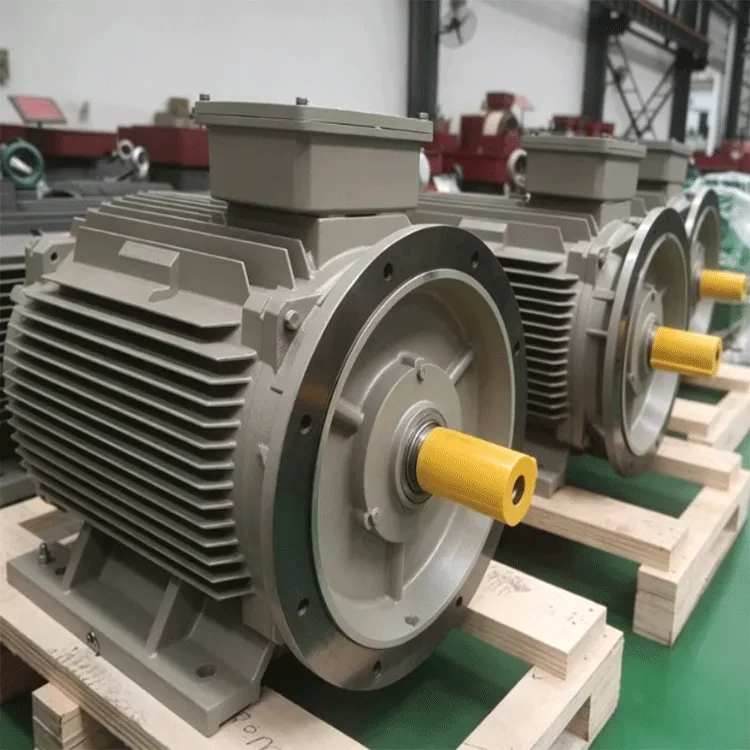
Standard motors assume clean air and light vibration, while tunnels add dust, water, shock, and corrosive gas. A mining industrial motor is sealed, reinforced, and coated for those hazards. Using a standard unit invites early bearing failure and unplanned stops. The savings on purchase disappear in the first breakdown, and the breakdown rarely happens at a convenient hour.
IP65 or IP66 is common where fine coal dust and water jets are present, tested under IEC 60034-5. A mining industrial motor should carry the certificate, not just a claim. Higher ratings cost more but pay back by keeping contaminants out of the bearing cavity. Match the rating to the wettest, dustiest point on the route, not the office assumption of the environment.
IEC 60034-14 covers balancing and IEC 60034-1 the general construction, while ISO 10816 sets vibration limits for machines. A mining industrial motor tested to these holds together under conveyor shock and roof movement. Ask for the test report, because balance quality is invisible until the unit runs loaded and the frame starts to walk across the floor.
ISO 12944 coating classes plus stainless or plated hardware resist mine atmosphere and chloride water. A mining industrial motor with a proper paint system avoids the pitting that ended the failed unit. Coating choice should follow the specific gas exposure, not a generic outdoor grade. Touch-up kits help field repairs last through the next inspection rather than the next rainfall.
Class F or H per IEC 60034-1 tolerates thermal cycling better than class B. A mining industrial motor in a hot, damp gallery needs that headroom so varnish does not crack. The chosen class should cover the worst shift, not the yearly average. Over-rating insulation is cheap insurance against early failure when the ventilation falters during a hot summer.
A planned route with grease checks, seal checks, and vibration readings each month catches wear early. A mining industrial motor logged over time shows bearing trends before seizure. Underground, a scheduled stop costs far less than a breakdown mid-shift. Tie the interval to duty hours, not just the calendar, because some galleries run harder than others.


 EN