
why-mining-industrial-motor-needs-special-sealing-treatment-for-mine-tunnel-dampdry-alternating-environment, why-mining-industrial-motor-needs-special-sealing-treatment-for-mine-tunnel-dampdry-alternating-environment, /blog
EN

2026/09/16
A Mining Industrial Motor in a tunnel never sees a steady climate. Watering cycles, ventilation swings, and seasonal inflow push the air from wet to dry and back several times a day. That cycling is harder on the machine than constant moisture, because each swing stresses every seal and joint. The enclosure, not the winding, decides how long the unit survives underground. A Mining Industrial Motor built for a fixed climate will not survive this one.
One underground belt used a standard enclosed motor that ran fine for months, then failed during a humid spell after a ventilation change. Condensate pooled inside the terminal box, the bearing grease washed out, and the winding insulation broke down. The site lost a full shift of ore movement. A Mining Industrial Motor specified for that exact cycling would have used drain paths and a space heater to keep the interior above the dew point. A Mining Industrial Motor rated only for a dry, steady room fails the tunnel, so the enclosure spec must lead the design. Drainage and a low-watt heater cost little next to a lost shift.
Constant wet lets a coating do its job; alternating humidity keeps dissolving and re-forming films on the surface. A Mining Industrial Motor in that band sees corrosion start at the seams, where the seal meets the housing. Thermal expansion opens micro-gaps on warm runs and closes them on cool ones, pulling damp air inward. The result is slow, invisible damage that shows up as a sudden stop during a peak production week. A Mining Industrial Motor that passes a dry-lab test still fails where the tunnel is wet then dry, because the test never cycles the seal the way the climate does. Only a verified ingress design survives that rhythm.
The failure mode is not dramatic at first, yet a Mining Industrial Motor still loses months of life to it. It builds through small, repeated events that a monthly check can miss, and a Mining Industrial Motor depends on the enclosure as much as the winding to ride through it.
Rubber lipless seals and gaskets harden when temperature ranges swing across the day. A Mining Industrial Motor with a stiffened lip seal loses its contact pressure, so it stops blocking moisture and starts breathing it in. Once the elastomer cracks, replacement is the only fix, and the damage often spreads to the shaft journal before anyone notices. A Mining Industrial Motor with a logged seal-pliability check catches the crack at a planned stop. A wider temperature-grade elastomer also slows hardening by staying inside its rated swing each cycle.
Moisture that reaches the bearing washes away grease and seeds rust on the race. A Mining Industrial Motor in a damp-dry tunnel also risks condensation across the winding, lowering insulation resistance until a phase-to-ground fault trips the drive. Both faults trace back to the same root cause: the enclosure let the climate inside, and the rating on the nameplate did not match the duty. A Mining Industrial Motor with the right internal climate keeps grease in place and insulation resistance high, which is why the enclosure, not the winding, sets the service interval underground.
Good protection is a system, not a single gasket. It pairs the right ingress rating with controlled breathing and a stable interior, so a Mining Industrial Motor earns its rating only when the build matches the claim.
A Mining Industrial Motor in a spray-and-dry zone needs at least IP55, and many tunnels call for IP56 or IP65 where washdown is routine. The rating must match the actual exposure, not a catalog default. Higher ratings add cost, so the spec should follow the duty the motor truly runs rather than the safest number on the sheet. A Mining Industrial Motor chosen this way protects the budget and the runtime, because the rating matches the zone instead of a generic catalog default that no tunnel actually represents.
Drain holes with check valves let trapped water leave without letting air in. A low-watt space heater keeps the interior a few degrees above ambient, stopping condensation before it forms. A Mining Industrial Motor also benefits from a corrosion-resistant coating on the frame and stainless hardware, so the damp-dry cycle cannot start rust at the fasteners or the foot bolts. A Mining Industrial Motor leaves the plant ready only when the cable gland is a sealed type rated for the zone, because the entry point fails as quietly as the housing if it is left open.
Specifying the right unit means citing the rules that define harsh-duty protection and proving the build meets them. A Mining Industrial Motor built to those rules turns a vague rugged promise into a measurable, auditable specification.
IEEE 841 sets the bar for severe-duty motors in tough plants, covering bearing protection, drainage, and tropicalization that a Mining Industrial Motor in a tunnel needs. IEC 60034-5 defines the IP code, so the ingress claim is testable rather than decorative. Together they turn a vague "rugged" promise into a measurable specification a buyer can audit before the unit ships.
Before quoting, list the humidity range, washdown frequency, and cable entry points. A Mining Industrial Motor should arrive with certified IP rating, drain provisions, and a space heater on the datasheet. In service, check seal pliability, drain flow, and insulation resistance each quarter; log resistance trends so a slow drop warns of ingress before the motor stops on the line.
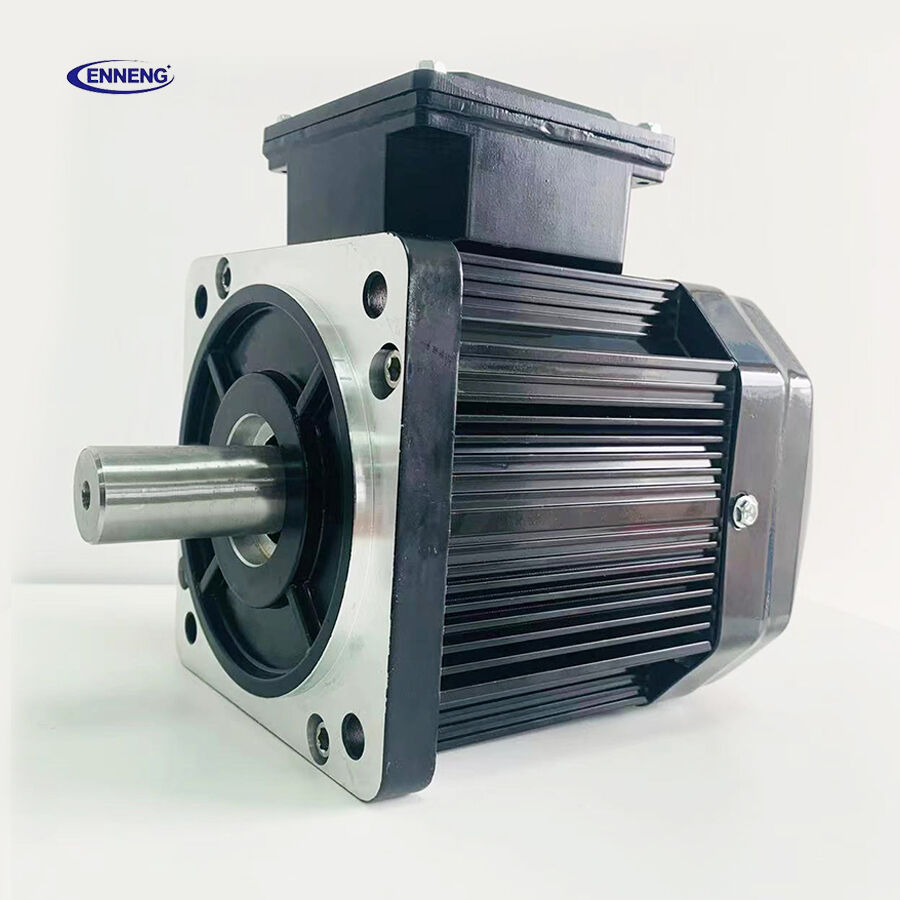
Mine tunnels mix ventilation air, water inflow, and spraying for dust, so the climate shifts from wet to dry several times a day. A Mining Industrial Motor sits in that band, and each swing moves the dew point across the enclosure surfaces. Constant wet lets a coating work, but the alternating cycle keeps re-forming films and opening micro-gaps at the seals, which is why it ages the machine faster than steady moisture.
Most spray-and-dry zones need at least IP55, while routine washdown calls for IP56 or IP65. A Mining Industrial Motor should carry the rating that matches its actual exposure, not a default figure. The number must come from IEC 60034-5 testing, so the claim is verifiable. Overspecifying adds cost, so the rating should follow the real duty the motor runs.
When the interior cools below the dew point, water condenses on the windings and terminal box. A Mining Industrial Motor without a space heater or with blocked drains lets that moisture stay and pool. Thermal cycling then pulls damp air in through any softened seal. Drain valves and a low-watt heater keep the inside above the dew point, stopping condensation before it forms on the insulation.
Seals and gaskets harden and crack under daily temperature swings, losing contact pressure. A Mining Industrial Motor then starts breathing in moist air, which washes bearing grease and seeds rust on the race. Moisture across the winding lowers insulation resistance until a fault trips the drive. Most stops trace back to the enclosure letting the tunnel climate inside through a failed seal.
IEEE 841 sets the severe-duty benchmark for plants with tough conditions, covering bearing protection, drainage, and tropicalization suited to a Mining Industrial Motor in a tunnel. IEC 60034-5 defines the IP code so ingress claims are tested, not assumed. Citing both turns a vague "rugged" label into a measurable specification that a buyer can verify during audit.
Quarterly checks catch trouble before a stop. A Mining Industrial Motor needs seal pliability, drain flow, and insulation resistance logged each time, because a slow resistance drop signals ingress early. Inspect cable entries for wicking and confirm the space heater works during cool, humid spells. Trends matter more than single readings, so keep a running log across the seasons.


 EN