
 EN

An underground mine is not simply an above-ground plant with less daylight. It combines airborne dust, humidity, water spray, abrasive contamination, vibration, limited cooling paths, difficult access, and—in some workings—hazardous atmospheres. Those conditions explain why a Mining Industrial Motor needs a protection specification built around the actual duty point, not a generic description such as “heavy duty.” For procurement teams, the question is not whether a motor can turn a conveyor or crusher on a test floor. It is whether its enclosure, seals, terminals, insulation system, cooling arrangement, and applicable explosion-protection concept remain suitable after months of mine service.
As a procurement specialist, I would treat protection performance as part of availability planning. A motor failure underground can stop a production line, consume scarce maintenance hours, and expose personnel to a more complicated repair task than the same failure at surface level. The lowest purchase price can therefore become a poor decision if it omits the environmental and safety conditions that determine motor life.
Underground exposure changes the failure mechanisms
Mining duty combines stresses that can reinforce one another. Fine dust settles on cooling fins and finds its way toward cable entries or damaged gaskets. Water can arrive as washdown, spray, seepage, or condensation rather than a single predictable event. Repeated starts, low-speed operation, and variable loads can reduce cooling when torque demand remains high. Meanwhile, conveyors, crushers, pumps, hoists, and feeders transfer shock and vibration into the mounting system.
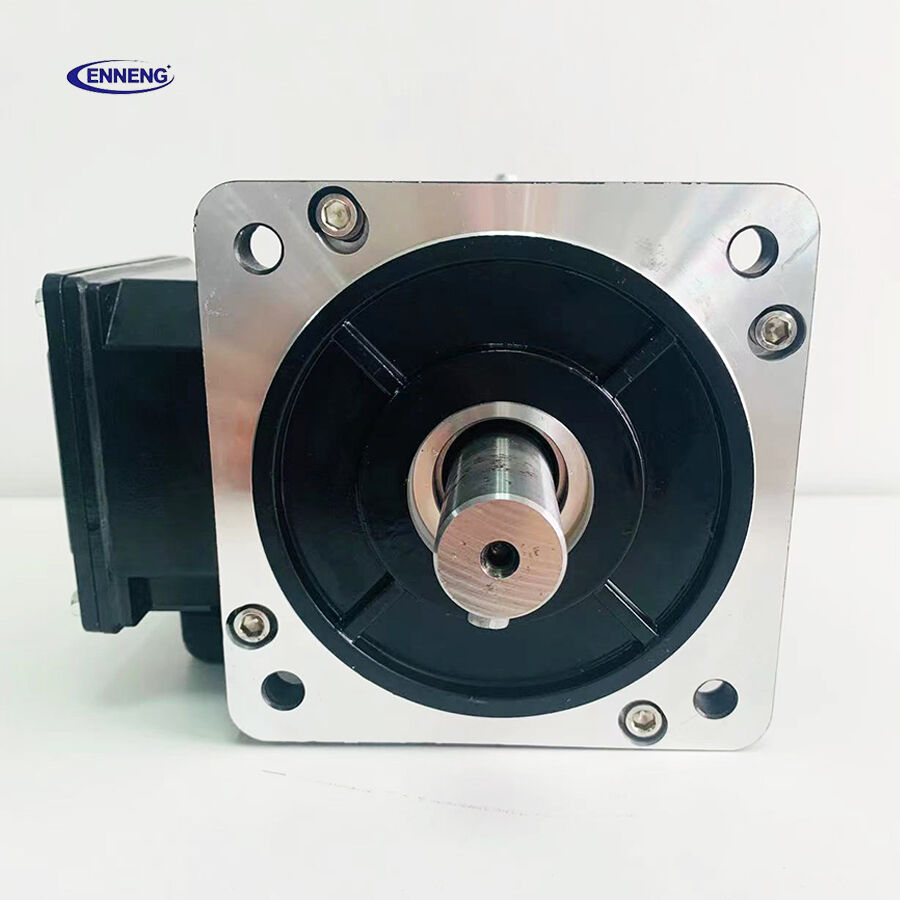
That is why a Mining Industrial Motor should be specified from the installed environment outward. Start with the location: Is the motor exposed to conductive mineral dust, washdown, standing water, or corrosive process residue? Then add the mechanical duty: How often does it start, what torque is required at low speed, and how will the motor cool during speed-controlled operation? Finally, confirm the site’s electrical-area classification and local mine requirements. These are separate questions, but they cannot be answered independently.
Ingress protection is a functional requirement, not a label
IEC IP ratings provide a common way to describe how an enclosure resists ingress of solids and liquids. In practical terms, the first digit addresses access and solid-particle protection; the second addresses water exposure. That framework is useful, but it does not make every high-number rating appropriate for every mine location. The required code should follow the exposure profile, installation orientation, cleaning method, cable-entry design, and maintenance reality.
For example, dust protection only works as a system. The housing, terminal box, conduit fittings, cable glands, breathers, shaft seals, and inspection covers all need compatible protection. A well-rated enclosure can still admit contamination if a field-installed cable entry is unsuitable or a gasket is damaged during service. Likewise, water resistance should be matched to actual spray or washdown conditions rather than selected by habit. For a Mining Industrial Motor, ask the supplier what configuration was tested and which site-installed components remain the installer’s responsibility.
A reliable Mining Industrial Motor also needs an honest discussion of the protection-versus-cooling trade-off. Tighter enclosure arrangements can change heat rejection. The correct response is not to lower the protection target; it is to check the thermal design, cooling method, ambient temperature, altitude, duty cycle, and permissible temperature rise together.
Hazardous-area protection is different from IP protection
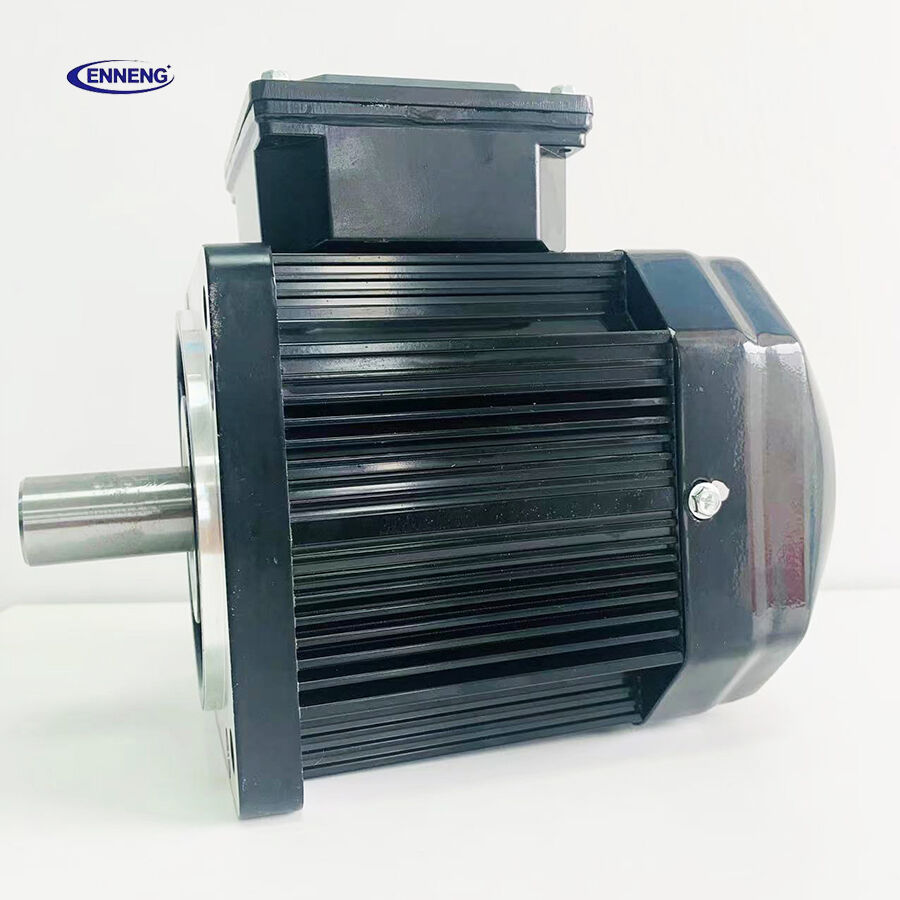
IP performance helps control dust and water ingress. It does not, by itself, demonstrate suitability for an explosive atmosphere. In underground coal or other regulated mine environments, the applicable local rules and area classification may call for a defined protection concept, certification route, equipment protection level, markings, documentation, and installation practice. IECEx materials identify Ma and Mb equipment protection levels for underground mining, but the appropriate equipment must be confirmed against the mine’s jurisdiction and classification.
This distinction matters because a motor may be mechanically robust yet unsuitable for a particular hazardous location. Procurement documentation should therefore keep the requirements separate: enclosure ingress rating; explosion-protection concept and certification when applicable; temperature class or surface-temperature limitation where required; cable and gland compatibility; and the approved installation conditions. A Mining Industrial Motor should not be assumed suitable merely because its brochure says it is designed for mining.
Thermal margin protects insulation and magnets
Heat is often the hidden constraint in underground service. Standard motor temperature-rise guidance commonly references a defined ambient condition, while the installed motor may see blocked airflow, dust-coated fins, warm intake air, frequent starts, or inverter operation at low speed. A nameplate power rating is therefore only one input to selection. The actual continuous torque, start sequence, overload duration, cooling method, and ambient conditions must be checked.
This is especially relevant when evaluating a Permanent Magnet Motor PMSM. A properly engineered permanent-magnet machine can be attractive for variable-speed duty and efficiency, but its application still requires thermal verification. Magnet properties, rotor temperature, inverter settings, ventilation, bearing-current mitigation, and control tuning should be considered as a complete system. When it is selected as a Mining Industrial Motor, the Permanent Magnet Motor PMSM should be reviewed against the same dust, water, hazardous-area, and heat-rejection requirements as any other motor. In other words, it is not a shortcut around site-specific protection engineering; it is a motor technology that must be matched carefully to the mine duty.
Vibration, bearings, and cable entries deserve equal attention
It is easy to blame a motor when vibration appears at a conveyor or pump station. In practice, alignment, base stiffness, coupling condition, driven-equipment imbalance, or a weak mounting interface may be the root cause. The motor specification should set reasonable vibration expectations, but the installation plan must also define foundation checks, alignment procedures, fastener control, and acceptance measurements.
Bearings and terminal systems need the same discipline. Consider bearing arrangement, lubrication accessibility, sealing, expected radial and axial load, and whether variable-frequency operation requires additional bearing-current controls. At the terminal box, confirm cable range, gland thread, shielding and earthing approach, bend space, and how the selected entry preserves the intended enclosure rating. A small mismatch at a cable entry can undermine a much larger investment in a protected motor.
Protection performance supports availability
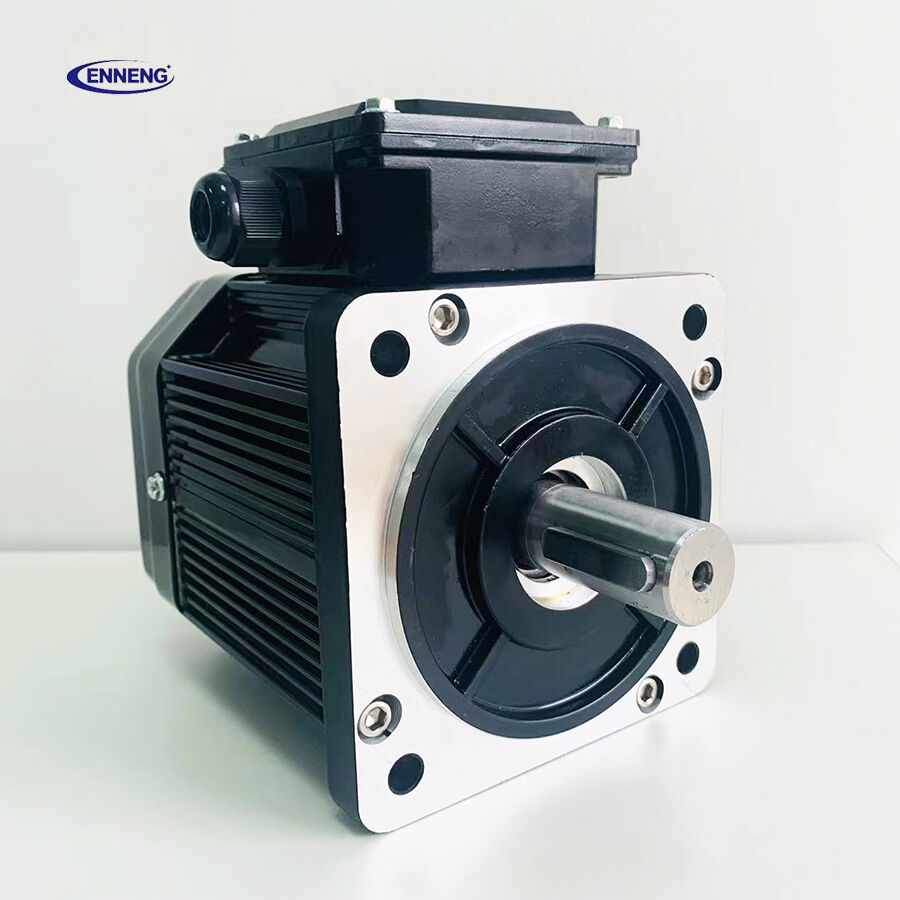
The strongest case for strict protection performance is not that every motor needs the highest possible rating. It is that underground mines have too little tolerance for an unexamined mismatch between environment and equipment. The right Mining Industrial Motor specification turns vague expectations into verifiable requirements for ingress, hazardous-area suitability, thermal margin, mechanical integration, and maintainability.
Before placing an order, review the motor and drive as an installed system. Ask what conditions the rating assumes, what accessories are included, how protection is preserved at the cable entry, and what evidence supports the stated operating limits. This approach may add work before purchase, but it reduces the chance that an avoidable protection gap becomes an underground outage later.
If you are evaluating commercial permanent magnet motors for sale and need an engineered drive solution that guarantees efficiency and longevity, ENNENG is your trusted partner.Contact ENNENG Today.Speak to our technical engineering team to receive a customised drive proposal.
- WhatsApp: +86 18562780228
- E-Mail: [email protected]
- Phone: +86 532 66000559

