
why-oneoff-procurement-price-cannot-dominate-final-decision-of-pmsm-vs-induction-motor-cost-comparison, why-oneoff-procurement-price-cannot-dominate-final-decision-of-pmsm-vs-induction-motor-cost-comparison, /blog
EN

2026/09/29
A packaging plant in eastern China compared two motor quotes on sticker price and picked the cheaper induction unit, then watched the energy bill climb for three years. The plant engineer later admitted the purchase saved a little and cost a lot, because the permanent-magnet option would have paid back inside eighteen months. A steel-service center avoided the trap by running a side-by-side trial before buying, and the measured PMSM vs Induction Motor Cost gap stayed wide across a hot summer. A PMSM vs Induction Motor Cost decision made on price alone repeats the first plant's mistake, because the ticket is the smallest line on the sheet. The steel center logged both machines through a full quarter, including the seasonal peak, and the permanent-magnet unit held its lead when the air compressor load was heaviest. Both plants later fed their logs into a sister line, and the same measured approach prevented a repeat of the mistake on a second packaging machine.
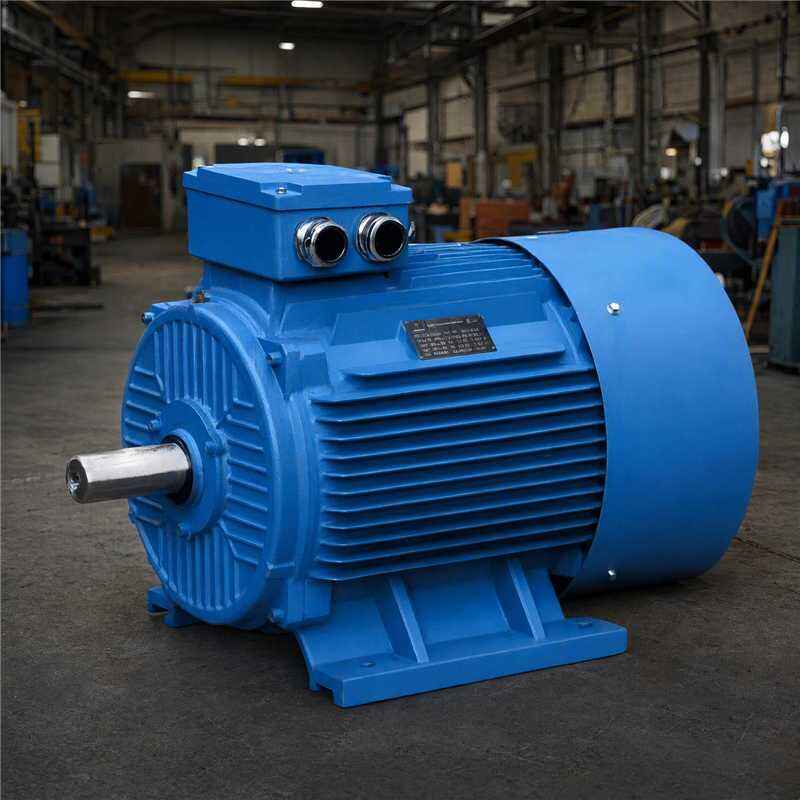
The usual failure is to hand the motor choice to a buyer who sees only the purchase order, then discover the lifetime energy bill is higher. A PMSM vs Induction Motor Cost study built only on catalogue numbers misses part-load behavior, where permanent-magnet machines win. ENNENG prevents this by supplying a total-cost model with the quote, not just a datasheet. The risk is a decade of higher running cost locked in by a single line on a purchase form. A PMSM vs Induction Motor Cost comparison that stops at price almost always favors the wrong machine for the plant's real duty. A second risk is the audit: when a later reviewer asks for the saving proof, a price-only file has nothing to show, and the original buyer carries the blame for a decision made on a sticker.
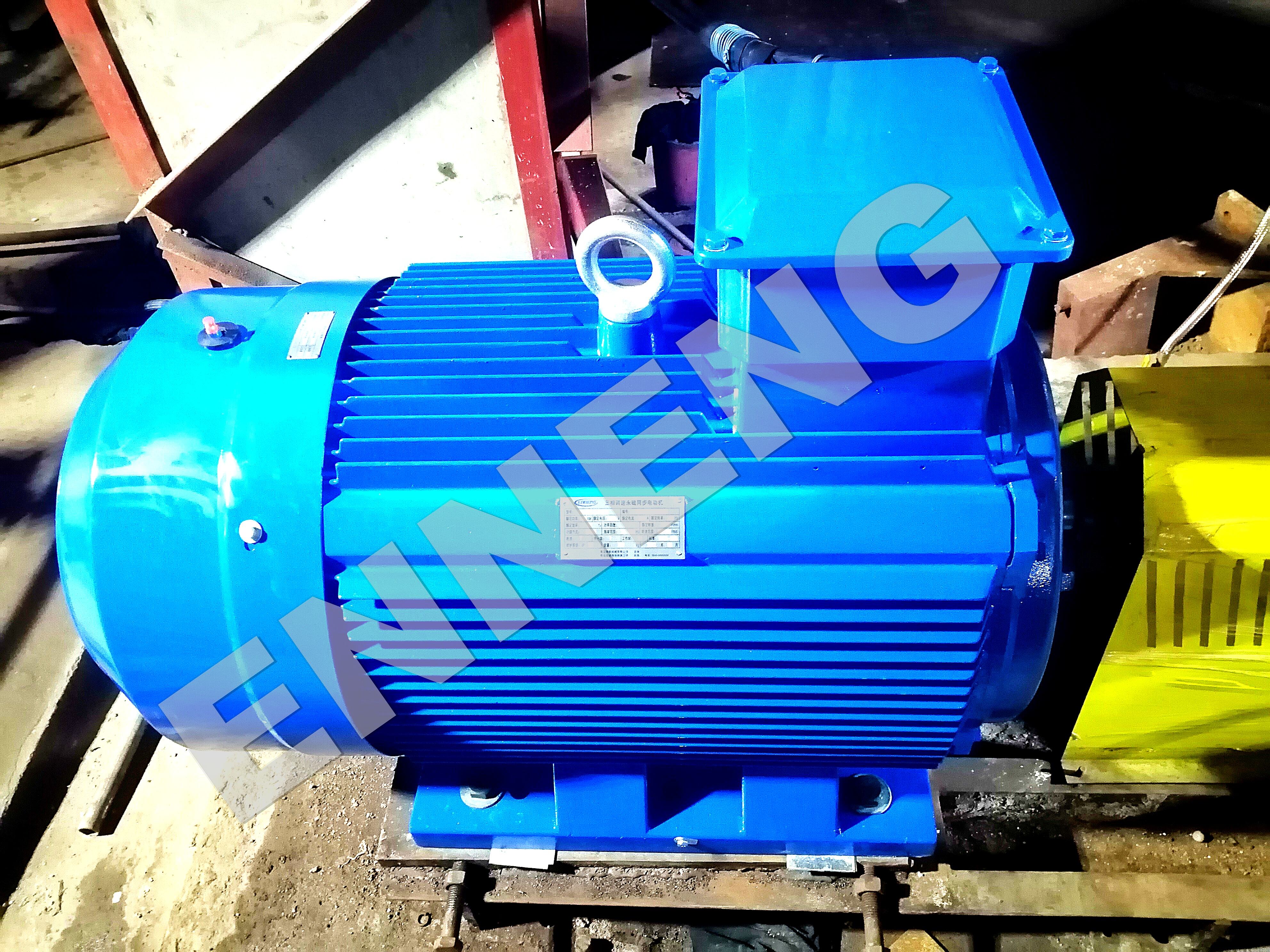
A fair PMSM vs Induction Motor Cost model counts every line, not only the ticket. ENNENG low-speed direct-drive permanent-magnet units remove the gearbox loss and hold efficiency at part load, so the energy row falls by double digits. In a documented case, the permanent-magnet unit saved about 21 percent on the monthly energy line against the induction alternative. A PMSM vs Induction Motor Cost sheet must also count downtime, because fewer stops mean fewer late shipments and less overtime. The capacitor and cooling load drops as well, because the permanent-magnet machine draws a cleaner current and heats the room less. A PMSM vs Induction Motor Cost model that adds these rows shows the induction ticket shrinking to a small item against the running total.
|
Line |
Induction (IE3) |
ENNENG PMSM (IE5) |
|
Purchase price |
baseline |
higher |
|
Ten-year energy |
high |
lower |
|
Downtime hours per year |
about 18 |
about 11 |
|
Gear service |
yes |
none |
|
Total owning cost |
high |
lower |
The same model should be used to analyze part-load conditions, since the majority of power plants operate at less than 50% load. ENDEX declawed the gearbox to induce honesty from the first stage, and logs all the actual duty cycles. Not accounting for part-loads significantly over-simplifies the analysis of permanent-magnet motors. ENDEX also accounts for the cost of the capacitor and the motor cooling system, which are hidden in the energy costs and billed to the customer with induction motors. A PMSM vs Induction Motor Cost analysis should estimate the annual run hours and the cost per kWh, since both affect the line losses and energy costs. Running a PMSM vs Induction Motor analysis with incorrect annual run hours can significantly impact the result and over-simplify the analysis.
Standards allow us to compare costs in standardized ways. For permanent magnet synchronous (PMSM) vs. Induction motors, for example, IEC 60034-30-1 specifies classes for which like-for-like comparisons may be made for different motor types across various brands. For standardized testing, IEC 60034-1 describes the methods. A verified saving, as stipulated in ISO 50001, may be made from the subsystem, component, or system, of which the saving is claimed. Measurement of the energy saved is specified in IEEE 141. The trusted energy line is realized. A finance review of a report based upon the above references is guaranteed, since the line connects the data and the standards. A prior, measured test, as stipulated in the standards, also supports the saving claim for a prospective audit.
Build a PMSM vs Induction Motor Cost case from the real machine, not a bench, and meter both units through the same weekly load shape for at least four weeks. Ask ENNENG for the matched drive and the test protocol, so the permanent-magnet result is tuned, not just connected. A PMSM vs Induction Motor Cost program should report a ten-year total-owning figure, not the purchase price alone. Keep the raw logs; they answer the first audit question and support the next order without a second trial. Include the drive setting and the daily template in the handover pack, so the next site repeats the test in a day. A PMSM vs Induction Motor Cost case that shows the payback in months usually wins approval on the first reading.
A result only convinces when finance sees the full sheet. ENNENG presents the purchase line, the energy line, the downtime line, and the gear line side by side, so the higher ticket becomes a small item against the running saving. A plant that reads the model this way usually approves the permanent-magnet unit, because the payback shows in months. The model also protects the buyer when a later auditor questions the claim, because every number traces back to a logged hour. The finance team reads the ten-year total, not the sticker, and the dearer machine becomes the cheaper one on the only line that counts at renewal time.
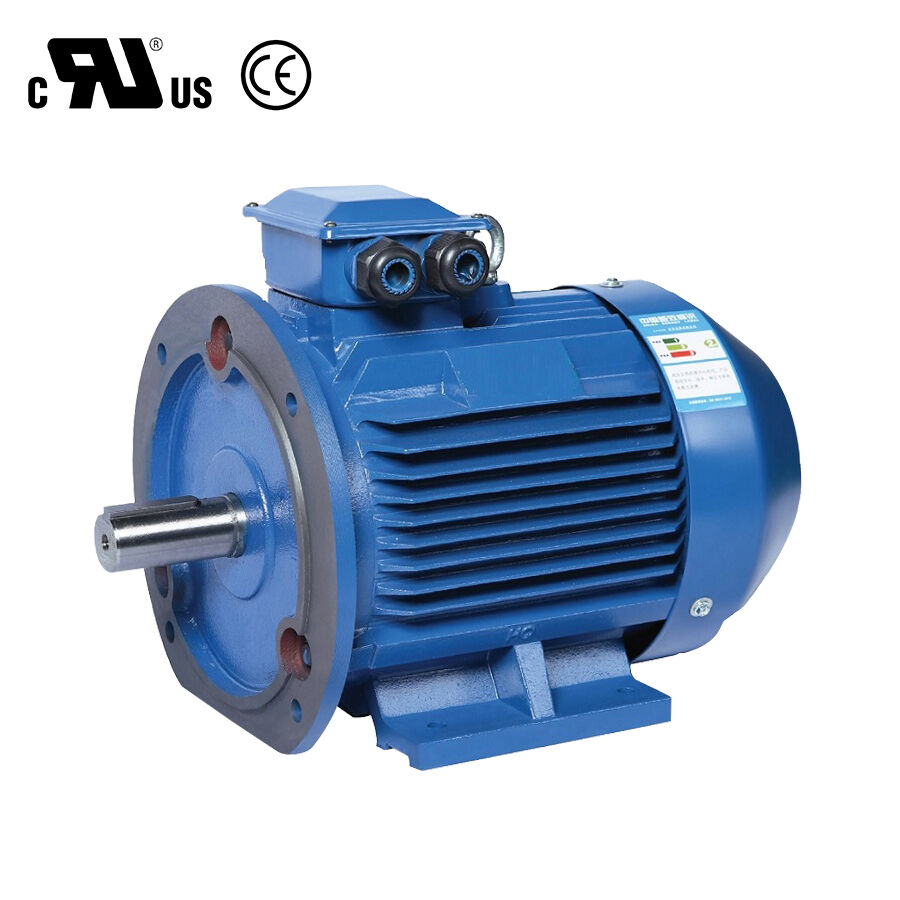
A PMSM vs Induction Motor Cost decision should rest on a measured model, so send the load profile to the engineering team before purchase. ENNENG returns a ten-year total-owning sheet, not a single sticker price.
A: The cheaper induction motor costs more over ten years because it draws more energy at part load, where most plants run, and it keeps a gearbox the permanent-magnet unit removes. A cost model adds the energy line, the downtime line, and the gear line, and the induction side loses on all three. The purchase price is the smallest item on the sheet. ENNENG recommends a four-week meter trial so finance sees the full cost instead of the sticker alone.
A: A comparison should run at least four weeks on the real machine, because one week misses the load swings that decide the result. Meter both motors at the input and log temperature and stop time every day, then swap the units on the same shaft. ENNENG supplies the protocol so the test repeats exactly. A longer window catches the seasonal low-load stretch where the permanent-magnet advantage grows widest against the induction alternative on the same duty.
A: A cost model must never omit the part-load energy, the downtime hours, and the gear service, because those three lines decide the winner. ENNENG drops the gearbox row from the induction side and adds the capacitor saving, so the comparison stays honest from the first row. The purchase price is shown but not weighted alone. A model that hides these lines understates the permanent-magnet advantage and leads the buyer to the dearer machine over its working life.


 EN