
why-permanent-magnet-generator-is-favored-by-industrial-wastegaswasteheat-comprehensiveutilization-projects, why-permanent-magnet-generator-is-favored-by-industrial-wastegaswasteheat-comprehensiveutilization-projects, /blog
EN

2026/09/28
A glass furnace in Hebei fitted a Permanent Magnet Generator on its flue-gas waste-heat line and exported 380 kW back to the plant bus within the first season. A cement plant coupled a Permanent Magnet Generator to the cooler exhaust and cut its grid draw during peak hours. A chemical works used a Permanent Magnet Generator on a pressure-recovery turbine, where the steady speed suited the permanent-magnet rotor. All three sites chose the permanent-magnet option after a feasibility study showed the simple layout of the Permanent Magnet Generator outweighed a geared alternative. Each site later expanded the recovery line without changing the generator type, and a fourth plant added a unit on a kiln exhaust after seeing the neighbor's meter. A steel plant joined the group after a feasibility study showed the Permanent Magnet Generator paid back within three years on its furnace exhaust, matching the neighbor's result.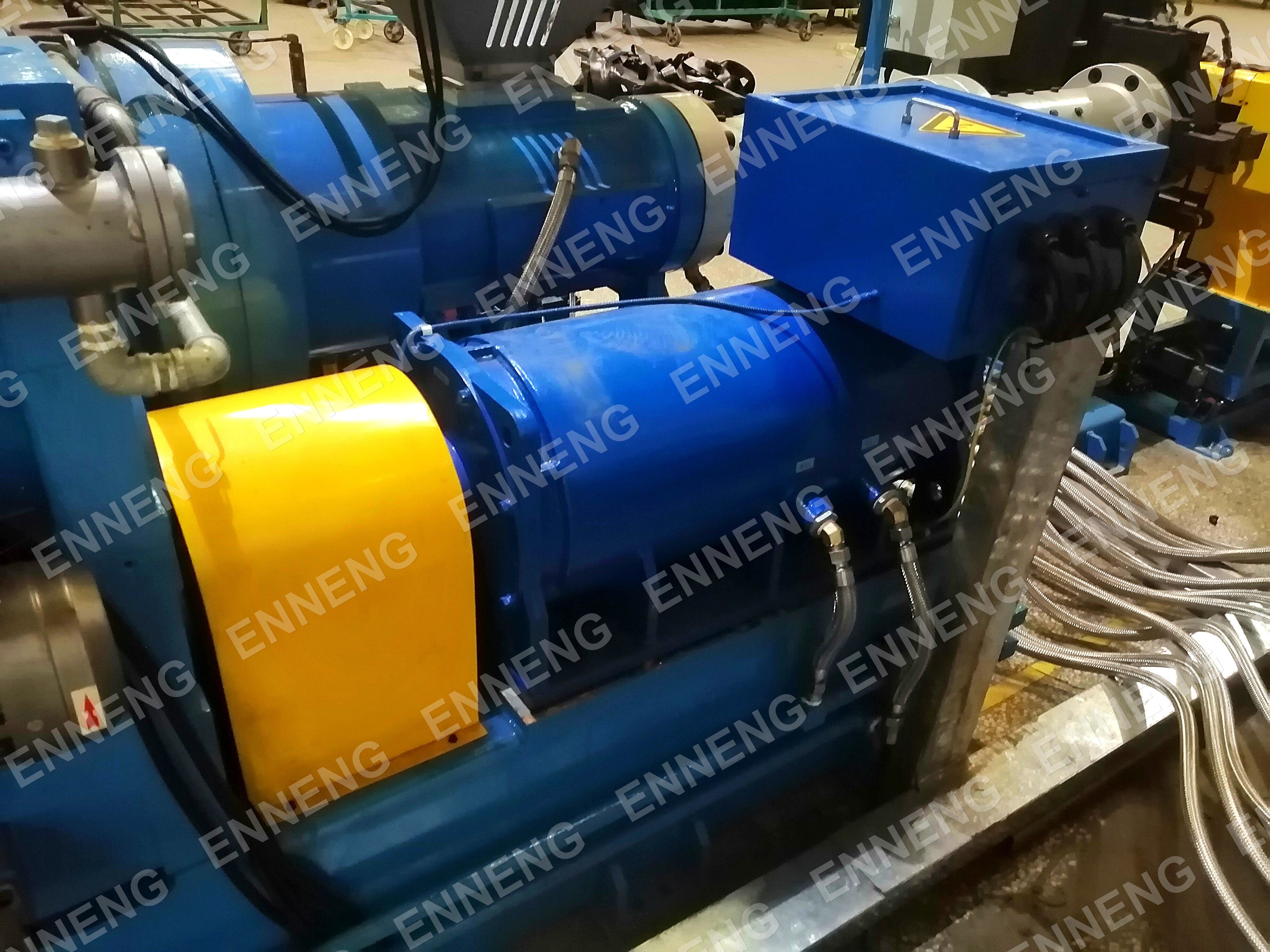
Waste-gas and waste-heat streams are variable and often dirty, so a generator that needs tight speed control or constant attendance adds risk. A wrongly specified unit can stall when the stream dips, cutting the recovery just when energy is costly. ENNENG answers this with a Permanent Magnet Generator built for the actual temperature and flow, including the 5kW to 5MW range at 110V to 690V that covers most industrial recovery duties. The risk falls once the Permanent Magnet Generator is matched to the measured stream, because the machine then rides the swings instead of tripping on them, and attendance stays low. A second risk is grid disturbance, which a unit without proper protection can pass back to the bus, so ENNENG builds the connection study into the scope from the start. A Permanent Magnet Generator also avoids the brush-fire risk of a wound machine in a hot recovery space, which removes a second attendance item from the shift plan.
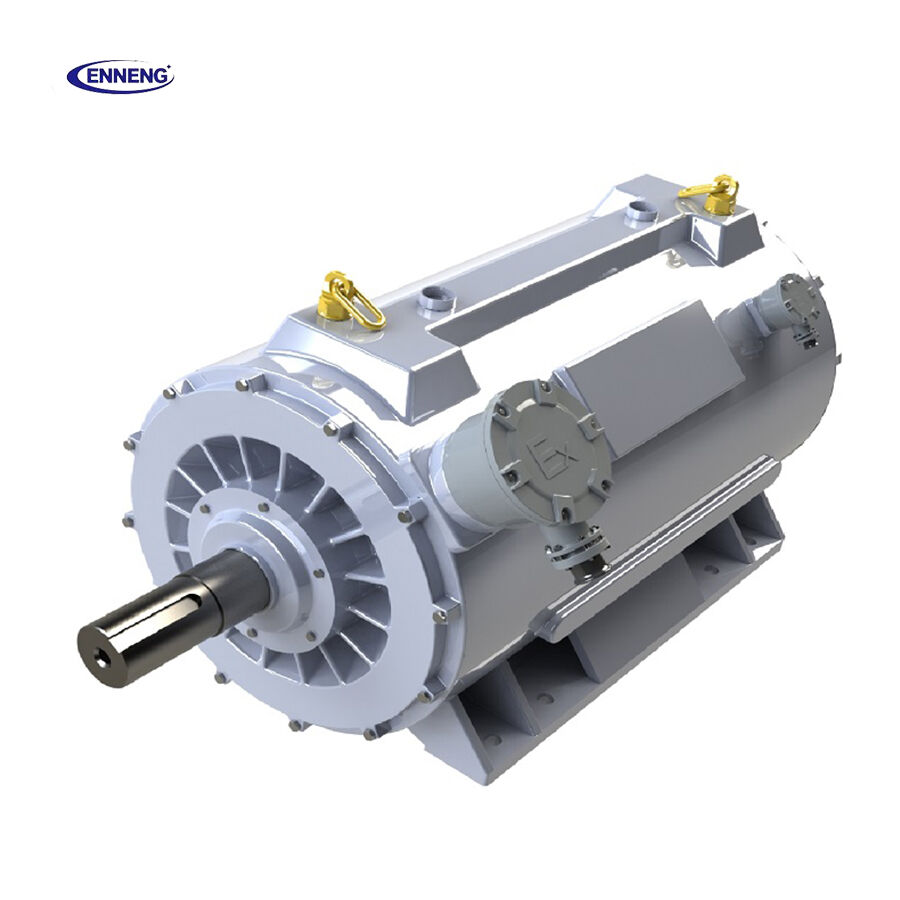
A Permanent Magnet Generator suits recovery because it delivers power at variable speed without a field supply, so it captures energy across a wide flow band. In a documented case, an ENNENG Permanent Magnet Generator held efficiency above 90 percent from 30 percent to 100 percent of rated flow, where an older wound machine faded below 80 percent. ENNENG offers the Permanent Magnet Generator from 5kW to 5MW with a 110V to 690V winding range and IP55 enclosure.
|
Condition |
Wound generator |
ENNENG Permanent Magnet Generator |
|
Efficiency at 30 percent flow |
below 80 percent |
above 90 percent |
|
Field supply needed |
yes |
no |
|
Moving parts in excitation |
brushes |
none |
|
Voltage range |
fixed |
110V to 690V |
|
Power range |
limited |
5kW to 5MW |
A Permanent Magnet Generator also removes the exciter and its failure points, which matters in a hot, dusty recovery space. ENNENG units pair with a rectifier or grid-tie inverter so the Permanent Magnet Generator feeds the bus or the grid directly. The Permanent Magnet Generator result is steady recovered energy with almost no attendance, which is why waste-gas and waste-heat projects favor it. The brushless design also removes the weekly commutation check that a wound machine demanded, freeing the maintenance crew for other work. Sites that log the stream before specifying usually size the Permanent Magnet Generator so it rides the daily swing, and the 110V to 690V winding keeps the connection simple. The Permanent Magnet Generator also tolerates a brief stream loss without a field-collapse trip, because the rotor field is fixed, so the recovery restarts cleanly when the gas returns. ENNENG logs the ride-through margin on the test report, so the plant sees the headroom against the daily swing. The measurement step is plain. ENNENG fits a portable analyzer at the recovery shaft and logs power across a normal production week, then plots the generator output against stream flow. That curve shows the permanent-magnet unit holding its efficiency band while the old wound machine fell away at low flow, which is exactly where these recovery lines spend most of their hours. The plant keeps the plot as the audit baseline, so the next expansion sizes from data instead of a guess. ENNENG also records the brushless unit's attendance saving, because the crew no longer walks the line for a weekly commutation check.
Standards frame the recovery duty. IEC 60034-1 covers generator tests, and IEC 60034-30-1 sets the efficiency classes that a Permanent Magnet Generator claim should meet. IEC 61400 guides generator practice for variable-speed recovery, useful when the drive is a turbine. IEEE 1547 covers grid connection, so the Permanent Magnet Generator can export safely to the plant bus. ISO 50001 asks sites to recover and measure energy, which the Permanent Magnet Generator supports with a clean meter. These references keep the project compliant from feasibility to handover, and they give the buyer a checklist that two generator bids can be judged on equally. ENNENG also applies IEC 60034-5 for the enclosure rating, so the Permanent Magnet Generator suits the dusty, humid recovery space without extra cooling.
Start a Permanent Magnet Generator project with a one-month stream log of temperature, flow, and pressure at the recovery point. Ask ENNENG to size the unit from that log across the 5kW to 5MW and 110V to 690V envelope of the Permanent Magnet Generator, and confirm the efficiency curve on the report. A Permanent Magnet Generator program should include a grid-tie commissioning check and a six-month output review. Keep the stream log on file, because the recovery duty drifts with production. Train the operator to read the export meter, so a drop in recovered energy is caught before the saving erodes. A quarterly stream re-log catches a changed process mix, because a new product grade can move the temperature and reset the optimal operating point. A Permanent Magnet Generator should be paired with a monthly export review, so the plant catches a falling stream before the saving erodes. ENNENG advises keeping the commissioning curve on file, because the recovery duty shifts with product grade and the unit must track the new swing. The Permanent Magnet Generator also earns energy or carbon credits in some regions, which ENNENG notes on the feasibility sheet so finance sees the full return, not just the bus saving.
If you are evaluating commercial permanent magnet motors for sale and need an engineered drive solution that guarantees efficiency and longevity, ENNENG is your trusted partner.Contact ENNENG Today.Speak to our technical engineering team to receive a customised drive proposal.
A: A Permanent Magnet Generator suits waste heat because it makes power at variable speed without a field supply, so it captures energy across a wide flow band. The ENNENG unit holds high efficiency from 30 percent to 100 percent of rated flow, where a wound machine fades. It also removes the exciter and brushes, which fail in hot, dusty recovery spaces. ENNENG sizes it across 5kW to 5MW and 110V to 690V for the real stream.
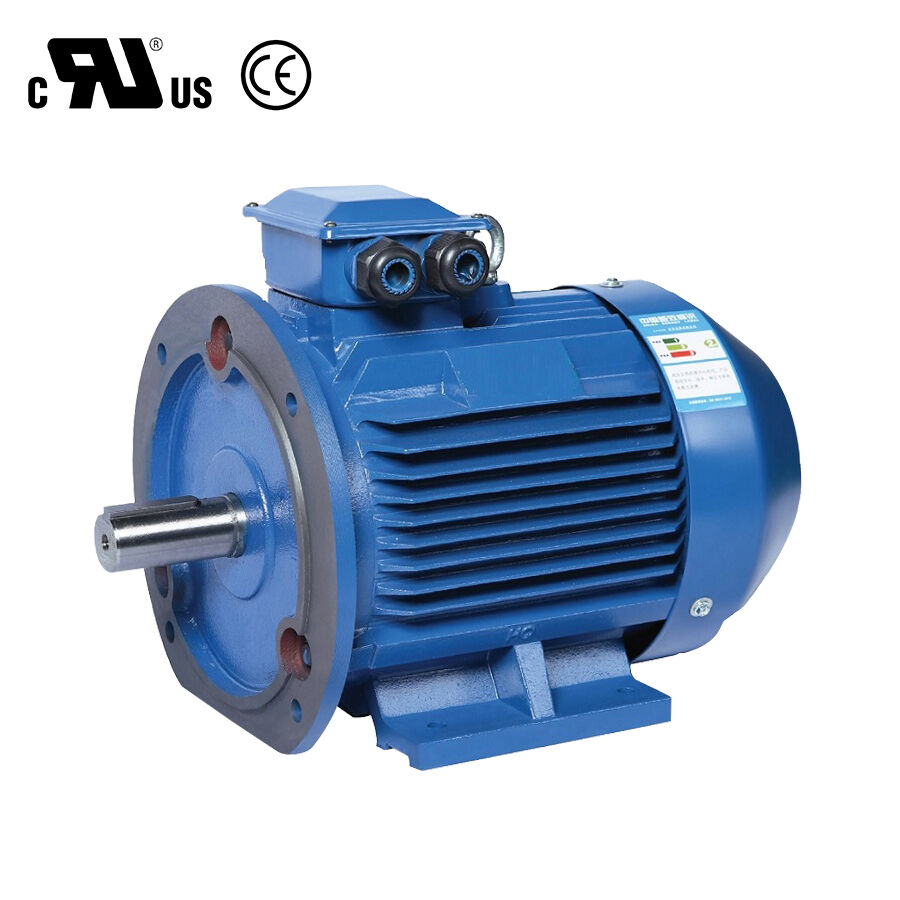
A: Yes, a Permanent Magnet Generator rides a variable stream because the permanent-magnet rotor needs no field current, so a dip in flow does not stall excitation. In the documented case the ENNENG unit held efficiency above 90 percent down to 30 percent flow. ENNENG recommends logging the stream for a month so the unit is sized to the daily swing, not the peak. A correctly sized Permanent Magnet Generator keeps exporting through the lows.
A: The recovered energy connects through a rectifier or grid-tie inverter that feeds the plant bus or the grid, following IEEE 1547 for a safe connection. An ENNENG Permanent Magnet Generator is commissioned with a grid-tie check that confirms voltage and frequency behavior. The export meter gives a clean saving figure for the energy report. A documented connection also satisfies the ISO 50001 recovery requirement and shortens the audit.


 EN