
 EN

Offshore port terminals operating cargo cranes and shoreline tidal recovery systems 8,400 hours annually often experience rapid equipment deterioration due to relentless marine exposure. Plant engineers deploying high-efficiency power generation along coastlines frequently discover that severe airborne salt concentrations cause severe pitting on structural housings, terminal degradation, and sudden stator flashovers. Safely maintaining clean power output in these hostile maritime zones requires deploying a Permanent Magnet Generator engineered with robust environmental barriers, specialized winding protections, and advanced condensation defenses.
Airborne chloride particulates combine with high relative humidity to form an aggressive electrolytic film across conventional generator surfaces. This corrosive electrolyte penetrates junction boxes, breaches standard oil seals, and attacks exposed rotor magnet assemblies, resulting in expensive downtime and premature machine failure. ENNENG develops advanced electrical machinery that integrates multi-tier surface coatings, hermetic magnet isolation, and specialized enclosure engineering to eliminate moisture intrusion and ensure uninterrupted electrical generation across coastal facilities.
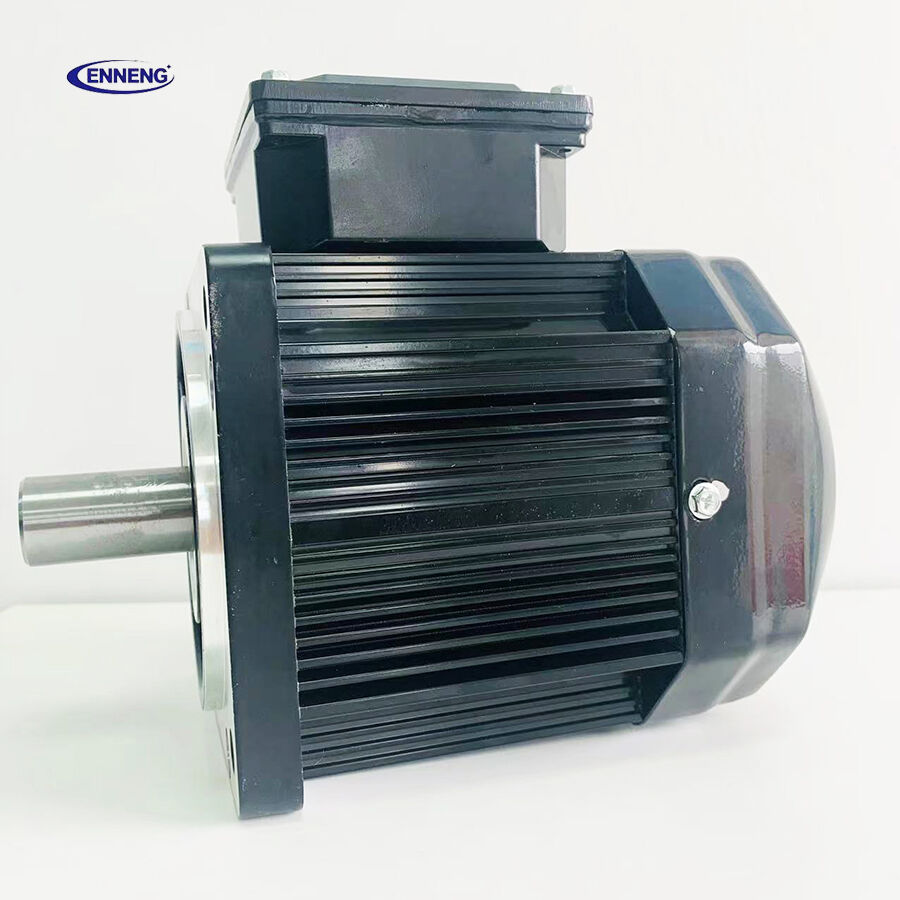
Environmental Vulnerabilities and Salt-Fog Corrosion Dynamics
Deploying a Permanent Magnet Generator along coastal industrial locations exposes internal electromagnetic circuits to persistent thermodynamic and chemical stresses. Coastal marine environments are characterized by airborne sea salt aerosols, frequent rainstorms, and intense ambient temperature shifts between daytime solar exposure and cool nighttime sea breezes. Standard industrial equipment designs deteriorate rapidly without comprehensive surface and internal sealing protocols.
Airborne Chloride Penetration and Electrochemical Degradation
Marine salt fog contains microscopic droplets laden with sodium chloride, magnesium chloride, and sulfate ions that settle on exposed metal frames. When these salts deposit on a Permanent Magnet Generator, they create a conductive electrolyte bridge across dissimilar metals, accelerating galvanic corrosion between cast-iron frames, aluminum terminal boxes, and stainless steel fasteners.
Unprotected fasteners seize, mounting footplates develop severe pitting, and cooling fins lose their conductive thermal efficiency as oxidation layers accumulate. Selecting an optimized Energy Saving Motor Solution for shoreline operation requires protective barriers that isolate raw metallic substrates from electrolytic contact, ensuring that structural integrity remains uncompromised over decades of coastal service.
Thermal Cycling, Ingress Breathing, and Internal Condensation
Industrial generators operating in coastal zones undergo continuous operational heat cycles that promote internal moisture accumulation. When a Permanent Magnet Generator ceases operation during low wind or scheduled process shutdowns, internal cavity air cools rapidly, contracting in volume. This volumetric contraction creates negative internal pressure that actively pulls humid, salt-saturated sea air past standard shaft seals and junction box gaskets.
As the internal air temperature drops below the dew point, airborne moisture condenses into liquid water inside the stator housing. Droplets collect within the lower frame cavities and saturate stator end windings. In a standard machine, this trapped conductive moisture triggers phase-to-ground electrical tracking and bearing lubricant emulsification. A reliable Permanent Magnet Generator PMG design prevents internal condensation through positive pressure breathers and integrated winding anti-condensation heaters.
Specialized Enclosure Architecture and Electrical Insulation
Preserving the electrical integrity of a Permanent Magnet Generator demands robust containment that exceeds standard onshore manufacturing standards. Enclosure engineering must shield sensitive electromagnetic components from direct wind-driven brine without impeding heat rejection.
Multi-Barrier Labyrinth Sealing and IP Enclosure Integration
Preventing liquid ingress around rotating shaft interfaces requires non-contact mechanical labyrinths combined with elastomeric oil seals. A coastal Permanent Magnet Generator employs dual-chamber stainless steel labyrinth deflectors that utilize centrifugal force to expel splashing saltwater away from bearing cavities. These non-wearing seals prevent moisture and salt crystals from entering bearing raceways, eliminating abrasive grease contamination.
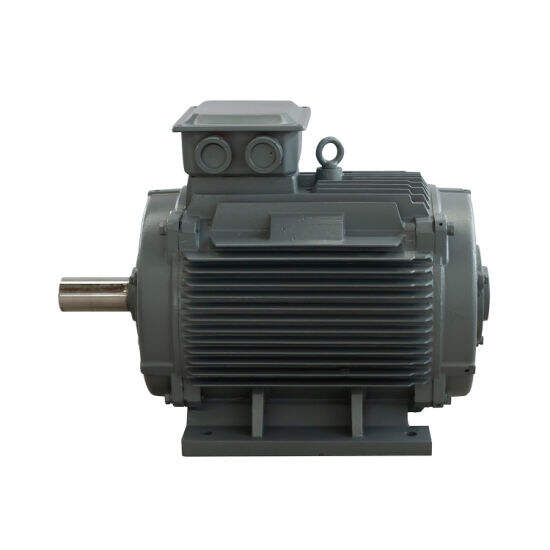
Frame enclosures must achieve verified IP56 or IP66 ingress protection ratings per IEC 60529 standards. Machined mating flanges on the Permanent Magnet Generator incorporate continuous fluoroelastomer O-rings seated inside precision-milled grooves rather than flat paper or fiber gaskets. Cable entries utilize double-compression brass or 316 stainless steel cable glands equipped with internal flameproof barrier seals to stop salt air from migrating down copper conductor bundles into the primary terminal box.
Vacuum Pressure Impregnation and Creepage Path Insulation
Stator windings within a coastal Permanent Magnet Generator require resilient dielectric barriers to withstand high humidity and salt deposition. Winding coils utilize dual-coated inverter-duty copper magnet wire with heavy enamel layers that resist micro-cracking during dynamic thermal cycles. Following winding insertion, the complete stator core undergoes multiple cycles of automated vacuum pressure impregnation using solventless Class H epoxy resin.
This impregnation process forces protective resin into deep winding inter-turn crevices, curing into an impermeable solid matrix that prevents moisture penetration. Terminal blocks inside the Permanent Magnet Generator feature extended creepage and clearance distances across anti-tracking ceramic or glass-reinforced polyester surfaces. This generous spacing prevents high-voltage surface tracking even when light salt films settle inside auxiliary wiring enclosures.
Technical Specifications and Marine Anti-Corrosion Comparison
Analyzing the protective construction of a coastal Permanent Magnet Generator reveals significant performance enhancements compared to standard general-purpose equipment. The following technical comparison highlights specific engineering measures utilized to maintain operational integrity in coastal environments.
|
Engineering Parameter |
Standard General-Purpose Generator |
ENNENG Coastal Permanent Magnet Generator |
|
Enclosure Ingress Protection |
Standard IP44 to IP54 |
High-integrity IP56 or IP66 sealed enclosure |
|
External Coating System |
Single-coat alkyd primer (80-100 μm) |
C5-M marine epoxy-polyurethane system (>320 μm) |
|
Shaft Sealing Technology |
Basic rubber lip contact seal |
Non-contact stainless labyrinth with V-ring deflector |
|
Unified Operating Voltage Scope |
Standard 380V to 415V ratings |
Unified 110V to 690V industrial range |
|
Unified Output Power Scope |
Fixed rating designations |
Unified 5kW to 5MW output capacity |
|
Fastener Material Specification |
Grade 8.8 zinc-plated carbon steel |
316L (A4-80) marine stainless steel with anti-seize |
|
Condensation Protection |
Optional open drain plugs |
Class H heating elements with auto-draining breathers |
Marine-Grade Epoxy Barriers and Galvanic Fastener Isolation
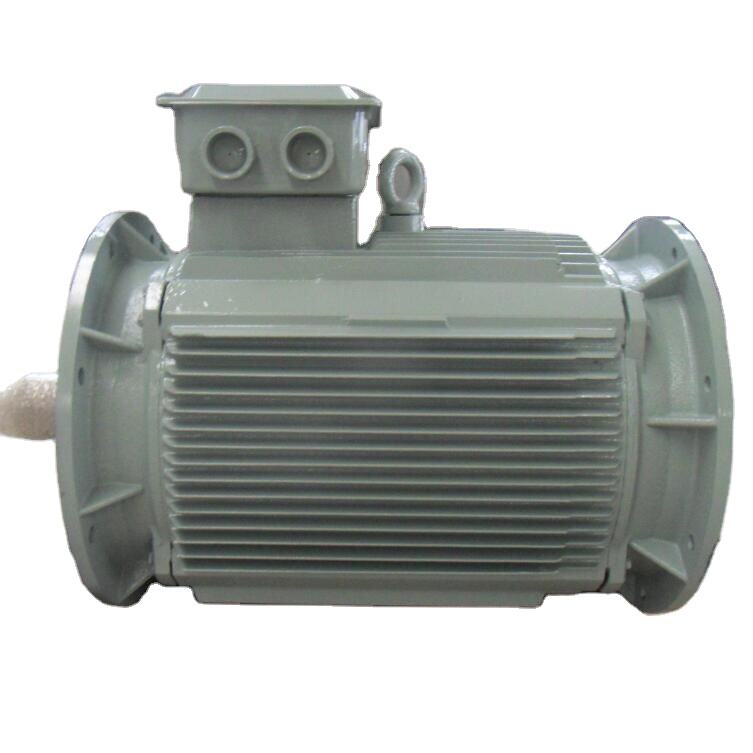
Corrosion protection begins with rigorous mechanical substrate preparation and multi-layer protective painting. Before coating, cast-iron and steel frames of the Permanent Magnet Generator undergo automated abrasive blasting to achieve a near-white metal finish with an aggressive surface anchor profile. Technicians then apply a zinc-rich epoxy primer, followed by a high-build polyamide chemical-resistant intermediate layer and an aliphatic polyurethane topcoat.
Rotor Magnet Hermetic Encapsulation and Demagnetization Defense
The rotor assembly represents the core electromagnetic asset inside any Permanent Magnet Generator. Neodymium-iron-boron magnetic materials contain significant iron content, making them highly susceptible to rapid oxidation and volumetric swelling when exposed to moisture. Magnet corrosion degrades magnetic output and can cause physical interference within the stator air gap.
To ensure permanent operational reliability, the Permanent Magnet Generator utilizes magnets protected by multi-layer electroplated nickel-copper-nickel barriers topped with an impermeable cathodic epoxy seal. Furthermore, rotor poles are encased within hermetically welded 304 stainless steel sleeves or wrapped with high-tension resin-impregnated carbon-fiber retaining bandages. This hermetic barrier ensures that even if humid air enters the air gap, corrosive saline vapors cannot touch the underlying rare-earth magnets.
Industrial manufacturing facilities can explore specialized solutions at ENNENG motor products, where equipment is engineered across unified voltage ratings from 110V to 690V and unified power ratings from 5kW to 5MW. For remote coastal telecommunications, offshore navigational aids, and shoreline monitoring stations, ENNENG also provides vertical axis wind turbine systems rated from 1kW to 10kW, focusing on 3kW, 5kW, and 10kW platforms to ensure dependable decentralized generation.
Engineering Consultation and Coastal Project Inquiries
Engineering an effective Permanent Magnet Generator for shoreline industrial applications demands an accurate assessment of local salinity levels, ambient temperature variations, and continuous duty cycles. Integrating a robust marine-rated machine prevents expensive unscheduled outages, minimizes maintenance labor, and optimizes energy recovery across continuous port and shoreline processes. Collaborating with an experienced High Efficiency Motor Supplier guarantees proper enclosure customization, verified winding insulation protection, and complete engineering support. Contact technical specialists today to evaluate site parameters and specify customized coastal generation solutions.
- WhatsApp: +86 18562780228
- E-Mail: [email protected]
- Phone: +86 532 66000559
FAQ
Q: Why do coastal environments accelerate the degradation of a standard permanent magnet generator?
A: Coastal atmospheres carry high concentrations of airborne sodium chloride and moisture that form an aggressive electrolytic film on machinery surfaces. This conductive electrolyte triggers galvanic corrosion across metal joints, degrades standard rubber shaft seals, and attacks winding insulation. Furthermore, daily temperature swings induce internal condensation that lowers dielectric resistance and corrodes exposed rotor magnet segments, causing premature generator failure.
Q: How does a permanent magnet generator prevent internal moisture accumulation during shutdowns?
A: A coastal Permanent Magnet Generator utilizes internal thermostatically controlled space heaters that activate automatically when the machine stops generating power. These heating elements maintain internal frame temperatures 5°C above ambient levels, preventing internal air from dropping below the dew point. In addition, automatic one-way condensate drain valves allow any collected condensation to escape while blocking incoming humid air.

