
why-pm-synchronous-motor-helps-enterprises-reduce-totalcostofownership-in-harsh-working-environments, why-pm-synchronous-motor-helps-enterprises-reduce-totalcostofownership-in-harsh-working-environments, /blog
EN

2026/09/10
A cement works in Hebei ran induced-draft fans on standard induction motors in a dust-laden, 55 °C environment beside the preheater. The motors needed a winding rewind every eighteen months and a bearing set every year, and each failure stopped a line that cost far more in lost output than the energy the motor used. After the plant fitted a PM Synchronous Motor in a sealed frame on the same fan, the rewinds stopped and the bearing interval stretched past three years, so the total cost of ownership fell even though the purchase price was higher up front.
Dust enters the frame, heat ages the insulation, and moisture settles in the windings, so a motor in a harsh bay fails on a clock the catalogue never shows. A PM Synchronous Motor faces the same environment, but its lower loss runs cooler and its sealed options block the contaminants that start the decline. The failure that costs the plant is rarely the energy bill; it is the stoppage behind it on the floor.
A PM Synchronous Motor shifts the cost story from watts to uptime, because in a severe-duty plant the lost production during a failure dwarfs the electricity saved. The purchase premium looks large until it is set against one avoided line stoppage. Total cost of ownership adds energy, maintenance, and downtime, and the last term decides the real winner over the service life.
The saving comes from design, not from a lower sticker, and it compounds across the service life. A PM Synchronous Motor that runs cool and sealed simply needs less, and what it needs is cheaper to do on the shift.
A PM Synchronous Motor carries no rotor copper loss, so it runs cooler than an induction equivalent at the same output. The lower temperature slows insulation aging and bearing wear, which is what stretches the service interval in a hot, dirty bay. Less heat also means less cooling air to draw in, so the sealed frame stays cleaner and the windings age on their own schedule.
A PM Synchronous Motor built for severe duty uses higher enclosure ratings and protected bearings that keep dust and moisture out. The sealed path means the windings age on their own schedule, not on the plant's contamination clock that killed the old unit. The plant trades a periodic filter check for the rewinds and open-frame cleanings the previous motor demanded every season.
A PM Synchronous Motor must meet the same rotating-machine codes as any unit, and the severe-duty guides shape what "harsh environment" really means. The rating and the test report are the proof the procurement file keeps for the audit.
IEC 60034-1 covers rating and insulation, while IEC 60034-30-1 sets the IE efficiency classes a PM Synchronous Motor reaches at the top band. The efficiency class is the energy half of TCO, and the temperature class is the life half. Both appear on the nameplate the plant engineer reads before sign-off and commissioning at the site.
IEEE 841 guides severe-duty motor construction for tough plants, and a PM Synchronous Motor built to that intent uses stronger bearings, better seals, and tougher insulation. The standard points the specifier to the features that actually survive a harsh bay, rather than a generic enclosure that looks right on paper but fails in the field within a year.
The work is in specification and monitoring, because the saving is realized only when the unit is matched to the bay. A PM Synchronous Motor chosen on price alone can miss the very features that cut the cost over the long run.
Match the enclosure and bearing protection to the actual dust, heat, and moisture, then confirm the PM Synchronous Motor grade clears the worst ambient. A sealed frame and a corrosion-resistant finish cost less than one lost production shift on the line. The plant should list the bay conditions before opening the motor quote from any supplier.
Trend bearing temperature and vibration, and compare the service interval against the old motor's record from the previous year. A PM Synchronous Motor should show longer gaps between interventions, which is the TCO proof the finance team wants. Enneng Motor supplies the bearing specification and the test point so the plant tracks life and efficiency after commissioning on the floor.
A PM Synchronous Motor also lowers TCO through simpler spare-parts planning, because the sealed unit needs fewer consumables than the open frame it replaces. The plant can shrink its stores of bearings, seals, and cleaning kits, which frees working capital that a standard motor would lock in rotation stock. A PM Synchronous Motor therefore trims both the failure cost and the carrying cost of keeping a harsh bay running through the year.
Finally, the energy half of TCO should be tracked, not assumed, because a PM Synchronous Motor earns its class only while the load stays in range. Trending kWh against the baseline proves the saving and spots a drifting drive before it costs output. The plant that measures keeps the TCO case honest and catches a weakening unit early, which is the difference between a planned change and a forced one on the line.
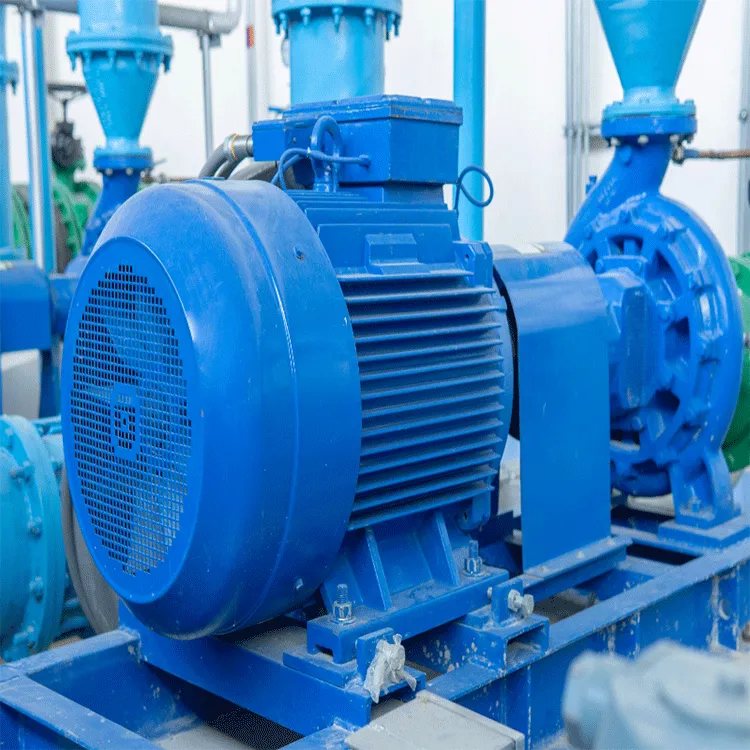
Total cost of ownership adds purchase price, energy, maintenance, and downtime across the service life. A PM Synchronous Motor may cost more upfront, but fewer stops and rewinds often beat a cheaper unit that fails in a harsh bay. The downtime term usually decides which motor truly costs less over the years of operation.
A PM Synchronous Motor runs cooler with no rotor loss and can be built sealed against dust and moisture. The lower heat slows insulation and bearing wear, which is what stretches service life where standard motors fail early. The sealed frame keeps contaminants out, so the windings age on their own schedule instead of the plant's contamination clock.
In severe duty the lost output during a failure often exceeds years of electricity saving, so downtime dominates TCO. A PM Synchronous Motor protects that term by avoiding the stoppages a standard motor suffers. The plant should value one avoided line stop above the small daily energy gain from the premium class.
IEEE 841 guides severe-duty construction with stronger bearings, seals, and insulation, and a PM Synchronous Motor built to that intent survives harsh bays. IEC 60034-1 and IEC 60034-30-1 cover rating and efficiency class, while ISO 50001 supports the energy tracking that closes the TCO case. The nameplate and test report are the proof the procurement file keeps for the audit.
No. A PM Synchronous Motor runs cooler than an induction equivalent, so it needs less cooling air, which helps the sealed design stay clean. The lower loss means the enclosure can close up without overheating the windings. The plant gains protection without sacrificing the temperature margin the bay demands from the machine.
Trend bearing temperature, vibration, and energy against the baseline, then compare service intervals with the old motor's history. A PM Synchronous Motor should show longer gaps between interventions and lower kWh. Enneng Motor provides the test point and loss data so the plant confirms life and efficiency after commissioning at the site.


 EN