
why-pmsm-for-industrial-fans-effectively-lowers-failure-probability-of-large-ventilation-installations, why-pmsm-for-industrial-fans-effectively-lowers-failure-probability-of-large-ventilation-installations, /blog
EN

2026/10/08
Industrial ventilation installations represent life-safety critical equipment in tunnel networks, underground mines, and heavy manufacturing facilities. In an underground tunnel ventilation shaft operating four large axial exhaust fans, recurring drive belt snaps and intermediate bearing seizures triggered automated facility evacuations and severe operating disruptions. Analyzing the drive mechanics revealed that mechanical belt-and-pulley transmissions could not withstand the continuous aerodynamic vibration and moisture present in exhaust airstreams. Transitioning ventilation systems to a direct-drive PMSM for Industrial Fans architecture eradicated intermediate mechanical linkages, drastically reducing unplanned downtime and stabilizing emergency airflow reliability.
|
Ventilation Drive Type |
Mean Time Between Failures |
Common Failure Causes |
|
Asynchronous Motor + Belt Drive |
6,000 - 8,000 Hours |
Belt snap, pulley misalignment, belt slip |
|
Asynchronous Motor + Gear Reducer |
12,000 - 16,000 Hours |
Gearbox oil leaks, gear tooth pitting, seal failure |
|
Direct Drive PMSM System |
40,000+ Hours |
Minimal (Routine grease inspection only) |
Continuous ventilation operations cannot tolerate mechanical fragility. Large ventilation impellers place substantial cantilevered masses upon mechanical drive shafts, creating dynamic forces that challenge conventional motor arrangements. Standard ventilation systems mount high-speed induction motors outside airstreams, routing mechanical torque through extended belts or shafts. Pulleys stretch, belts degrade under ambient ozone and thermal variations, and pillow block bearings require constant relubrication. Upgrading to a direct-drive PMSM for Industrial Fans addresses these structural vulnerabilities directly.
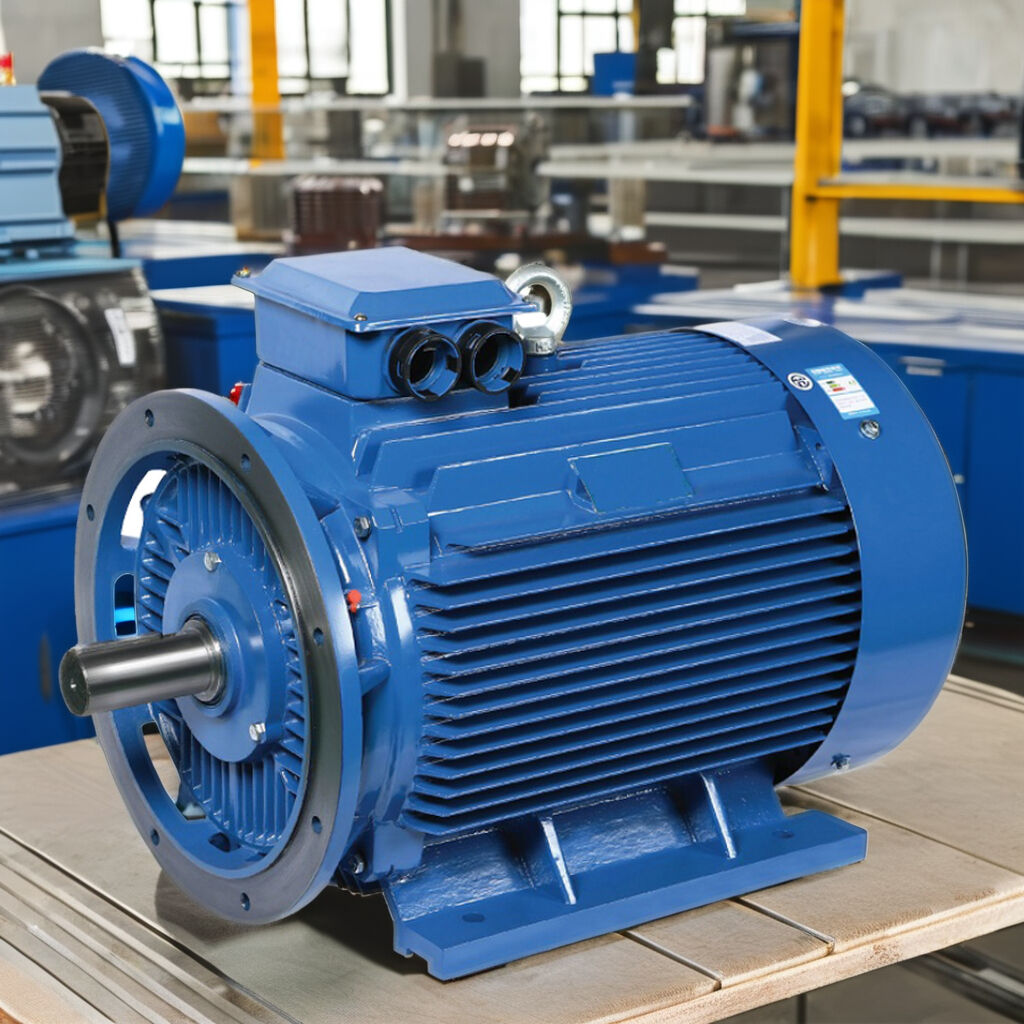
Belt-driven industrial fans demand frequent tensioning to prevent slip-induced thermal damage and speed loss. When belts loosen, fan airflow drops precipitously, failing ventilation safety requirements. When maintenance technicians overtighten belts, radial loads destroy motor drive-end bearings within months. Deploying a PMSM for Industrial Fans mounts the fan impeller directly onto the motor shaft, completely removing belts, pulleys, and external tensioning hardware.
High-velocity industrial blowers often suffer from aerodynamic turbulence that excites mechanical resonances across intermediate support structures. Eliminating intermediate shafts reduces the overall vibrating mass and shortens the mechanical drive path. Furthermore, the synchronous characteristics of a PMSM for Industrial Fans eliminate rotor slip frequencies, smoothing electromagnetic torque delivery and lowering vibration levels across fan support trusses.
Direct-drive motors mounted directly inside ventilation ducts utilize the moving airstream for convective surface cooling (TEAO configuration). The high power density of permanent magnet synchronous motors results in a compact motor diameter compared to bulky induction frames. This streamlined profile minimizes airflow obstruction inside the ductwork, lowering static pressure losses and optimizing total fan aerodynamic efficiency.
Industrial ventilation environments demand rugged electrical machinery engineered to resist corrosive airborne contaminants, high moisture levels, and extended thermal duty. ENNENG manufactures advanced permanent magnet synchronous direct-drive systems developed specifically for severe ventilation applications. Installing an ENNENG PMSM for Industrial Fans delivers continuous airflow stability while cutting energy consumption by 15 to 35 percent.
|
Performance Category |
Belted Induction Assembly |
ENNENG Direct Drive PMSM |
|
Mechanical Transmission Loss |
6% - 15% |
Zero Transmission Loss |
|
Operating Temperature Rise |
80K - 100K |
Lower than 60K |
|
Voltage Adaptability |
380V - 440V Rigid |
110V - 690V Unified Range |
|
Ingress Protection Rating |
IP54 Typical Base |
IP55 to IP68 Enclosures |
ENNENG industrial ventilation motors accommodate broad voltage profiles from 110V to 690V, operating seamlessly alongside smart variable frequency drive architectures. By keeping internal temperature rise lower than 60K, motor windings maintain pristine dielectric integrity even during prolonged emergency ventilation duty.
In confined ventilation shafts and hazardous industrial environments, friction from slipping rubber belts creates significant fire hazards and produces conductive particulate dust. The direct-coupled architecture of a PMSM for Industrial Fans removes flammable rubber belts and static electrical discharge risks, enhancing plant fire safety compliance.
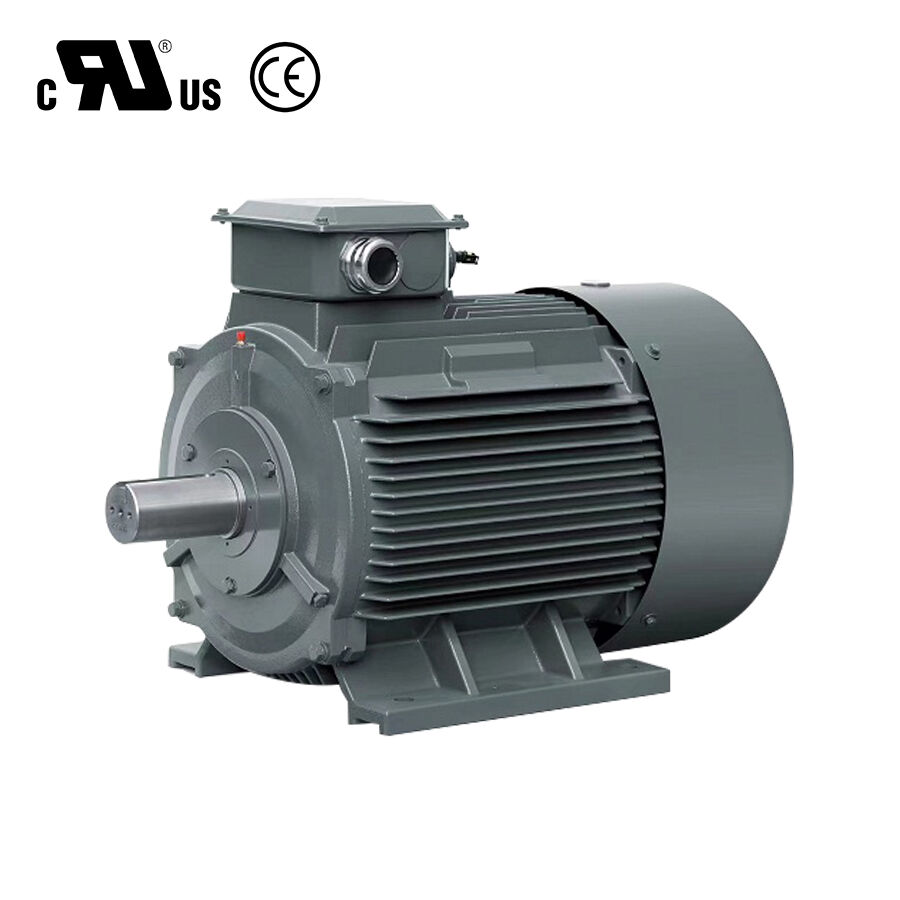
Under standard building operation, ventilation blowers operate at reduced speeds to satisfy indoor air quality standards. During emergency conditions, systems must ramp rapidly up to 100 percent speed to clear toxic fumes. A PMSM for Industrial Fans coupled with an intelligent inverter responds instantly to emergency speed commands, developing full synchronous torque from low RPM without experiencing slip-induced stall conditions.
Ventilation systems in critical industrial, mining, and civil infrastructure are governed by stringent regulatory codes. The Air Movement and Control Association outlines fan system performance through AMCA 210, establishing aerodynamic rating criteria and pressure-flow boundaries.
Structural vibration limits must adhere to ISO 14694, which establishes rigorous vibration thresholds for industrial fans across factory-tested and field-commissioned conditions. A direct-drive PMSM for Industrial Fans easily complies with Grade BV-3 and BV-4 balance criteria, maintaining vibration velocities below 2.0 mm/s RMS under full airflow conditions. Furthermore, emergency smoke and heat ventilation systems must satisfy NFPA 92 and EN 12101-3 criteria, which require continuous high-temperature motor operation during fire incidents. Utilizing high-grade Class H electrical insulation ensures permanent magnet assemblies operate reliably through demanding emergency duty profiles.
Measure the exact mass and polar moment of inertia (GD2) of the ventilation fan impeller before motor selection. Ensure that the shaft extension of the chosen PMSM for Industrial Fans matches the hub bore and keyway dimensions precisely. High-torque direct-drive motors incorporate oversized shafts and heavy-duty angular contact bearings capable of absorbing continuous aerodynamic axial thrust loads without housing deflection.
Ensure the motor terminal box features robust silicone gasketing and cable gland seals conforming to IP65 or higher ingress ratings. When installing motors inside wet exhaust air ducts, arrange electrical conduit entries facing downward with drip loops to prevent condensate migration into terminal housings. Verify that inverter cabinets incorporate harmonic output filters to prevent high-frequency voltage spikes from stressing motor phase insulation.
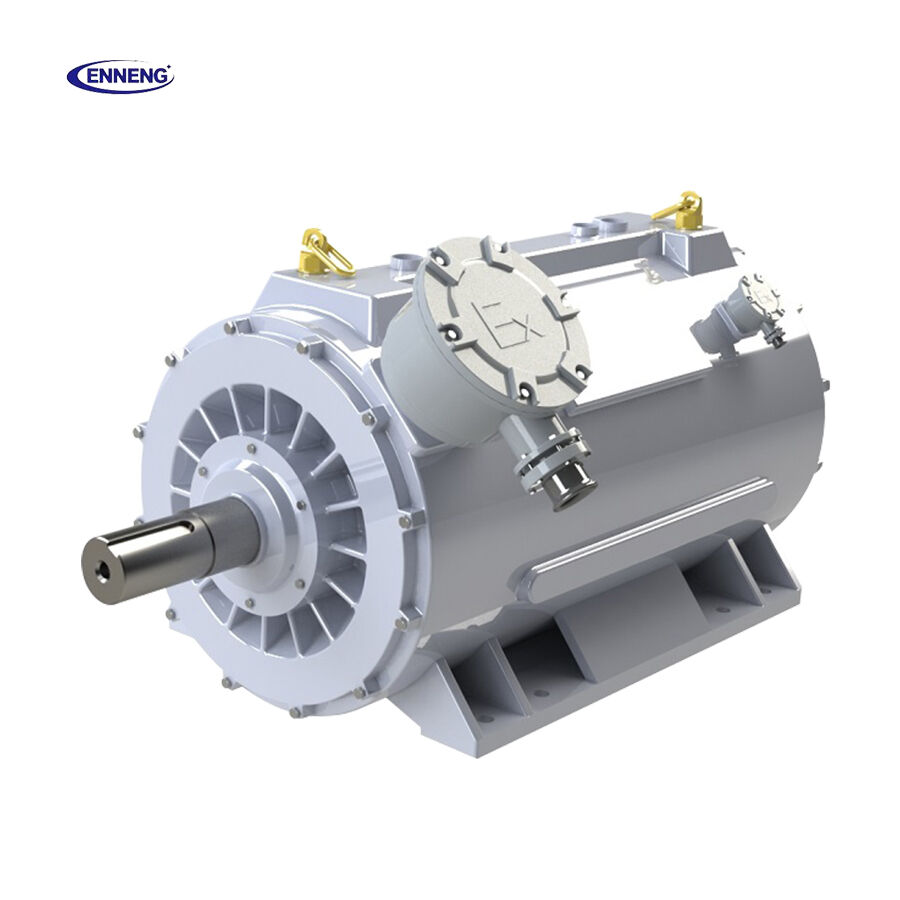
Direct-drive ventilation installations eliminate belt tensioning routines entirely. Maintenance procedures are reduced to checking bearing vibration signatures quarterly and applying synthetic grease according to manufacturer intervals. Annual maintenance requires visual inspection of impeller blade surfaces for uneven dust accumulation that could induce mechanical unbalance.
To review specialized ventilation drive specifications, explore the ENNENG Products Catalog and consult comprehensive system layouts on the ENNENG Official Portal.
Ventilation engineers and mine facility directors seeking to eradicate drivetrain failures and upgrade ventilation reliability are invited to submit project parameters for dedicated technical consultation.
A: Belted drives suffer continuous parasitic friction losses ranging from six to fifteen percent due to belt bending, surface friction, and pulley slip. A direct-drive PMSM for Industrial Fans eliminates intermediate transmissions entirely, delivering motor torque directly to the fan impeller. Combined with super-premium permanent magnet electromagnetic efficiency, total electrical consumption drops significantly.
A: Specialized ventilation permanent magnet motors feature completely enclosed casings rated IP55, IP65, or IP68, preventing moisture intrusion. Internal vacuum pressure impregnation (VPI) seals electrical stator windings against chemical humidity, while specialized shaft slingers protect internal bearings from moisture ingress. This robust construction ensures long-term operational integrity in saturated air.
A: Centrifugal and axial fan systems experience aerodynamic stall when system resistance pressures rise unexpectedly. Pairing a PMSM for Industrial Fans with a variable frequency drive allows continuous speed adjustment along defined aerodynamic fan curves. Operators can dynamically optimize airflow and static pressure, completely avoiding turbulent stall regimes and extending impeller fatigue life.


 EN