
 EN

For a facilities team, the value of PMSM for Industrial Fans is not simply that the motor is efficient. It is that a well-matched permanent-magnet, direct-drive fan can remove recurring jobs from the maintenance calendar. In a large warehouse, agricultural building, workshop, or air-handling application, each belt inspection, alignment check, gearbox concern, and vibration investigation consumes labor and can interrupt airflow. Choosing PMSM for Industrial Fans can simplify that system—but only when the entire fan assembly, controls, and service plan are specified for the actual site.
As someone who helps customers match motor systems to operating conditions, I start with the load profile rather than a headline efficiency number. A fan that runs long hours at changing speed has different needs from a unit that operates near one fixed duty point. That distinction is where PMSM for Industrial Fans becomes a practical maintenance discussion instead of a technology label.
Where the maintenance work usually comes from
Conventional large ventilation equipment may use an induction motor connected to the fan through belts, pulleys, couplings, or a speed-reduction arrangement. None of those parts is inherently wrong. They can be appropriate where the application needs a particular speed ratio, layout flexibility, or low initial cost. However, every added transmission element creates items to inspect: belt condition and tension, pulley wear, alignment, guarding, fasteners, lubrication requirements where applicable, and vibration changes.
A PMSM for Industrial Fans design is often paired with direct drive. In that layout, the motor drives the fan without a belt-and-pulley transmission or a gearbox between the motor and fan hub. Fewer mechanical interfaces can mean fewer routine wear-related tasks. The maintenance gain comes from the architecture, not from a promise that a Permanent Magnet Motor PMSM eliminates every service need.
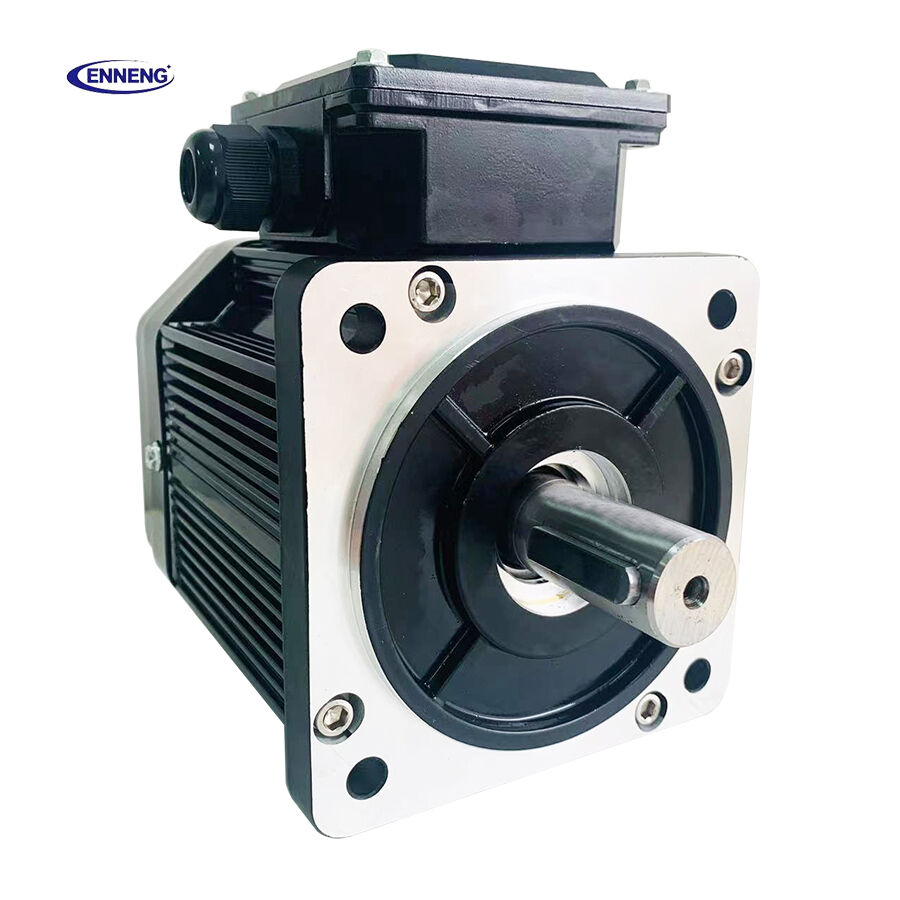
How PMSM for Industrial Fans changes the service routine
1. Fewer power-transmission components to inspect
With direct drive, a PMSM for Industrial Fans installation can eliminate belt replacement and recurring belt-tension adjustments. It may also remove alignment work associated with belt drives. For teams responsible for many fans across a large facility, reducing the number of repeated checks can free technicians for condition-based work that has a higher operational priority.
This is especially useful when fans are elevated, guarded, or spread across multiple zones. The labor saved is often the access labor: isolating equipment, opening guards, positioning lifts, completing inspection, and returning the unit to service. A PMSM for Industrial Fans solution does not remove safe-isolation procedures, but it can reduce how often the technician must open the drive system for belt-related work.
2. Lower exposure to slip and alignment drift
Belts can wear, stretch, slip, or become misaligned. Those changes can affect delivered airflow and create heat, dust, noise, or vibration symptoms that trigger troubleshooting. A direct-drive PMSM for Industrial Fans configuration avoids belt slip because there is no belt. It also avoids the particular motor-to-fan pulley alignment task. That makes airflow performance easier to relate to the fan, controls, dampers, and system resistance rather than to an aging transmission component.
3. Speed control can be matched to the ventilation demand
A Permanent Magnet Motor PMSM is commonly used with an electronic drive or controller. For a PMSM for Industrial Fans application, that control can support scheduled speed changes, sensor-based ventilation response, soft starting, and fault reporting when the system is designed for those functions. Better control does not replace inspection, but it can reduce harsh starts and help operators notice abnormal operating patterns sooner.
Do not assume that every controller provides the same diagnostics. Confirm which alarms, communications, temperature inputs, and service parameters are available before treating a PMSM for Industrial Fans package as a monitoring solution. The useful question is: will the controls help the maintenance team identify a developing issue before it becomes an airflow complaint?
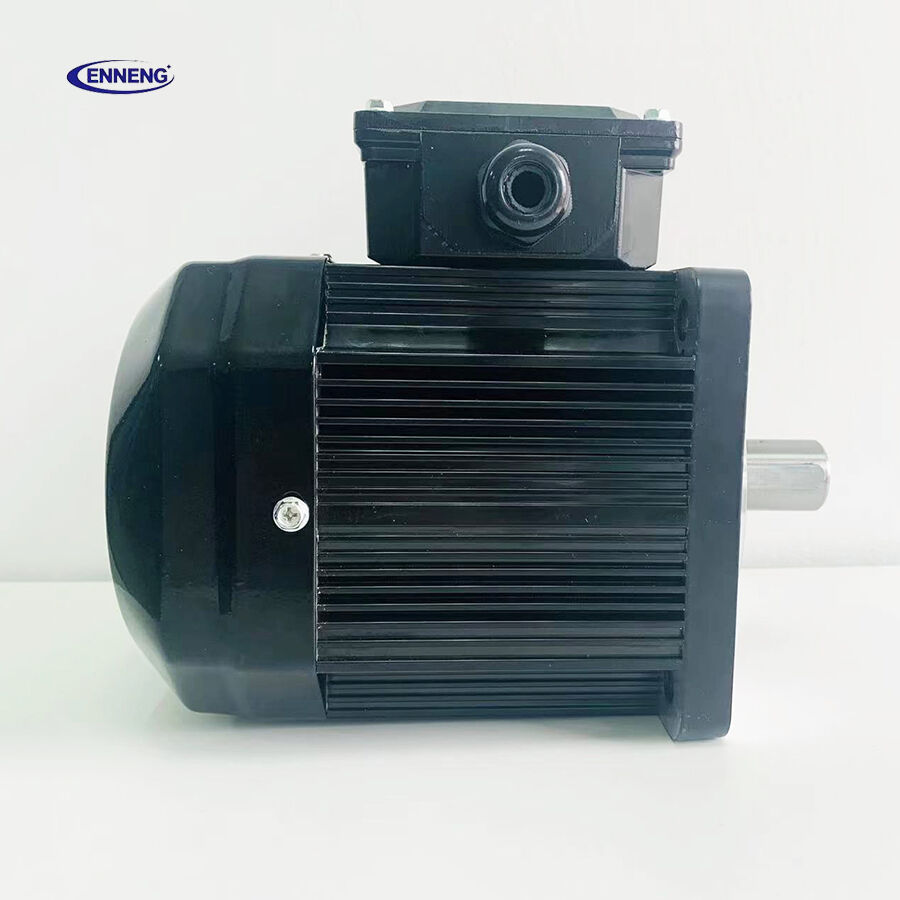
What a PMSM fan does not eliminate
The short answer is that PMSM for Industrial Fans can reduce mechanical maintenance, not eliminate maintenance. Fan blades still need cleaning where dust or process residue accumulates. Fasteners, guards, mounts, electrical connections, bearings, and vibration levels still need inspection at intervals appropriate to the environment. Outdoor corrosion, high ambient temperature, washdown exposure, and poor incoming power can shorten component life regardless of motor type.
It is also worth separating the motor from the fan-system design. A PMSM for Industrial Fans retrofit will not correct an undersized fan, a restrictive duct system, unstable mounting, or a poorly located intake. If the original problem is airflow design, merely changing the motor may move the symptom rather than solve it. A maintenance plan should still include cleaning, visual inspection, vibration checks, electrical checks, and a review of actual operating hours.
A practical selection checklist for large ventilation equipment
- Map the duty cycle. Record operating hours, required airflow changes, starts per day, ambient conditions, and whether the fan spends substantial time at partial speed. This shows whether PMSM for Industrial Fans is aligned with the real load rather than only the rated load.
- Inspect the existing maintenance record. List belt replacements, alignment calls, gearbox work, noise complaints, bearing issues, and access time. This provides a baseline for judging whether a PMSM for Industrial Fans conversion addresses the recurring work.
- Check the mechanical interface. Verify hub, shaft, mounting, guard, and balance requirements. Direct drive reduces parts only if the installation itself is mechanically sound.
- Specify controls and service access together. Confirm drive enclosure rating, electrical protection, accessible isolation, parameter backup, and alarm visibility. A PMSM for Industrial Fans package should be maintainable by the people who will own it.
- Set realistic inspection intervals. Start from the manufacturer guidance and site conditions, then revise intervals using observed contamination, vibration, and runtime data. Fewer transmission tasks should lead to a better plan, not an abandoned plan.
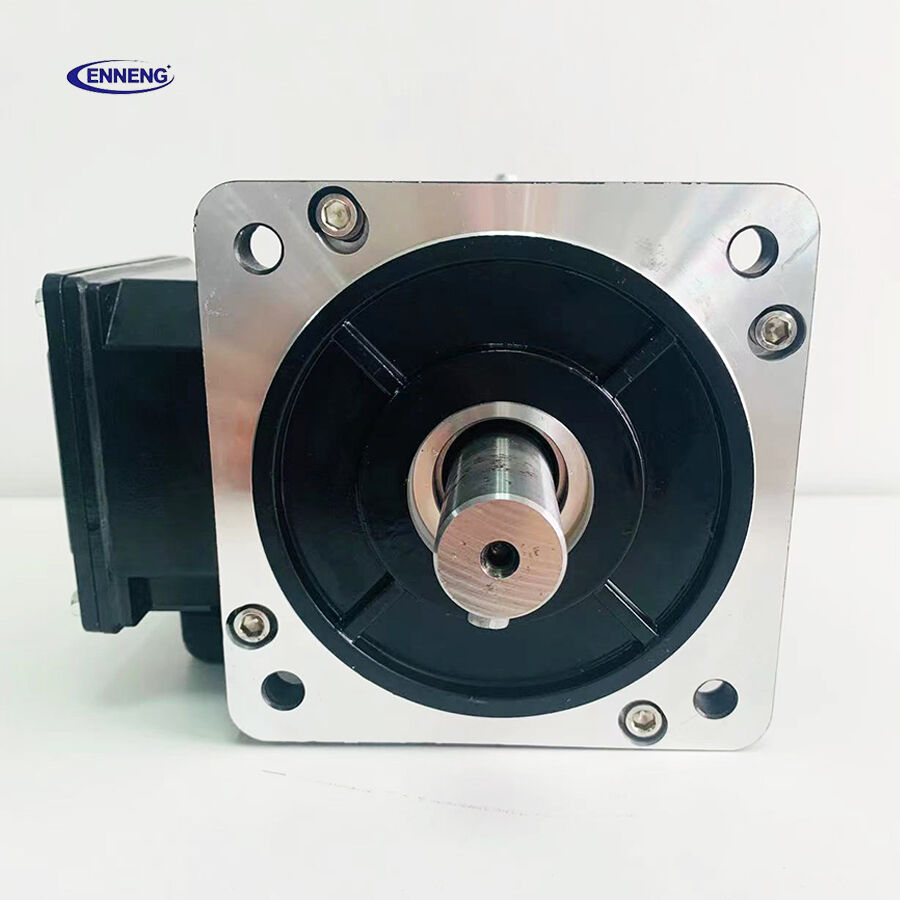
Turn fewer parts into a better maintenance plan
PMSM for Industrial Fans can reduce maintenance workload by simplifying the drive train, removing common belt-related tasks, and supporting controllable operation. The benefit is most credible when the fan is evaluated as a complete ventilation system: motor, impeller, mounting, controller, electrical environment, access, and inspection plan.
Before approving a PMSM for Industrial Fans project, ask the supplier to document the intended duty range, direct-drive arrangement, controller functions, environmental limits, commissioning steps, and recommended service checks. That keeps the decision grounded in maintainability rather than in an isolated efficiency claim—and gives the facility team a clearer path to dependable ventilation.
If you are evaluating commercial permanent magnet motors for sale and need an engineered drive solution that guarantees efficiency and longevity, ENNENG is your trusted partner.Contact ENNENG Today.Speak to our technical engineering team to receive a customised drive proposal.
- WhatsApp: +86 18562780228
- E-Mail: [email protected]
- Phone: +86 532 66000559

