
why-realworld-measured-operational-data-carries-great-weight-in-pmsm-vs-induction-motor-cost-analysis, why-realworld-measured-operational-data-carries-great-weight-in-pmsm-vs-induction-motor-cost-analysis, /blog
EN

2026/09/20
A procurement team often opens a cost study with two catalog sheets. On paper, an induction motor looks cheaper to buy, while a permanent-magnet synchronous motor shows a higher first price but a better efficiency line. ENNENG builds Permanent Magnet Motor (PMSM) units for this duty and supports buyers with measured-duty comparisons rather than catalogue claims, because treating the PMSM vs Induction Motor Cost problem as a nameplate exercise hides the field reality that later drives the bill.
ENNENG's TYB-series permanent-magnet motor sustains IE5 efficiency down to 25 percent partial load, so on a pump logging long stretches near 55 percent load the part-load advantage is exactly what a PMSM vs Induction Motor Cost study must capture. The nameplate suggests an induction motor costs less over five years, but a measured audit of that duty tells a different story. Rebuilt on logged numbers, the permanent-magnet unit moves ahead because its part-load curve stays flat where the induction unit sags.
The nameplate reports one point - full-load efficiency at rated speed - yet real pumps, fans, and compressors rarely sit there. A PMSM vs Induction Motor Cost conclusion drawn only from that line describes a machine that does not exist in the field. ENNENG closes this gap by logging the actual duty first, then matching an ENNENG Permanent Magnet Motor (PMSM) to the measured load instead of the catalogue figure.
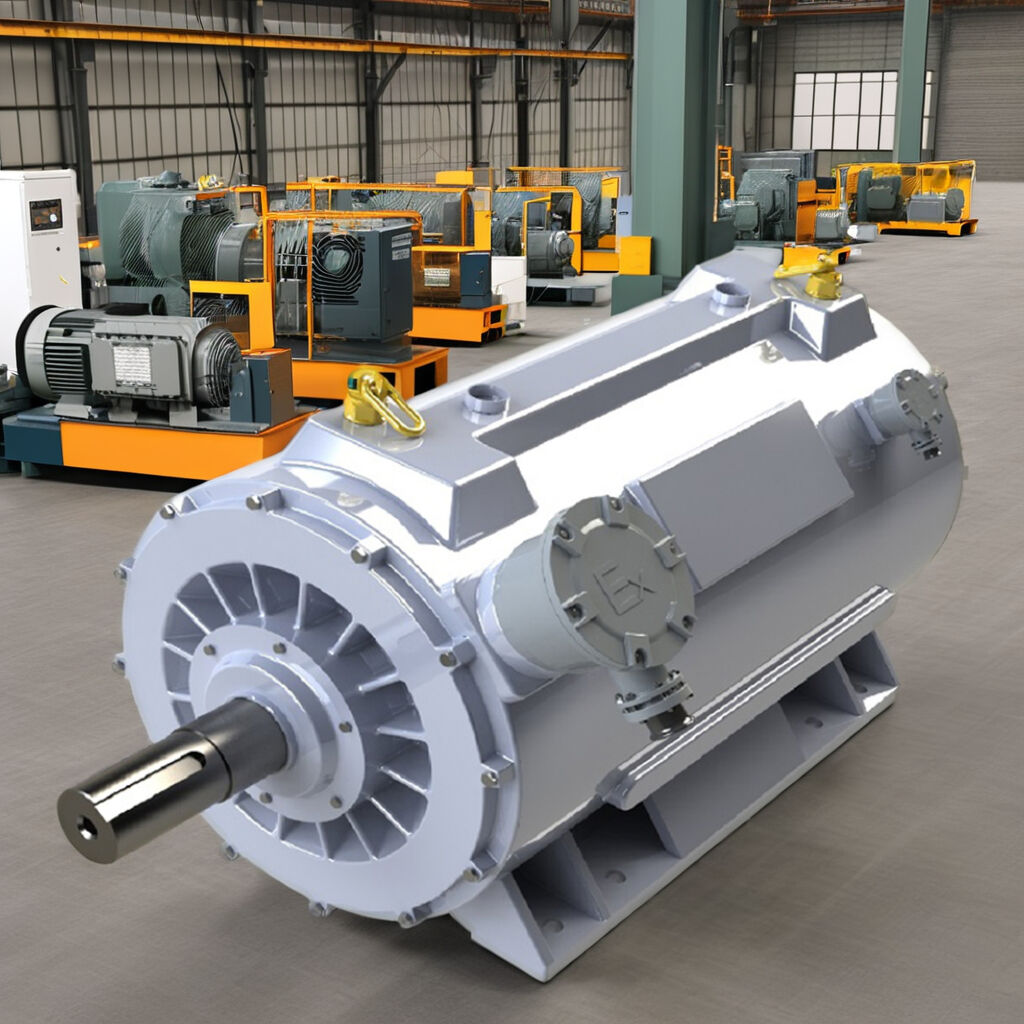
Skipping measurement turns a cost study into a guess, and the risk surfaces when the utility bill does not move as the spreadsheet promised.
Induction motors lose efficiency quickly below rated load through fixed magnetizing current drawn regardless of output, while a permanent-magnet synchronous motor avoids that loss so its curve stays higher through the part-load region. When a PMSM vs Induction Motor Cost review ignores the actual load percentage, it undercounts the induction unit's real consumption, which becomes the dominant term across thousands of running hours.
Run hours decide whether an efficiency edge matters. In the pumping case, the measured duty was far heavier than the nameplate implied, and re-running the PMSM vs Induction Motor Cost math with true run hours flipped the ranking so the permanent-magnet option moved from apparently expensive to clearly favorable. ENNENG presents that flip as a logged, defensible number rather than a sales claim.
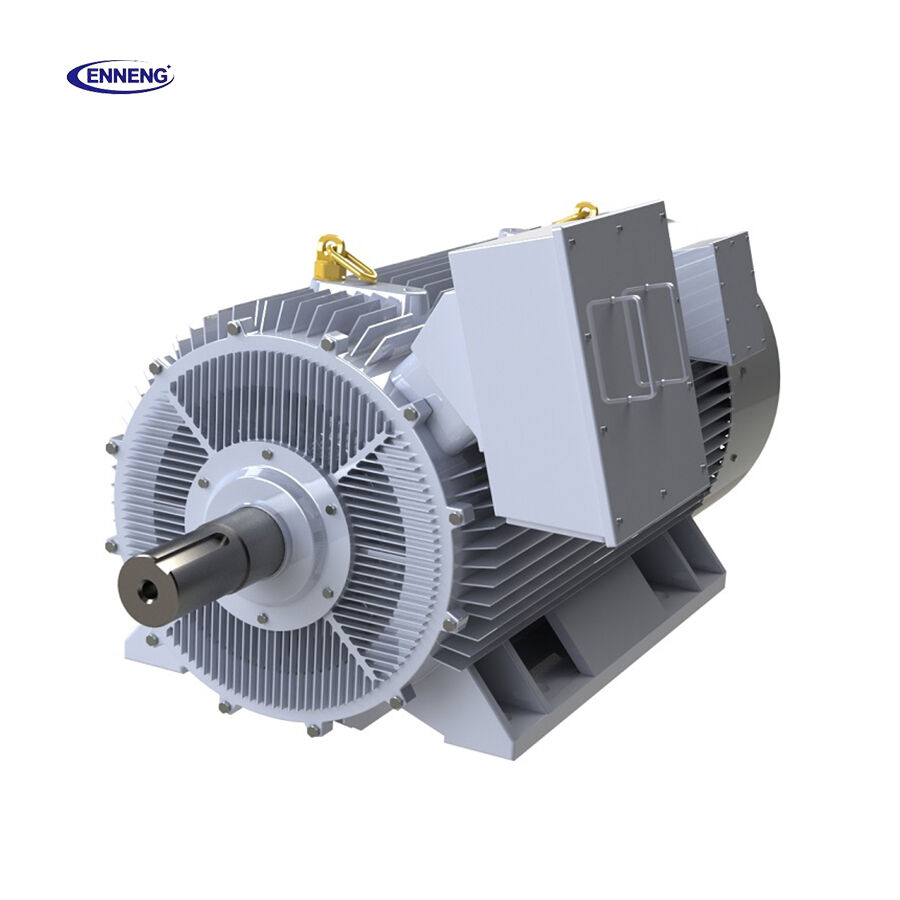
Measured data replaces assumption with evidence, and that evidence decides which machine wins the PMSM vs Induction Motor Cost comparison.
The energy a motor consumes equals its efficiency at each load level multiplied by the time there, so identical motors can rank oppositely when load profiles differ. A proper PMSM vs Induction Motor Cost study begins with a logging campaign - current, voltage, speed, and temperature across a representative week - so the first-price gap is seen in context.
At partial load, the permanent-magnet machine holds its advantage because it carries no field-winding loss to pay for. The induction unit's efficiency curve bends downward, and the bend deepens as load drops. A PMSM vs Induction Motor Cost comparison that weights the part-load region by the measured duty profile usually favors the permanent-magnet motor for continuously loaded, variable-demand drives. For light or intermittent duty, the smaller purchase gap may keep the induction motor ahead. The data, not the label, settles the question. The gap is visible once the loss mechanisms are separated. Under IEC 60034-30-1, both machines are rated the same way, which makes the comparison honest:
|
Parameter (IEC 60034-30-1) |
Induction Motor |
Permanent-Magnet Motor (IE5) |
|
Rotor loss at part load |
Rotor copper loss plus magnetizing current; efficiency falls |
No rotor copper loss; fixed field keeps part-load efficiency high |
|
50 percent load efficiency |
Well below rated (curve bends down) |
Close to rated (curve stays flat) |
|
Reactive draw |
Lagging VAR from the grid |
Near-unity PF, can supply VAR locally |
|
Cost-study effect |
Underestimates real off-nameplate use |
Captures the saving the measured duty delivers |
ENNENG tunes the PMSM rotor and drive together so the flat part-load curve above is delivered in the field, not only on the test bench.
Credible cost work rests on recognized references rather than vendor language, and the same discipline guides how a buyer selects, inspects, and maintains the machine behind the claim.
ISO 50001 provides the energy-management framework that makes a measurement campaign repeatable and auditable. IEC 60034-30-1 defines the IE efficiency classes so the claimed saving is tested against a fixed scale, and IEC 60034-1 covers general performance and test methods for rotating machines. A PMSM vs Induction Motor Cost proposal that cites these standards lets a plant manager compare options on documented duty, not sales copy.
Before purchase, request a one-week power log and confirm the IE class against the supplier declaration. During inspection, verify the nameplate and check bearings, winding insulation, and the cooling path. In service, re-measure after thirty days and compare with the pre-installation baseline. ENNENG supplies PMSM units built to ISO 9001 and CE, and a disciplined PMSM vs Induction Motor Cost review treats the post-installation measurement as the closing step that confirms the business case.
Talk to ENNENG About a Measured Motor Upgrade
A PMSM vs Induction Motor Cost decision should rest on a logged duty profile, not a catalogue line. ENNENG runs on-site measurement campaigns and supplies ENNENG Permanent Magnet Motor (PMSM) built to ISO 9001 and CE for plants in more than 20 countries.
Send ENNENG the one-week power log from the target drive for a duty-matched comparison and payback estimate before purchase.
A: The nameplate shows efficiency only at the rated point, yet most drives run below that load for most of their hours. An induction motor loses more efficiency at part load than a permanent-magnet unit, so a rated-point comparison understates the real saving. A proper PMSM vs Induction Motor Cost study must use logged load and run hours, not the single catalog figure, to estimate lifetime energy consumption with any confidence at all.
A: There is no single threshold, because the result depends on load shape as much as on hours. Continuous or heavily loaded drives with long annual run times usually justify a permanent-magnet machine through energy saving. Light or intermittent duty may leave the induction motor ahead on first cost. A measured PMSM vs Induction Motor Cost review matches the motor type to the verified duty rather than to an unsupported rule of thumb.
A: ISO 50001 frames the energy-management and measurement discipline, IEC 60034-30-1 defines the IE efficiency classes used to test claims, and IEC 60034-1 covers general performance and acceptance tests. Citing these in a PMSM vs Induction Motor Cost proposal lets managers compare options on documented duty and gives procurement a fixed reference for verifying the delivered result against the predicted saving later.
A: Capture current, voltage, speed, and temperature across a representative production week for the candidate drive. Map the recorded values to load percentage and duty cycle, then estimate annual energy from the part-load efficiency curve. This evidence base is what turns a PMSM vs Induction Motor Cost estimate from a guess into a defensible number, and it prevents spending on a machine whose duty does not justify the premium paid.
A: Yes. In the illustrative pumping case, the nameplate favored the cheaper induction motor, but logged duty showed long continuous operation at about 55 percent load. Rebuilt on measured numbers, the permanent-magnet unit's flat part-load curve made it the lower-cost choice over five years. A PMSM vs Induction Motor Cost study that weights the true duty profile can therefore flip a nameplate-based ranking entirely on the same hardware.


 EN