
 EN

Why sealing performance directly decides service life of Mining Industrial Motor in humid mine-tunnel environments
For a Mining Industrial Motor, humidity is not merely an environmental note on a datasheet. In a tunnel, wet air, washdown splash, conductive dust, temperature swings, and difficult access can turn a small sealing weakness into an outage. A Mining Industrial Motor must retain its barrier performance through the actual duty cycle, not only during a clean, dry inspection. The practical question is not simply whether the motor has an IP number. It is whether the enclosure, shaft exits, terminal box, joints, drains, breathers, and maintenance method work together to keep moisture from reaching parts that cannot tolerate it.
As a technical sales consultant, I would start with the operating constraint rather than the nameplate: where does water collect, when does the motor cool down, how often is it washed, what dust is present, and how long can the equipment be unavailable? That sequence matters because a motor can look protected on paper yet fail early if the installed seal system does not match the tunnel duty.
Humidity shortens life through several connected failure paths
A humid mine tunnel rarely exposes a motor to clean, stable moisture. Airborne mineral dust can mix with water and settle at joints or cable entries. Equipment that stops between shifts may cool below the surrounding air temperature; humid air can then condense on colder internal surfaces. If that moisture enters the terminal chamber or stator space, insulation resistance can fall, corrosion can begin, and contamination can create tracking paths across insulating surfaces.
This damage accumulates quietly. A slightly wet winding may dry during operation, but repeated wetting and drying can age varnish and loosen deposits. At the drive end, moisture and abrasive dust can work past a weak shaft seal, dilute or contaminate bearing grease, and accelerate corrosion on bearing surfaces. A terminal-box gasket that is compressed unevenly can admit water even while the main housing appears intact. In each case, the loss is not only a replacement motor: it can include troubleshooting time, production interruption, rewinding, and a difficult removal in restricted tunnel space.
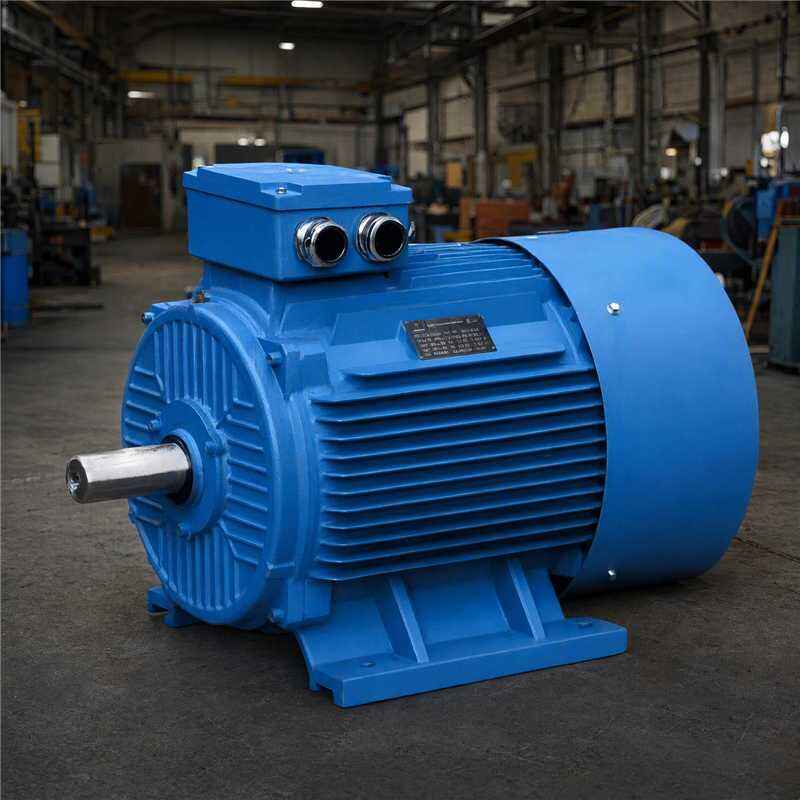
That is why sealing should be evaluated as a lifecycle control. The right Mining Industrial Motor specification helps prevent the first ingress event; inspection and maintenance help prevent a small defect from becoming a winding or bearing failure. In procurement terms, a Mining Industrial Motor should be compared by its complete environmental configuration, not by the housing label alone.
An IP code is a starting point, not the whole sealing design
IEC 60034-5 classifies the degree of protection provided by the integral design of rotating electrical-machine enclosures through the IP code. This makes an IP rating an important procurement requirement, but it should not be treated as a blanket promise for every tunnel exposure. The rating needs to be interpreted alongside the actual orientation, washdown practice, cable routing, ambient temperature, vibration, and inspection interval.
Ask the supplier what parts of the delivered assembly are covered by the stated protection: the housing, terminal box, cable glands, shaft arrangement, and any auxiliary devices. A high enclosure rating can be undermined by an incorrectly sized gland, a missing blanking plug, a damaged gasket, or an unsealed conduit route. In humid service, interfaces deserve at least as much attention as the main casting.
| Sealing location | What can go wrong in a humid tunnel | What to verify |
|---|---|---|
| Terminal box and cable entries | Water follows cables or enters through loose glands and unused openings. | Gland type, cable diameter range, gasket condition, torque practice, and closure of unused ports. |
| End shields and housing joints | Damaged gaskets or distorted mating faces create a slow ingress route. | Gasket material, fastener tightening sequence, corrosion condition, and replacement availability. |
| Shaft exits and bearing cavities | Moisture and mineral dust reach grease and bearing surfaces. | Seal arrangement, bearing protection, grease compatibility, relubrication method, and drain path. |
| Breathers, drains, and auxiliary fittings | Incorrectly positioned accessories admit water or trap condensate. | Mounting orientation, drain management, service instructions, and site-specific installation details. |
Why a small seal defect becomes a service-life problem
Think of sealing as a barrier system rather than one component. When a gasket leaks, the ingress may not trigger an immediate trip. Instead, moisture can remain unnoticed until insulation readings drift, terminals corrode, or a bearing begins to run roughly. A Mining Industrial Motor may continue to turn while this hidden damage accumulates. In a dry, accessible plant, that deterioration may be caught during routine work. In a wet tunnel with long operating hours, restricted access, and vibration, the same condition has more time to progress.
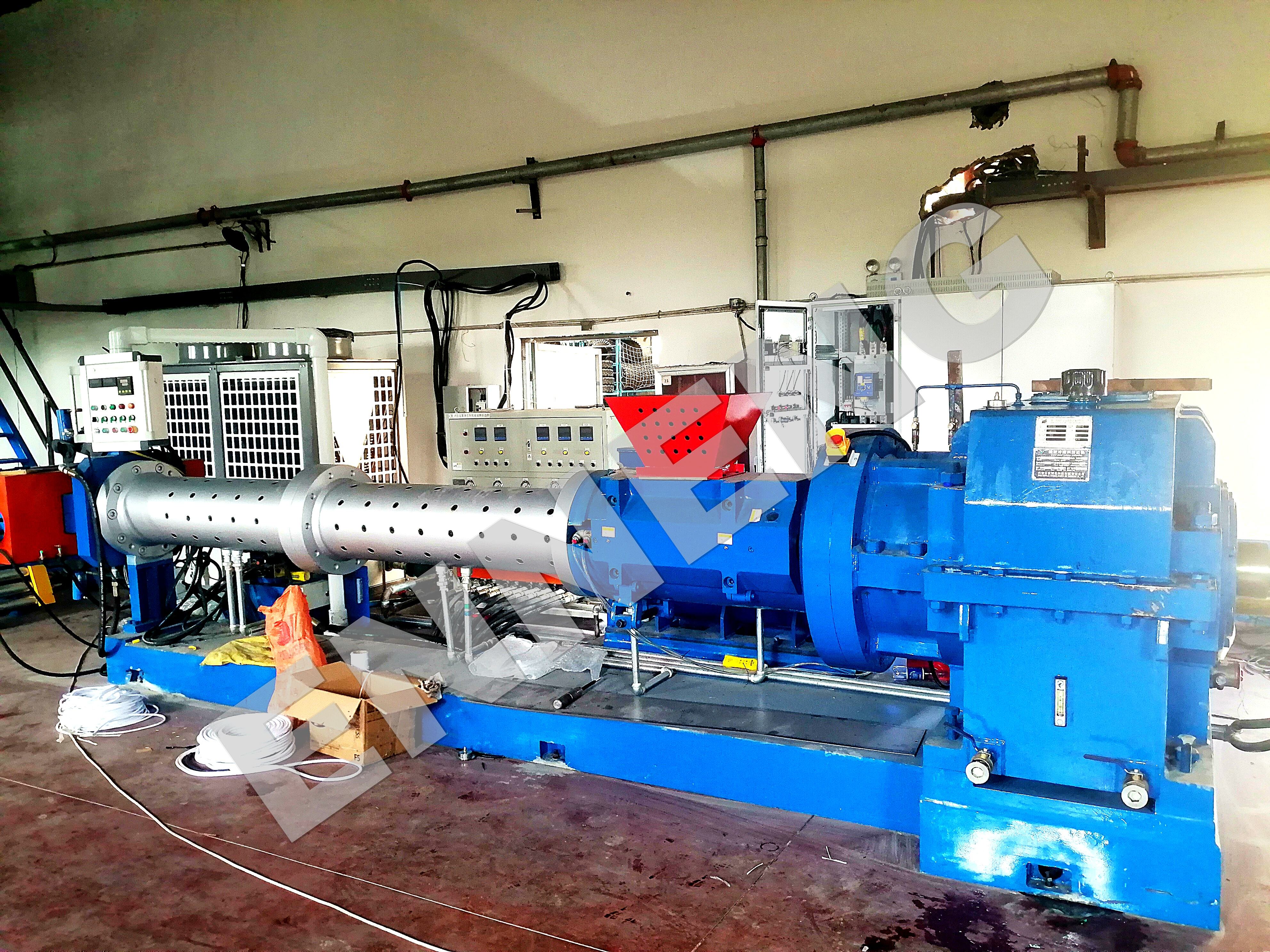
There is also a trade-off to manage. A more enclosed Mining Industrial Motor can improve protection against wet contaminants, yet enclosure choices influence heat rejection. A Mining Industrial Motor selected only for ingress protection without checking load, ambient temperature, cooling path, and duty cycle may face thermal stress. The engineering aim is not to seal everything indiscriminately. It is to specify a coordinated combination of enclosure protection, thermal design, drainage, cable entry, bearing protection, and maintenance access for the actual site.
How Permanent Magnet Motor PMSM choices change the discussion
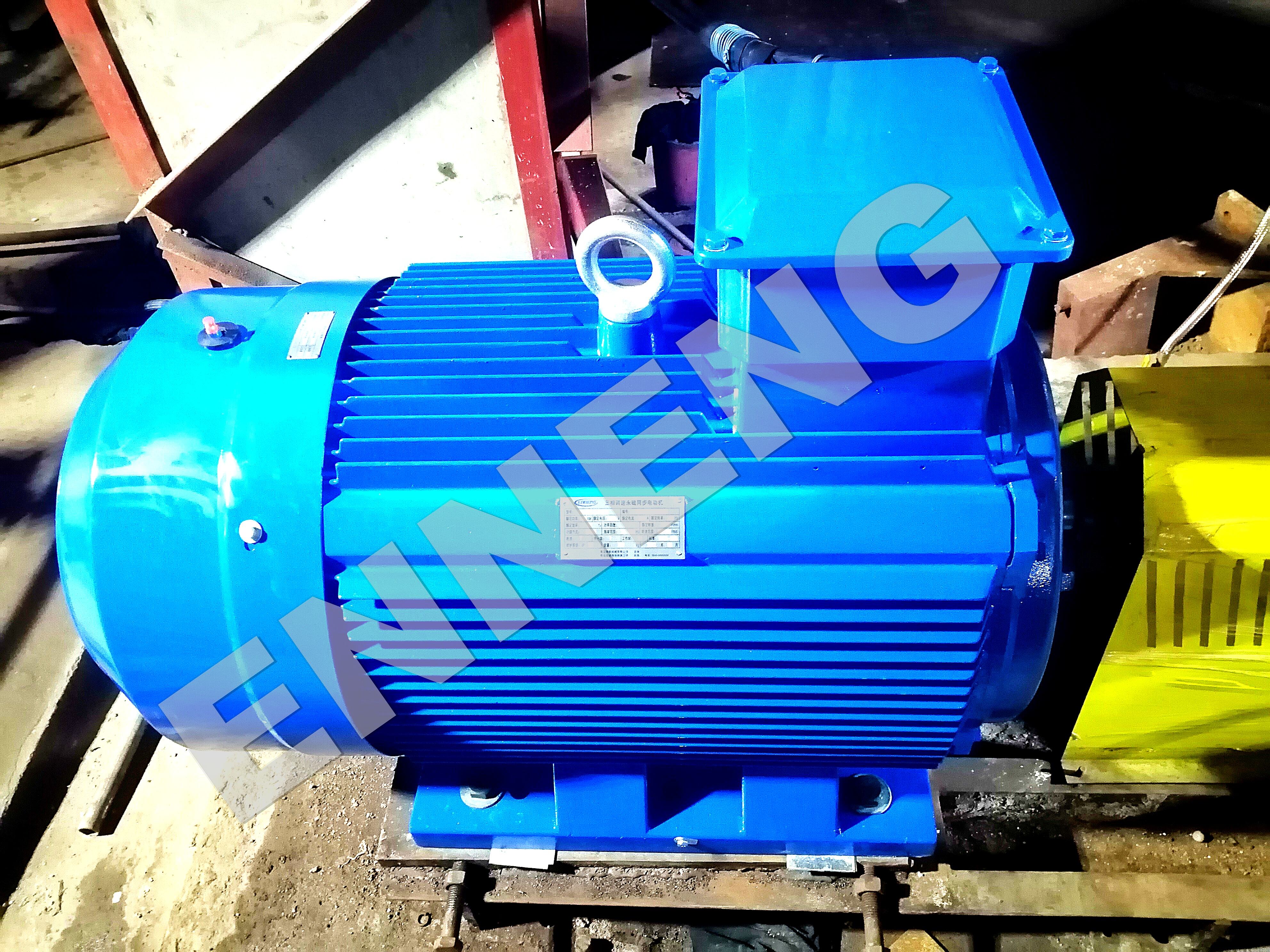
A Permanent Magnet Motor PMSM may be considered where the load profile and compatible variable-frequency drive support its use. Its potential efficiency advantages do not remove the need for environmental protection. In fact, a Permanent Magnet Motor PMSM installation should be reviewed as a system: motor enclosure and sealing, compatible drive settings, cable and termination practices, grounding, cooling, and access for inspection.
For permanent-magnet motor options, ask whether the supplier can document the selected ingress-protection arrangement, corrosion-resistant surface treatment or sealing options, winding insulation class, and the limits of the quoted configuration. The confirmed variable library for this article indicates that IP65-or-higher options, corrosion-resistant surface treatments, epoxy potting protection, and higher insulation classes may be available in some permanent-magnet product configurations. Availability and suitability must be confirmed against the actual motor model, mine regulations, temperature, hazardous-area classification, and washdown regime.
A procurement checklist for humid tunnel duty
- Map the water exposure. Distinguish persistent humidity, dripping water, direct washdown, and slurry splash. These are not interchangeable conditions.
- Document the temperature cycle. Identify shutdown periods and places where condensation is likely, not just the peak operating temperature.
- Specify all ingress interfaces. Include terminal boxes, cable glands, plugs, shaft seals, auxiliary cables, drains, and breathers in the request for quotation.
- Request configuration-specific evidence. Ask how the enclosure protection is defined and what moisture-resistance evidence applies to the proposed winding system. NEMA MG 1 materials include a moisture-resistant winding conformance test for certain AC squirrel-cage machines; that should prompt a model-specific discussion, not an assumed claim.
- Check thermal and mechanical consequences. Confirm cooling method, load profile, mounting orientation, vibration, and bearing lubrication plan alongside the sealing requirement.
- Plan inspection before failure. Set a routine for checking gland tightness, gaskets, corrosion, drainage, bearing condition, and insulation trends at intervals appropriate to the site.
- Confirm safety compliance separately. A sealing specification does not establish suitability for a classified or hazardous location. Verify all applicable mine-site electrical and safety requirements with the responsible engineer.
Engineering Consultation and Drive Upgrade Inquiries
Determining the precise operational savings of a Permanent Magnet Synchronous Motor upgrade begins with a detailed assessment of facility load profiles, feeder impedance, and utility billing structures. Transitioning production assets to permanent magnet motor systems mitigates harmonic stress, lowers apparent current demand, and elevates overall facility energy efficiency. Application specialists provide comprehensive electrical system modeling, shaft interface engineering, and turnkey drive selection support. Contact the engineering team today to review specific plant parameters and project requirements.
- WhatsApp: +86 18562780228
- E-Mail: [email protected]
- Phone: +86 532 66000559
Make sealing performance a verified service-life input
The practical takeaway is simpler than it sounds: in a humid tunnel, service life is often decided at the interfaces where water, dust, and temperature cycling meet the motor. A properly selected Mining Industrial Motor should therefore be evaluated for the complete barrier system, not only for output, efficiency, or a headline IP rating. Treat the Mining Industrial Motor seal system as a measurable reliability requirement from the first specification review.
Before purchase, turn site conditions into a written sealing and maintenance requirement. Then ask the supplier to match the proposed configuration to those conditions and identify any limits. This reliability-first approach gives maintenance teams clearer inspection points, helps procurement compare like-for-like options, and reduces the chance that a minor seal issue becomes a major motor failure.

