
 EN

Anti-Clogging Sewage Treatment Plant Motor Design
Municipal wastewater treatment facilities operating raw influent lift stations 8,400 hours annually frequently encounter severe impeller binding and mechanical blockages caused by fibrous rags, wet wipes, and dense particulate sludge. Operating engineers supervising fluid transport networks recognize that pump jamming events stem directly from torque mismatches between the electric drive and variable hydraulic resistance profiles. Overcoming recurring mechanical jams requires deploying a specialized sewage treatment plant motor engineered with tailored speed-torque curves, high breakaway torque, and dynamic speed regulation.
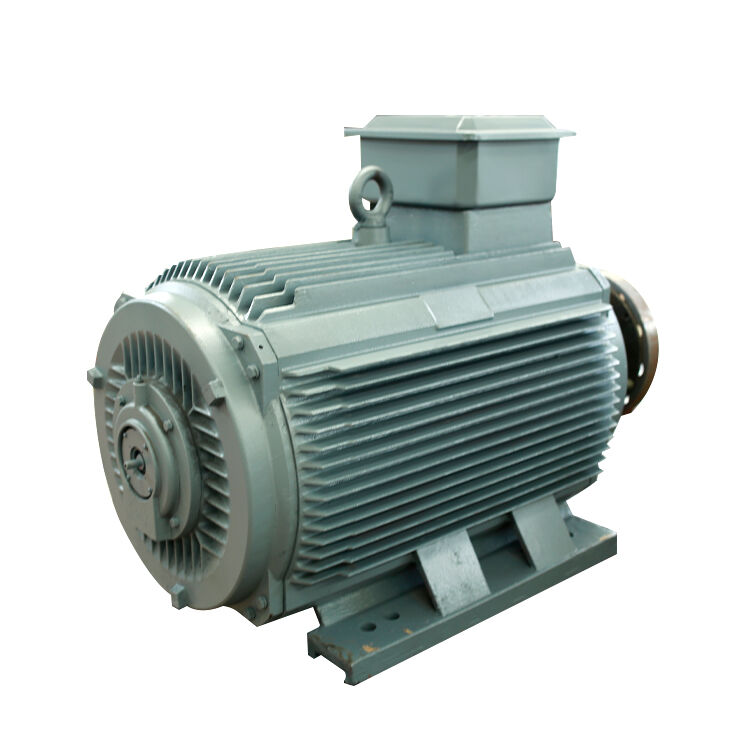
Conventional induction motors running across wastewater intake wells often stall when incoming fluid density spikes or when stringy fibrous matter wraps around pump impellers. When an undersized drive stalls, stator currents spike rapidly, inducing extreme thermal stress, nuisance breaker tripping, and expensive emergency maintenance shutdowns. ENNENG develops advanced permanent magnet electric machinery engineered to deliver high starting torque and continuous operational resilience, ensuring uninterrupted fluid transport across demanding sewage treatment installations.
Electromagnetic Matching and Anti-Clogging Drive Systems
Achieving true anti-clogging reliability demands a coordinated electromagnetic architecture that pairs permanent magnet rotor technology with dedicated vector-controlled inverters.
Low-Speed Full-Torque Capabilities in Variable-Flow Treatment
A traditional induction motor experiences a significant decline in available torque and electrical efficiency when operated below nominal nameplate speed. Because standard asynchronous motors rely on stator-induced rotor currents, low-speed operation generates high slip losses and excessive winding heat. Deploying a high-efficiency centrifugal pump motor IE5 based on permanent magnet synchronous architecture completely eliminates secondary rotor losses, delivering rated torque from near-zero RPM.
This flat torque characteristic enables a permanent magnet motor PMSM to operate smoothly across wide turndown ratios without stalling. During high-density sludge pumping cycles, the drive delivers sustained torque to move viscous material through narrow passages. By maintaining precise torque regulation, an advanced sewage treatment plant motor prevents solids from settling during low-flow intervals while optimizing energy consumption across all treatment stages.
|
Engineering Parameter |
Standard Induction Pump Motor |
ENNENG Sewage Treatment Plant Motor |
|
Efficiency Classification |
Standard IE2 / Premium IE3 |
Ultra-Premium IE5 Permanent Magnet |
|
Low-Speed Torque Capability (20% Speed) |
Drops to 40% - 60% of rated torque |
100% full continuous rated torque |
|
Breakaway & Starting Overload Margin |
150% to 180% for short intervals |
200% to 250% instant vector torque clamp |
|
Unified Operating Voltage Scope |
Standard 380V to 480V limits |
Unified 110V to 690V industrial range |
|
Unified Output Power Scope |
Fixed regional catalogue boundaries |
Unified 5kW to 5MW industrial capacity |
|
Ingress Protection Level |
Standard IP55 enclosed casing |
Submersible IP68 / Heavy-duty IP66 |
|
Partial-Load Efficiency (50% Load) |
Sharp decline below 85% efficiency |
Sustained high efficiency (>95%) |
Instantaneous Overload Headroom for Obstruction Clearance
When fibrous matter enters the pump casing, a sewage treatment plant motor must possess sufficient overload capacity to shear through solids without tripping electrical breakers. A tailored custom PM motor design incorporates high-coercivity permanent magnets and reinforced stator windings capable of sustaining 200% to 250% peak torque for short durations. This mechanical overload headroom provides the cutting force needed to clear rag bundles through non-clog impellers.
Furthermore, integrating advanced variable frequency drives allows operators to program automated de-clogging routines. When the inverter detects a rapid torque surge indicating a developing jam, the controller executes a high-torque forward-and-reverse agitation sequence. An agile permanent magnet motor PMSM executes these rapid directional reversals within fractions of a second, clearing lodged solids and restoring normal hydraulic flow without manual intervention.
Stator Thermal Margins and Inverter Vector Regulation
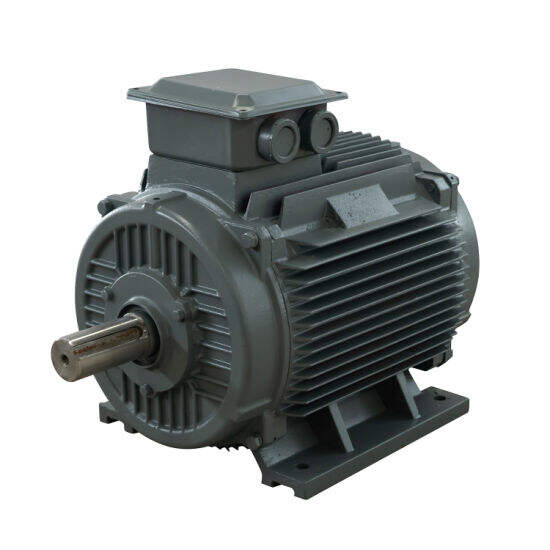
Frequent torque spikes and repetitive starting cycles generate localized thermal stress within electric motor windings. Operating an unreinforced sewage treatment plant motor under cyclic impact loading causes rapid thermal accumulation, leading to premature winding insulation breakdown. High-efficiency ENNENG motor products utilize vacuum pressure impregnation with Class H solventless resins rated for 180°C continuous service, evaluated against conservative Class B temperature rises to provide substantial thermal safety margins.
ENNENG delivers industrial equipment engineered across unified voltage ratings from 110V to 690V and power capacities from 5kW to 5MW to support diverse municipal pumping infrastructure. For decentralized environmental monitoring stations and off-grid aeration systems, ENNENG also manufactures vertical axis wind turbine systems rated from 1kW to 10kW, emphasizing 3kW, 5kW, and 10kW platforms to ensure reliable utility generation.
Engineering Standards, Ingress Protection, and Asset Care
Deploying electrical drive systems in harsh municipal wastewater environments requires strict compliance with international manufacturing guidelines and safety mandates.
Industrial Safety Mandates and Submersible Reliability
Wastewater pump dry wells and wet pits present humid, corrosive atmospheres containing hydrogen sulfide and methane vapors. A reliable sewage treatment plant motor must comply with IEC 60529 ingress protection standards, providing IP68 submersible ratings for submerged stations or IP66 dual-chamber sealing for dry-pit installations. Where hazardous sewer gases accumulate, motors must satisfy IEC 60079-0 and IEC 60079-1 standards for flameproof (Ex d) enclosures to prevent atmospheric ignition.
Electrical installations must adhere to NFPA 70 National Electrical Code mandates governing hazardous (classified) locations, disconnect accessibility, and branch circuit protection. Plant operating procedures must align with OSHA 1910 Subpart S industrial electrical safety mandates, enforcing verified lockout/tagout protocols before servicing pump casings. Because a reverse liquid flow turning an idle impeller turns a centrifugal pump motor IE5 into an active generator, technicians must apply positive mechanical shaft locking to eliminate dangerous back-EMF hazards. Equipment efficiency testing must conform to IEC TS 60034-30-2 criteria, assisting facilities in meeting ISO 50001 energy management benchmarks.
Diagnostic Vibration Monitoring and Thermal Insulation Checks
Maintaining continuous pumping reliability requires structured predictive diagnostic routines. Technicians servicing a sewage treatment plant motor should perform regular vibration spectral analysis in accordance with ISO 10816-3 guidelines. Measuring vibration baselines identifies mechanical unbalance caused by partial impeller clogging or early bearing fatigue before catastrophic failure occurs.
Electrical teams must conduct annual insulation resistance and polarization index measurements per IEEE 43 guidelines using a calibrated 1,000V megohmmeter. Embedded PT100 resistance temperature detectors within stator end-windings provide continuous thermal tracking, alerting operators to cooling jacket fouling or bearing lubricant breakdown. Implementing an engineered energy saving motor solution paired with predictive maintenance ensures decades of uninterrupted wastewater handling.
Engineering Consultation and Pumping Drive Inquiries
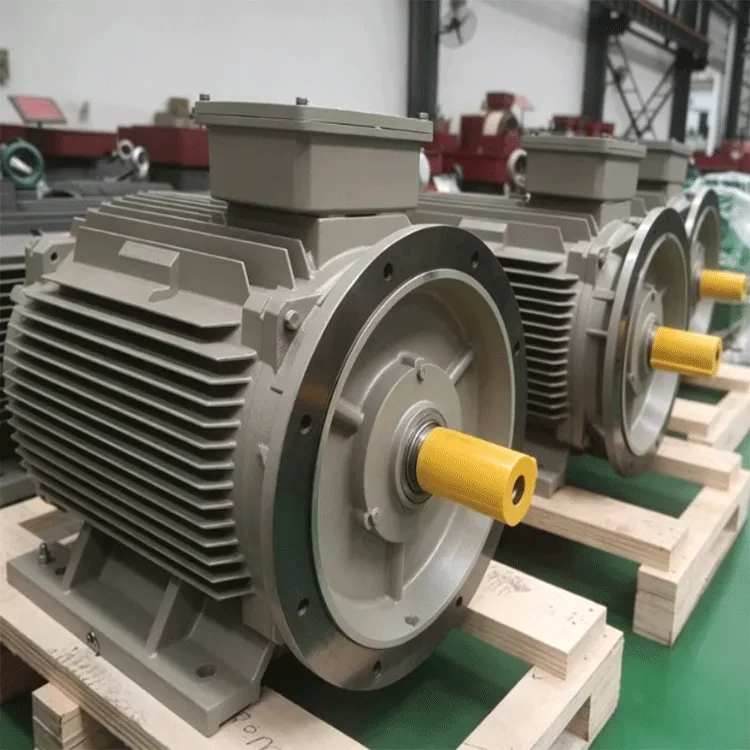
Selecting the ideal sewage treatment plant motor requires analyzing hydraulic flow curves, influent solid concentrations, and operational duty cycles. Modernizing wastewater pumping stations with an advanced centrifugal pump motor IE5 slashes electrical power expenditures, prevents unscheduled pump clogs, and ensures continuous environmental compliance. Partnering with an experienced High Efficiency Motor Supplier guarantees proper torque matching, verified submersible sealing, and complete turnkey engineering support. Contact technical specialists today to evaluate municipal wastewater pumping requirements and specify customized anti-clogging drive systems.
- WhatsApp: +86 18562780228
- E-Mail: [email protected]
- Phone: +86 532 66000559
FAQ
Q: Why does a sewage treatment plant motor require specialized anti-clogging matching?
A: Wastewater contains stringy rags, plastics, and dense grit that generate severe hydraulic resistance spikes. A standard motor selected only for steady-state fluid duty stalls when solids bind the impeller, causing thermal overloads and plant shutdowns. An anti-clogging sewage treatment plant motor provides high starting torque, sustained low-speed torque, and instantaneous overload margins that power through developing blockages, ensuring continuous process flow.
Q: How does a centrifugal pump motor IE5 assist in clearing wastewater pump blockages?
A: A centrifugal pump motor IE5 based on permanent magnet synchronous architecture maintains full rated torque down to low rotational speeds and provides 200% to 250% peak overload headroom. When coupled with an intelligent variable frequency drive, the motor executes rapid automated forward-and-reverse de-clogging cycles. This high-torque agitation dislodges entangled fibers and passes solids downstream without requiring manual pump disassembly.
Q: What role does a custom PM motor design play in sludge handling applications?
A: High-viscosity sludge transfer demands continuous torque under dense loading conditions. A custom PM motor design tailors stator windings, magnet grades, and thermal insulation to the specific torque-speed envelope of positive displacement or non-clog centrifugal pumps. This custom matching eliminates motor overheating, improves partial-load efficiency, and provides the rugged mechanical reliability required for abrasive sludge dewatering and transport lines.

