
why-sewage-treatment-plant-motor-needs-special-sealingstructure-design-for-wetanddirty-workingcondition, why-sewage-treatment-plant-motor-needs-special-sealingstructure-design-for-wetanddirty-workingcondition, /blog
EN

2026/09/22
A municipal plant in southern China replaced twelve old open-type motors on its aeration blowers with sealed permanent-magnet units. The Sewage Treatment Plant Motor upgrade ran through a full monsoon season without a single bearing failure. Before the change, the same position had needed a motor swap every eleven months because sludge mist reached the windings. A neighboring facility reported the same pattern after fitting a Sewage Treatment Plant Motor built with a double-lip shaft seal and a corrosion-resistant frame. The maintenance lead noted that the new Sewage Treatment Plant Motor stayed clean even when the pit flooded during a storm surge. Both plants logged the Sewage Treatment Plant Motor duty and shared the result with the regional water authority, which then wrote the sealed design into its next procurement spec. A third site, a food-processing effluent plant, saw the same benefit after moving from air-cooled open motors to the sealed units on its return-activated-sludge pumps. The effluent plant measured a 14 percent drop in blower energy after the sealed units replaced the air-cooled open motors. Both sites now plan their blower shutdown around maintenance windows instead of emergency calls.
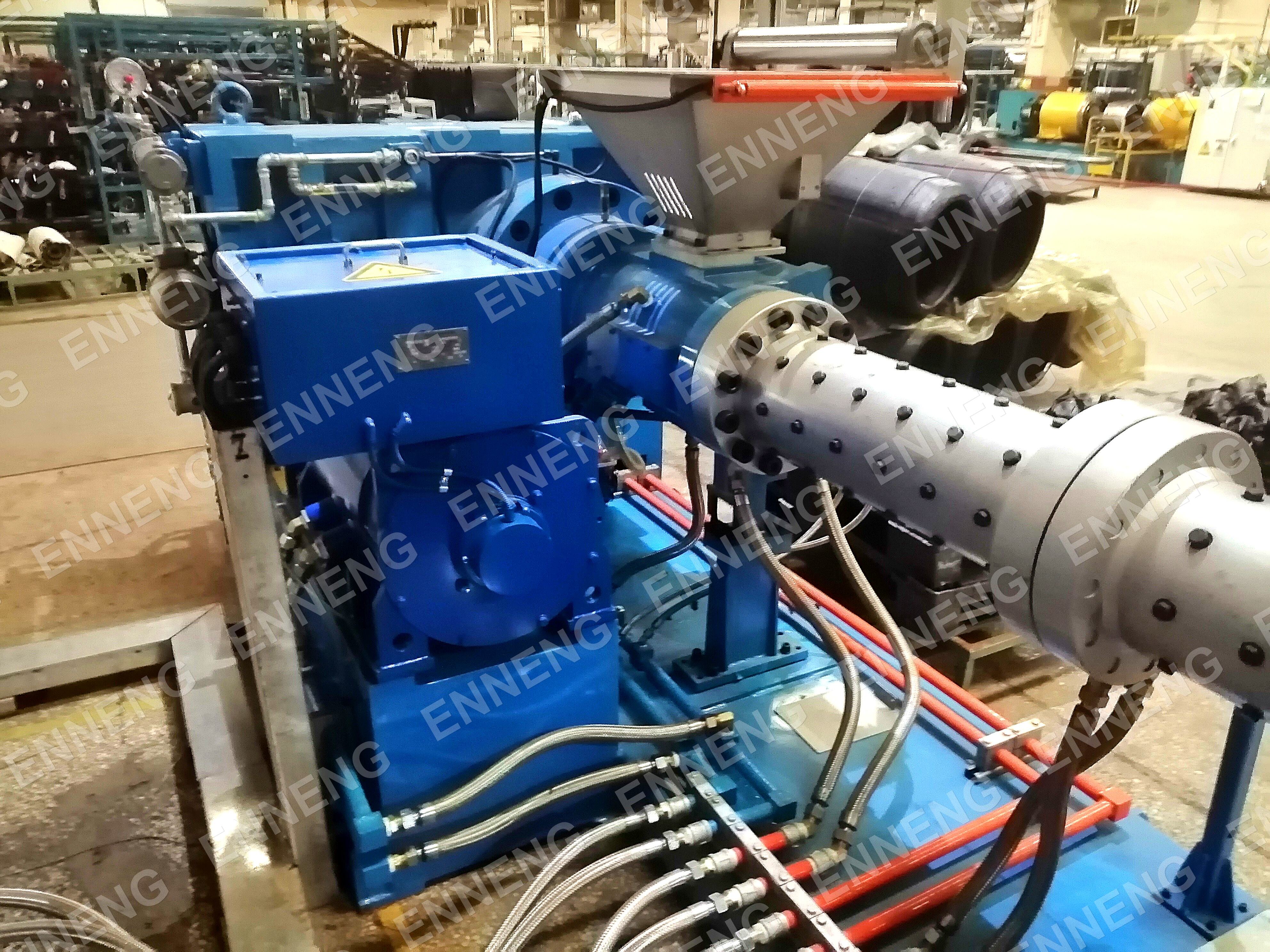
The wet-and-dirty duty creates two failure paths: moisture enters through the shaft, and abrasive grit wears the seal from outside. A standard industrial motor is not built for that, so a Sewage Treatment Plant Motor specified from a dry-duty catalogue will fail early. ENNENG answers this with a sealing structure designed for the pit, not the workshop. The risk is acceptable only when the seal class, drain path, and terminal box are chosen for the actual atmosphere, not for a generic nameplate. A Sewage Treatment Plant Motor built with a single lip and a painted frame is the usual cause of a winter breakdown, because condensation forms inside the frame as the machine cools after a load swing. Bacteria-laden mist also attacks the terminal block, so a pit-mounted machine needs a box rated above the flood line. Ignoring these points turns a low-cost motor into the most expensive item in the pump house. Spare parts for a sealed design are also easier to stock, because the cartridge bearing and lip seal are standard ENNENG items. Most winter failures trace back to a weeping seal that was noticed too late, so the stocked cartridge pays for itself in one avoided stop.
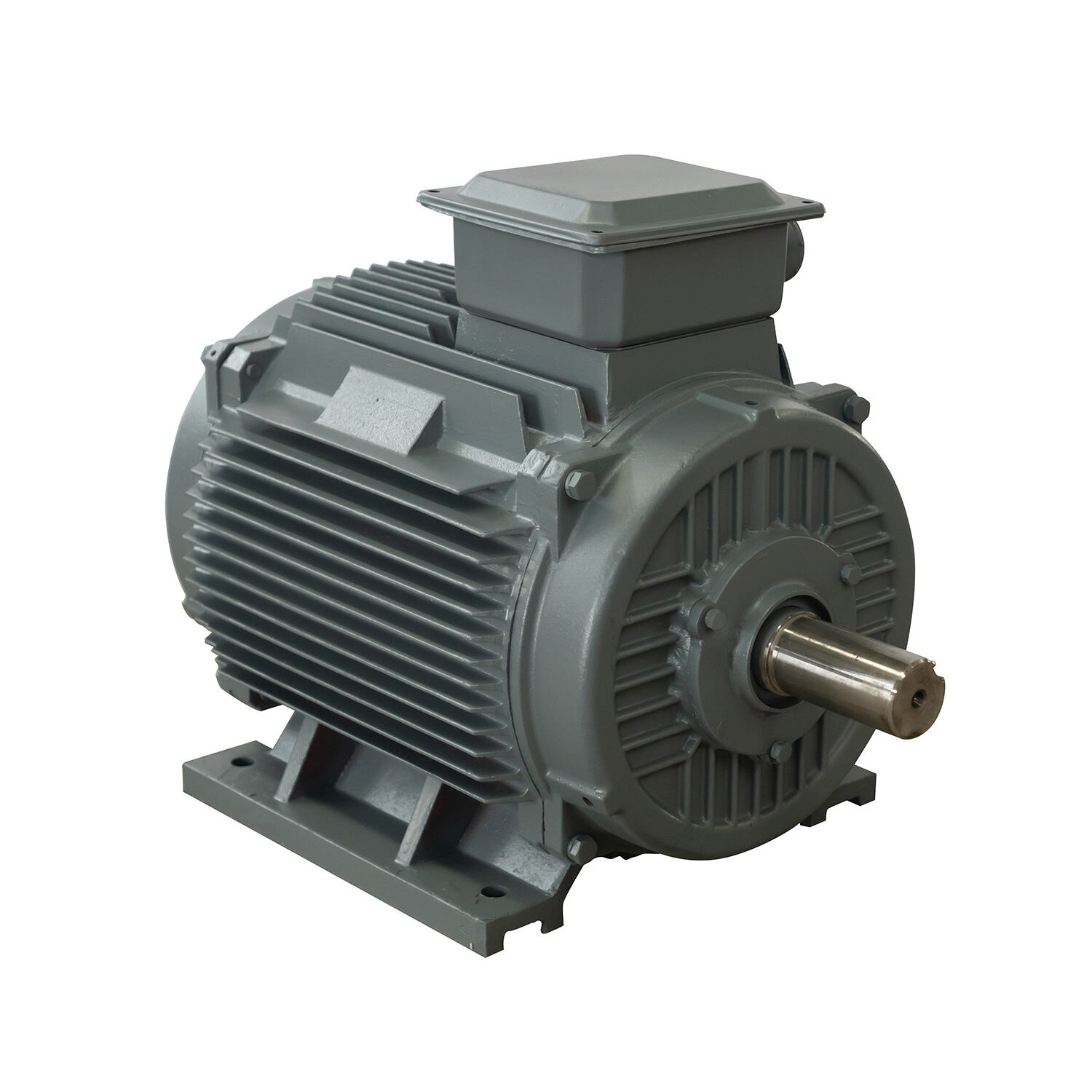
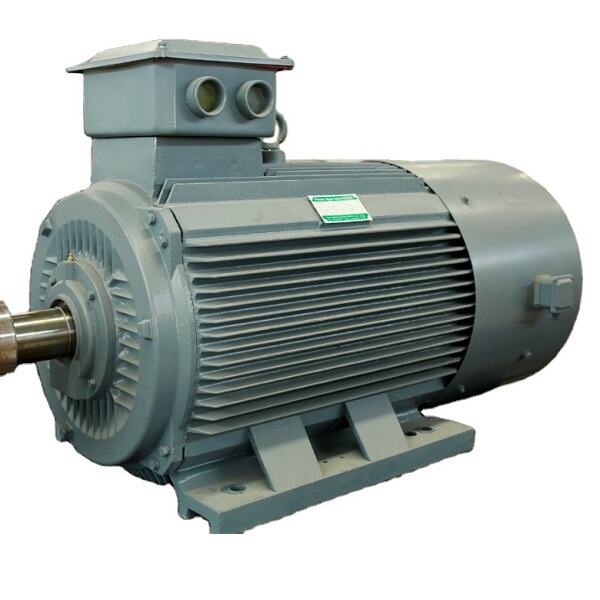
A Sewage Treatment Plant Motor must hold protection at the shaft, the flange, and the terminal box at once. ENNENG supplies TYB-series permanent-magnet motors with IP55 enclosures, Class F insulation, and a double-lip contact seal on the output shaft. In a side-by-side trial, an ENNENG Sewage Treatment Plant Motor kept its insulation resistance above the limit after 2000 hours in a salt-spray chamber, while a standard IE3 unit drifted below it by hour 900.
|
Feature |
Standard IE3 motor |
ENNENG Sewage Treatment Plant Motor |
|
Ingress protection |
IP54 |
IP55 |
|
Shaft seal |
single lip |
double lip, contact |
|
Frame coating |
paint |
epoxy, anti-corrosion |
|
Bearing grease |
standard |
sealed, water-resistant |
|
Expected life in pit |
about 1 year |
about 4 years |
A Sewage Treatment Plant Motor built this way also benefits from the permanent-magnet rotor: lower loss means less internal heat, so the seal sees a gentler temperature cycle and lasts longer. ENNENG low-speed direct-drive units remove the gearbox, which removes the most common leak path in a treatment pit. The permanent-magnet design also holds efficiency at part load, which matters because blowers and pumps in a treatment works run a variable duty across the day. The Sewage Treatment Plant Motor result is fewer unplanned stops during peak flow, which is when a stop is most expensive and most visible to regulators. Site teams that log the bearing temperature weekly usually catch a slow seal weep before it becomes a winding fault. ENNENG offers the sealed permanent-magnet motor from 0.55 kW to 2500 kW, so the same sealing concept covers a small equalization tank mixer and a large blower without changing suppliers. A treatment works that standardizes on this sealed design also simplifies its spare-parts store, because one cartridge bearing and one lip seal fit the whole motor fleet.
Relevant references set the bar for the design. IEC 60034-5 defines the IP ingress-protection code that a Sewage Treatment Plant Motor should declare, and IEC 60034-1 covers the general tests. Local discharge rules push plants to keep blowers running, so a reliable Sewage Treatment Plant Motor supports compliance with permit limits. OSHA 29 CFR 1910.146 covers confined-space entry for pit work, which means the motor change-out must be planned as a permit task with gas testing. ATEX 2014/34/EU applies where biogas concentrations can reach the explosive range, so the Sewage Treatment Plant Motor enclosure must meet the zone rating before energizing. ISO 9001 matters too, because a documented build record lets the plant prove the sealed unit met spec during an audit. A documented sealing specification also shortens the tender review, because evaluators can verify the IP and zone ratings directly.
Specify a Sewage Treatment Plant Motor with at least IP55 and a double-lip shaft seal for any pit-mounted machine. Ask ENNENG for the epoxy-coated frame and sealed bearings when the atmosphere is corrosive. During installation, set a drip loop on the cable and keep the terminal box above the flood line. A Sewage Treatment Plant Motor program should include a quarterly seal inspection and an insulation-resistance test every six months. Keep a spare sealed cartridge bearing on site so a Sewage Treatment Plant Motor return-to-service takes hours, not days, and the plant stays inside its discharge permit. Train the pit crew to report a faint oily film at the shaft as a priority, because that film is the first sign of a weeping seal. A simple weekly log of shaft film, bearing temperature, and insulation resistance turns three short checks into an early-warning system that protects the whole pit.
A: Cleaning helps but does not close the gap, because moisture and grit return with every cycle and reach the shaft through the original seal path. A Sewage Treatment Plant Motor is built from the start with a double-lip shaft seal, an epoxy frame, and sealed bearings that a standard unit lacks. The cost gap is small next to one unplanned stop during peak flow. ENNENG recommends specifying the sealed design whenever the machine sits below the flood line.
A: In the documented trial, an ENNENG sealed unit kept its insulation resistance above the limit after 2000 hours in a salt-spray chamber, against 900 hours for a standard motor. Plants fitting a Sewage Treatment Plant Motor with IP55, double-lip seal, and epoxy frame typically report three to four years between interventions, against about one year for an open-type machine. The shaft seal is the decisive part, so inspect it every quarter.
A: The shaft seal leads the list, because that is where most moisture enters, so specify a double-lip contact seal rather than a single lip. The frame coating matters next, since pit atmosphere is corrosive; an epoxy finish outperforms plain paint. Sealed, water-resistant bearings remove the third common path, and a terminal box rated above the flood line keeps the electrical end dry. A Sewage Treatment Plant Motor with all four features gives long pit life for low added cost.


 EN