
why-shortterm-procurement-price-cannot-decide-final-result-of-pmsm-vs-induction-motor-cost-comparison, why-shortterm-procurement-price-cannot-decide-final-result-of-pmsm-vs-induction-motor-cost-comparison, /blog
EN

2026/09/08
A packaging line put a 75 kW motor out to bid and awarded the lowest-priced induction unit, saving about 600 dollars on the invoice. Eighteen months later the energy team found the line drew 11 percent more power than a sister plant running a permanent-magnet machine on the same duty. That procurement decision had been made on the sticker, and the sticker was the smallest number in the whole calculation.
Procurement scored the bid on unit price and lead time, which are the two easiest columns to read. The price gap on the order was real but small, so the induction motor won. Nobody carried the running cost into the scorecard, because that figure lived in the energy budget, not the capital one, and the two owners never met during the review.
At 6,000 hours a year and local tariffs, an 11 percent efficiency gap on 75 kW is several thousand dollars of electricity annually. The PMSM vs Induction Motor Cost story flipped within the first year, and by year three the dearer motor had paid its premium several times over. The plant had optimized the wrong line item and locked in a higher operating cost for the next decade.
A motor's purchase price is typically 1 to 3 percent of its lifecycle cost in continuous duty. The rest is energy, with maintenance and downtime trailing behind. Any cost study that stops at the invoice is comparing the wrong thing, because the invoice closes on day one and the meter runs for ten years.
For a continuously running machine, electricity dwarfs every other cost by an order of magnitude. A PMSM vs Induction Motor Cost model must therefore weight efficiency above almost everything else, especially where the load runs long hours. Shaving a few points of loss on a 75 kW motor at 6,000 hours a year saves more than the entire capital difference between the two technologies across the asset life.
Induction motors need periodic bearing and insulation care, and an inefficient unit often runs hotter, which ages those parts faster. A PMSM vs Induction Motor Cost view should add the risk of unplanned stops, because a line standing still costs far more than the motor ever did. Synchronous machines tend to run cooler and quieter, which quietly trims the maintenance line that the original tender ignored. One plant tracked bearing temperature across a fleet and found the less efficient units ran 8 to 12 degrees hotter at the same load, which halved the grease interval and added two extra shutdowns a year that never appeared in the capital comparison.
The honest comparison builds a ten-year model from real duty, not a showroom claim. A PMSM vs Induction Motor Cost sheet that lists efficiency class, running hours, and tariff turns a slogan into a number the finance team can defend, and it usually points away from the lowest-priced box.
Start with nameplate power, expected annual run hours, and the local energy tariff, then apply the declared loss figures for each class. A PMSM vs Induction Motor Cost model should also include a discount rate and a maintenance estimate, because both shift the break-even point. Run the same duty for both options so the only variable is efficiency and reliability, not an imagined difference in how hard each motor works.
IEC 60034-30-1 sets the IE efficiency tiers, and the step from IE3 induction to an IE5 permanent-magnet machine can be 10 to 20 percent less loss. A PMSM vs Induction Motor Cost comparison should quote the declared loss values, not just the class letter, because the letter hides the actual watt saving. Ask for IEEE 112 or equivalent test data so the numbers survive scrutiny by an energy auditor.
Specifying for total cost means writing the running cost into the tender and verifying it before payment. A practical check is to ask each bidder for the ten-year energy cost at the site tariff, then rank bids by that figure instead of by capital. That single change flips many awards toward the permanent-magnet option and makes the total-cost logic visible to finance rather than buried in an engineering note that nobody reads at sign-off.A PMSM vs Induction Motor Cost approach that rewards the supplier for measured efficiency, not just a low quote, aligns the purchase with the plant's actual interest and avoids the packaging-line mistake repeating.
Require declared loss figures, the test standard, and a ten-year energy estimate at the stated duty as tender conditions. A PMSM vs Induction Motor Cost bid that cannot show measured data should score lower, because the saving is the whole point of the exercise. Reference ISO 50001 energy-management expectations so the purchase supports the site's wider efficiency program rather than sitting outside it.
On receipt, confirm the nameplate matches the quoted class and run a no-load current check against the factory test. A PMSM vs Induction Motor Cost claim means little if the delivered unit differs from the sample, so keep the acceptance test in the contract. Suppliers such as Enneng Motor provide a documented test sheet, which the buyer can hold against the energy model used to justify the premium in the first place.
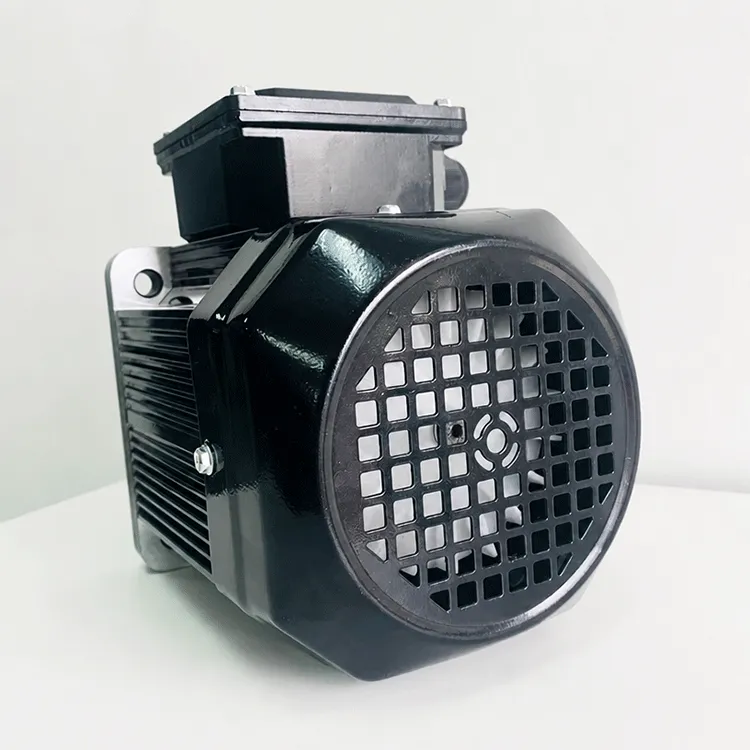
Purchase price is usually 1 to 3 percent of lifecycle cost in continuous duty, so it barely moves the total. A PMSM vs Induction Motor Cost comparison that stops at the invoice ignores the energy that dominates the remaining 97 percent. The cheaper motor often costs more across ten years once electricity, maintenance, and downtime enter the model, which is why the tender must score running cost too.
Break-even commonly falls between one and three years for continuously running loads above roughly 30 kW. A PMSM vs Induction Motor Cost model at 6,000 hours a year with an 11 percent efficiency gap often recovers a few-hundred-dollar premium inside the first year. The exact point depends on tariff, run hours, and discount rate, so build the model from the real duty rather than a rule of thumb.
IEC 60034-30-1 defines the IE efficiency classes used in the comparison, while IEEE 112 gives a recognized test method for the declared losses. A PMSM vs Induction Motor Cost bid should cite both and attach measured data, because the class letter alone hides the actual watt saving. ISO 50001 also frames the purchase as part of a site energy-management system worth documenting.
Yes, because an inefficient induction motor runs hotter and ages bearings and insulation faster, adding hidden service load. A PMSM vs Induction Motor Cost view that excludes maintenance understates the gap, especially over a ten-year life. Synchronous machines typically run cooler and quieter, which trims the care line, though the dominant saving remains the energy, not the service interval.
Require declared loss figures, the test standard, and a ten-year energy estimate at the stated duty as mandatory bid conditions. A PMSM vs Induction Motor Cost bid without measured data should lose points, because the saving is the whole reason to pay more. Keep an acceptance test in the contract so the delivered unit is verified against the sample before final payment is released.
Strongly, because the energy share of lifecycle cost grows with run hours. A PMSM vs Induction Motor Cost comparison on a machine running 2,000 hours a year may favor the cheaper induction unit, while the same pair at 8,000 hours almost always favors the permanent-magnet motor. Match the duty profile to the model, and never compare the two options at different assumed hours.


 EN