
why-should-factories-focus-on-fulllifecycle-cost-in-pmsm-vs-induction-motor-cost-evaluation, why-should-factories-focus-on-fulllifecycle-cost-in-pmsm-vs-induction-motor-cost-evaluation, /blog
EN

2026/09/11
A water utility issued a pump-motor tender and scored bids by upfront price. The lowest offer was an IE3 induction machine, and it won. A year later the energy team ran the numbers and found the cheaper unit would cost more over its service life. The PMSM vs induction motor cost question had been answered by the wrong metric. A proper lifecycle view would have flipped the ranking before a single unit shipped, and the fleet would have run cleaner from day one.
Motors consume energy for ten to twenty years, and that electricity dwarfs the purchase price many times over. The IE3 unit's rotor loss added up to a five-figure sum across the fleet each year. In a PMSM vs induction motor cost study, energy usually decides the winner, not the invoice. The utility had simply never been asked to total the running cost, so the cheap bid looked like the smart one on paper.
The induction motor's rotor I²R loss is paid for by the plant every hour it runs. Across thousands of operating hours, that heat becomes a steady, invisible tax on the budget. A PMSM vs induction motor cost comparison that ignores duty hours misses the largest line item. The saving on the quote was borrowed against years of extra power, and the interest arrived as a higher electricity bill.
The full cost has several parts, and only one of them sits on the purchase order, which is exactly why the invoice is such a poor guide to the truth.
IEC 60034-30-1 efficiency classes rank IE4 and IE5 far above IE2 or IE3, and the gap shows on the meter. In a PMSM vs induction motor cost model, the PMSM's lack of rotor loss saves energy every operating hour. ISO 50001 encourages exactly this kind of lifecycle thinking for energy-intensive equipment. Fewer wearing parts and no rotor winding also mean lower service load, so a PMSM vs induction motor cost tally should credit both the energy and the maintenance hours saved across the asset's life.
The PMSM carries a higher purchase tag and dearer magnets, while the induction unit is cheap to buy and simple to scrap. The review should still credit the PMSM's longer efficient life and resale of copper. End-of-life value is small but not zero, and honest accounting includes it. The gap at purchase is the most visible, not the most important, number, and it shrinks as the operating hours climb.
Buying on the invoice alone hides the costs that arrive later, and those costs are the ones that actually fill the budget spreadsheet over time.
An induction motor's efficiency falls as load drops, exactly where many plants operate. In a PMSM vs induction motor cost analysis, that part-load penalty compounds across every low-load hour. The nameplate peak hides the real average, and the bill reflects the average, not the brochure. A motor running a few hundred hours a year barely justifies a premium; one running continuously does, so a PMSM vs induction motor cost verdict depends on annual operating hours more than on either nameplate.
The fix is a disciplined comparison before the order, not regret after the unit is bolted down and drawing power.
List purchase price, expected annual energy from the load profile, maintenance hours, and downtime cost, then total over the service life. A PMSM vs induction motor cost spreadsheet makes the trade visible to every reviewer. IEC 61800-9-2 offers loss figures that feed the energy term directly. The PMSM wins where duty is high, efficiency class matters, and energy is pricey; the induction unit still wins for short, light, or intermittent service where the premium cannot amortize within the service life.
A PMSM vs induction motor cost study also exposes the hidden cost of downtime, because the efficient machine's fewer failures protect output that an energy-only model ignores. A stalled line costs far more than the bearing that would have prevented it. Including reliability in the total gives the efficient choice extra credit that the simple quote never shows on the page.
A PMSM vs induction motor cost comparison should be revisited when energy prices move, because the payback shortens as electricity gets dearer. A model built during cheap power may understate the case for efficiency once the tariff rises. Keeping the spreadsheet live turns a one-time decision into an ongoing discipline that tracks the market.
A PMSM vs induction motor cost verdict also shifts with the motor's duty, so the same two machines can be right or wrong depending on where they sit. Specifying the efficient unit for the workhorse and the simple one for the occasional drive is the honest middle path. Match the machine to the hours, and the total cost takes care of itself.
A PMSM vs induction motor cost review is easiest to win when the data already exists, so logging energy per motor from the start builds the case before the next tender. A plant that measures its own load profile needs no vendor to tell it which way to lean. The discipline of measurement is what makes the efficient choice obvious rather than arguable during budget season.
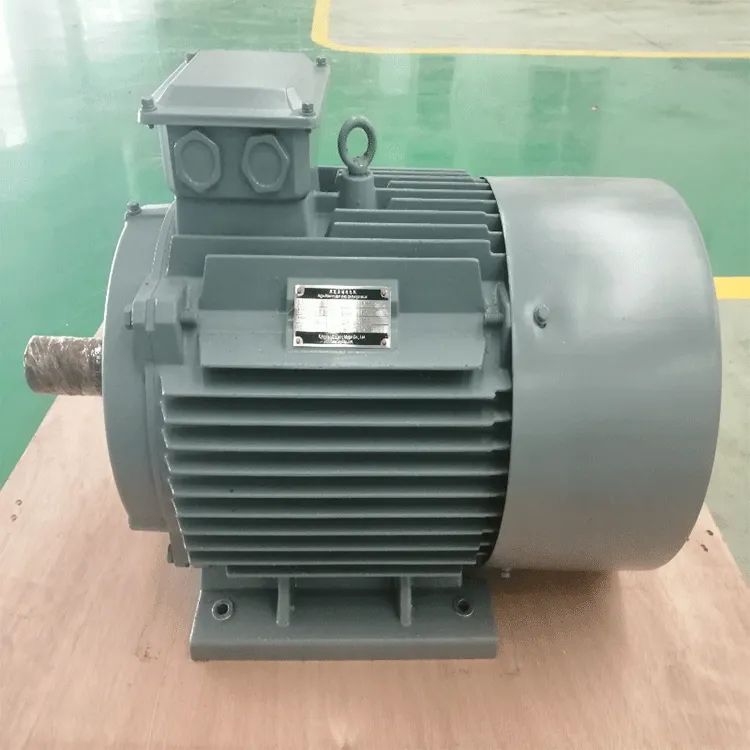
Purchase price is a fraction of what the motor costs over its life, because energy paid for ten to twenty years dwarfs the invoice. A PMSM vs induction motor cost view that stops at the quote ignores the largest line item. The cheap unit often becomes the expensive one through steady power use. Total the running cost before the order, not after the fleet is already installed and drawing.
In most industrial motors, energy is the majority of lifecycle cost, frequently exceeding the purchase price several times over. The PMSM's rotor-loss saving compounds every operating hour in the lifecycle model. The exact share depends on run time and electricity price. High-duty sites feel the energy term most acutely, which is where the efficient choice pays fastest and the premium disappears quickest.
Payback follows annual operating hours and local energy price more than the nameplate. A PMSM vs induction motor cost study on a continuous-duty pump often shows recovery in well under three years. Light or intermittent duty stretches that to many years or never. Match the decision to real run time, because the duty profile decides the verdict more than any efficiency number on paper.
The PMSM has no rotor winding and fewer wearing parts, so planned service and unplanned stops both tend to drop. A PMSM vs induction motor cost tally should credit those saved hours and the output they protect. The induction unit is simpler to scrap but costlier to keep running hard. Reliability is part of the true cost, not a side note buried in the fine print.
IEC 60034-30-1 ranks efficiency classes that feed the energy term, and IEC 61800-9-2 gives loss data for the model. ISO 50001 promotes exactly this lifecycle view for energy equipment. A PMSM vs induction motor cost comparison built on those figures is defensible to auditors. Standards turn opinion into a repeatable calc that survives a budget review and a change of managers.
Yes, for short, light, or infrequent duty where the PMSM premium cannot amortize within the service life. A PMSM vs induction motor cost call still favors the simple machine when run time is low and energy cheap. Specify the efficient motor for workhorses, the basic one for occasional drives. The right answer follows the actual operating profile, not a blanket preference for the newest technology.


 EN