
why-sitespace-constraint-is-one-important-factor-affecting-retrofit-induction-to-pmsm-renovation-scheme-design, why-sitespace-constraint-is-one-important-factor-affecting-retrofit-induction-to-pmsm-renovation-scheme-design, /blog
EN

2026/09/29
A metro line in a dense city needed to upgrade the induction motors on its tunnel ventilation fans, but the motor room left less than two meters of clear space on three sides. The maintenance lead confirmed that a standard induction machine with its coupling and base frame would not fit without removing a supporting wall. A second case came from a ship's engine room, where every centimeter of deck space carries a safety margin and the original motor sat in a recess that no off-the-shelf replacement could occupy. A Retrofit Induction to PMSM study at both sites began with a tape measure, not a catalogue, because the available envelope decided the motor shape before the power rating did. In each project the team photographed the bay, recorded the hook height, and mapped the cable entry before any quote went out. The lesson held across both sites: when the room is tight, the footprint is the first design constraint, and the kilowatt rating is the second.
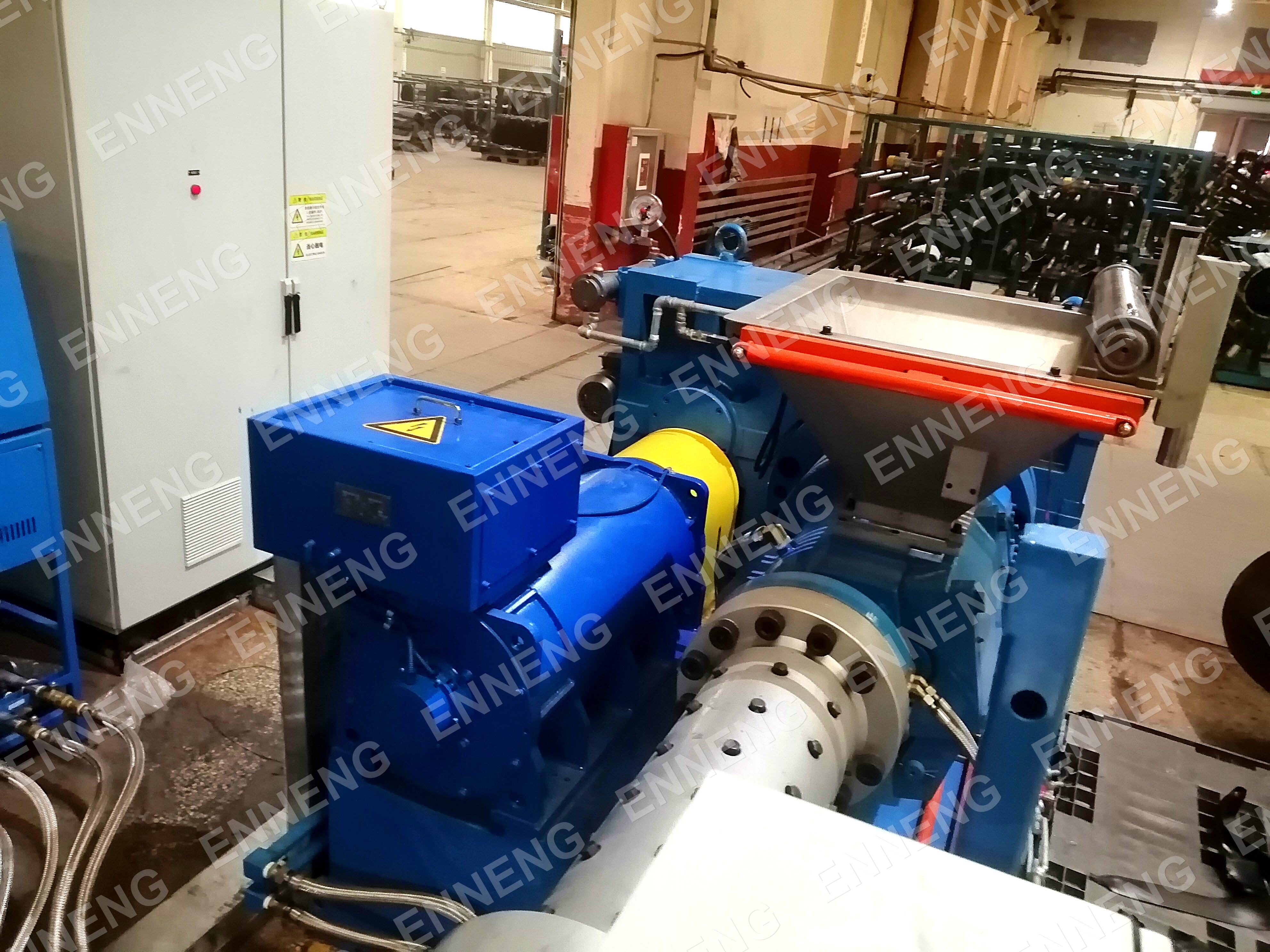
The fastest way to fail a compact retrofit is to specify a motor that physically cannot sit in the bay, then discover the clash during a planned shutdown. A tight envelope also traps heat, because airflow drops when a frame fills the only gap, and a motor that runs hot loses insulation life within a season. ENNENG answers this with a low-speed direct-drive permanent-magnet design that removes the gearbox and shortens the axial length, so the Retrofit Induction to PMSM package occupies the same footprint the old machine left behind. The risk falls once the new unit is drawn to the actual bay dimensions instead of a standard frame chart. A second risk is schedule slip: a wrong-frame discovery turns a weekend change-out into a structural steel job that stops the line for weeks. The Retrofit Induction to PMSM plan that measures first avoids both failures, because the drawing already proves the fit before the old motor leaves its seat.
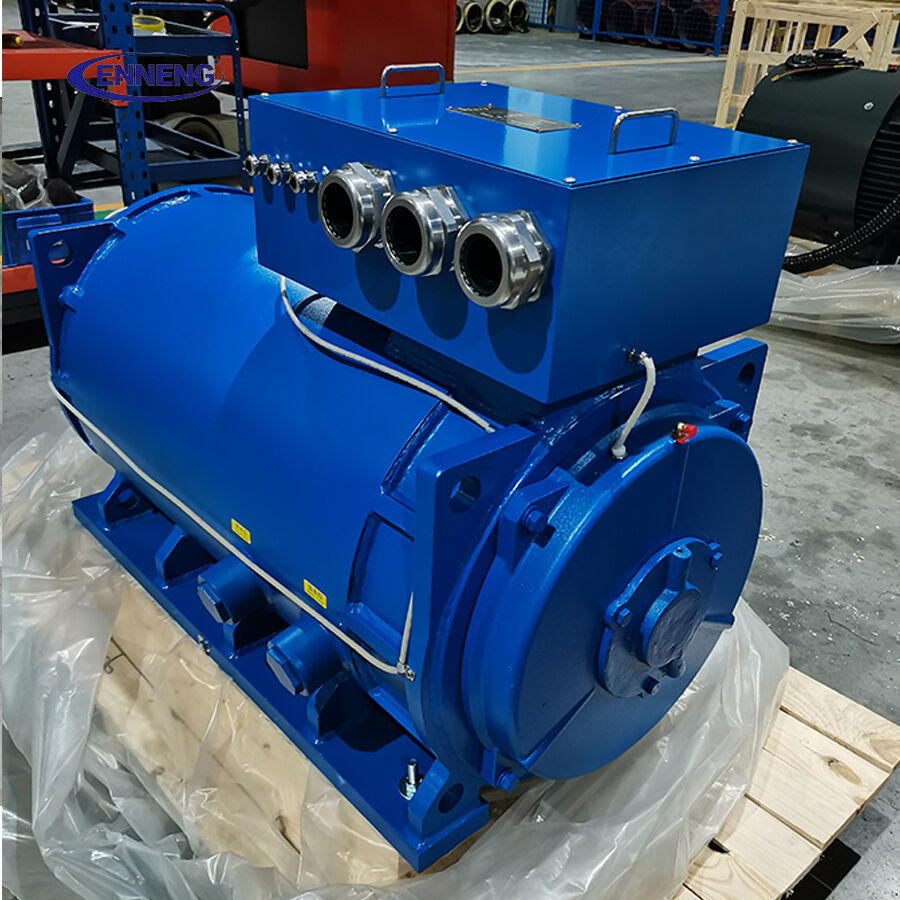
A Retrofit Induction to PMSM conversion wins on space because the permanent-magnet rotor makes torque at low speed without a speed-increasing gear. ENNENG TYB-series units rated from 0.55 kW to 2500 kW with IP55 enclosure deliver the same shaft power in a frame near 65 percent of the induction size at equal kilowatts. In a documented subway case, the direct-drive unit dropped the installed length by almost 40 percent against the geared alternative, which freed the clearance needed for a service walkway. The Retrofit Induction to PMSM advantage shows most in rooms where the old machine already touched the wall. The magnetic field sits at the shaft, so the machine has no separate exciter, no slip ring, and no coupling guard to allocate space for. A Retrofit Induction to PMSM layout also loses less heat into the room, because the gearbox oil loss disappears and the ventilation path stays open.
|
Factor |
Geared induction retrofit |
ENNENG direct-drive PMSM |
|
Installed axial length |
100 percent |
about 60 percent |
|
Gearbox in bay |
yes |
none |
|
Frame size at same kW |
100 percent |
about 65 percent |
|
Heat removal path |
constrained |
open, short |
|
Service clearance |
poor |
restored |
The same direct-drive layout also removes the coupling guard and the alignment jig, so the Retrofit Induction to PMSM change-out needs less toolbox space on a crowded deck. A low-speed permanent-magnet rotor reaches rated torque without a multiplier, which is why the shorter machine still meets the fan curve. A Retrofit Induction to PMSM team should photograph the bay before removal, because the picture settles every dispute about what fits. Sites that map the envelope before ordering usually avoid the costly fix of cutting structural steel on a live line. The saved clearance also shortens the lift path, which matters when the overhead hook sits close to the ceiling and a long machine simply cannot be lowered in.
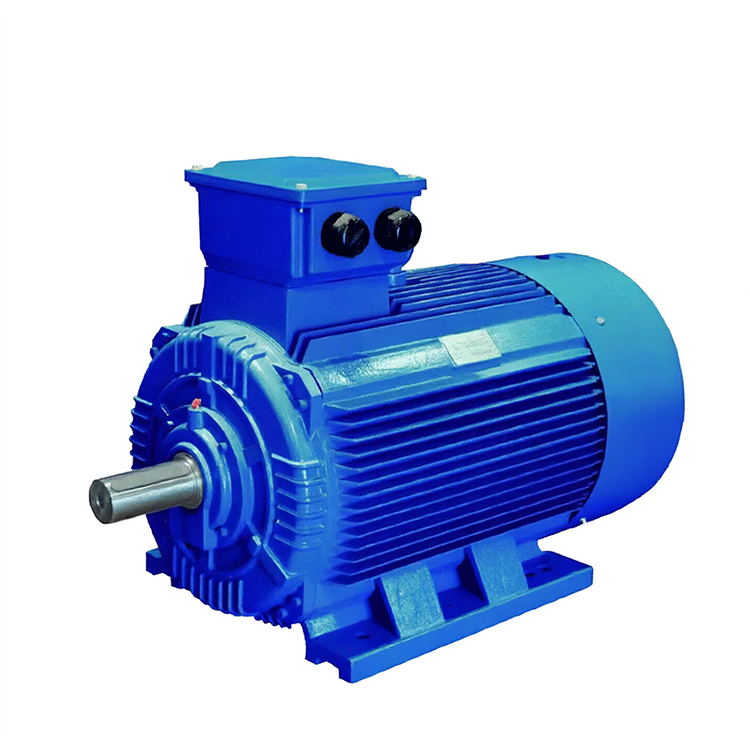
Standards support a space-first approach. IEC 60034-1 sets the dimensional and performance basis that lets a Retrofit Induction to PMSM unit be drawn against the old footprint. IEC 60034-30-1 defines the IE efficiency classes the new machine should meet, so the smaller frame still carries the performance claim. ISO 10816 gives vibration limits that matter more in a tight bay, where a small imbalance shakes the whole enclosure. OSHA 29 CFR 1910.307 covers the locked-out change-out, so the confined space gets a safe plan before the old motor leaves its seat. ISO 50001 asks the saving to rest on measured data, which a footprint study supplies from the first survey. A Retrofit Induction to PMSM file that cites these references passes the plant safety and finance review without a second round of questions.
Begin a Retrofit Induction to PMSM plan with a dimension survey: record the bay length, the wall clearance on each side, the overhead hook height, and the cable entry point. Match the ENNENG frame to those numbers, not to the nameplate, and keep 150 millimeters of clearance for ventilation and a hand. Verify the shaft height and flange pattern against the driven machine, because a direct-drive unit changes both. A Retrofit Induction to PMSM quote should list the hook height, because a low hook blocks the lift on a crowded deck. During commissioning, check vibration against ISO 10816 and re-torque the foundation bolts after the first 200 hours. Keep the dimension file with the duty log, because the next Retrofit Induction to PMSM phase on a sister line will reuse the same envelope data. Ask ENNENG for the frame drawing before the bay is stripped, so the fit is confirmed on paper rather than on the shutdown weekend.
A Retrofit Induction to PMSM project lives or dies on the first measurement, so share the bay drawing with the engineering team before ordering. ENNENG returns a framed proposal that fits the actual space instead of a standard catalogue line.
A: Yes, a Retrofit Induction to PMSM unit fits most existing bays because the direct-drive permanent-magnet design removes the gearbox and shortens the machine. ENNENG draws the new frame to the measured bay dimensions, not a standard chart, so the installed length often drops near 40 percent against a geared option. The saved space restores the service clearance that a tight room had lost.
A: No, a Retrofit Induction to PMSM direct-drive unit runs at the low speed the fan already requires, because the permanent-magnet rotor makes full torque without a speed multiplier. ENNENG sizes the pole count to the duty, so the shaft turns at the original revolutions and the curve stays unchanged. The removal only deletes the loss and the oil, not the speed.
A: A site should record bay length, side-wall clearance, overhead hook height, shaft height, flange pattern, and cable entry before quoting a Retrofit Induction to PMSM job. ENNENG uses those numbers to draw the frame, so the proposal fits without cutting steel. The ventilation gap and the hand clearance matter as much as the footprint, because a crowded bay traps heat.


 EN