
 EN

When a plant replaces a motor, the purchase order usually begins with a unit-price comparison. That is understandable, but it is incomplete. A useful PMSM vs Induction Motor Cost comparison asks what the drive will cost to own over its actual duty cycle: electricity, controls, installation work, planned service, production exposure, and the work needed to make the new motor fit the existing machine.
From a procurement standpoint, neither technology wins in every situation. An induction motor can be the sensible choice for a lightly used, fixed-speed asset with a tight initial budget. A permanent magnet synchronous motor (PMSM) can justify a higher starting cost when hours are high, load varies, energy is expensive, or a process benefits from speed control. The difference becomes clearer when the numbers are organized as total cost of ownership (TCO).
Start a PMSM vs Induction Motor Cost comparison with the operating profile
Before collecting quotations, document what the existing motor actually does. Record rated power, measured or estimated load, annual running hours, speed profile, starts and stops, electricity tariff, ambient conditions, and how disruptive an unplanned stop would be. A nameplate-only comparison often misses the most important fact: many pumps, fans, compressors, and conveyors operate away from rated load for much of the year.
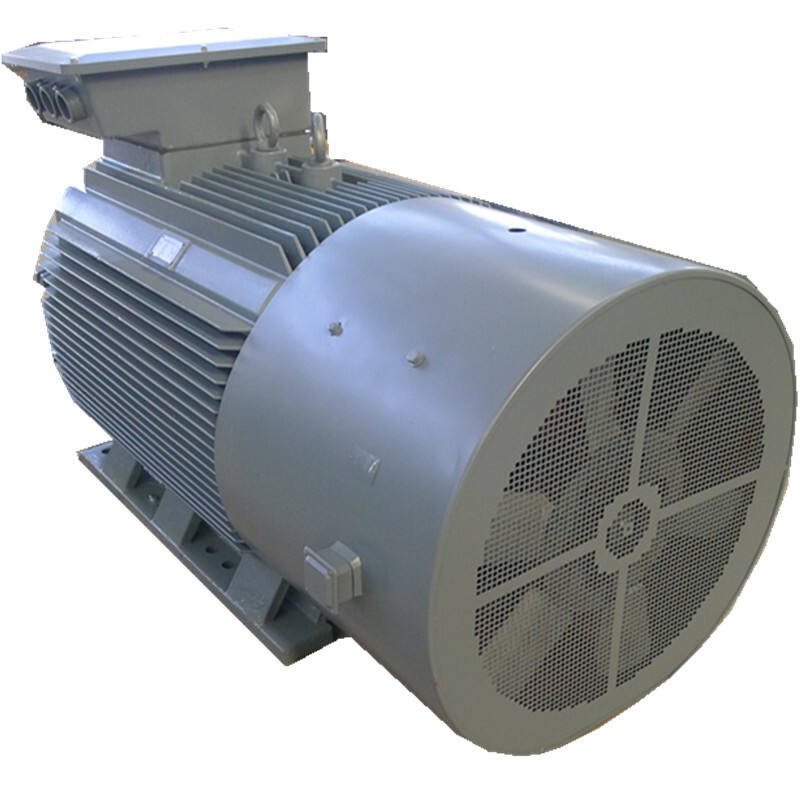
The U.S. Department of Energy treats motor systems as an energy-management opportunity, which is a useful reminder that the motor is part of a system rather than an isolated component. For a PMSM vs Induction Motor Cost decision, use measured kW where possible. If measurements are unavailable, state the assumptions plainly and test the result against high- and low-load cases instead of presenting a single savings figure as assured.
Build the TCO model in five cost buckets
- Acquisition: motor price, freight, spares, taxes, and any price volatility associated with magnet materials.
- Drive and controls: a PMSM generally needs a drive with appropriate PMSM control capability. Include a VFD, programming, protection settings, panel changes, and any harmonic or cooling provisions required by the system.
- Mechanical integration: include frame size, shaft, flange, base, coupling, guards, alignment, cable routing, and adapter fabrication. These are central costs in a Retrofit Induction to PMSM project.
- Energy: annual energy cost equals measured or estimated input kW multiplied by annual hours and the applicable electricity price. Compare both technologies at the same duty points, not only at an identical rated-load point.
- Reliability and downtime: include scheduled service labor, access equipment, spare availability, lost output, restart time, and the consequence of a failed drive or motor.
That list changes the tone of a PMSM vs Induction Motor Cost review. The cheaper motor is not necessarily the lower-cost asset, while a premium motor is not automatically economical if it introduces integration expense that the operating schedule cannot recover.
Use energy cost carefully, especially at partial load
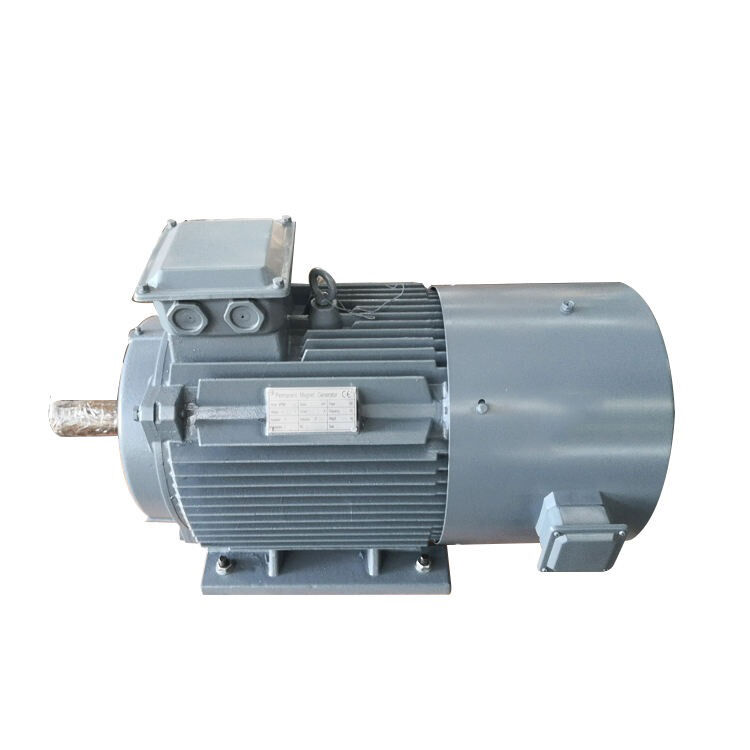
PMSMs are often evaluated because they can be efficient over a broad speed range when paired with a suitable VFD. That may matter greatly for variable-duty equipment, but the claim needs application evidence. Ask for efficiency curves or test data at the speeds and torque points the process uses. Then compare total input power, including the drive where relevant.
For a transparent PMSM vs Induction Motor Cost calculation, set out the formula: annual energy cost = input power (kW) × operating hours × electricity rate. Run at least three cases: expected operation, a low-utilization case, and a high-hour case. The result helps finance and engineering see whether a small efficiency difference has enough operating time to matter.
Efficiency class also deserves context. IEC 60034-30-1 provides an efficiency-class framework across motor technologies; local regulations and motor scope still need to be checked. Do not infer compliance from a technology name. Request the exact rating, test basis, and documentation for the motor under consideration.
Price the retrofit, not just the motor
A Retrofit Induction to PMSM program can be attractive, but it should begin with a site survey. Confirm mounting dimensions, shaft and coupling compatibility, load inertia, encoder needs, enclosure and cooling requirements, cable condition, and VFD control compatibility. A PMSM may need a drive with the right control algorithm; an existing VFD should not be assumed suitable without verification.
Also decide when work can be performed. If installation occurs during a planned shutdown, labor and lost-production exposure may be modest. If it requires a separate outage, that cost can dominate the TCO. This is why the final PMSM vs Induction Motor Cost decision should be owned jointly by operations, maintenance, controls engineering, and procurement.
When induction motors can still be the better economic decision
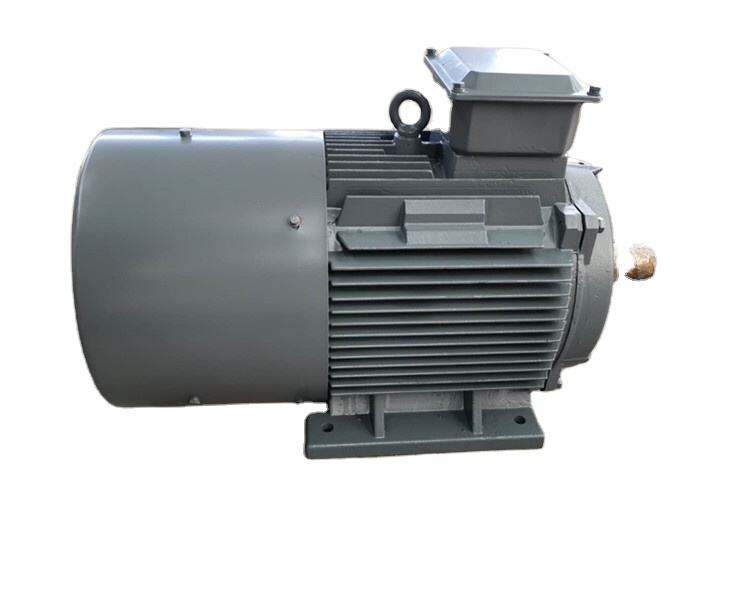
Induction motors remain practical when the asset runs infrequently, speed is fixed, energy savings are too small to recover the premium, existing controls are not economical to change, or standardization and immediate local replacement are the highest priorities. They can also reduce project risk when a like-for-like replacement is needed quickly and the mechanical and electrical interfaces are already proven.
The purpose of a PMSM vs Induction Motor Cost analysis is not to eliminate induction motors. It is to prevent an initial-price decision from masking costs that arise later—or to prevent an efficiency-led proposal from overlooking controls, fit-up, and downtime.
Make the final decision on lifecycle evidence
A disciplined PMSM vs Induction Motor Cost comparison makes trade-offs visible. PMSM economics are often strongest in long-running, variable-load applications where verified energy performance can outweigh the premium and integration has been planned. Induction motors can remain the better choice where utilization is low or a simple, proven replacement controls risk. In either case, a TCO worksheet built from site data is more credible than a headline efficiency percentage or an equipment quote alone.

