
what-common-installationrelated-faults-may-occur-for-textile-machinery-pm-motor-in-textile-workshops, what-common-installationrelated-faults-may-occur-for-textile-machinery-pm-motor-in-textile-workshops, /blog
EN

2026/09/20
A textile workshop packs many drives into a humid, lint-rich room, and a Textile Machinery PM Motor from ENNENG rarely fails because of the magnetic design. It usually fails because of how it was set down and aligned. The permanent-magnet rotor spins without slip, so a mounting error appears at once as heat, noise, or a converter trip. ENNENG treats installation quality as the factor that decides whether the machine stays quiet for years or lives in the fault log.
A ring-spinning spindle drive can trip on the first shift when the installer uses a straightedge instead of a laser aligner, because a Textile Machinery PM Motor runs without slip and a small coupling offset becomes bearing heat the converter sees as a fault. ENNENG specifies IP55 with a protected fan and Class F insulation on its TYB series for lint-heavy rooms, with laser alignment to ISO 10816 zone A or B as the acceptance checkpoint.
A Textile Machinery PM Motor rated only IP54 above a carding machine lets fine fibre pack the cooling fins and encoder gap until winding temperature climbs. ENNENG specifies at least IP55 with a protected fan and Class F insulation for that position. ENNENG's TYT series was documented at Shandong Gold Group's flotation line with this same IP55 and Class F rating plus an independent external fan, proving the specification in harsh service.
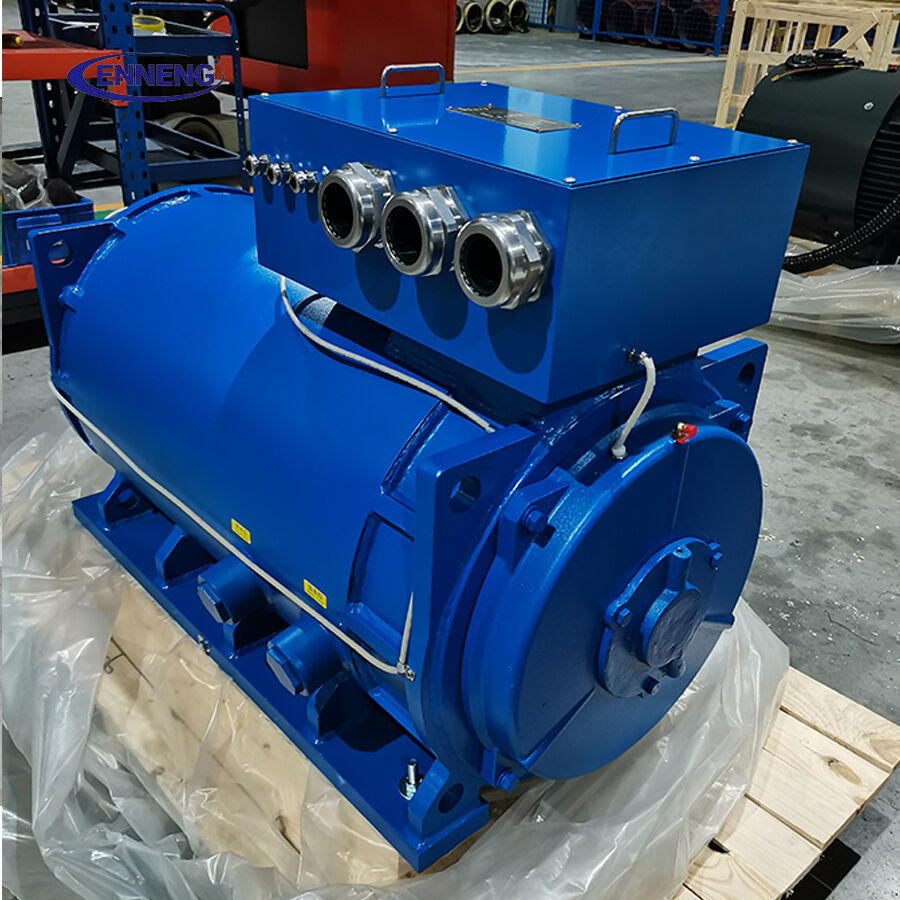
The faults above share a clear pattern: the machine itself is sound, but the installation breaks the assumptions the design depends on. A Textile Machinery PM Motor controls torque through rotor position, so signal integrity and mechanical alignment matter more than with a loosely coupled motor.
A frequent mistake is running the encoder cable in the same tray as the power cable, or grounding the shield at both ends. The Textile Machinery PM Motor then reads position jitter, the converter injects correction current, and the shaft oscillates at low speed where the loom feeder is most sensitive. Proper installation separates the encoder pair, grounds the shield at one point, and bonds the frame to the machine earth.
Mounting a Textile Machinery PM Motor too close to a wall or inside a sealed cabinet removes the air the winding needs. Magnet temperature then rises and torque falls in warm rooms. ENNENG's cure is simple spacing and a verified airflow path with the inlet cleared of loose fibre by a screen, and a separately driven fan or higher insulation class prevents the slow loss of performance.
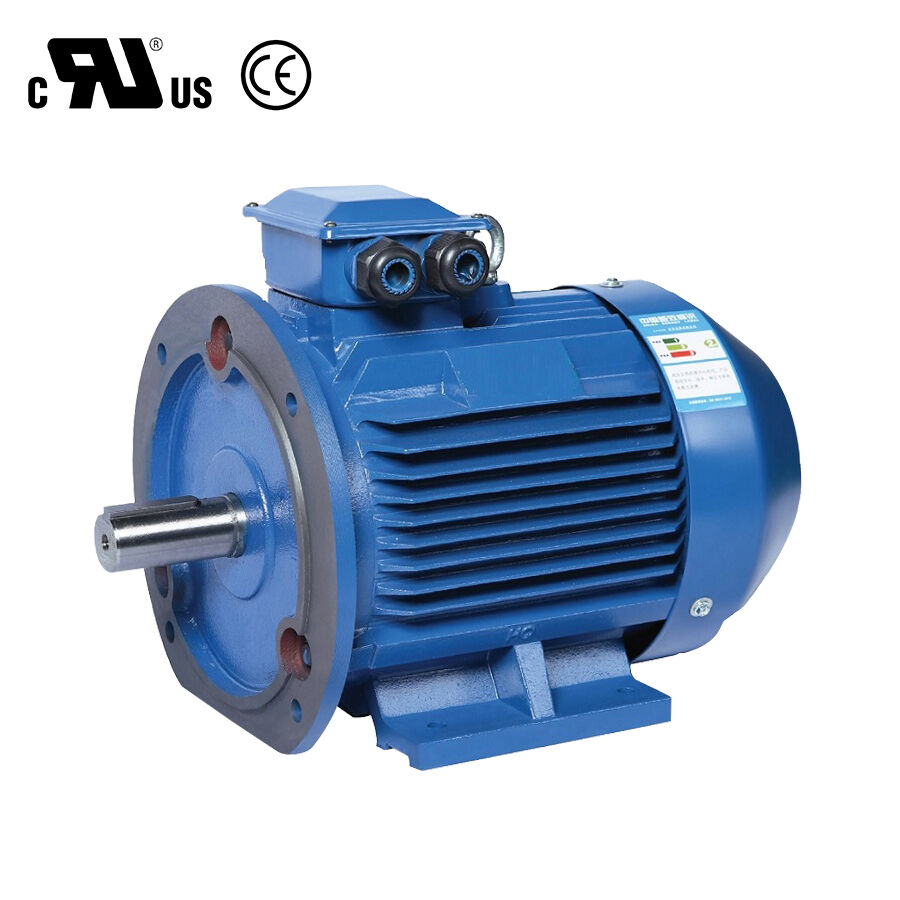
International rules turn these lessons into fixed checkpoints, so an installation is judged on measurement rather than opinion. A Textile Machinery PM Motor should be accepted against the same references used for any rotating electrical machine.
ISO 10816 sets vibration zones for machines based on power and mounting, and a Textile Machinery PM Motor should be measured in place after alignment with a portable analyzer. A reading inside zone A or B confirms the shaft and base are sound; a reading in zone C points to residual misalignment or a soft foot that must be shimmed.
IEC 60034-1 covers rating and performance of rotating machines, so a Textile Machinery PM Motor must meet its declared insulation, temperature rise, and terminal marking during the check. IEC 60034-30-1 defines the IE efficiency classes, which matter when a Textile Machinery PM Motor is chosen for an IE4 or IE5 target. ISO 12100 governs machinery safety risk assessment. Together these standards give the installation a documented pass or fail that survives an internal audit.
The permanent-magnet rotor also reshapes the loss account. Both
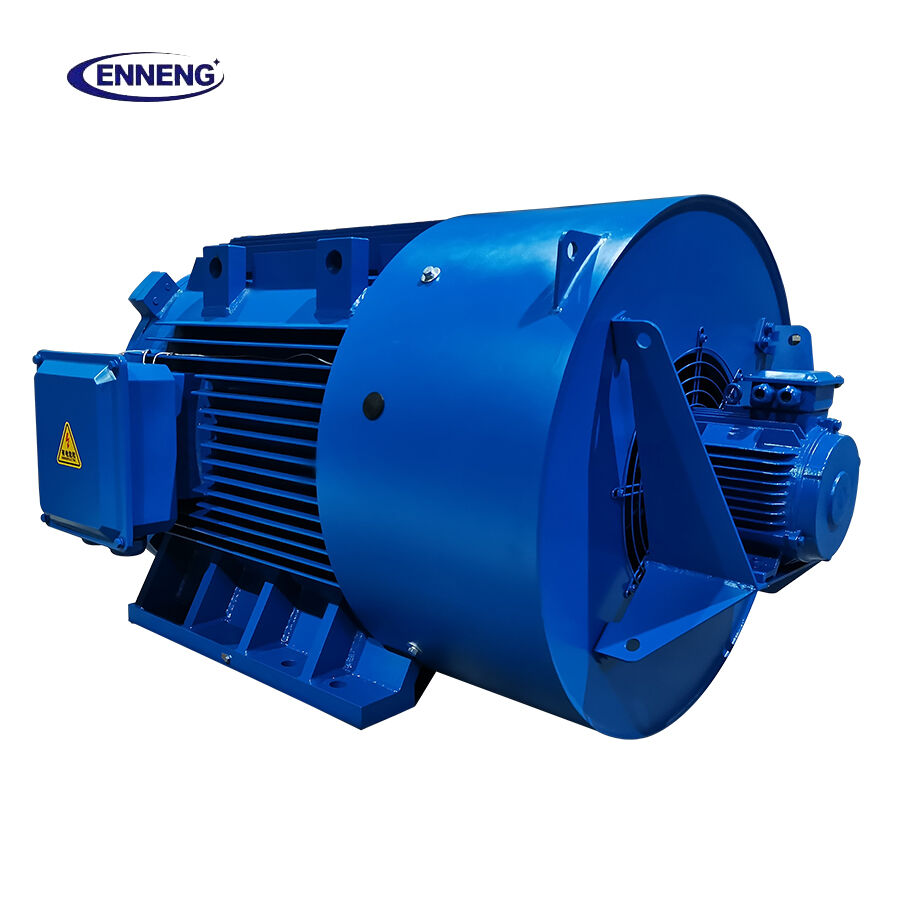
The simplest fix is done before commissioning. A Textile Machinery PM Motor rewards careful setup with years of stable running, while a rushed mount spends its life in the fault log.
Select a Textile Machinery PM Motor with the IP rating the room demands and a frame sized for the duty, then match the converter to the magnet. The drive must carry the correct pole count, rated flux, and current limit, and field-weakening must stay within the magnet's safe speed so the torque does not collapse at the top of the range. ENNENG publishes IE4 and IE5 test data and supplies ENNENG Permanent Magnet Motor (PMSM) that help confirm the rated class against IEC 60034-30-1. A fifteen-minute load test, with vibration and temperature logged, confirms the unit before production relies on it.
A monthly check should clear the fins, inspect the encoder gap, and re-torque the foundation bolts on the PM unit. Earth continuity and shield grounding are verified each quarter, because a loose bond reintroduces the noise faults described earlier. The motor survives longest where the workshop treats cleaning and alignment as scheduled work, not as a response to the next stoppage.
Talk to ENNENG About Textile PM Motor Installation
A permanent-magnet motor earns its rating only when installed to spec. ENNENG supplies ENNENG Permanent Magnet Motor (PMSM) units built to ISO 9001 and CE for textile workshops in more than 20 countries.
A: Most early trips come from alignment and cooling, not from the magnet. A Textile Machinery PM Motor runs without slip, so a small coupling offset becomes bearing heat and over-current that the converter sees as a fault. Lint on the fins raises winding temperature until thermal protection acts. Laser alignment, adequate clearance, and the right IP rating remove the usual causes before the drive is trusted with production.
A: Running the encoder cable next to the power cable, or grounding the shield at both ends, injects noise into the position signal. The converter then corrects a fault that does not exist, and the shaft oscillates at low speed where textile feeders are most sensitive. Keeping the encoder pair separate, grounding the shield at one point, and bonding the frame to a clean earth removes the jitter and restores stable speed control without changing the motor itself.
A: Fine fibre dust from carding and opening machines packs cooling fins and encoder gaps quickly, so an IP54 frame is usually too weak for that location. IP55 with a protected fan, or a blower-fed enclosure drawing filtered room air, keeps lint away from the winding. The right choice depends on how close the motor sits to the dust source and whether the room air is already filtered before it reaches the machine.
A: ISO 10816 gives vibration zones for rotating machines by power and mounting, and the motor should be measured in place after alignment. A reading in zone A or B shows the shaft and base are sound, while zone C signals residual misalignment or a soft foot that needs shimming. Using the vibration value as an acceptance check catches most mechanical faults early and gives maintenance a baseline for later comparison during service.
A: The drive must match the magnet's pole count, rated flux, and current limit, and field-weakening must stay inside the safe speed so torque does not collapse at the top of the range. A short load test with vibration and temperature logged confirms the setting before production depends on it. Reviewing converter parameters only after a measured change in load avoids the guesswork that causes most avoidable stops in textile workshops.
A: A monthly check clears the cooling fins, inspects the encoder gap, and re-torques the foundation bolts. Earth continuity and shield grounding are verified each quarter, because a loose bond reintroduces noise faults. Keeping the inlet screen brushed and the frame clean lets the motor shed heat as designed. Treating cleaning and alignment as scheduled work, rather than a reaction to each stoppage, gives the longest stable service from the installed machine.


 EN