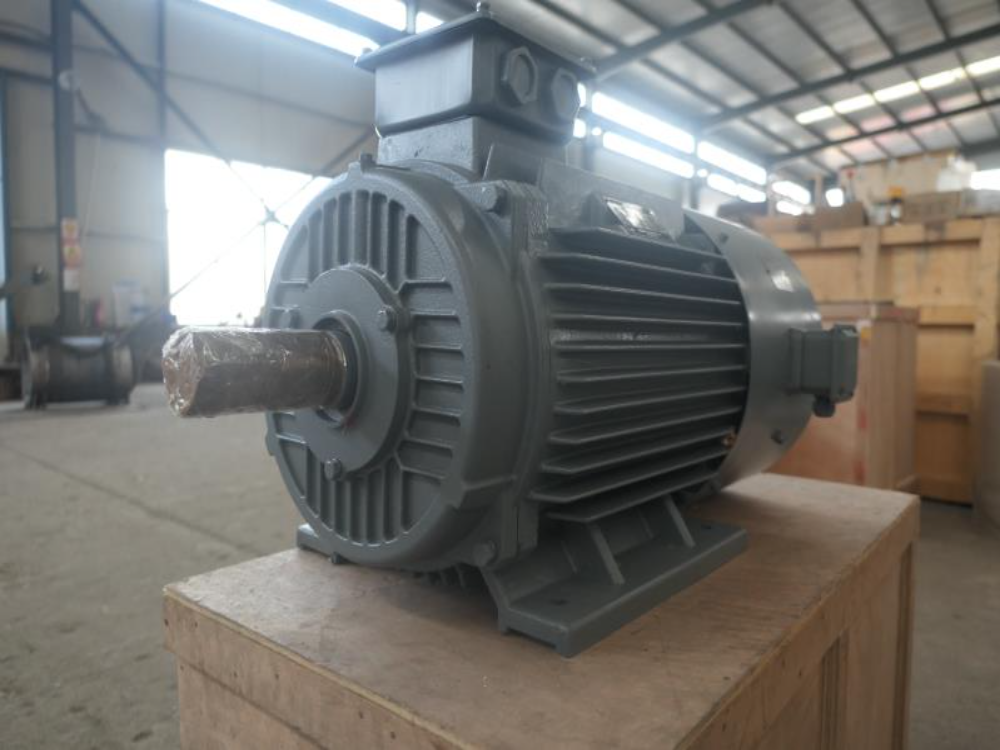
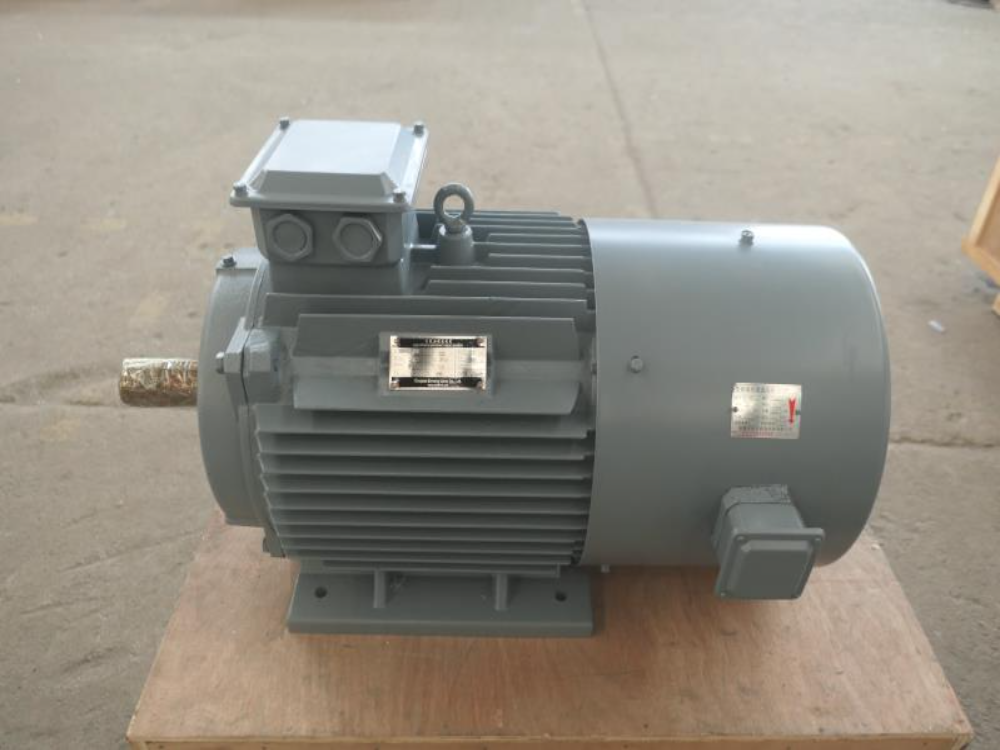
ENNENG completed a custom-built 12kW permanent magnet generator rated at 300rpm for a customer in the United Kingdom. The unit was engineered as a low-speed, direct-drive generator, a configuration commonly required for small-scale hydro and wind energy installations where the prime mover a water turbine or wind rotor operates well below the speed range typical of standard induction generators.
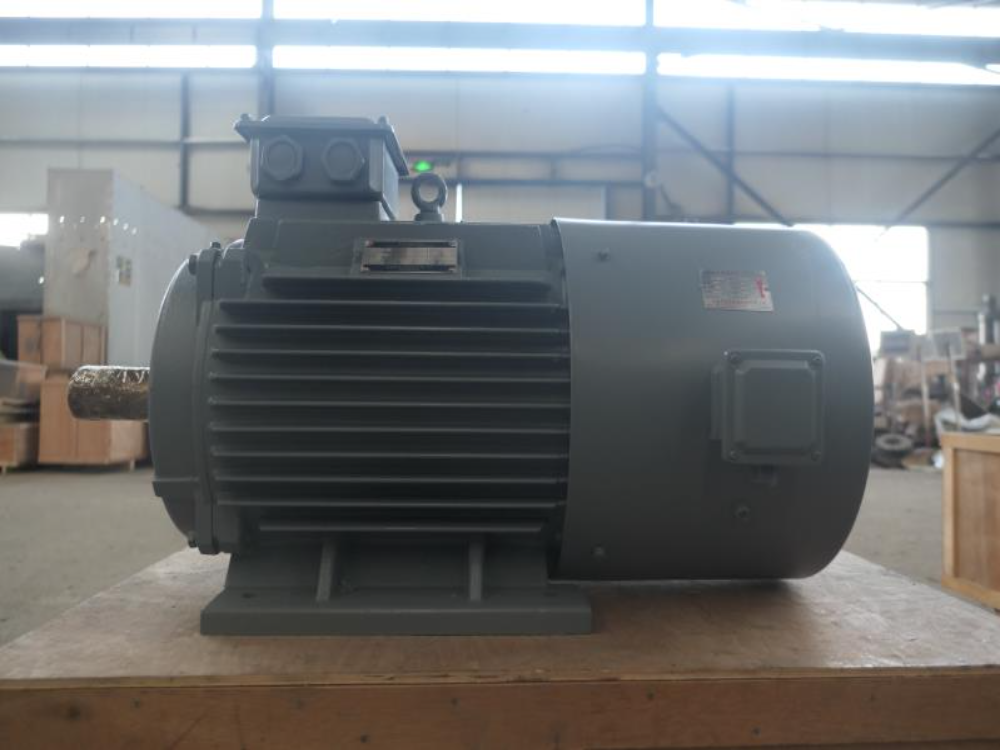
The finished unit uses a cast-iron frame construction with a foot-mounted base, a sealed terminal box, and a single-end output shaft, consistent with a horizontal installation intended for direct coupling to a turbine shaft rather than through a step-up gearbox.
Why Low-Speed Generator Design Matters
The Gearbox Problem in Renewable Energy Systems
Many small hydro and wind systems rely on a gearbox to step up the low rotational speed of the turbine to match the operating speed of a standard generator. While functional, this arrangement introduces several long-term issues: gear wear, lubrication requirements, additional noise, and a mechanical failure point that increases maintenance visits, particularly in remote or hard-to-access installation sites typical of distributed renewable energy projects.
Matching Generator Speed to the Prime Mover
A permanent magnet generator can be designed to operate efficiently at the same rotational speed as the turbine itself. This is possible because the permanent magnet rotor field is always present, unlike an externally excited generator that depends on a separate excitation current and typically performs best only within a narrower speed band. Removing the gearbox from the drivetrain simplifies the mechanical system and reduces the number of components that require servicing over the equipment's operating life.
Engineering Basis: Permanent Magnet Generator Technology
Rotor and Stator Construction
ENNENG's permanent magnet machines use a stator built from silicon steel laminations with copper winding coils, paired with a rotor carrying pre-magnetised permanent magnet material, arranged in either a surface-mounted or interior configuration depending on the torque and speed requirements of the application. This structure allows the machine to generate the necessary air-gap magnetic field without external excitation current, which is the basic operating principle shared between ENNENG's permanent magnet motors and permanent magnet generators the same rotor and stator architecture, operating in reverse energy conversion mode.
Advantages Relevant to the UK Installation
For a 12kW, 300rpm unit intended for continuous outdoor or semi-outdoor renewable energy service, several design characteristics are directly relevant:
• No rotor-side electrical losses: Because the rotor field is permanent rather than induced, there is no secondary conductor loss on the rotor side, which keeps operating temperature lower than an equivalent induction-based machine under the same load.
• Bearing life: ENNENG's motors and generators use SKF or FAG bearings as standard, supporting extended service intervals under continuous-duty (S1) operation.
• Protection and insulation class: Units of this type are typically built to IP55 protection with F-class insulation as standard, suitable for the variable humidity and temperature conditions common at UK hydro and wind sites.
• Compact torque density: Because the machine is designed for direct coupling at low speed, it must produce comparatively high torque per unit volume a design requirement addressed through pole count and magnetic circuit optimisation rather than by adding external gearing.
Customisation for the UK Customer
Matching Site-Specific Speed and Power Requirements
The 12kW/300rpm rating supplied for this project reflects a specification matched to the customer's turbine characteristics rather than a standard catalogue selection. ENNENG's engineering process for custom permanent magnet generators begins with the site's mechanical input parameters rotational speed, available torque, and expected duty cycle before finalising pole count, winding design, and frame size.
Delivery Format
The generator was supplied with a standard foot-mounted (B3-style) frame and a sealed junction box, allowing straightforward integration into the customer's existing mechanical and electrical installation without requiring a custom mounting adaptor.
Partner with ENNENG
Low-speed, gearless permanent magnet generators extend well beyond a single UK project, with similar configurations used in small hydro power systems, low-wind-speed wind turbines, and diesel generator retrofits, where reducing mechanical complexity and maintenance is a priority. For system integrators and renewable energy developers evaluating generator options for distributed power projects, a custom-rated permanent magnet generator offers a direct alternative to gearbox-coupled induction generators, especially where maintenance access is limited. This 12kW, 300rpm unit supplied to a UK customer reflects ENNENG's approach of matching generator design to a project's actual mechanical input conditions, delivering a gearless, direct-coupled solution built for reliable long-term operation.
Developers and system integrators working on small hydro, wind, or other low-speed renewable energy projects are welcome to contact ENNENG's engineering team to discuss custom permanent magnet generator specifications, including power rating, speed matching, voltage output, and mechanical interface requirements for your specific turbine or prime mover.
FAQ
Q: Can ENNENG supply permanent magnet generators at custom power and speed ratings?
A: Yes, ratings are matched to the customer's turbine speed and torque requirements.
Q: Why use a low-speed generator instead of a gearbox with a standard generator?
A: It removes a mechanical failure point and reduces maintenance in the drivetrain.
Q: What bearing brands are used in ENNENG's generators?
A: SKF or FAG bearings are used as standard for extended service life.
Q: What protection rating is standard for these units?
A: IP55 protection with F-class insulation is standard for outdoor renewable energy use.
Q: Is the generator suitable for direct coupling to a turbine shaft?
A: Yes, the unit is designed for direct coupling without an intermediate gearbox.

 EN