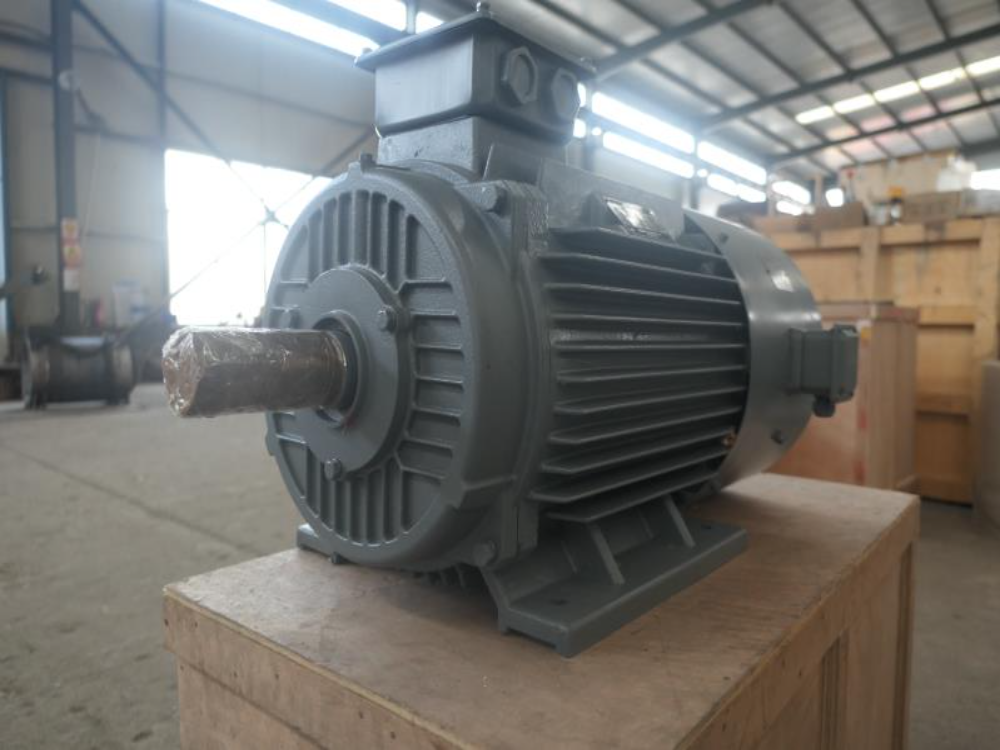
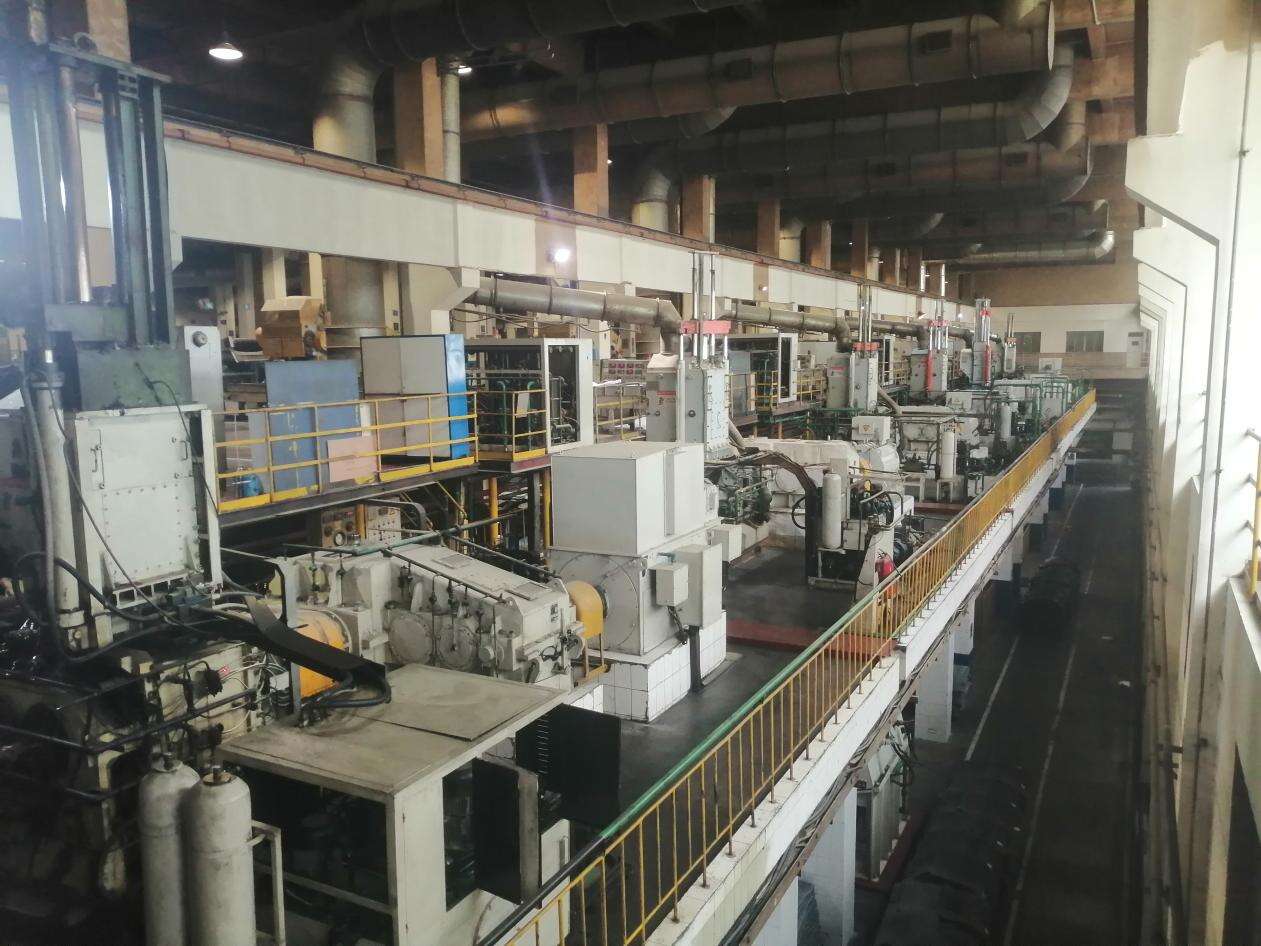
Direct-Drive Permanent Magnet Motor Technology: A 240kW Industrial Case Study
In the demanding environment of mineral processing, the ball mill stands as one of the most energy-intensive assets. These machines combine massive physical scale with extreme operational requirements: they must overcome high static breakaway torque caused by ore and steel balls settling at the bottom of the drum during idle periods while maintaining continuous, heavy-duty operation. For decades, the industry standard was a combination of a three-phase induction motor and a massive reduction gearbox. However, this legacy arrangement introduces significant mechanical losses, frequent maintenance downtime, and high long-term operating costs.
Recently, ENNENG a leading permanent magnet motor manufacturer implemented a 240kW direct-drive permanent magnet synchronous motor (PMSM) solution at a large-scale mining site in Northeast China. By replacing the conventional induction motor and reduction gearbox with a single TYDP series direct-drive unit, the facility effectively eliminated the "middleman" of mechanical transmission. This project serves as a definitive reference point for plant operators looking to optimize their energy balance through advanced permanent magnet motor technology.
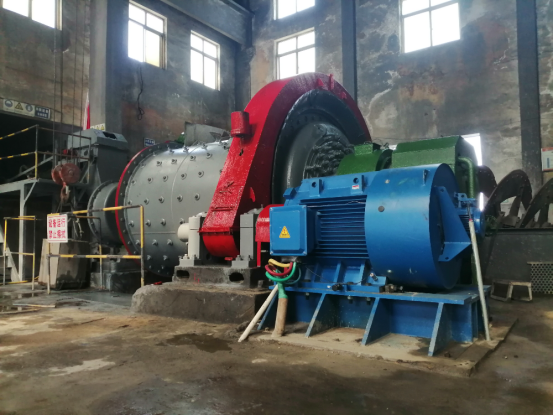
Why Direct-Drive PMSM Technology is the Future of Mining
The core challenge of traditional mill drives is the mechanical complexity required to bridge the gap between high-speed induction motors and low-speed mill rotations. ENNENG’s technical approach focuses on two primary vectors: mechanical simplification and electromagnetic superiority.
Eliminating the Gearbox: Reducing Transmission Loss
The most immediate benefit of the TYDP series is the removal of the reduction gearbox. By coupling the motor rotor directly to the mill's pinion shaft, the system removes gear meshing losses, lubrication requirements, and a primary failure point. Engineering data from ENNENG indicates that this direct-drive configuration can save approximately 30% of the energy traditionally lost in gearbox transmission. In a B2B context, where electricity represents a significant portion of OpEx, this reduction in "parasitic" energy loss is a direct boost to the bottom line.
High Starting Torque for Heavy Industrial Loads
A critical pain point for mill operators is the "heavy restart." If a ball mill stops under full load, restarting it requires a motor capable of delivering massive torque immediately. Because the magnetic field in a permanent magnet motor rotor is constant (unlike induction motors which rely on excitation current), the system can deliver starting torque between 200% and 300% of the rated torque without requiring an oversized frame. This characteristic ensures that even the most stubborn, ore-packed mills can be brought back to speed safely and efficiently.
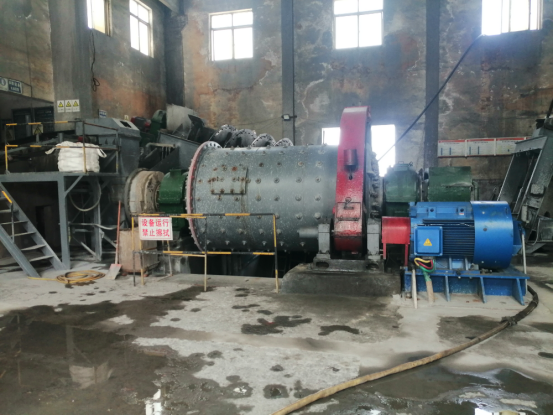
Technical Superiority and Load Curve Efficiency
One of the recognized drawbacks of induction motors is their efficiency drop-off at partial loads. In contrast, ENNENG’s permanent magnet motor maintains high efficiency and power factor across a wide operational range—from 20% to 120% load.
Consistent Performance Across Variable Feeds
In real-world mining, ore feed is rarely uniform. Fluctuating loads often force induction motors to operate at sub-optimal efficiency points. However, the electromagnetic stability of the TYDP series ensures that efficiency remains above 95% regardless of load fluctuations. Furthermore, the power factor stays consistently high (0.96 or above), reducing the need for reactive power compensation and improving the overall stability of the plant's electrical grid.
Engineering for Harsh Environments
The 240kW unit utilized in our recent retrofit project is built to withstand the rigors of the mining industry. With an IP55 protection rating and options for both air-cooled and water-cooled configurations, these motors are resilient against the dust, humidity, and heat common in processing plants. This durability, combined with the lack of gearbox maintenance, significantly reduces the total cost of ownership.
Versatility: From High-Speed to Energy Recovery
While ball mills focus on low-speed torque, the engineering expertise behind ENNENG's high-speed magnetic motor products allows for superior electromagnetic stability in these larger, direct-drive units. Furthermore, understanding how electric motor works as generator is becoming increasingly important for modern industrial plants.
Leveraging Regenerative Capabilities
The symmetry of PMSM technology means that any ENNENG permanent magnet motor can function as a high-efficiency generator. For applications involving downhill conveyors or large rotating masses, knowing how electric motor works as generator allows engineers to design systems that recover kinetic energy during braking or deceleration phases. The ability to use the electric motor as generator to feed energy back into the microgrid is a hallmark of the next generation of "Smart Mines."
Case Analysis: Measurable Results in the Field
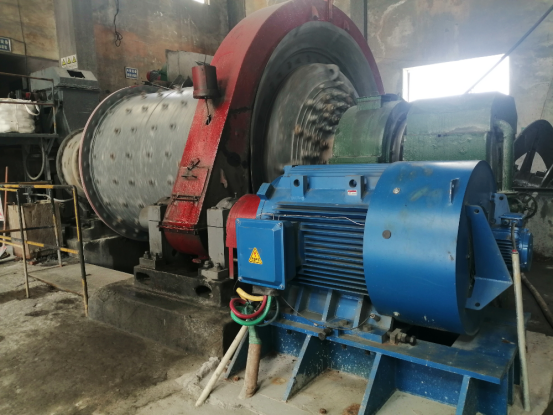
At the aforementioned Northeast China mining site, the 240kW direct-drive motor was mounted on a dedicated foundation adjacent to the mill body. The shaft was aligned directly to the drive end, completely removing the need for a gearbox housing.
Outcome Highlights:
- Energy Savings: Measured site data confirmed a reduction in electricity consumption of 10% or more compared to the previous induction/gearbox system.
- Operational Reliability: The plant reported a significant decrease in noise and vibration levels, improving the working environment for site personnel.
- Footprint Optimization: The compact design of the TYDP series reduced the space required for the drive train, simplifying future maintenance access.
Conclusion: Partner with a Specialist Manufacturer
The transition from geared induction systems to direct-drive permanent magnet technology is no longer a theoretical preference it is a verified path to industrial growth. As a dedicated permanent magnet motor manufacturer, ENNENG provides the engineering support needed to size, configure, and install high-performance drives that meet the specific needs of the mineral processing industry.
Whether you are planning a ball mill retrofit, a gearbox replacement, or the installation of a new grinding line, ENNENG offers the technical depth to ensure your system reaches IE4/IE5 efficiency levels.
Contact ENNENG’s engineering team today to optimize your mining drive system.
FAQ
Q: Can a direct-drive permanent magnet motor handle the startup of a fully loaded ball mill?
A: Yes. ENNENG's PMSM units provide starting torque up to 2.8-3.0 times the rated torque, which is more than sufficient for full-load restarts in mining environments.
Q: What is the primary energy saving mechanism in a ball mill retrofit?
A: The main savings come from eliminating gearbox transmission losses (which can account for 5-10% of total energy) and the superior partial-load efficiency of the permanent magnet motor.
Q: What efficiency standard do these motors meet?
A: Our direct-drive motors typically exceed 95% efficiency, aligning with the international IE4 and IE5 high-efficiency classifications.
Q: How electric motor works as generator in a mining context?
A: During deceleration or in overhauling load scenarios, the moving magnets induce a current in the stator. With a regenerative VFD, this energy can be fed back into the plant's power system.
Q: What voltage classes does ENNENG support for these large motors?
A: We offer a full range of voltage options including 380V, 690V, 6kV, and 10kV to ensure compatibility with existing site infrastructure.

 EN